

Introduction
Raising a few cows, sheep, goats, or chickens on a small plot of land is rewarding—until you’re staring at a growing mountain of manure. For small-scale farmers, the manure treatment challenges for small-scale farmers are real: limited space, tight budgets, and the constant worry of runoff polluting nearby streams or creating neighborhood complaints. Yet, that same manure holds the key to healthier soil and bigger yields. The secret is learning how to treat it right, so it becomes a valuable resource instead of a problem.
The Unique Manure Treatment Challenges for Small-Scale Farmers
Small operations face hurdles that big farms don’t. Space is often at a premium, so storing huge piles isn’t an option. Budget constraints mean expensive digesters or automated systems are out of reach. Labor is usually provided by the family, so processes must be simple and manageable. And because small farms are often close to neighbors or water sources, pollution and odor carry heavier consequences. Manure Treatment Challenges for Small-Scale is a problem in the past, but not in now.
These manure treatment challenges for small-scale farmers can feel overwhelming, but they’re solvable with the right approach.
The Goal: No Pollution, No Waste, Full Reuse
The ideal system treats manure so that:
No harmful runoff enters waterways.
Odors are minimized to keep neighbors happy.
Nutrients are captured and returned to the land.
Volume is reduced for easier handling and storage.
This is where manure treatment challenges for small-scale farmers shift into opportunities. So you can see the Manure Treatment Challenges for Small-Scale farms.
Step 1: Containment—Keep It Off the Ground
The first line of defense against pollution is keeping manure contained. Instead of dumping it in an open lot, use a simple concrete pad or compacted gravel base with a perimeter lip. This stops liquids from seeping into the soil and directs any runoff to a collection system. For very small operations, a mobile composting bin placed on a pad works perfectly.
Step 2: Solid-Liquid Separation—Make It Easier to Handle
Liquid manure is heavy, smelly, and hard to store. A solid-liquid separator is one of the most useful tools for overcoming manure treatment challenges for small-scale farmers. It divides the manure into:
Solids: Perfect for composting.
Liquids: Easier to store, treat, or apply with irrigation.
Even a small, manually operated separator can cut your storage needs in half and reduce odor dramatically.
Step 3: Composting—Turn Waste Into Black Gold
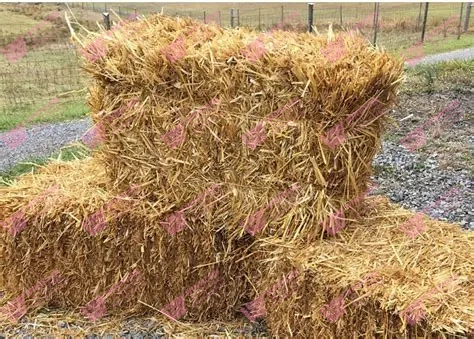
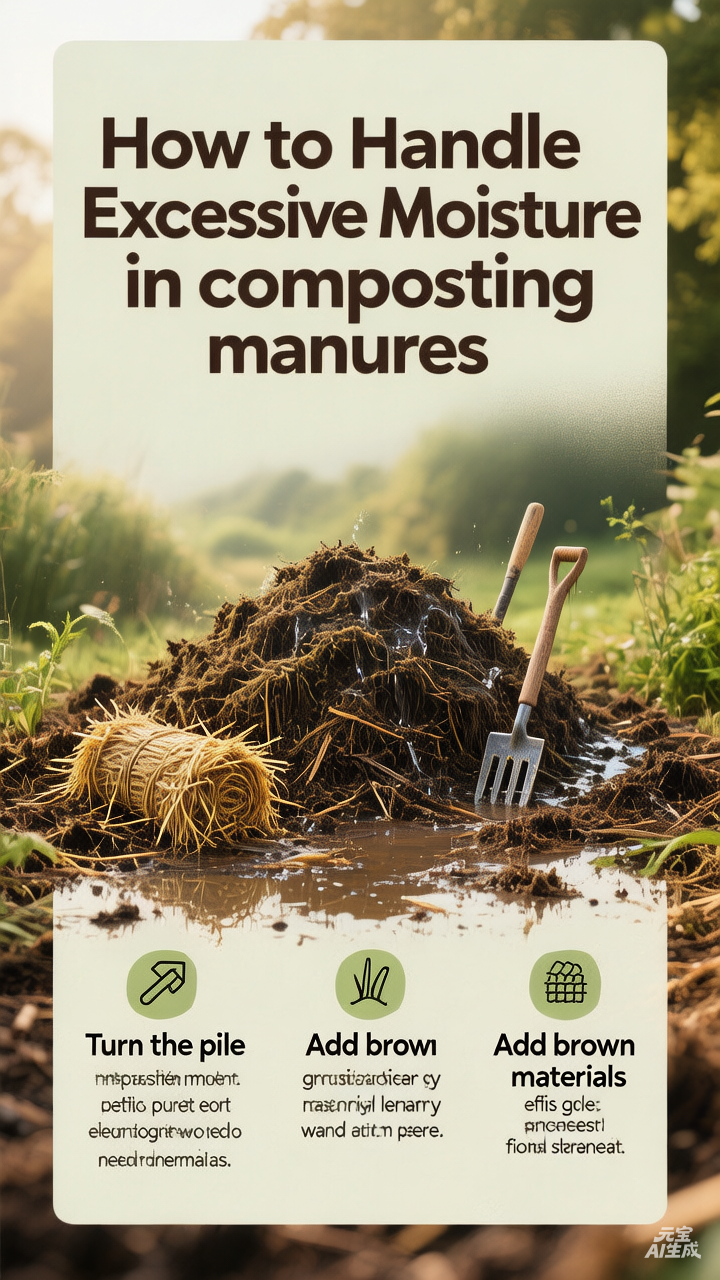
Composting is the cornerstone of solving manure treatment challenges for small-scale farmers. By piling solids with carbon-rich materials (straw, sawdust, leaves) and turning regularly, you:
Kill weed seeds and pathogens.
Reduce volume.
Create a stable, odorless fertilizer.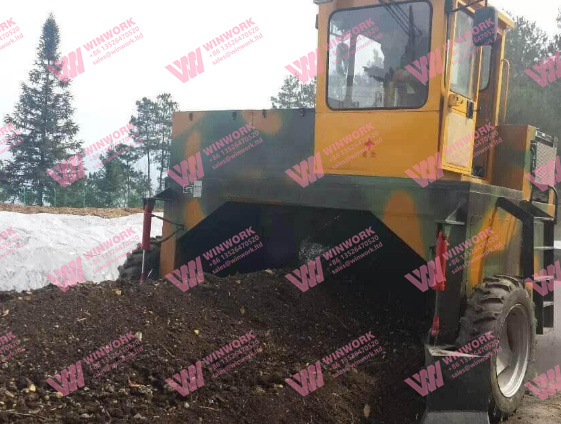
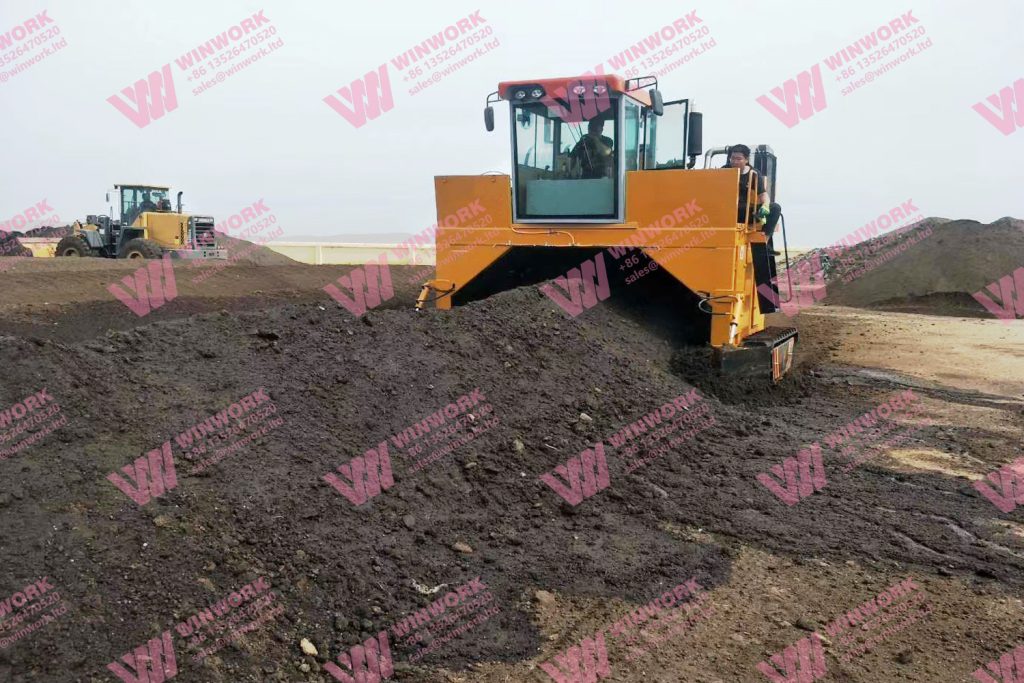
A small compost turner or even a pitchfork makes this manageable. The result is a crumbly, earthy product you can spread on pastures or sell to local gardeners.
Step 4: Controlled Application—Feed the Soil, Not the Ditch
Whether you use compost or separated liquid, apply it strategically. For solids, spread thinly and work into the soil. For liquids, use a subsurface drip irrigation kit to deliver nutrients directly to plant roots, avoiding runoff and odor. This is how you close the loop, ensuring nothing is wasted.
Equipment That Helps Small-Scale Farmers Beat Manure Treatment Challenges
Tackling manure treatment challenges for small-scale farmers doesn’t require industrial-scale gear. Affordable essentials include:
Mobile Compost Bins: Easy to move, contain odors, and require little space.
Manual Solid-Liquid Separator: Low-cost, low-maintenance, and highly effective.
Pitchfork or Small Compost Turner: Speeds up composting and improves quality.
Subsurface Drip Kit: Applies liquid manure efficiently without smell or runoff.
Moisture Meter: Prevents overwatering compost, which can lead to odor and nutrient loss.
The Benefits of Solving Manure Treatment Challenges for Small-Scale Farmers
When you crack the code on manure treatment, the rewards are immediate:
Lower Fertilizer Bills: Your soil gets fed with free, homegrown nutrients.
Cleaner Water: No more worrying about contaminating streams or wells.
Better Neighbor Relations: Odor control keeps the peace.
Extra Income: Bagged compost or excess fertilizer can be sold locally.
Healthier Crops & Livestock: Clean, rich soil means stronger plants and animals. So the benefits of the Manure Treatment Challenges for Small-Scale we can solved.
Real Farm Example: The Baker Family Homestead
The Bakers keep 12 goats and 30 chickens on two acres. For years, manure piled up, attracting flies and creating muddy patches. They tackled their manure treatment challenges for small-scale farmers by building a small concrete pad, adding a manual separator, and composting solids in mobile bins. The liquid went into a 250-gallon tank for irrigation.
Their pasture improved visibly, fly populations dropped, and they began selling compost to neighbors. “We stopped fighting manure and started using it,” says Sarah Baker. “It changed everything.”
FAQ: Your Questions About Manure Treatment Challenges for Small-Scale Farmers Answered
Q1: Can I compost manure from different animals together?
A: Yes, but poultry manure is very high in nitrogen, so mix it with extra carbon (straw, sawdust) to balance it.
Q2: How much space do I need for composting?
A: Even a 4×4-foot bin can handle manure from a few animals. Scale up as your flock grows.
Q3: Is a solid-liquid separator worth it for a small farm?
A: Absolutely. It cuts storage needs, reduces odor, and makes composting faster.
Q4: How do I keep rodents out of my compost?
A: Use a bin with a secure lid or wire mesh bottom. Avoid adding meat scraps.
Q5: Can I use fresh manure on my garden?
A: Not directly. Fresh manure can burn plants and introduce pathogens. Always compost first.
Q6: What’s the easiest way to apply liquid manure without smell?
A: Use a subsurface drip system to inject it below the soil surface.
Q7: How often should I turn my compost?
A: Every 3–5 days for the first few weeks, then less often as it matures.
Q8: Will composting kill weed seeds?
A: Yes, if the pile reaches 55–70°C and stays there for several days.
Q9: Can I compost in winter?
A: Yes, but it will work slower. Insulate the pile with straw or a tarp.
Q10: Where can I get affordable composting equipment?
A: Check local farm stores, online marketplaces, or cooperatives. Many offer small-scale tools designed for manure treatment challenges for small-scale farmers.
Conclusion
Manure doesn’t have to be a dirty word for small-scale farmers. By facing the manure treatment challenges for small-scale farmers head-on—with containment, separation, composting, and smart application—you can turn every pile into a resource. The right equipment makes the job manageable, and the benefits reach far beyond your fields: cleaner water, happier neighbors, and a more resilient farm.
For more details, please feel free to contact us.
Email: sales@lanesvc.com
Contact number: +8613526470520
Whatsapp: +8613526470520

Get A Quote