

Introduction
Every farmer and gardener knows that healthy soil means healthy plants. Yet many still rely on chemical fertilizers that give a quick boost but weaken the soil over time. The alternative? Methods to improve soil fertility with organic compost, a tried-and-true practice that turns waste into a powerful soil tonic. This isn’t just about feeding plants—it’s about rebuilding the living ecosystem underground so your land stays productive for decades.
Why Use Methods to Improve Soil Fertility with Organic Compost?
Chemical fertilizers feed plants but ignore the soil. Over time, they:
Kill beneficial microbes
Reduce organic matter
Increase soil salinity
Cause nutrient runoff, polluting rivers and lakes
In contrast, methods to improve soil fertility with organic compost work with nature. Compost adds slow-release nutrients, improves soil structure, and supports earthworms and microbes. Plus, it reuses waste that would otherwise rot, stink, or pollute.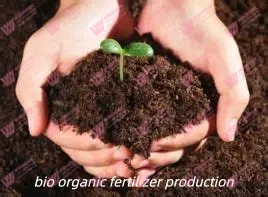
How Methods to Improve Soil Fertility with Organic Compost Work
Add Organic Matter
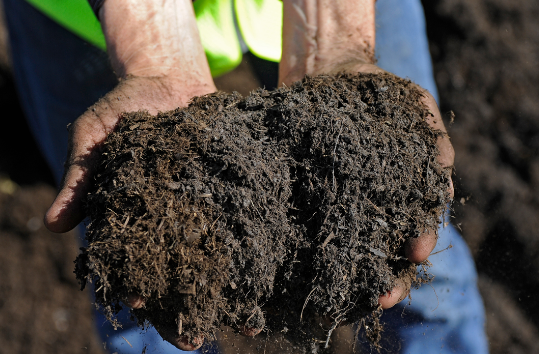
Compost is packed with decomposed plant and animal material. When mixed into soil, it acts like a sponge, holding water and nutrients right where roots need them. This is the first step in methods to improve soil fertility with organic compost.
Feed Soil Microbes
Healthy soil teems with bacteria, fungi, and other microbes. Compost provides them with food, so they break down minerals and make them available to plants. This natural cycle is far more efficient than pouring synthetic nutrients on top.
Improve Soil Structure
Sandy soil drains too fast; clay soil holds water like a bathtub. Compost balances both by improving texture—creating pores for air and water movement. This means better root growth and less watering.
Slow-Release Nutrients
Unlike chemical fertilizers that wash away quickly, compost releases nitrogen, phosphorus, and potassium gradually. Plants get fed when they need it, reducing waste and pollution.
Suppress Diseases
Some compost components boost plant immunity, helping crops fight off root rot and wilts. This is a bonus in methods to improve soil fertility with organic compost that you don’t get from chemicals. These are Methods to Improve Soil Fertility.
Equipment for Methods to Improve Soil Fertility with Organic Compost
It is the first way to improve soil fertility by composting the materials laid on the ground. But how to compost them without pollution and turn the waste into soil wealthy? Here are some equipment for you to check from.
Firstly, you need to frequently turn these soils to prevent long-term consolidation, apply appropriate fertilization to balance nutrients among various components in the soil, thereby cultivating qualified crops.
The Horizontal Fermentation Tank is a state-of-the-art equipment designed for the effective aerobic fermentation of organic waste, agricultural residues, sludge, and other compostable materials. Unlike vertical tanks, the horizontal design allows for larger capacity and more uniform fermentation.
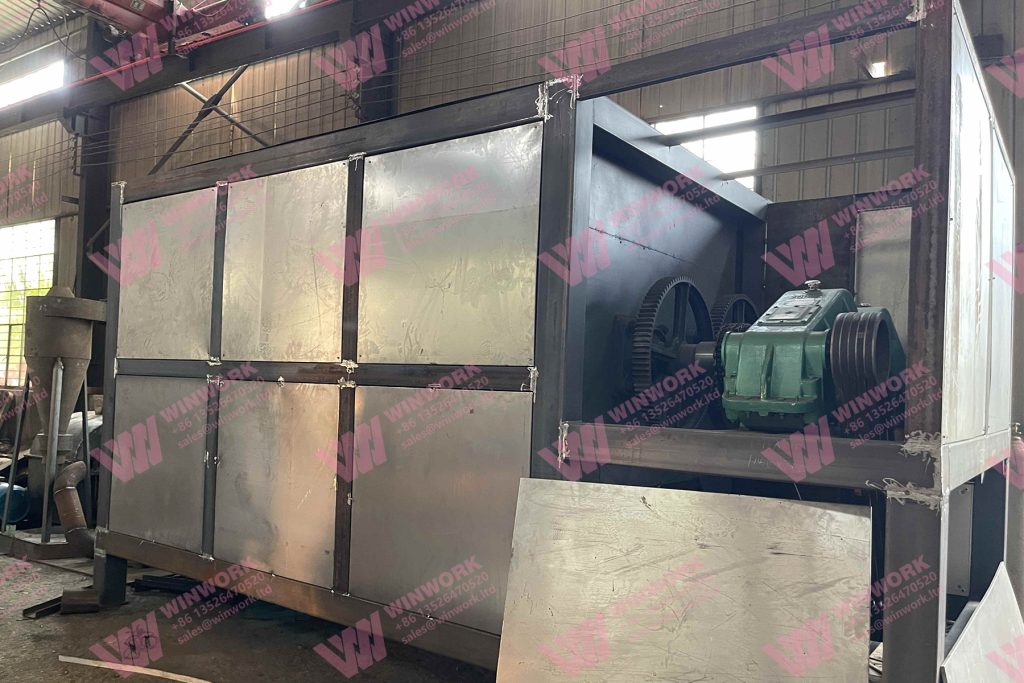
Horizontal fermentation tank
The Horizontal Fermentation Tank is widely used in the production of organic fertilizers and compost, offering numerous advantages in terms of efficiency, control, and environmental impact.
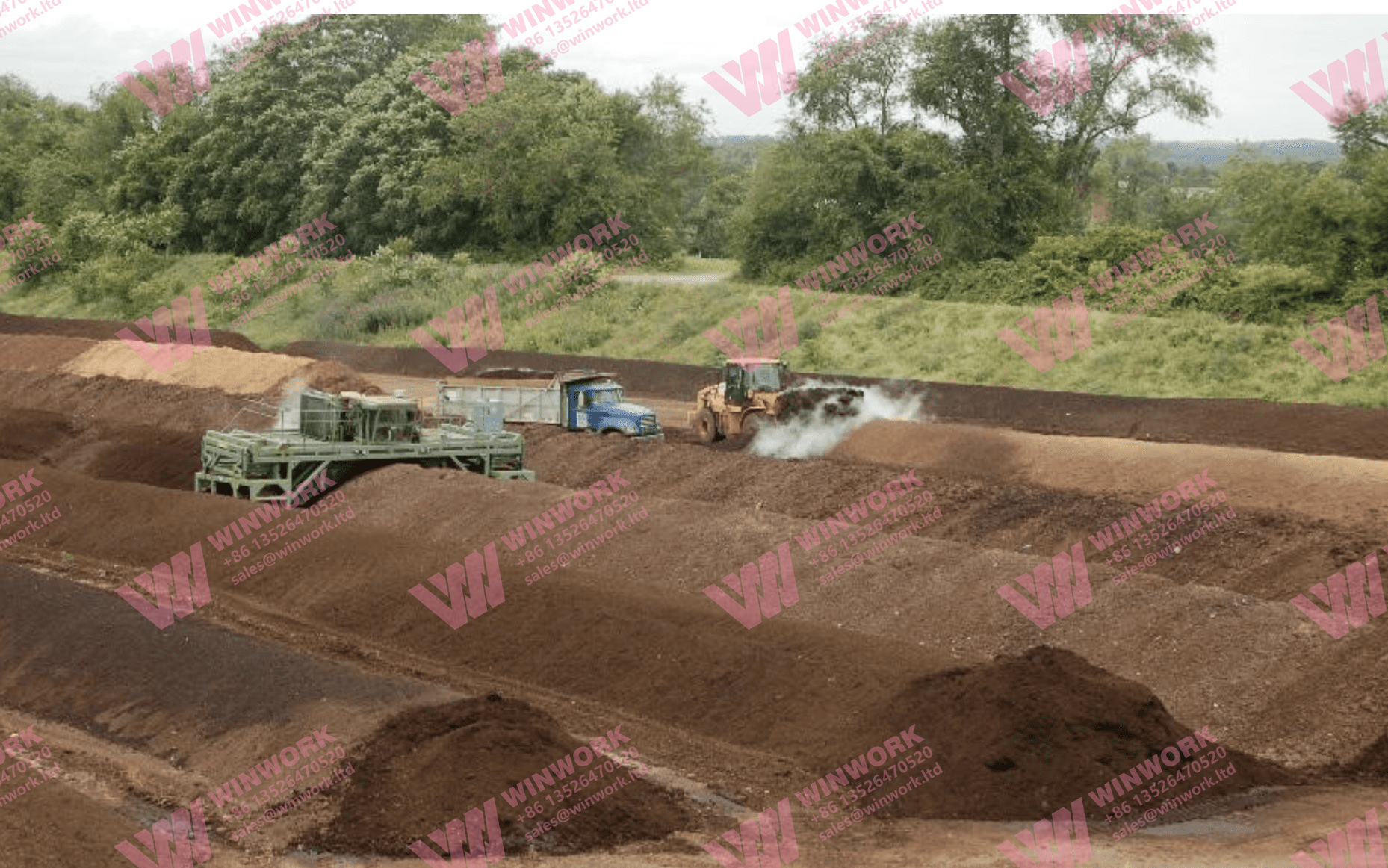
Crawler compost turner is an advanced compost turning equipment, specially designed for compost fermentation process, with the advantages of high efficiency, stability, easy operation and so on.These are Methods to Improve Soil Fertility.
Crawler compost tumbler realizes automatic operation through crawler walking system, which is the necessary equipment for producing organic fertilizer granules and widely used in organic fertilizer production line.
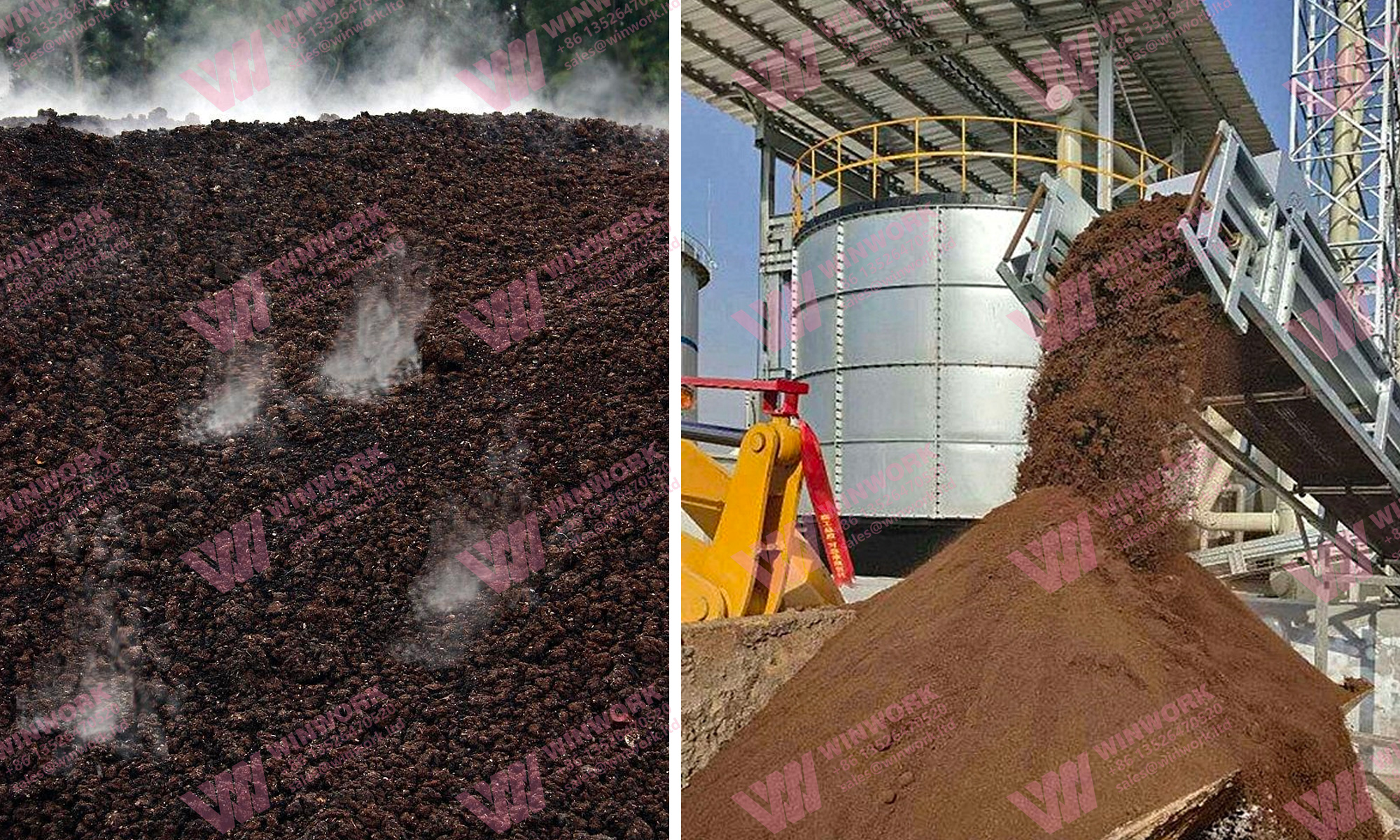
The Vertical Fermentation Tank is a specialized unit designed for efficient aerobic fermentation of organic waste, agricultural residues, sludge and other compostable materials. This fermenter features a vertical structure and a compact design that maximizes space utilization while providing excellent mixing and aeration capabilities.
These devices are highly beneficial for composting, and high-quality compost enhances soil fertility. These are Methods to Improve Soil Fertility.
Real Farm Example
The Zhaos used to battle poor yields and waterlogged clay soil. After adopting methods to improve soil fertility with organic compost, they:
Made compost from crop residues and chicken manure using a $2,200 compost turner
Applied 5 tons per acre twice a year
Saw yields rise 25%, water use drop 30%, and carrot flavor improve noticeably
“Methods to improve soil fertility with organic compost gave us healthier soil and happier customers,” says Mr. Zhao.
FAQ
Q1: How often should I add compost?
A: Once or twice a year is enough for most soils. Over-applying can imbalance nutrients.
Q2: Can compost replace all fertilizers?
A: For many crops, yes. For high-demand vegetables, you might supplement with a small amount of organic fertilizer.
Q3: How do I know if my compost is ready?
A: It should be dark, crumbly, and smell earthy. No recognizable original materials.
Q4: Will compost acidify or alkalize my soil?
A: Compost is generally neutral. It helps balance pH over time.
Q5: Can I use compost on lawns?
A: Yes! Light top-dressing improves grass health and reduces watering.
Q6: How deep should I mix compost into soil?
A: For gardens, mix into the top 15–20 cm. For orchards, spread 5–10 cm and let earthworms work it in.
Q7: Does compost attract pests?
A: Properly cured compost does not. Avoid using fresh manure compost on edible crops.
Q8: How long does compost last in soil?
A: It continues feeding soil life for 6–12 months, depending on climate and soil type.
Q9: Can I make compost in small spaces?
A: Yes! Vermicomposting or small bin systems work for urban gardens.
Q10: What’s the best way to apply compost?
A: Use a spreader for large areas, or fork it in by hand for gardens. Water after applying to activate microbes.
Conclusion
Methods to improve soil fertility with organic compost are the smart, sustainable way to grow stronger plants and protect the environment. By recycling waste into a soil superfood, you boost water retention, feed microbes, and cut pollution from chemical runoff. Whether you farm 100 acres or tend a backyard bed, the equipment and steps are simple and affordable. The sooner you adopt these methods to improve soil fertility with organic compost, the sooner your land will reward you with healthier crops, lower input costs, and a cleaner ecosystem.
For more details, please feel free to contact us.
Email: sales@lanesvc.com
Contact number: +8613526470520
Whatsapp: +8613526470520
Get A Quote