

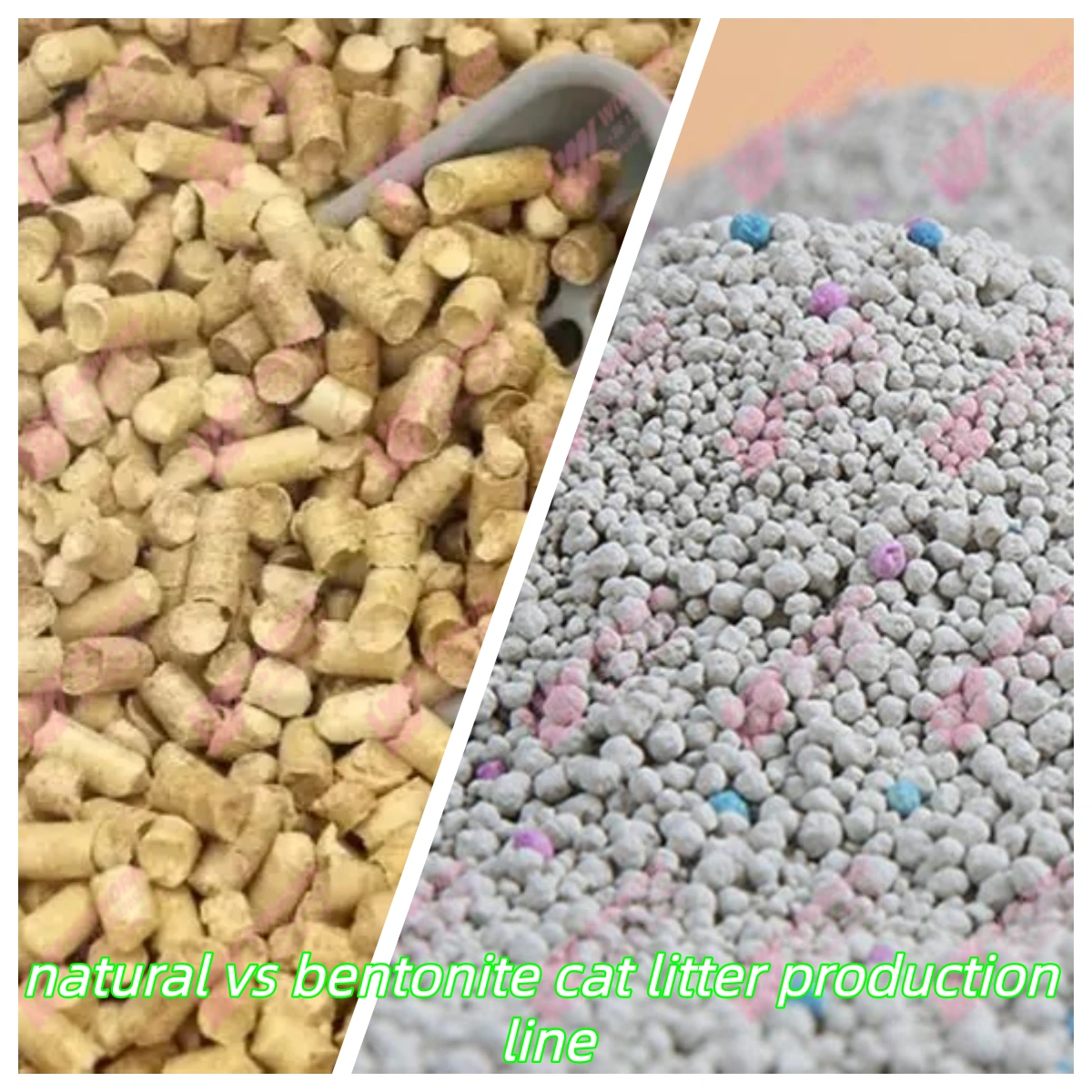
As the global pet care industry continues to evolve, cat litter manufacturers are facing a strategic decision: choosing between a natural cat litter production line and a bentonite cat litter production line. While both systems aim to produce absorbent, market-ready cat litter, their raw materials, processing logic, equipment configuration, and long-term operating costs differ significantly.
This article provides a structured comparison of natural vs bentonite cat litter production line from a production and investment perspective. By analyzing process flow, core equipment, environmental impact, and scalability, manufacturers can better determine which production line aligns with their market positioning and business goals.
-
Raw Material Differences and Supply Chain Impact in a natural vs bentonite cat litter production line
The most fundamental distinction in a natural vs bentonite cat litter production line lies in raw material selection.
Natural cat litter typically uses plant-based or biodegradable materials such as corn, wood fiber, cassava residue, wheat by-products, or other agricultural waste. These materials are renewable, lightweight, and often sourced locally, reducing long-distance transportation costs.
In contrast, bentonite cat litter relies on sodium bentonite clay, which is mined, processed, and transported in bulk. The availability of high-quality bentonite is geographically limited, making raw material supply more dependent on mining regions and logistics stability.
From a supply chain perspective, natural raw materials offer more flexibility, while bentonite requires stricter control over mineral quality and moisture consistency.
-
Process Flow Comparison Between natural vs bentonite cat litter production line
When comparing natural vs bentonite cat litter production line, the process flow structure shows clear differences.
A natural cat litter production line generally includes:
- Raw material crushing or fiber preparation
- Mixing and moisture adjustment
- Granulation
- Drying and cooling
- Screening and packaging
Bentonite cat litter production line follows a more mineral-oriented process:
- Bentonite crushing and grinding
- Moisture conditioning
- Granulation
- High-capacity drying
- Screening and dust removal
Although both lines share granulation and drying stages, natural cat litter requires more attention to organic material behavior, while bentonite focuses on clay plasticity and particle strength.
-
Core Equipment Configuration Differences in natural vs bentonite cat litter production line
Equipment selection is a decisive factor in the performance of a natural vs bentonite cat litter production line.
3.1 Crushing and Pre-processing Equipment
Natural materials often require hammer crushers to achieve uniform particle size. Bentonite, on the other hand, uses jaw crushers or roller crushers designed for mineral hardness.
3.2 Mixing Systems
Both production lines use horizontal mixers, but natural cat litter demands more precise moisture control to avoid fiber clumping. Bentonite mixing focuses on plasticity and binding consistency.
Granulation is central to both systems:
Natural cat litter commonly uses disc granulators, flat die granulators, or double roller granulators
Bentonite cat litter often relies on rotary drum granulators or double roller granulators
3.4 Drying and Cooling Equipment
Natural cat litter typically uses rotary dryers with lower operating temperatures to preserve biodegradability. Bentonite requires higher thermal input to stabilize granules and remove excess moisture.
3.5 Screening and Dust Control
Both systems use vibrating screens, but bentonite lines require stronger dust collection systems due to fine mineral particles.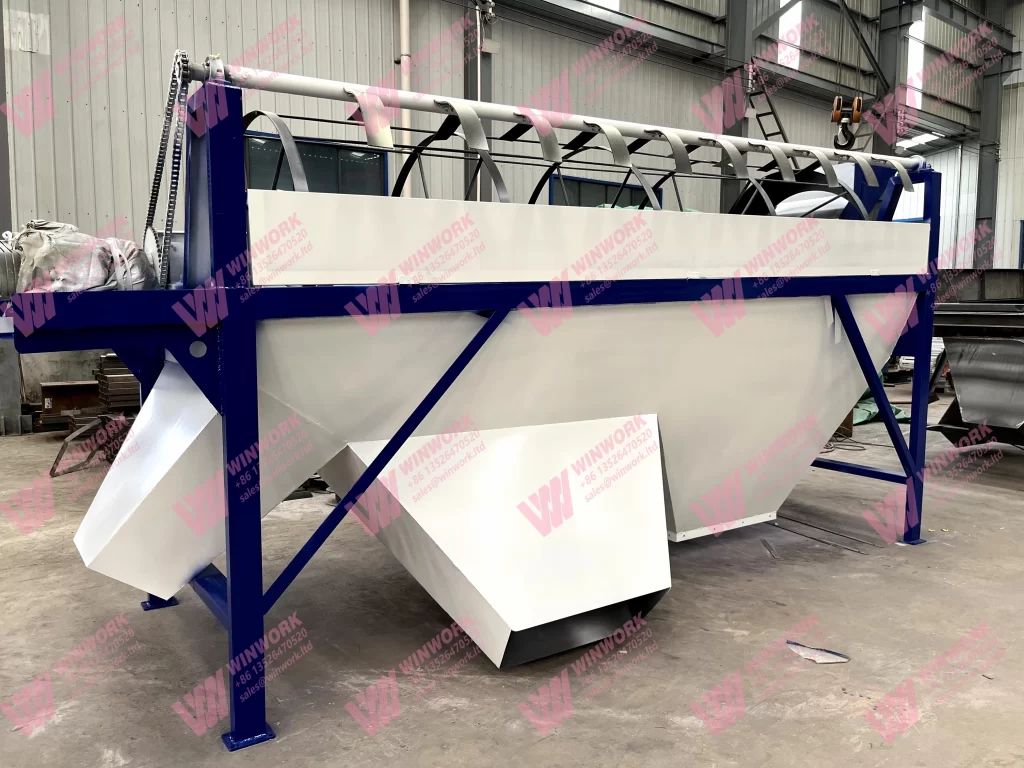
Overall, the equipment investment structure in a natural vs bentonite cat litter production line reflects the physical nature of the raw materials.
-
Energy Consumption and Operating Cost Analysis
Energy usage is a critical consideration when evaluating natural vs bentonite cat litter production line economics.
Natural cat litter production generally operates at lower temperatures and consumes less drying energy. Organic materials release moisture more easily, reducing fuel consumption during the drying phase.
Bentonite cat litter production is more energy-intensive. The clay structure holds moisture tightly, requiring higher drying temperatures and longer residence time. This increases fuel costs and places higher demands on burner systems and thermal insulation.
From a long-term operating cost perspective, natural cat litter production lines often achieve lower energy cost per ton, especially in regions with rising fuel prices.
-
Environmental Impact and Regulatory Compliance in natural vs bentonite cat litter production line
Environmental compliance increasingly influences production line selection. This is another area where natural vs bentonite cat litter production line differs significantly.
Natural cat litter is biodegradable, compostable, and often marketed as eco-friendly. Production generates less dust and fewer mineral residues, making environmental permitting simpler in many regions.
Bentonite cat litter production involves mining-related environmental considerations, higher dust emissions, and non-biodegradable waste. Dust collection, wastewater treatment, and emission control systems become essential components of the production line.
For manufacturers targeting environmentally conscious markets, natural production lines offer a stronger sustainability narrative.
-
Product Performance and Market Positioning in natural vs bentonite cat litter production line
From a consumer perspective, the end product characteristics influence market demand.
Natural cat litter products are valued for:
- Biodegradability
- Low dust content
- Lightweight packaging
- Flushability (for certain formulations)
Bentonite cat litter remains popular due to:
- Strong clumping ability
- High absorption rate
- Lower unit price in mass markets
Therefore, the choice between natural vs bentonite cat litter production line should align with target customers and brand positioning rather than cost alone.
-
Scalability and Production Flexibility in a natural vs bentonite cat litter production line
Scalability is another important distinction in natural vs bentonite cat litter production line design.
Natural cat litter production lines are often modular, allowing capacity expansion by adding granulators or dryers. They can also adapt to different organic raw materials with minor adjustments.
Bentonite production lines are typically designed for high-volume, continuous operation. While they achieve strong economies of scale, switching raw materials or product specifications is more complex.
Manufacturers planning diversified product portfolios may find natural production lines more flexible in the long term.
-
Investment Risk and Return Considerations in natural vs bentonite cat litter production line
Initial investment in a natural vs bentonite cat litter production line varies depending on automation level and capacity.
Natural production lines may require higher control precision but often benefit from lower raw material costs and favorable environmental policies. Bentonite lines may offer faster short-term returns in price-sensitive markets but face increasing regulatory and logistics risks.
A balanced evaluation should include not only equipment cost but also long-term operating stability and market trends.
Conclusion
The comparison between natural vs bentonite cat litter production line reveals that the decision is not purely technical—it is strategic. Natural cat litter production lines offer flexibility, lower environmental impact, and alignment with sustainable market trends, while bentonite cat litter production lines deliver strong clumping performance and established mass-market demand.
For manufacturers evaluating future investment, understanding equipment configuration, energy consumption, and market positioning is essential. In many cases, integrating a natural cat litter production line can provide long-term competitive advantages in an increasingly sustainability-driven pet care market.
For more details, please feel free to contact us.
Email: sales@lanesvc.com
Contact number: +8613526470520
Whatsapp: +8613526470520
Get A Quote