YONGHE LONGZI LAKE PLAZA,CHINA(HENAN)PILOT FREE TRADE ZONE. +86 13526470520 sales@lanesvc.com
YONGHE LONGZI LAKE PLAZA,CHINA(HENAN)PILOT FREE TRADE ZONE. +86 13526470520 sales@lanesvc.com

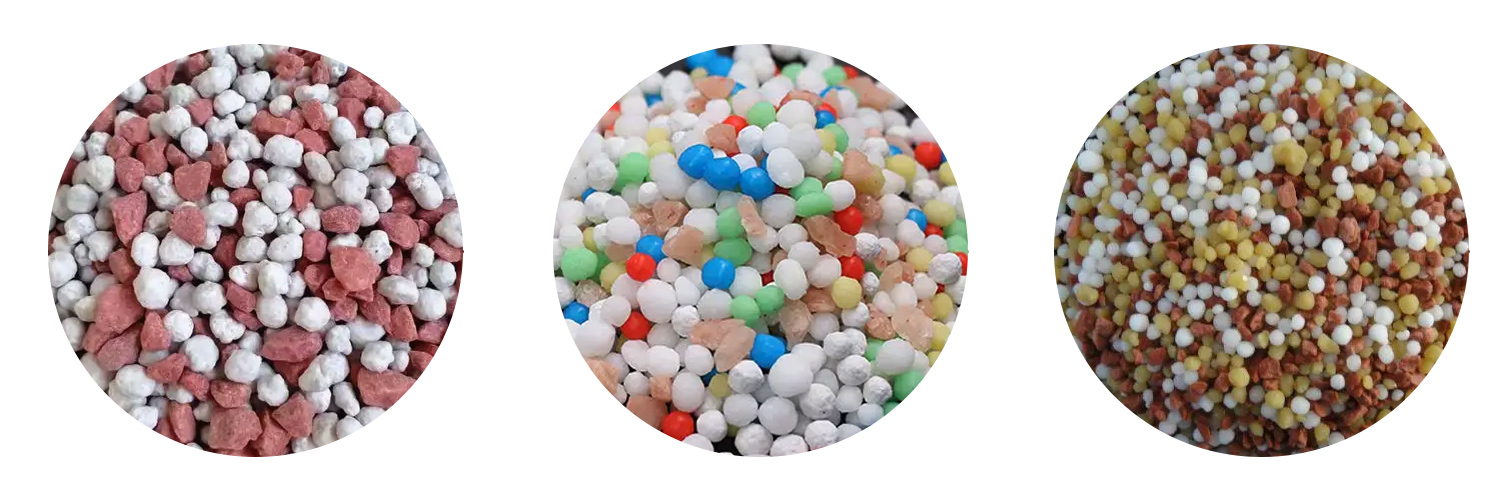
The way we grow food is changing, and it all comes down to Fertilizer Types and Uses. With the pressure to produce more while protecting the planet, farmers and researchers are looking closely at their options. Traditional NPK blends remain common, but new choices like slow-release formulas and organic amendments are gaining ground. Each type has its own role—some feed plants quickly, others build long-term soil health, and some aim to limit pollution. This story looks at what’s on the market, how these fertilizers work, and why picking the right one can make or break both harvests and the environment.
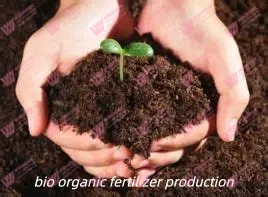
Optimizing bio organic fertilizer production through raw materials, equipment, workflow, microbial management, and technology boosts efficiency, quality, and sustainability.
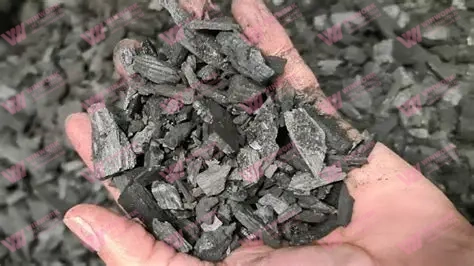
Modern biomass carbonization equipment enhances efficiency, feedstock flexibility, automation, and emission control, shaping the future of industrial biochar production.
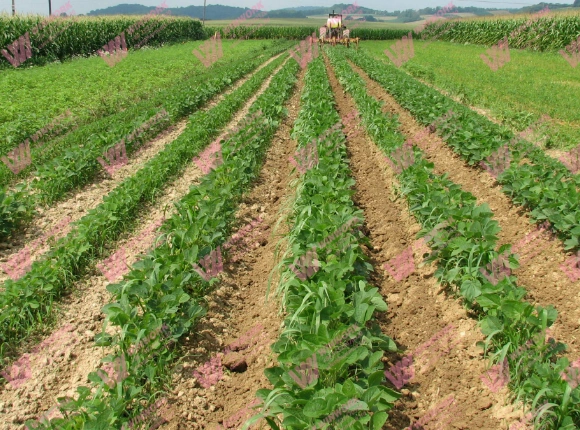
Facing the stringent requirements of large‑scale farming for efficient, stable, and low‑cost fertilizer supply, Agricultural Fertilizer Solutions for Large Farms are becoming a core strategy for precision fertilization and sustainable development.
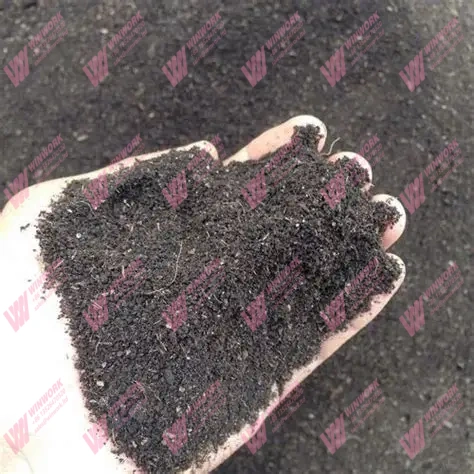
In today’s fast‑paced agricultural landscape, ease of use, accuracy, and flexibility in fertilization are more important than ever. Powder Fertilizer for Easy Mixing is gaining recognition as a versatile solution that allows farmers and growers to tailor nutrient blends quickly and efficiently.

The Benefits of Manure Fertilizer in Farming go beyond mere fertilization — they connect ecological cycling with agricultural sustainability. Through scientific composting, standardized fertilizer manufacturing, and production line fertilizer systems, manure can be delivered safely and efficiently to organic farms.

As a specialised machinery manufacturer, we produce products strictly according to the needs of our customers and suggest improvements based on our experience.