

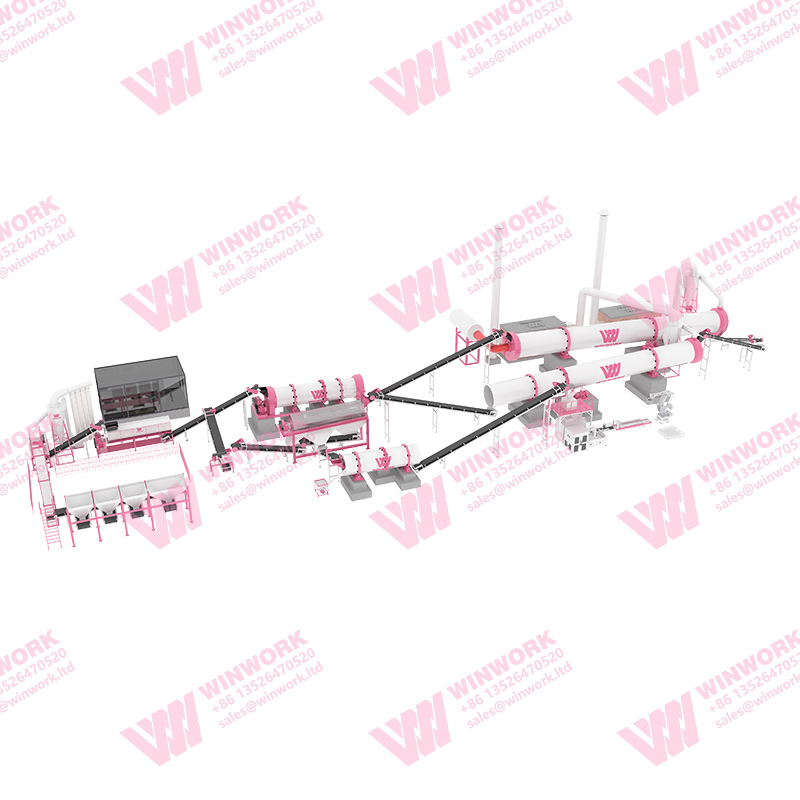
Building an NPK fertilizer plant is not a simple equipment purchase—it is a capital-intensive industrial investment that directly affects production efficiency, operating cost, and long-term profitability. One of the most common questions investors and plant owners ask at the early stage is: what is the real NPK fertilizer plant cost, and why do quotations vary so widely?
In practice, the cost of an NPK fertilizer plant can differ by 30–40% or even more, even when two projects appear similar on the surface. This variation is not accidental. It is driven by a combination of technical choices, process design decisions, and capacity planning strategies that are often underestimated at the beginning.
This article provides a clear, engineering-based breakdown of NPK fertilizer plant cost and explains six key factors that can significantly change your total investment. Whether you are planning a new compound fertilizer project or evaluating equipment suppliers, this guide will help you make cost-effective decisions with long-term value.
Understanding What “NPK Fertilizer Plant Cost” Really Includes
Before analyzing cost factors, it is essential to clarify what the term NPK fertilizer plant cost actually covers. Many buyers mistakenly compare only the equipment price, ignoring the broader system-level expenses.
In a complete project, NPK fertilizer plant cost typically includes:
- Core production equipment
- Auxiliary systems (drying, cooling, dust collection)
- Electrical control and automation
- Steel structure and layout adaptation
- Installation and commissioning
- Process design and technical support
Ignoring any of these elements leads to unrealistic budget expectations and later cost overruns.
Factor 1: Plant Capacity — The Primary Cost Driver
Among all variables, production capacity has the most direct impact on NPK fertilizer plant cost. Capacity is usually expressed in tons per hour (t/h) or tons per year (t/y), and it determines the size, number, and configuration of almost every machine in the production line.
Typical Capacity Ranges
Small scale: 3–5 t/h
Medium scale: 8–12 t/h
Large scale: 15–30 t/h
Why Cost Does Not Increase Linearly
A 10 t/h plant does not simply cost twice as much as a 5 t/h plant. Larger capacities require more robust equipment, more energy, and more sophisticated layout planning, which affects total investment disproportionately.
Bigger granulators with reinforced structures: High-capacity granulators must handle larger material volumes and higher pressure during compaction. These machines are more expensive due to stronger materials, precise engineering, and durability requirements, which directly impacts NPK fertilizer plant cost.
High-efficiency dryers with larger heat exchange areas: As production increases, more heat and airflow are needed to dry wet granules efficiently. Large, high-efficiency dryers cost more upfront but are necessary to maintain product quality and reduce moisture-related defects.
Stronger conveying and screening systems: Higher throughput demands conveyors, elevators, and screening machines capable of handling increased material flow. Investing in these robust systems ensures smooth operation, reduces bottlenecks, and prevents frequent maintenance, contributing to predictable NPK fertilizer plant cost per ton.
As a result, NPK fertilizer plant cost per ton usually decreases with scale due to efficiency gains, but the initial investment rises sharply once certain capacity thresholds are exceeded. Proper planning and equipment selection help balance investment and operational efficiency for large-scale projects
Capacity planning errors are one of the main reasons projects exceed budget after installation.
Factor 2: Process Route Selection and Its Cost Impact
The compound fertilizer process route you choose fundamentally reshapes your total investment. Different granulation methods require different equipment combinations, energy inputs, and space layouts.
Common Process Routes
- Rotary drum granulation process
- Double Roller granulation process
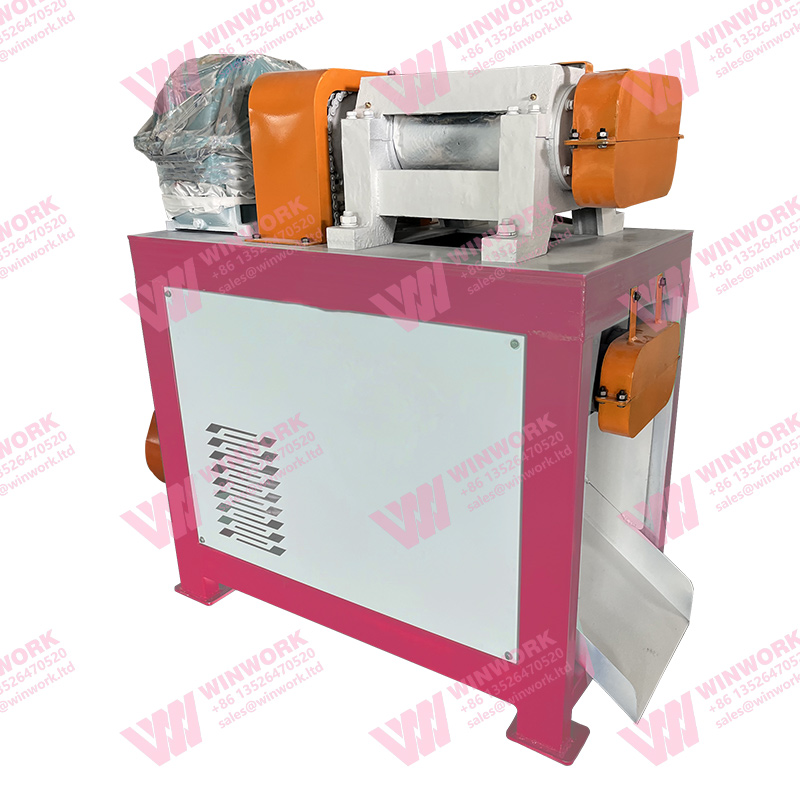
- Disc granulation process
Cost Implications
- Wet granulation requires drying and cooling systems, increasing fuel and equipment cost
- Dry granulation reduces energy consumption but may increase crushing and screening load
- Certain formulas require additional conditioning or pre-treatment steps
Choosing the wrong process route can inflate your NPK fertilizer plant cost by adding unnecessary machines or increasing operating expenses over time.
Factor 3: Core Equipment Configuration (Where Most Budget Is Spent)
More than 60% of NPK fertilizer plant cost is concentrated in core equipment. Understanding how equipment selection affects pricing is critical.
Key Equipment Included
- Crusher – for raw material size control
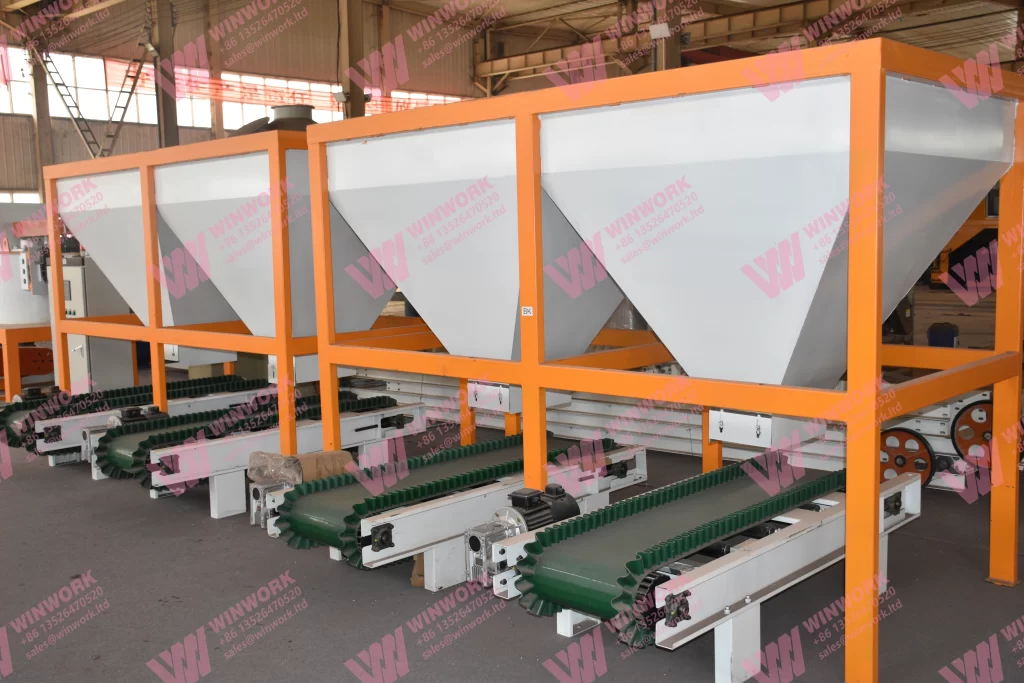
- Batching and mixing system – ensuring formula accuracy
- Granulator – shaping fertilizer particles
- Dryer – reducing moisture after granulation
- Cooler – stabilizing particle strength
- Screening machine – controlling product size distribution
- Coating machine – optional but important for anti-caking
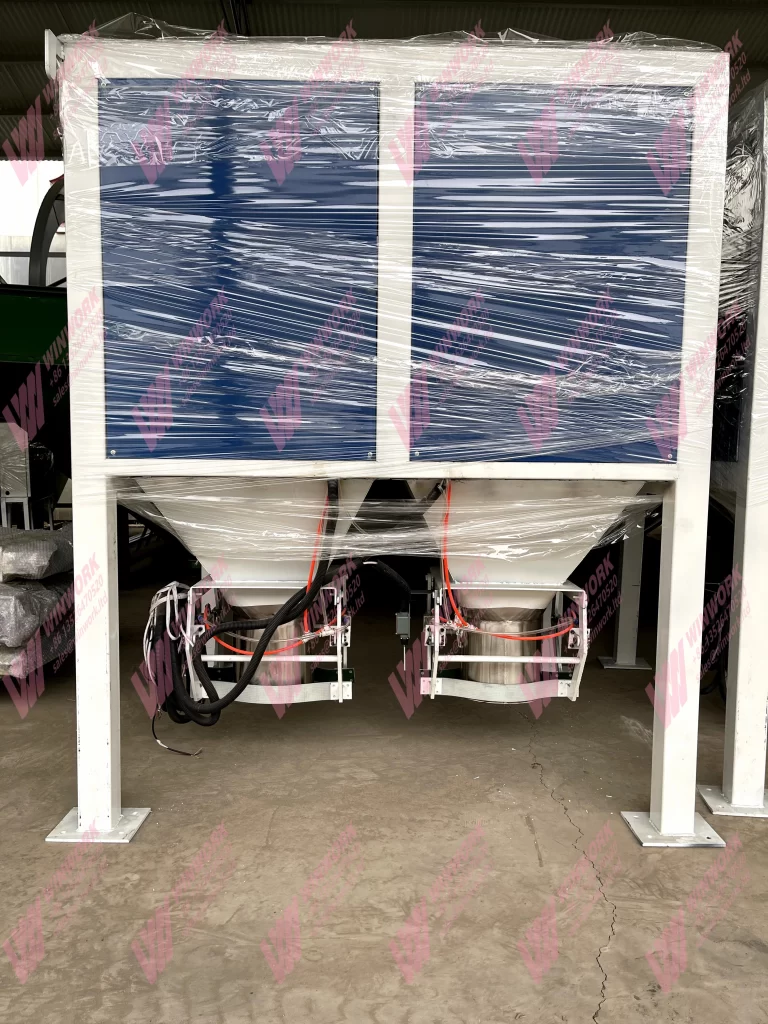
- Packaging machine – final product handling
Why Prices Vary
- Material quality (carbon steel vs alloy steel)
- Wear-resistant lining design
- Automation level of feeding and discharge
- Maintenance accessibility
Low-priced quotations often compromise on material thickness or internal structure, which increases maintenance cost later.
Factor 4: Automation Level and Labor Cost Trade-Off
Automation is a hidden but powerful factor influencing NPK fertilizer plant cost. While higher automation increases initial investment, it significantly reduces long-term operating expenses.
- Automation Options
- Manual or semi-automatic batching
- PLC-controlled automatic dosing
- Centralized control room with real-time monitoring
Cost vs Benefit
- Low automation reduces upfront NPK fertilizer plant cost
- High automation improves consistency and reduces labor dependency
- In regions with rising labor costs, automation quickly pays for itself
For export-oriented or large-capacity plants, automation is no longer optional—it is a cost-control strategy.
Factor 5: Energy Consumption and Supporting Systems
Energy-related systems are often underestimated during budgeting, yet they strongly affect both initial and operational cost.
- Supporting Systems That Add Cost
- Hot air furnace or burner system
- Dust collection and environmental protection
- Exhaust gas treatment
- Material conveying and storage
While these systems increase NPK fertilizer plant cost at the beginning, they are essential for stable production and regulatory compliance.
Cutting corners in this area often leads to frequent shutdowns, fines, or costly retrofits.
Factor 6: Installation, Commissioning, and Process Optimization
The final factor that can change your budget by up to 40% is project execution quality.
What This Includes
- On-site installation guidance
- Electrical wiring and control calibration
- Trial production and parameter adjustment
- Operator training
A plant with poorly coordinated installation may face:
- Low initial output
- Excessive material recycling
- Frequent granulator blockage
These issues directly reduce return on investment, even if the initial NPK fertilizer plant cost seemed low.
Typical NPK Fertilizer Plant Cost Range (Reference Only)
While exact pricing depends on configuration, market data shows general ranges:
Small-scale plant: Small-scale NPK fertilizer plants usually require a lower initial investment and are suitable for startups or local production. They offer limited flexibility in terms of capacity and granulation methods but can quickly start operations.
Medium-scale plant: Medium-scale plants provide a good balance between NPK fertilizer plant cost and production output. They allow more advanced equipment like rotary drum granulators and automated mixers while keeping investment manageable.
Large-scale plant: Large-scale NPK fertilizer plants involve higher capital input due to the size of equipment and automation systems. However, they achieve the lowest production cost per ton and are ideal for industrial-scale operations with consistent demand.
It is crucial to treat these numbers as reference values, not fixed quotations. A detailed process design, including raw material selection, equipment layout, and local factors, is always required for accurate budgeting.
Common Mistakes When Estimating NPK Fertilizer Plant Cost
Many investors underestimate the NPK fertilizer plant cost due to the following mistakes:
- Comparing equipment prices without process context:
Many buyers focus only on the price tag of individual machines without considering how they fit into the overall production process.
Solution: Evaluate equipment as part of a complete system, including granulation, drying, cooling, and screening, to get a realistic cost estimate.
- Ignoring moisture control and drying demand:
Some investors overlook the additional cost of drying wet granules, assuming granulation alone is enough.
Solution: Include dryers and coolers in the budget and plan for the energy requirements to ensure proper moisture control.
- Overlooking environmental compliance requirements
Environmental protection equipment such as dust collectors, wastewater treatment, and emission control is often neglected.
Solution: Factor in local environmental regulations and necessary pollution control systems to avoid fines and future upgrades.
- Underestimating installation and commissioning expenses
Many assume delivery of equipment is the final cost, ignoring installation, calibration, and staff training.
Solution: Include installation, commissioning, and operational training costs in your NPK fertilizer plant cost calculation for accurate budgeting.
Avoiding these mistakes can save more than any price negotiation and ensures a smoother project from setup to production. Proper planning not only controls cost but also guarantees consistent product quality and operational efficiency.
How to Optimize Your NPK Fertilizer Plant Cost Without Sacrificing Quality
Cost optimization does not mean buying cheaper machines. It means matching the right configuration to your production goals, ensuring both efficiency and product quality.
Practical Optimization Strategies:
- Choose capacity based on realistic market demand: Selecting a plant capacity that aligns with actual market needs avoids overinvestment in oversized equipment. This ensures your NPK fertilizer plant cost is efficient while production remains sustainable.
- Select process routes compatible with raw material properties: Different raw materials require different granulation methods, such as wet or dry granulation. Choosing the right process reduces waste, energy consumption, and unnecessary equipment cost.
- Invest in reliable core equipment: Key machines like granulators, mixers, dryers, and coolers determine production efficiency and granule quality. Spending slightly more on dependable equipment lowers maintenance costs and improves long-term ROI, keeping NPK fertilizer plant cost justified.
- Avoid unnecessary automation, but do not under-automate: Fully automated systems are not always needed for small or medium plants, but under-automation can increase labor costs and reduce efficiency. Finding the right balance ensures optimal NPK fertilizer plant cost and smooth operation.
- Plan for future expansion during layout design: Designing the plant with expansion in mind allows you to scale up without major renovations. This proactive planning keeps long-term costs lower and protects your initial NPK fertilizer plant cost investment.
A well-designed plant often costs slightly more initially but delivers far better economic performance over time. Optimizing configuration rather than cutting corners ensures both production quality and sustainable profitability.
Why Process Design Matters More Than Equipment Price
Many projects fail not because of equipment quality, but because of poor process flow coordination. Even if each machine performs well individually, a mismatch in capacity or sequence can cause bottlenecks, material waste, and unstable granulation.
An optimized compound fertilizer process flow ensures smooth material movement, balanced capacity between stages, and stable granulation conditions. For example, improper mixing before granulation can lead to uneven NPK distribution, while insufficient drying or cooling can result in caked or fragile granules.
When process design is correct, NPK fertilizer plant cost becomes predictable and controllable. Careful planning reduces unnecessary equipment purchases, avoids oversizing or underutilization, and minimizes energy consumption. A well-designed process also improves product consistency, reduces maintenance, and shortens commissioning time, all of which enhance overall project efficiency.
Investors should prioritize process layout, material flow, and integration of core equipment over simply chasing the lowest machine price. By focusing on process optimization, you ensure that your investment in an NPK fertilizer plant delivers reliable production, high-quality granules, and a better return on investment.
Frequently Asked Questions About NPK Fertilizer Plant Cost
Q1: Why do quotations for similar NPK plants differ so much?
Because capacity definition, process route, material quality, and automation level are often different, even if the final product looks similar.
Q2: Is it possible to reduce NPK fertilizer plant cost by removing the dryer?
Only for dry granulation processes. For wet granulation, removing the dryer will cause serious quality and stability issues.
Q3: Does higher output always mean higher profit?
Not necessarily. Oversized plants increase investment and operating pressure if market demand is unstable.
Q4: How long does it take to recover investment?
Payback time depends on raw material cost, selling price, and production stability—not just initial NPK fertilizer plant cost.
Q5: Can choosing cheaper equipment significantly lower NPK fertilizer plant cost?
Using cheaper machines may reduce upfront investment, but it often leads to higher maintenance, lower efficiency, and inconsistent granule quality. Solution: Focus on reliable, energy-efficient equipment to optimize total cost of ownership, not just initial expenditure.
Conclusion
The real challenge in controlling NPK fertilizer plant cost is not negotiating a lower price, but making informed technical decisions early in the project. Capacity planning, process selection, and equipment configuration together determine whether your investment becomes a long-term asset or a financial burden.
If you are evaluating suppliers or planning a new compound fertilizer project, always request a process-based quotation, not just an equipment list. This approach ensures transparency, cost control, and sustainable production from day one.
For more details, please feel free to contact us.
Email: sales@lanesvc.com
Contact number: +8613526470520
Whatsapp: +8613526470520
Get A Quote