

Introduction
If you’ve ever driven past a farm and rolled up the windows, you know the problem: composting can be smelly. That unmistakable mix of ammonia and rot doesn’t just offend the senses—it signals wasted nutrients, potential pollution, and unhappy neighbors.
But it doesn’t have to be that way. Thanks to odorless composting technology solution, you can process manure, food scraps, and crop residues into clean, nutrient-rich fertilizer without the stench. This isn’t a gimmick; it’s a practical, science-backed approach that’s changing how small and large operations handle organic waste.
Why Odorless Composting Technology Solution Matters
Traditional composting often becomes anaerobic (without enough oxygen), creating smelly gases like hydrogen sulfide and ammonia. These gases:
Pollute the air and water
Indicate nutrient loss
Attract flies and pests
Create conflict with neighbors
An odorless composting technology solution tackles the root cause: it keeps the process aerobic (oxygen-rich) and tightly controlled, so waste breaks down cleanly. The result? A system that’s not only less smelly but also faster, safer, and more efficient.
How the Odorless Composting Technology Solution Works: Step-by-Step
The first step in an odorless composting technology solution is to contain the material. Use a closed fermenter, a fully covered bunker, or a container with an airtight lid. This traps any gases and directs them to a treatment system instead of letting them escape.
Control Air Supply
Oxygen is the enemy of bad smells. The system uses a blower and aeration pipes to push air through the material at a steady rate. This keeps microbes in the aerobic zone, where they produce carbon dioxide instead of stinky hydrogen sulfide.
Balance the Feedstock
A good recipe is key. Mix nitrogen sources (manure, kitchen waste) with carbon sources (straw, sawdust) in a 1:3 ratio. This balance reduces excess nitrogen, which is the main cause of ammonia odor.
Monitor Temperature and Moisture
The odorless composting technology solution keeps the pile between 55–70°C, which not only speeds up decomposition but also kills odor-producing bacteria. Moisture is kept at 50–60%—too wet and it sours; too dry and it stalls.
Filter the Gases
Any gases that are produced (mainly CO₂ and a little ammonia) are passed through a biofilter or scrubber filled with wood chips, compost, or activated carbon. Microbes in the filter break down trace odors, so only clean air is released.
Cure and Finish
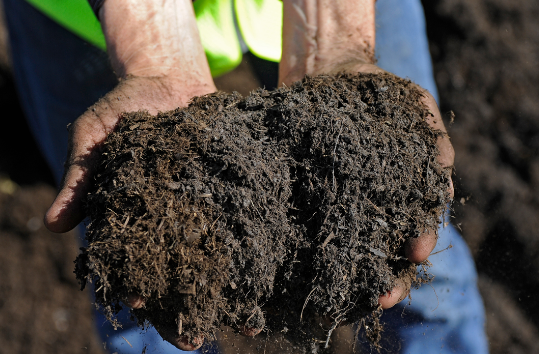
After the high-heat phase, the material is cured in a separate, ventilated area. The result is earthy-smelling, stable compost ready for use.
Equipment for the Odorless Composting Technology Solution
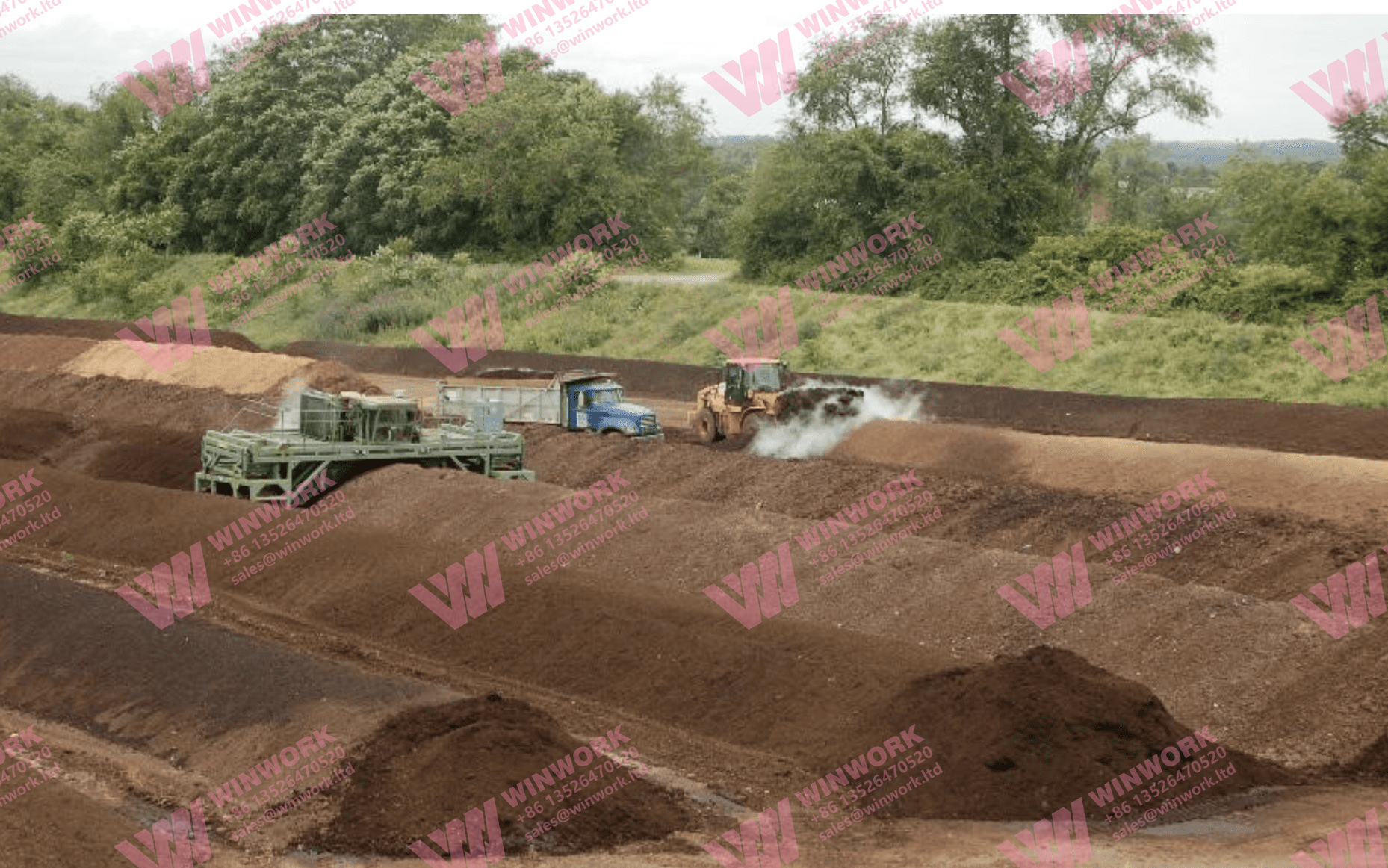
Crawler compost turner working principle
Material turning: Crawler compost turner turns and agitates the piled materials through the turning device at the front. The turning device consists of a number of high-speed rotating blades, which can fully break up and mix the materials, make the materials contact with the air and promote aerobic fermentation.
Crawler Walking: There is a crawler walking system installed at the bottom of the equipment, which is driven by the hydraulic system and can walk flexibly on the landfill, adapting to various terrain conditions. The crawler system has strong grip and stability to ensure the smooth running of the equipment during the walking process.
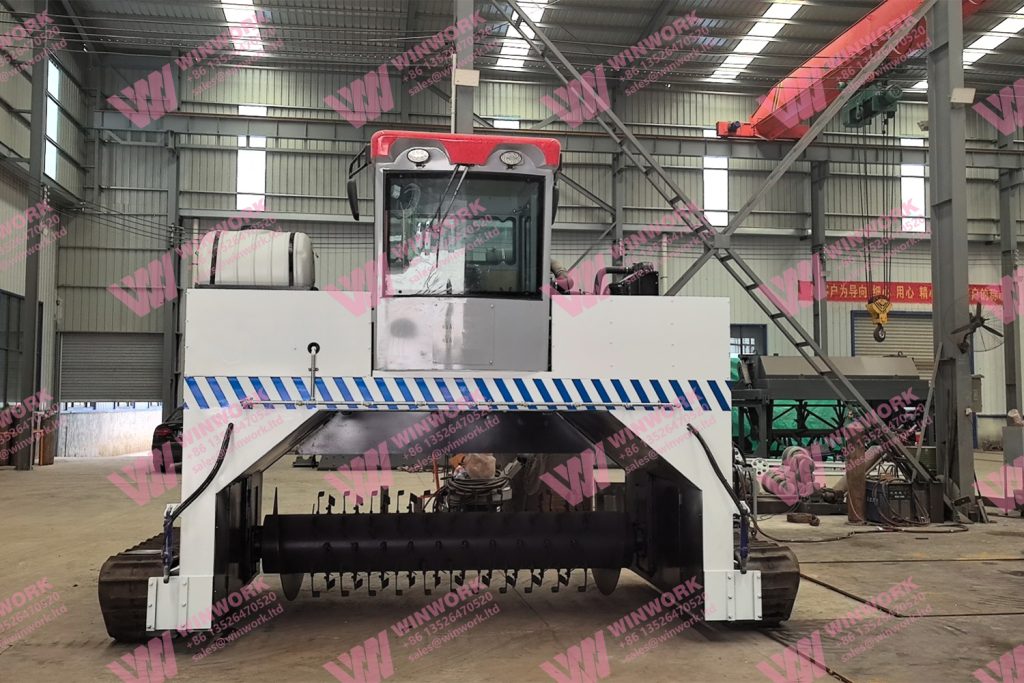
3-meter Crawler Compost Turner
Air replenishment: During the turning process, the material is fully turned and broken up, which is conducive to air entering the inside of the compost, increasing the oxygen content of the material, promoting the growth and reproduction of microorganisms, and accelerating the compost fermentation process.
Temperature control: during the turning process, the temperature of the material will gradually rise, through regular turning, you can avoid the death of beneficial microorganisms caused by the high temperature of the material, to ensure that the composting process in the best temperature range.
Moisture regulation: In the process of composting, the turner can evenly distribute the moisture in the material, preventing the local over-wet or over-dry, ensuring the uniformity and stability of the composting process.
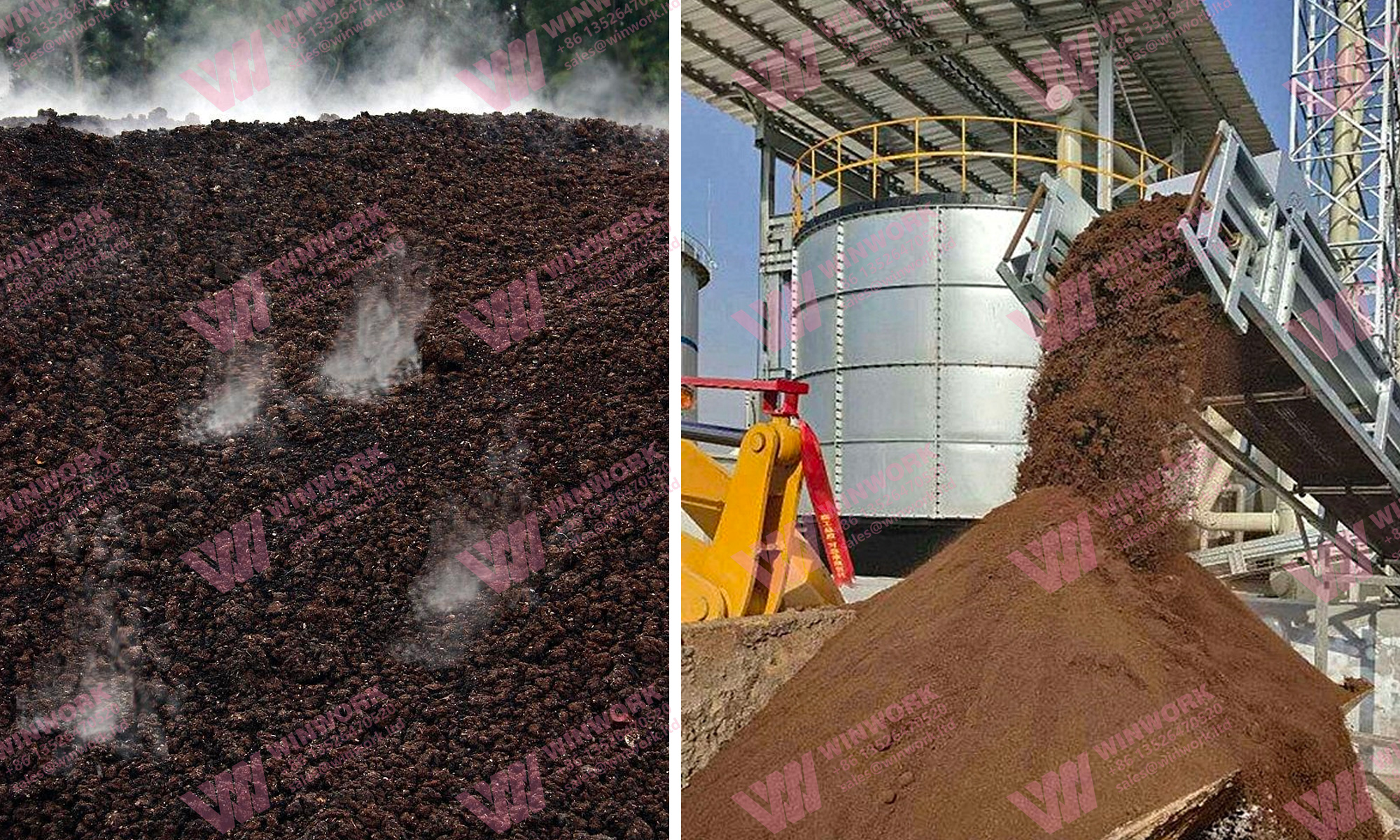
The tank’s overview. Material Loading: Organic materials are loaded into the tank through an inlet. The horizontal design facilitates easy loading and better handling of large volumes of material.
Aerobic Fermentation: Inside the Horizontal Fermentation Tank, the material is continuously mixed and aerated. Mechanical mixers or agitators ensure that the material is evenly mixed, enhancing microbial activity and promoting aerobic fermentation.
Temperature Control: The fermentation process generates heat, and the tank is equipped with temperature sensors and control systems to maintain the optimal temperature range for microbial activity. This helps to speed up the decomposition process and ensure consistent fermentation.
Moisture Management: The Horizontal Fermentation Tank includes systems for adding water or removing excess moisture, maintaining the ideal moisture content for fermentation. Proper moisture levels are crucial for effective microbial activity and compost quality.
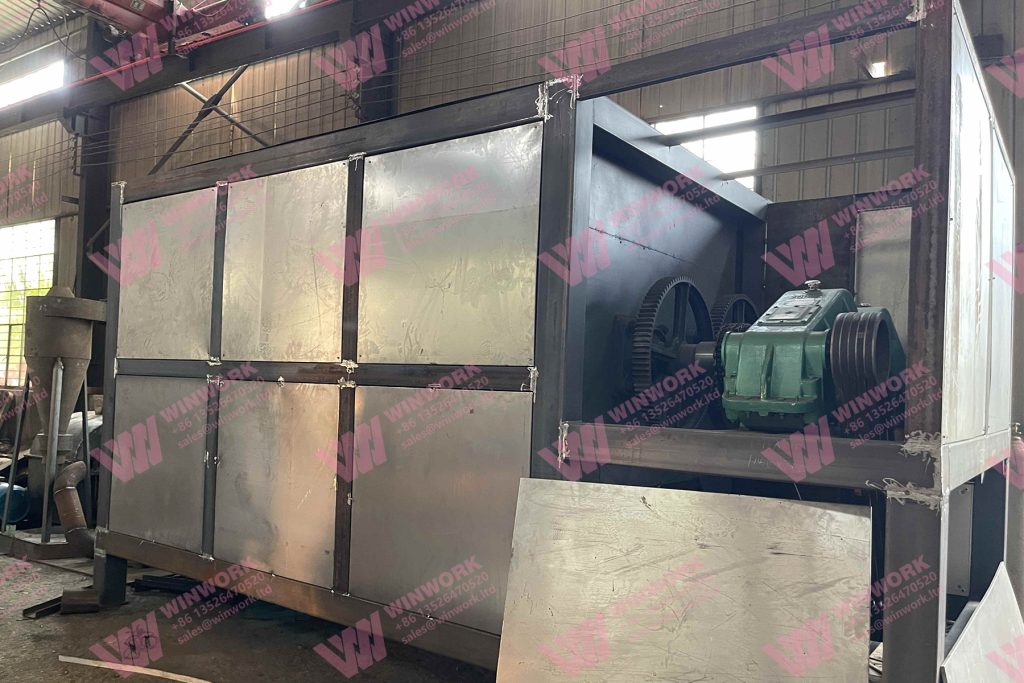
Horizontal fermentation tank
Air Supply: Aeration systems provide a continuous supply of air to the tank, ensuring that the microbes have sufficient oxygen for aerobic decomposition. This helps to prevent anaerobic conditions and reduce unpleasant odors.
Discharge: After the fermentation process is complete, the finished compost or organic fertilizer is discharged through an outlet. The horizontal design facilitates easy and efficient discharge of the final product.
Real Farm Example
The Lins used to get complaints every time they turned their manure pile. After switching to an odorless composting technology solution with a $5,000 closed bunker, a $2,200 blower, and a $1,800 biofilter, the change was instant. “No more stink, no more flies, and the compost is better than ever,” says Mrs. Lin. They now produce 2 tons of clean compost monthly, which they sell to local gardeners.
FAQ: Your Questions About Odorless Composting Technology Solution Answered
Q1: How can composting be truly odorless?
A: By keeping it aerobic, balancing feedstock, and filtering gases, the odorless composting technology solution eliminates the conditions that cause bad smells.
Q2: What if I don’t have a closed fermenter?
A: You can start with a simple covered pile and a small blower, but a sealed system works best for full odorless composting technology solution performance.
Q3: Does it work in hot or cold climates?
A: Yes! The system is insulated, and temperature is controlled, so it works year-round.
Q4: How much does an odorless composting technology solution cost?
A: Small systems start around $5,000; large farm systems can reach $30,000. But savings on waste disposal and fertilizer often pay back in 1–3 years.
Q5: Can I use it for food waste?
A: Yes! The odorless composting technology solution is ideal for food scraps, but avoid meat and dairy.
Q6: Is the compost safe?
A: Absolutely. The high heat and clean process kill pathogens, making it safe for all plants.
Q7: How do I know the system is working?
A: You’ll see no odor, stable temperature, and a clean biofilter. Sensors can alert you to any issues.
Q8: Can I scale it up later?
A: Yes! Start small, then add more fermenters or a larger biofilter as your needs grow.
Q9: What about flies?
A: The sealed system and high heat prevent fly breeding, a major benefit of the odorless composting technology solution.
Q10: How do I maintain the system?
A: Check blower function, clean biofilter media, and monitor temperature and moisture regularly.
Conclusion
The odorless composting technology solution is a game-changer for anyone who wants to recycle organic waste without the stink. By controlling oxygen, temperature, and gas release, it produces clean, safe compost while preventing pollution and neighbor complaints.
Whether you’re a small farm, a community project, or a large operation, this system can be tailored to your needs. The sooner you adopt the odorless composting technology solution, the sooner you’ll enjoy a cleaner, more efficient, and more neighbor-friendly way to turn waste into wealth.
For more details, please feel free to contact us.
Email: sales@lanesvc.com
Contact number: +8613526470520
Whatsapp: +8613526470520
Get A Quote