

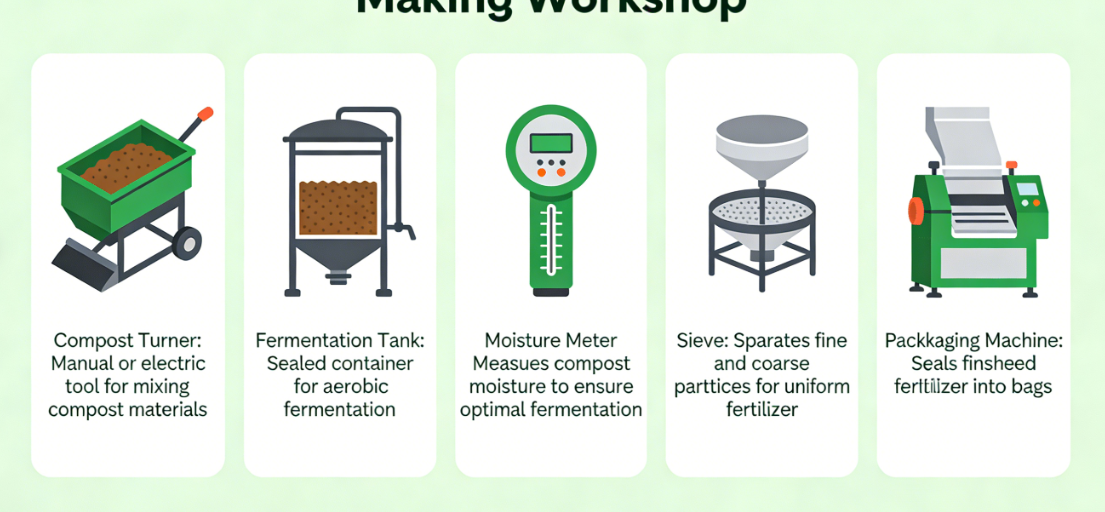
Introduction
Thinking about making your own fertilizer but don’t want complicated setups? This list of essential equipment for a one-person fertilizer making workshop is designed just for you. The press release explains, in plain language, what tools you need, which types of fertilizer you can produce, the raw materials required, and how to get started. It also includes a FAQ section to help you avoid common mistakes. Now here is a detail tip so you can walk away ready to launch your small-scale operation.
Why We Need a List of Essential Equipment for a One-Person Fertilizer Making Workshop
Many people want to start a small fertilizer workshop at home or in a rented shed. You can make fertilizer for your own fields and maybe sell some to neighbors. That is really a good idea. But the first question is always: What do I actually need to buy? I don’t have so much money and i want to buy some machines that really useful so i don’t waste my money. That’s exactly what this list of essential equipment for a one-person fertilizer making workshop is for. In simple terms, it’s a starter kit that one person can move, operate, and store without taking up much space, yet still produce reliable fertilizer.
What’s on the List of Essential Equipment for a One-Person Fertilizer Making Workshop?
Small Mixing Tank
Plastic or food-grade stainless steel, 50–100 liters, with a lid. Used to mix raw materials for both liquid and powdered fertilizers at a One-Person Fertilizer Making Workshop.
And for more larger the Horizontal mixer is a kind of high-efficiency mixing equipment widely used in chemical, pharmaceutical, food, building materials and other industries.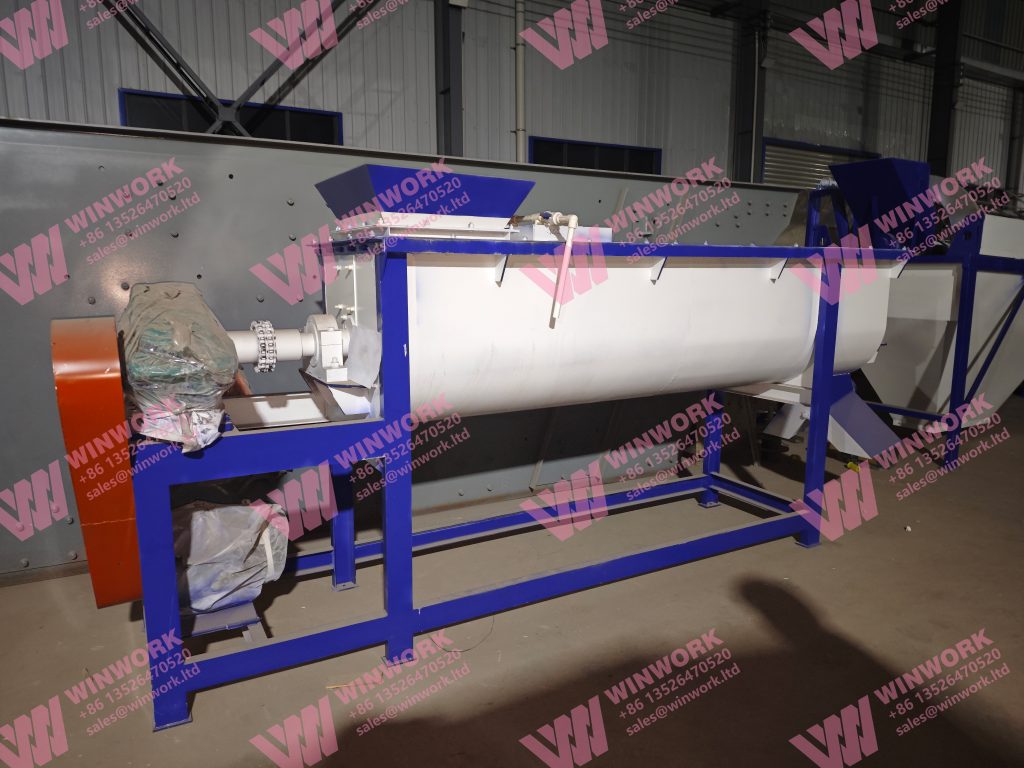
It is mainly used for mixing many kinds of materials evenly, especially suitable for mixing powdery and granular materials, and also suitable for adding liquid to the mixing process. Horizontal mixer has a compact structure, easy operation, high mixing efficiency, and can realize high quality uniform mixing in a short time, which is an indispensable equipment in fertilizer production line.
You can buy smaller ones so that it won’t take up big space and suits your small products.
Raw Material Storage Bins
This is a easy method for you at One-Person Fertilizer Making Workshop to create this machine and exactly it will not a machine, you can just prepare some plastic boxes and make a lid on it, so this can be your storage box, and prepare more you can store different raw materials and fertilizers you make well.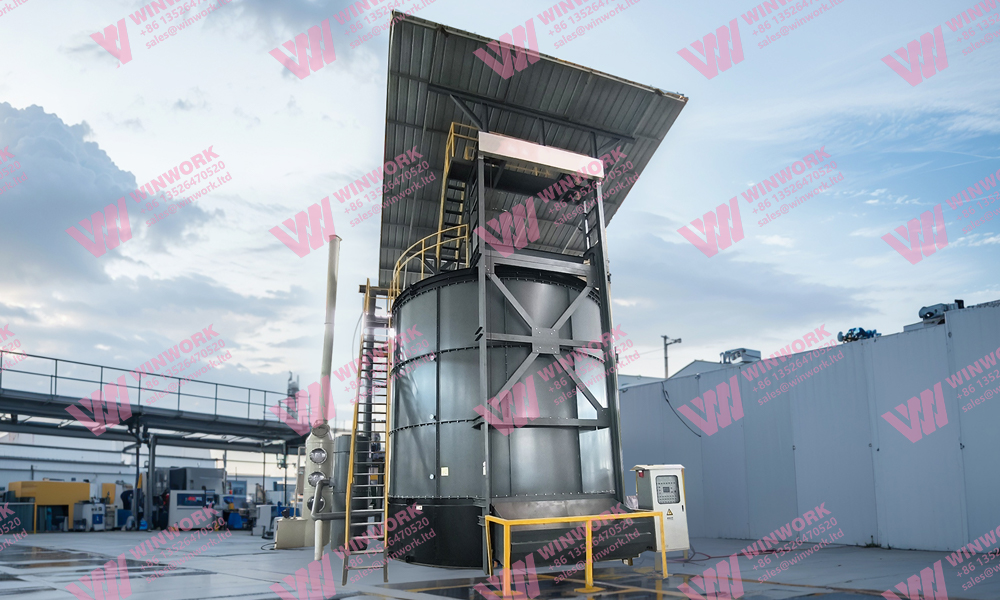
Digital Scale
Accurate to grams. Weighing ingredients precisely keeps your nutrient ratios correct.
Filter Screen
80–100 mesh nylon net. When making liquid fertilizer, it removes undissolved particles so you don’t clog hoses or nozzles.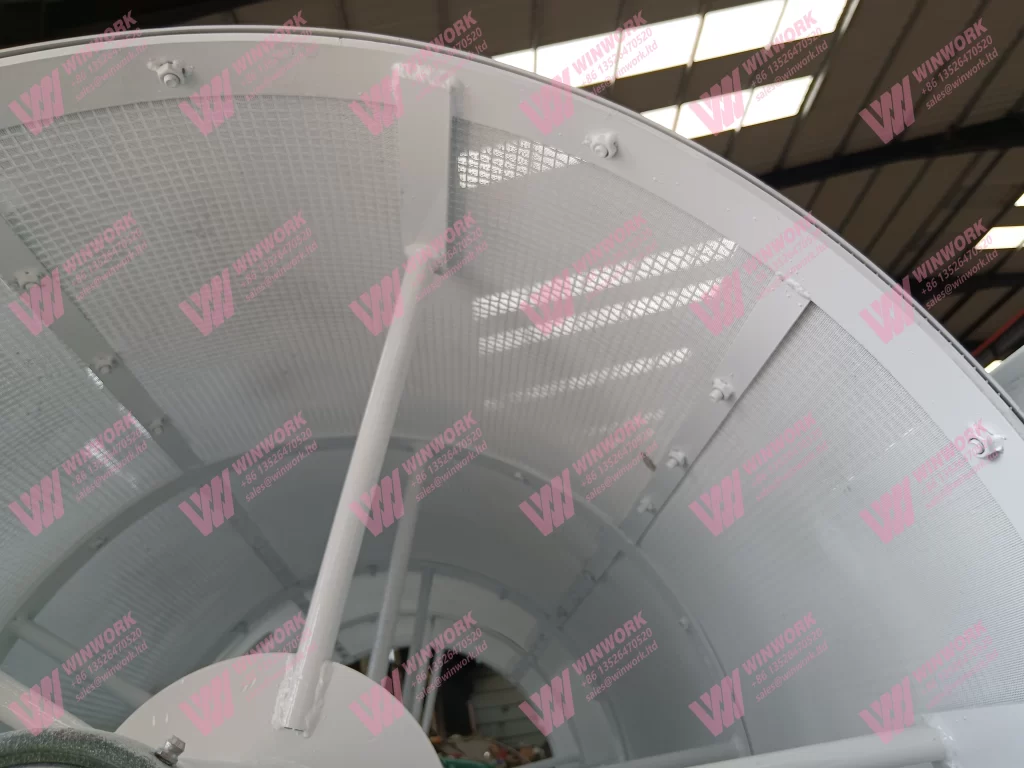
Pots
Sometimes you need to prepare some pots which can be heated because some fertilizer must be heated and can be melt.
Bag Sealer
For packing powdered or concentrated liquid fertilizer into bags, keeping them airtight and spill-free.
Label Printer
Prints fertilizer name, ingredients, and date. Looks professional and helps with tracking.
Moves raw materials and finished products around. Lifting heavy sacks alone is tough—this saves your back.
Protective Gloves and Mask
Working with chemicals and organic waste means protecting your hands and lungs. One-Person Fertilizer Making Workshop needs Safety first.
What Fertilizers Can You Make with This List of Essential Equipment for a One-Person Fertilizer Making Workshop?
Liquid NPK Fertilizer
Mix urea, MAP, potassium sulfate, and water in the tank, stir, filter, and you have a spray or fertigation solution.
Powdered Compound Fertilizer
Weigh dry ingredients, mix, sieve, and pack. Good for broad-acre spreading.
Organic Liquid Fertilizer
Soak composted chicken manure or soybean meal in water, heat gently, filter, and bottle. Great for soil conditioning.
Micronutrient Solutions
Dissolve ferrous sulfate, zinc sulfate, borax in hot water for foliar sprays to correct specific deficiencies.
Raw Materials Needed for Your One-Person Workshop
Nitrogen Sources: Urea, ammonium nitrate.
Phosphorus Sources: Monoammonium phosphate, superphosphate.
Potassium Sources: Potassium sulfate, potassium chloride.
Organic Matter: Well-rotted animal manure, straw powder, soybean meal.
Micronutrients: Iron, zinc, and boron salts.
You don’t have to buy everything at once at One-Person Fertilizer Making Workshop. Start with liquid NPK fertilizer, then add gear to make powders as you gain experience.
Benefits of Using the List of Essential Equipment for a One-Person Fertilizer Making Workshop
Low Startup Cost, this small equipment can reduce your cost and enough for your need at your One-Person Fertilizer Making Workshop.
Small Footprint, Tools fit on a balcony or in a small shed, leaving room to live or store other gear.
Flexibility, Change recipes anytime to suit different crops or soil tests.
Simple Operation, Designed for solo work, so you won’t get tangled in complex procedures.
FAQ
Q1: Can one person really handle all this equipment and build One-Person Fertilizer Making Workshop?
A: Yes! Every item on the list of essential equipment for a one-person fertilizer making workshop is lightweight and easy to operate alone.
Q2: Where can I buy reliable raw materials?
A: Agricultural supply stores, fertilizer distributors, or reputable online sellers. Keep invoices for records.
Q3: Will homemade fertilizer perform like commercial brands?
A: For personal use, if your ratios and ingredients are right, results can be just as good. Selling requires compliance with local fertilizer registration rules.
Q4: Are the tools durable?
A: They’re built to last. Just keep the scale and mixer dry and clean, and they’ll serve you for years.
Q5: Does liquid fertilizer smell bad?
A: Organic-based liquid might have an odor. Adding citrus peels or EM bacteria can help reduce it.
Q6: Which fertilizer should a beginner start with?
A: Try liquid NPK first—ingredients are easy to find, and the process is straightforward.
Conclusion
This list of essential equipment for a one-person fertilizer making workshop is your starter map to launching a small, independent fertilizer business. From tools to materials, from what you can make to how to use it, everything is explained in plain language. If you decide to expand later, this list can be your foundation to build on. Making your own fertilizer saves money, lets you control quality, and is a rewarding way to support your farm or garden.
For more details, please feel free to contact us.
Email: sales@lanesvc.com
Contact number: +8613526470520
Whatsapp: +8613526470520
Get A Quote