

Introduction
For decades, conventional farming has relied on synthetic fertilizers and pesticides to boost yields. But these shortcuts come with a price: depleted soil, polluted water, and food that’s less nutritious. Enter organic farming—a method that works with nature, not against it. Whether you’re a backyard gardener or a small holder, organic farming offers a path to healthier crops, safer food, and a more sustainable future. Let’s break down how to make it work, what tools you’ll need, and why it’s worth the effort.
What Is Organic Farming?
At its core, organic farming means growing crops without synthetic chemicals, genetically modified organisms (GMOs), or sewage sludge. Instead, it uses natural processes: composting, crop rotation, cover crops, and biological pest control. The goal? Build fertile soil, support biodiversity, and grow food that’s good for people and the planet.
How to Start Organic Farming: 5 Key Steps
Switching to organic farming doesn’t have to be overwhelming. Here’s a simple roadmap:
Build Healthy Soil
Soil is the foundation of organic farming. Start with a soil test to check nutrient levels and pH. Then, add compost, aged manure, or cover crops (like clover or rye) to boost organic matter. Healthy soil holds water, resists erosion, and feeds plants naturally.
Choose the Right Seeds
Use certified organic, non-GMO seeds. These are adapted to organic systems and often more resilient to pests and drought. For beginners, heirloom varieties are a great choice—they’re open-pollinated, so you can save seeds year after year.
Practice Crop Rotation
Never plant the same crop in the same spot two years in a row. Rotate families (e.g., legumes, brassicas, solanaceae) to break pest cycles and replenish nutrients. This is a cornerstone of organic farming that prevents soil depletion.
Control Pests Naturally
Skip chemical sprays. Instead, use:
Beneficial insects (ladybugs, lacewings) to eat pests
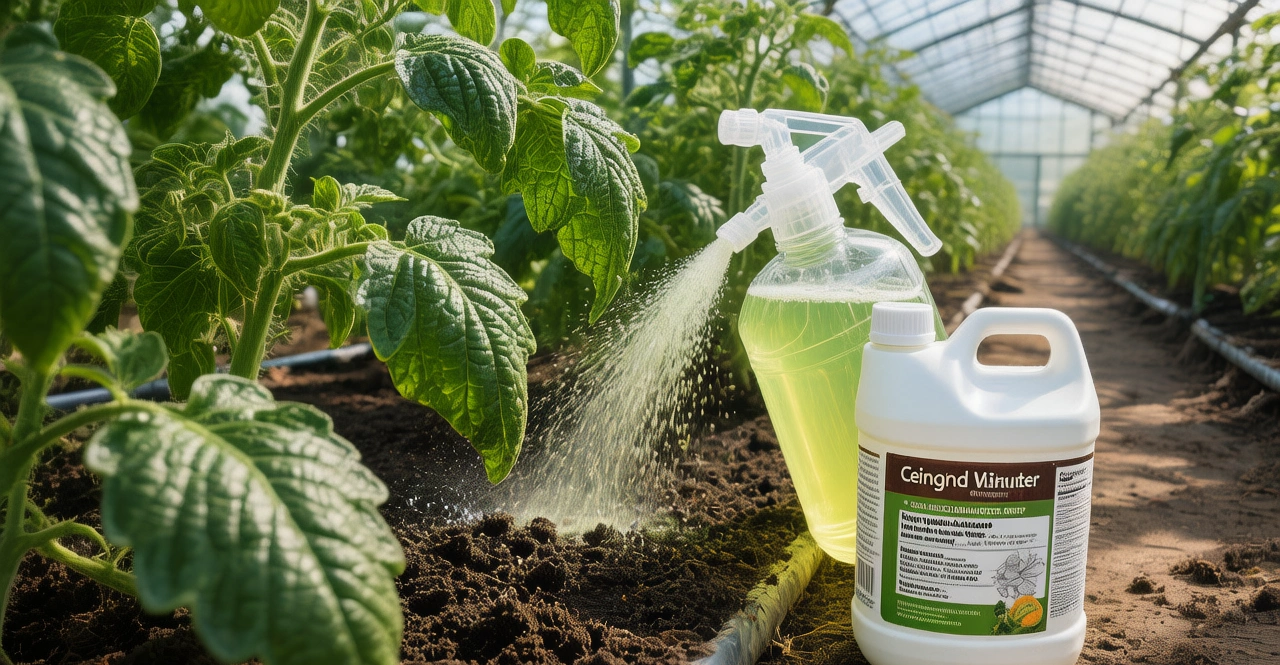
Neem oil or insecticidal soap for soft-bodied bugs
Row covers to block flying insects
Companion planting (e.g., marigolds with tomatoes) to repel pests
Weed Without Chemicals
Use mulch (straw, wood chips) to smother weeds. Hoe or hand-pull larger ones. For large areas, a flame weeder (propane-powered) zaps weeds without disturbing soil. This keeps your organic farming system chemical-free.
Equipment for Organic Farming
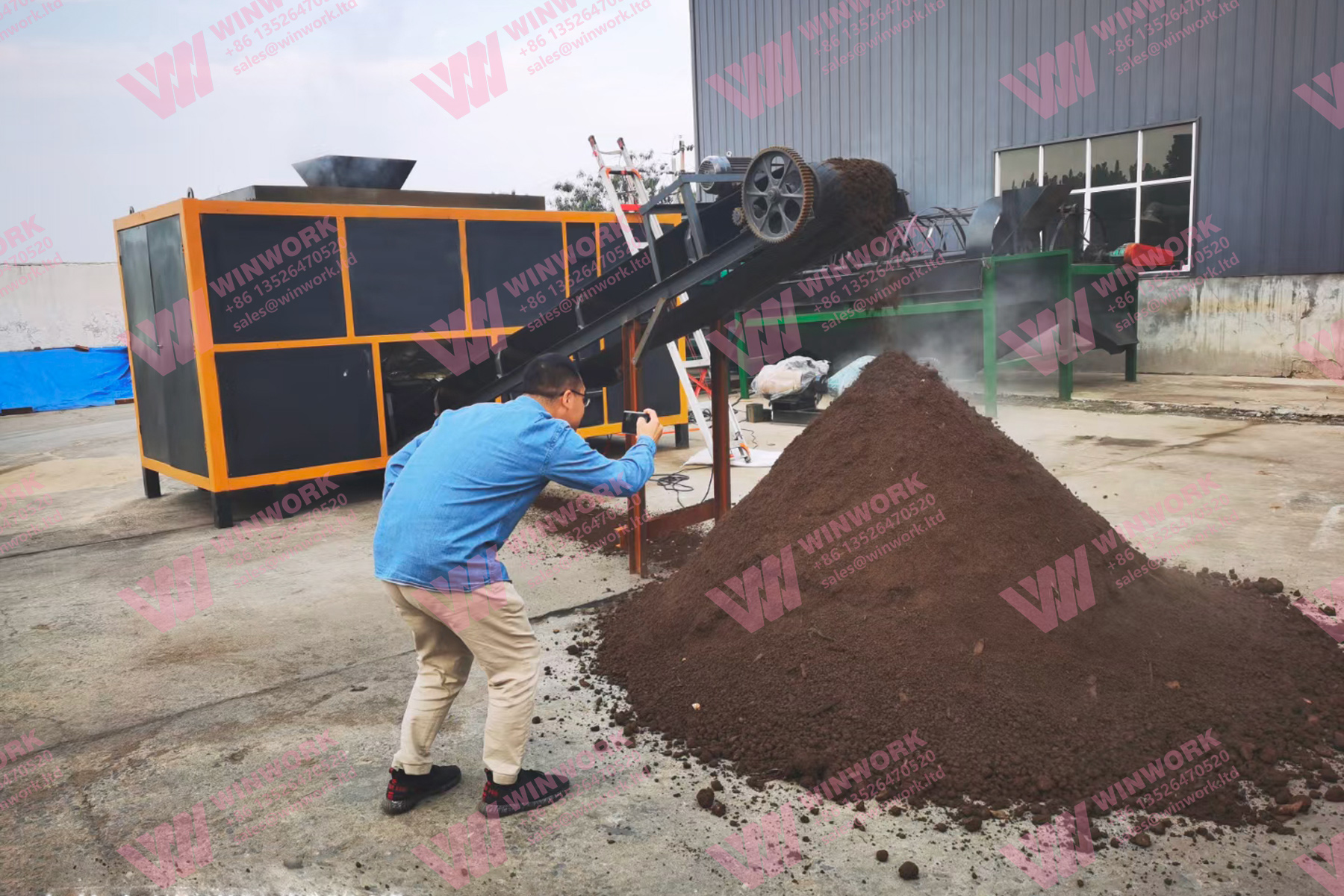
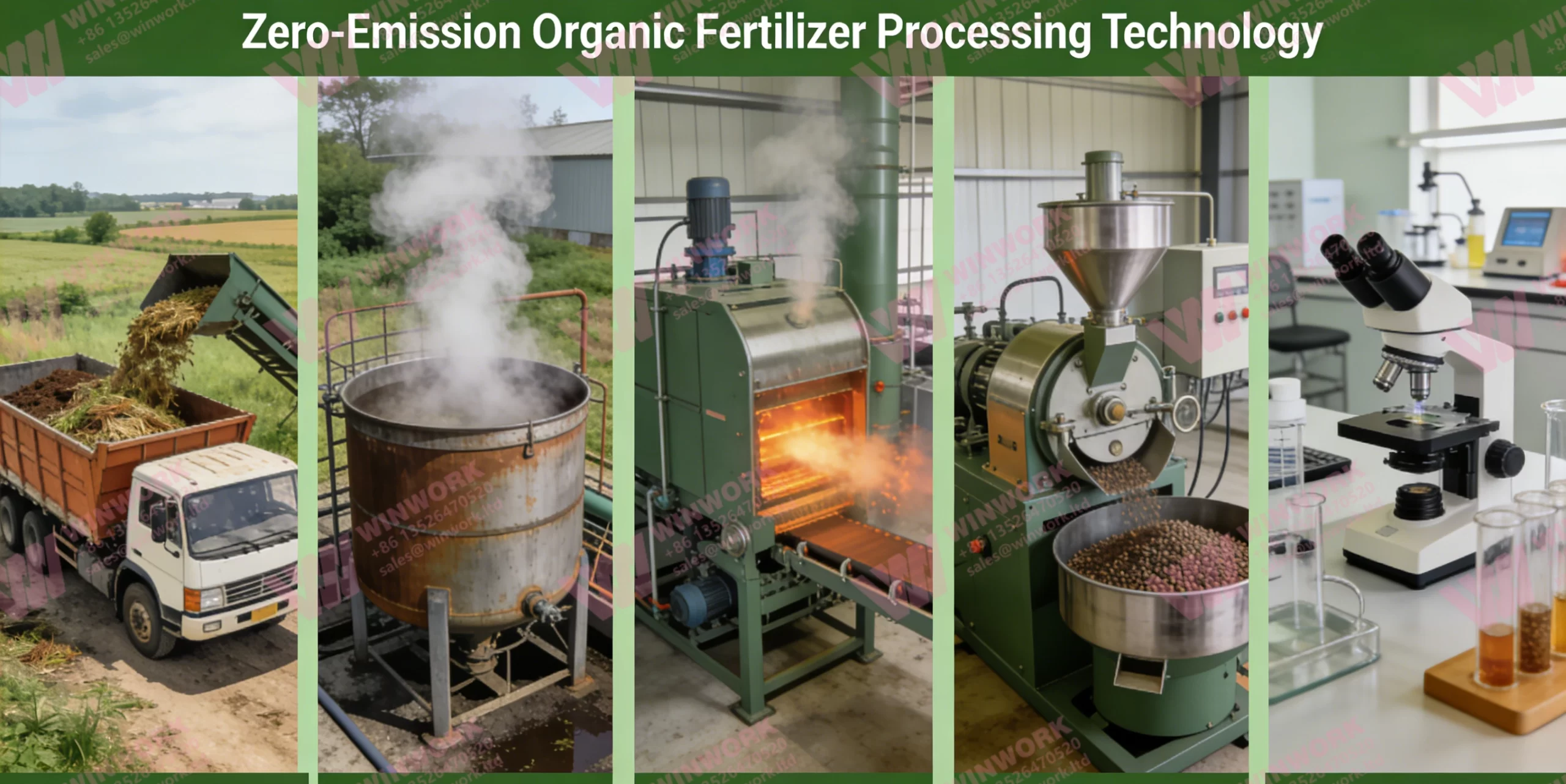
Just start from small, first you need treat with materials to produce your organic fertilizer and then to cover the whole organic farming. You raw materials may include these things.
Animal waste: chicken dung, cow dung, horse dung, sheep dung, animal hair, etc.
Agricultural waste: plant straw (corn stalks, wheat straw, etc.), rice husk, rice straw, grass ash, etc.
Industrial waste: medicine residue, sugar residue, soybean meal, cotton meal, cassava residue, wine lees, oil residue, etc.
Municipal waste: sludge, kitchen waste and so on.
The above organic raw materials can be manufactured through a series of organic fertilizer processing, not only to reduce the harm caused by the accumulation of such harmful substances, but also to turn waste into treasure and environmental protection, is a new trend in agricultural development.
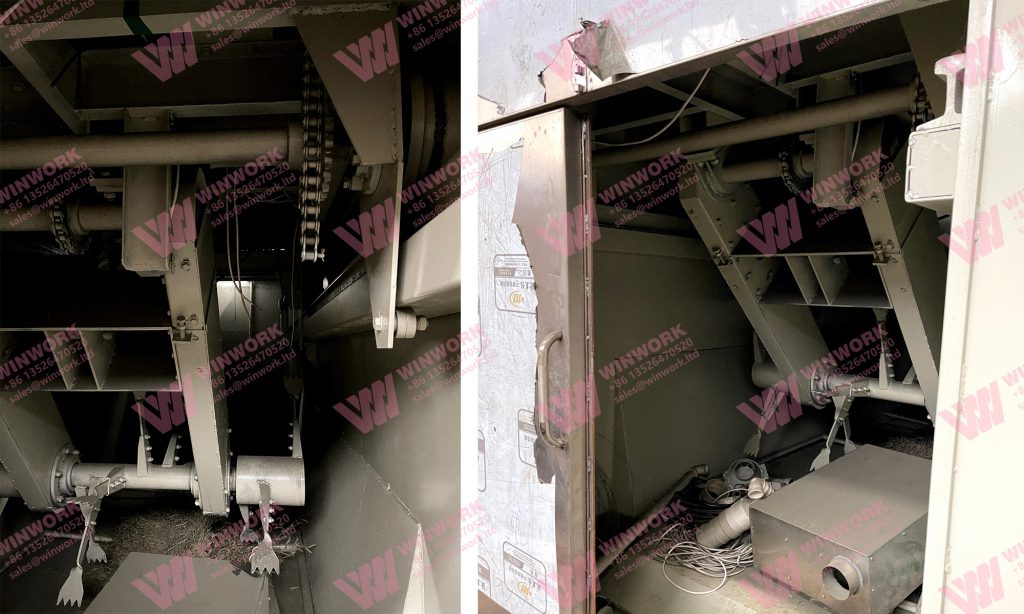
The Horizontal Fermentation Tank is a state-of-the-art equipment designed for the effective aerobic fermentation of organic waste, agricultural residues, sludge, and other compostable materials. Unlike vertical tanks, the horizontal design allows for larger capacity and more uniform fermentation.
Horizontal crusher, also known as horizontal semi-wet material crusher, is a kind of crushing equipment specially designed to deal with high humidity, organic materials, especially suitable for organic fertilizer production in the material pre-treatment.
Horizontal crusher adopts a unique double-stage rotor structure, can effectively deal with high humidity materials, such as livestock and poultry manure, city garbage, crop residues and so on. It has high crushing efficiency, even material size, no blockage, no sticking phenomenon, and is one of the indispensable key equipments in organic fertilizer production line.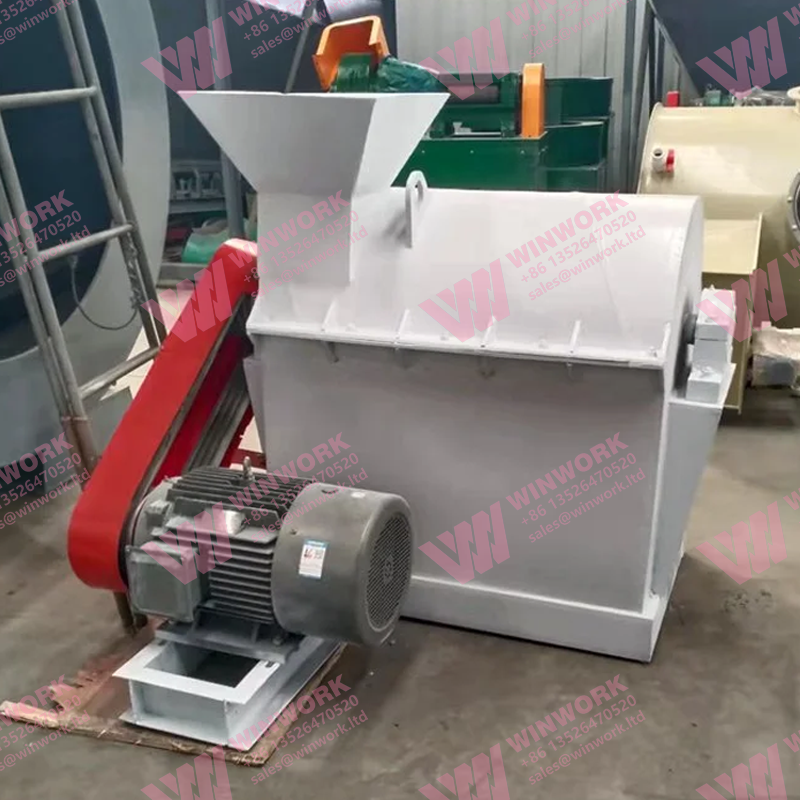
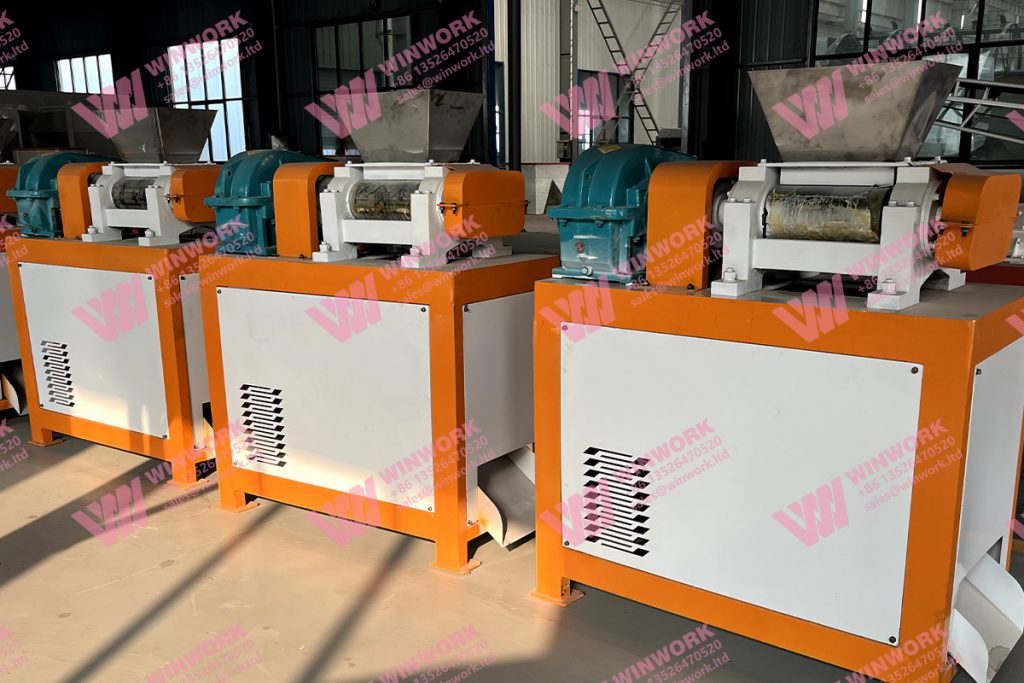
And the final also the essential way is to granulate your prepared products.
Prepare the raw materials required for the roller granulator (such as powdered organic fertilizer, compound fertilizer, graphite, etc.) and feed them into the roller granulator through the feed hopper. Through the rotation of the screw rod, the material is forced to be extruded between the two rollers at the bottom. And then you can achieve your granules.
Real Farm Example
The Wangs switched to organic farming five years ago after their son developed skin rashes from pesticide exposure. They started with a $1,800 compost turner, began planting cover crops, and used neem oil for aphids. Today:
Their soil has 30% more organic matter
Pest problems dropped by 60% (thanks to ladybugs and rotation)
They sell organic veggies at a 20% premium, earning $8,000 more annually
“Organic farming is harder work, but seeing healthy soil and happy customers makes it worth it,” says Mr. Wang.
FAQ
Q1: Is organic farming more expensive?
A: Initial costs (seeds, compost) are higher, but you’ll save on chemical inputs. Over 3–5 years, soil health improves, reducing water and fertilizer needs.
Q2: How do I get certified organic?
A: Certification requires 3 years of organic practices, detailed records, and inspections. Costs vary by region but start at $500/year. Small farms can sell as “uncertified organic” locally.
Q3: Can I use manure in organic farming?
A: Yes! But it must be composted first to kill pathogens. Fresh manure burns plants and introduces weed seeds.
Q4: How do I control diseases without fungicides?
A: Use resistant varieties, avoid overhead watering, and apply compost tea (rich in beneficial microbes). Crop rotation also breaks disease cycles.
Q5: Is organic farming less productive?
A: Not always! With healthy soil and good management, yields can match conventional farms. Long-term, organic farming builds resilience against droughts and pests.
Q6: What if pests destroy my crops?
A: Diversify! Plant trap crops (e.g., mustard for flea beetles) to lure pests away. Use physical barriers (row covers) and encourage predators.
Q7: Can I do organic farming in small spaces?
A: Absolutely! Container gardens, raised beds, and vertical farming all work. Use compost, mulch, and natural pest controls.
Q8: How do I make compost?
A: Mix 3 parts “browns” (straw, leaves) with 1 part “greens” (manure, kitchen scraps). Keep it moist, turn weekly, and wait 2–3 months.
Q9: Are organic seeds hard to find?
A: No! Many seed companies (e.g., Baker Creek, High Mowing) specialize in organic, non-GMO seeds.
Q10: How long does it take to see results?
A: Soil health improves in 6–12 months. Pest and disease control gets easier after 1–2 years of organic farming practices.
Conclusion
Organic farming is a journey, not a quick fix. It requires patience, observation, and a willingness to work with nature. But the rewards—healthy soil, nutritious food, and a cleaner environment—are worth it. By using compost, crop rotation, and natural pest controls, you can build a thriving farm that sustains both people and the planet. Whether you’re starting with a backyard plot or a 10-acre field, the principles of organic farming are the same: nurture the land, and it will nurture you.
For more details, please feel free to contact us.
Email: sales@lanesvc.com
Contact number: +8613526470520
Whatsapp: +8613526470520
Get A Quote