

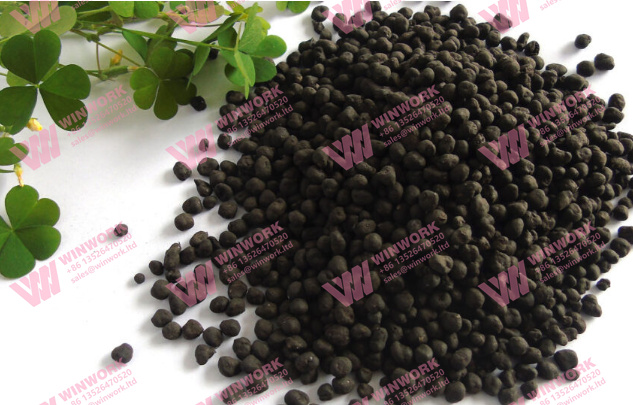
Introduction: The Need for Organic Fertilizer in Africa
Agriculture plays a vital role in Africa’s economic growth and food security. However, many regions continue to face soil degradation, rising fertilizer costs, and increasing pressure to manage agricultural waste. In this context, an organic fertilizer production line for Africa has emerged as a practical and sustainable solution.
Organic fertilizer not only improves soil structure and nutrient balance but also helps farmers reduce dependence on imported chemical fertilizers. With abundant raw materials such as livestock manure, crop residues, and organic waste, Africa has strong potential for localized organic fertilizer production.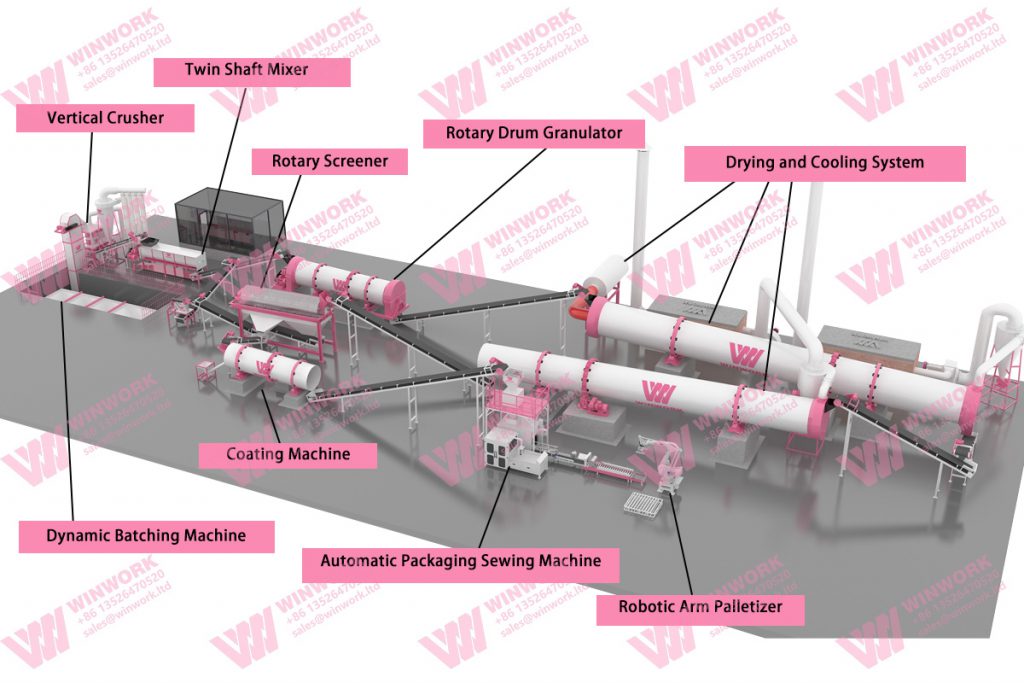
What Is an Organic Fertilizer Production Line for Africa
An organic fertilizer production line for Africa is a complete set of equipment designed to process organic waste into marketable fertilizer pellets or powder. The production process typically includes fermentation, crushing, mixing, granulation, drying, cooling, screening, and packaging.
This production line is specially designed to adapt to African conditions, including climate, power supply, labor availability, and commonly used raw materials. It can be configured for small, medium, or large-scale fertilizer plants depending on investment goals.
Key Raw Materials Used in Africa
One major advantage of installing an organic fertilizer production line for Africa is the wide availability of raw materials. Commonly used materials include:
- Chicken manure and cow dung
- Sheep and goat manure
- Crop straw and agricultural residues
- Food processing waste
- Organic municipal waste
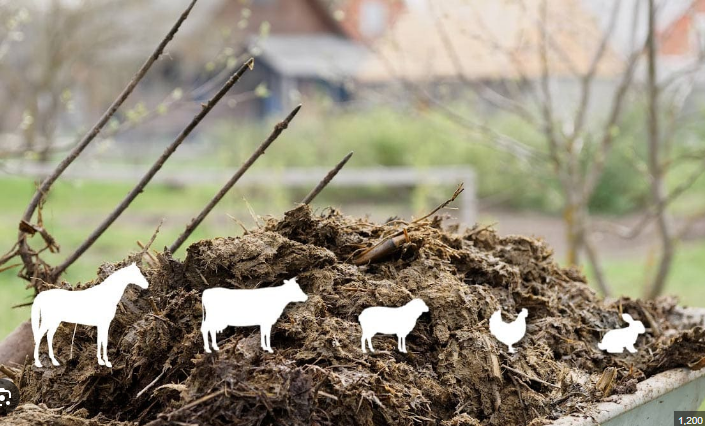
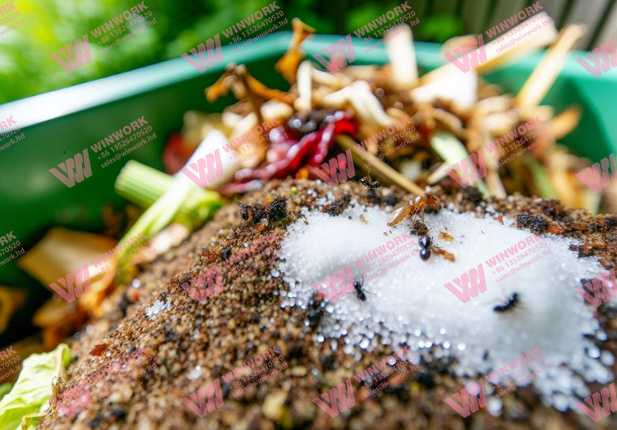
These materials are often underutilized or treated as waste. Processing them into organic fertilizer adds value while reducing environmental pollution.
Production Process and Equipment Configuration
A standardorganic fertilizer production line for Africa follows a systematic and efficient workflow:
- Fermentation system to decompose organic matter and eliminate pathogens
- Crushing equipment to achieve uniform particle size
- Mixing system to balance nutrients
- Granulation machine to form fertilizer pellets
- Drying and cooling system to improve pellet strength
- Screening and packaging for final product preparation

This modular design allows manufacturers to customize the production line according to capacity requirements and local market demand.
Benefits of Organic Fertilizer Production Line for Africa
Investing in an organic fertilizer production line for Africa offers multiple advantages:
- Reduces fertilizer import dependency
- Converts waste into profitable fertilizer products
- Improves soil fertility and crop yield
- Supports eco-friendly and sustainable farming
- Creates local employment opportunities
Organic fertilizer is especially suitable for Africa’s long-term agricultural development, as it improves soil health rather than causing nutrient imbalance.
Suitable Scale for African Investors
An organic fertilizer production line for Africa can be designed for different investment levels:
- Small-scale production lines for cooperatives and local farms
- Medium-scale lines for regional fertilizer suppliers
- Large-scale lines for commercial fertilizer manufacturers
This flexibility makes organic fertilizer production accessible to both private investors and government-supported agricultural projects.
Market Potential
Demand for organic fertilizer continues to grow across Africa due to increasing awareness of sustainable agriculture and soil conservation. Governments and agricultural organizations are encouraging local fertilizer production to improve food security.
With proper planning and technical support, an organic fertilizer production line for Africa can achieve stable returns while contributing to environmental protection and rural development.
Choosing the Right Organic Fertilizer Production Line Supplier
To ensure long-term success, it is essential to work with an experienced equipment manufacturer who understands African market conditions. A reliable supplier can provide:
- Customized equipment solutions
- Installation and commissioning support
- Operator training
- Long-term technical service
Selecting the right organic fertilizer production line for Africa ensures efficient production, consistent fertilizer quality, and sustainable plant operation.
FAQ About Organic Fertilizer Production Line for Africa
1. Can one production line process different types of organic waste?
Yes. An organic fertilizer production line for Africa can process various organic materials, including animal manure, crop residues, and food waste. Equipment settings can be adjusted to match different raw material characteristics.
2. What fertilizer forms can be produced using an organic fertilizer production line for Africa?
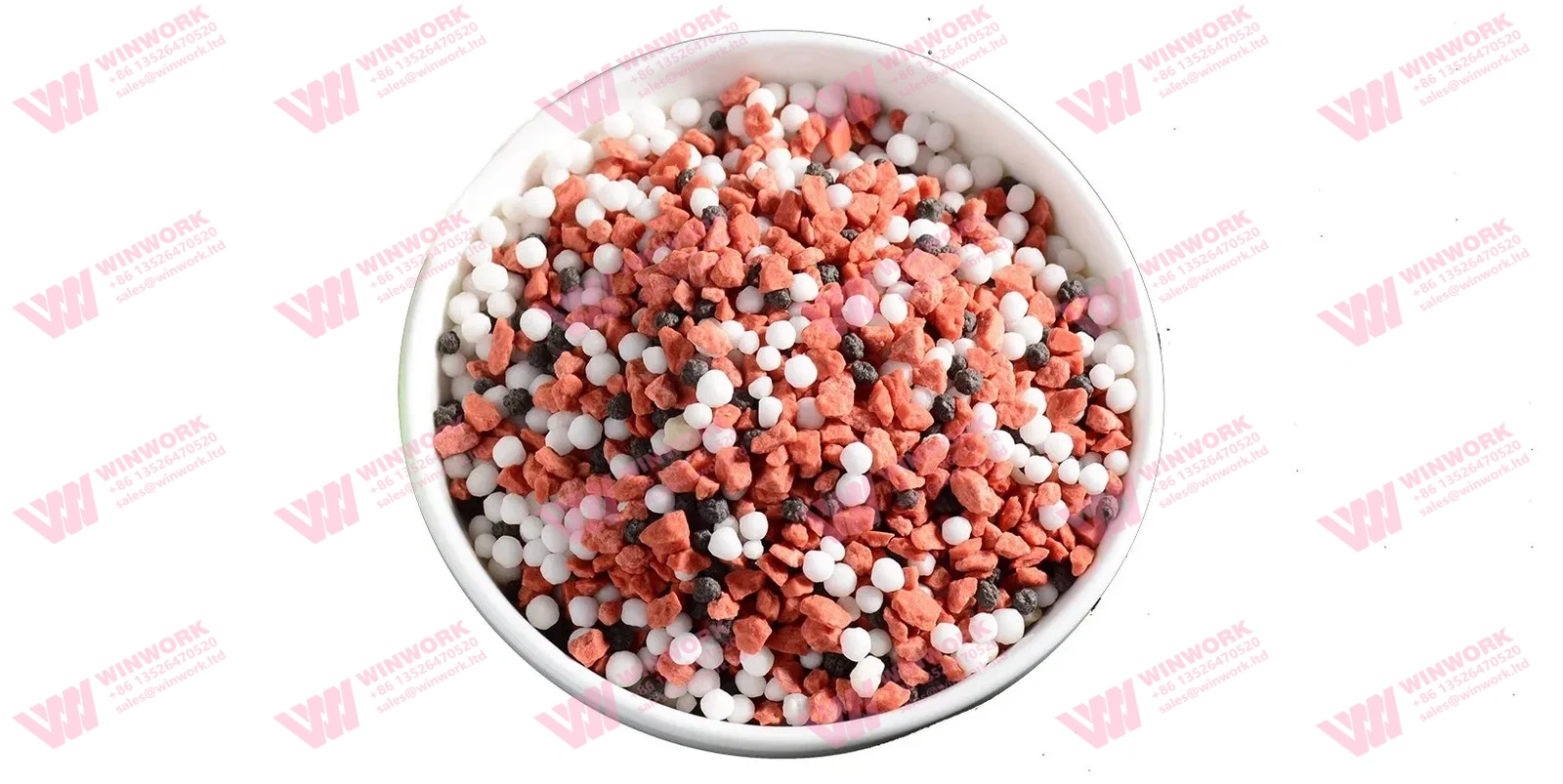
The production line can produce powdered fertilizer or granular fertilizer. Granular organic fertilizer is often preferred due to its ease of storage, transportation, and application.
3. What support should be expected from a production line supplier?
A reliable supplier should provide equipment customization, installation guidance, operator training, and long-term technical support to ensure stable and continuous fertilizer production.
4. Can an organic fertilizer production line for Africa operate with unstable power supply?
Yes. Many systems are designed with energy-efficient motors and can be configured with backup power solutions. Semi-automatic options are also available for regions where power supply is inconsistent.
Conclusion
An organic fertilizer production line for Africa is a strategic solution for converting organic waste into valuable agricultural inputs. By combining environmental protection with economic benefits, this technology supports sustainable farming practices and strengthens local fertilizer production. As demand for organic fertilizer continues to grow, this solution will play an increasingly important role in Africa’s agricultural future.
For more details, please feel free to contact us.
Email: sales@lanesvc.com
Contact number: +8613526470520
Whatsapp: +8613526470520
Get A Quote