

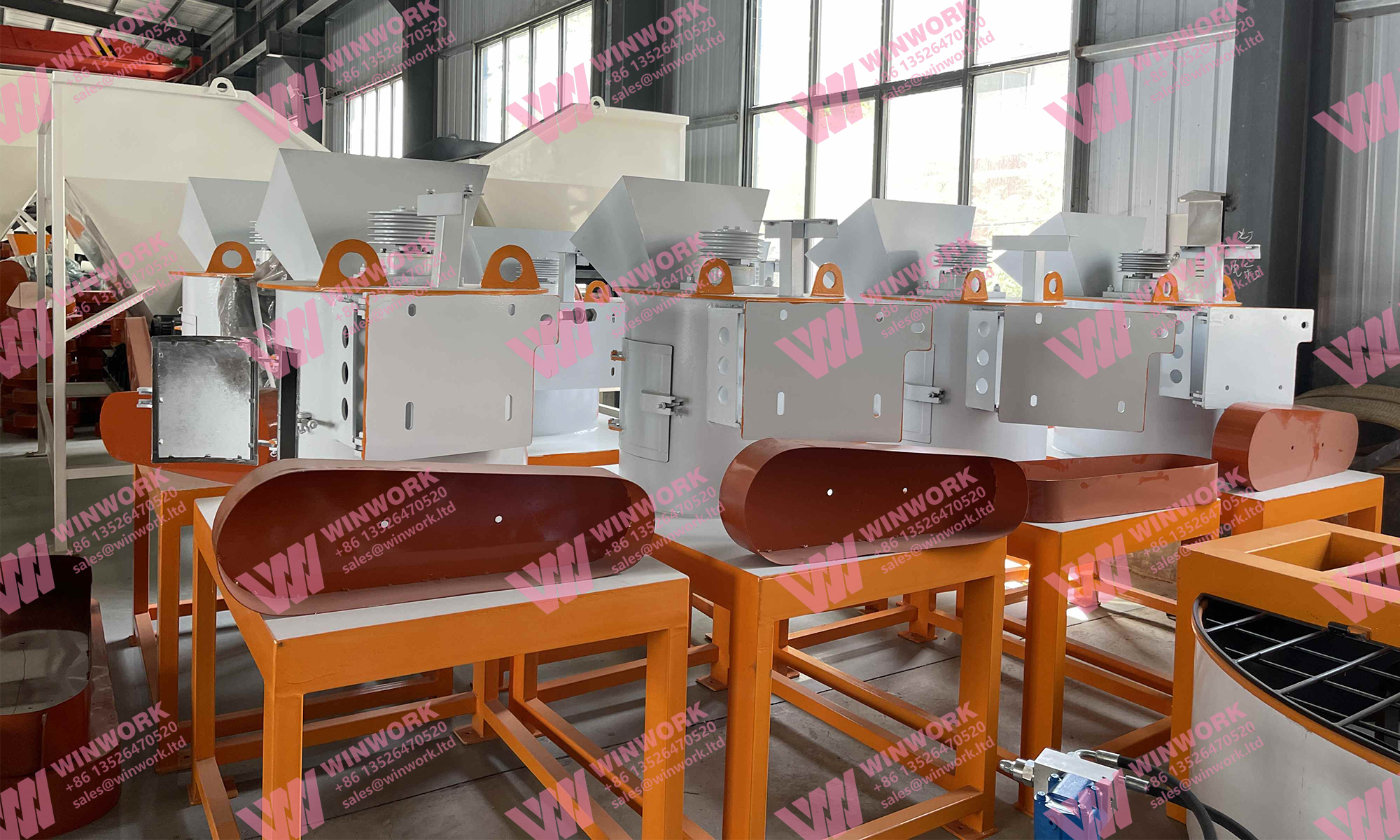
The Importance of Raw Material Crushing in Organic Fertilizer Production
Raw material pretreatment is a key stage in organic fertilizer manufacturing. Organic materials often vary widely in size, moisture content, and structure, which directly affects subsequent processes such as mixing, granulation, and drying. A properly selected organic fertilizer raw material crusher ensures consistent particle size, smoother material flow, and more stable production performance.
Without effective crushing, oversized or uneven materials can lead to poor granulation quality, increased equipment wear, and higher energy consumption. For this reason, crusher selection should be based on real material conditions rather than output capacity alone.
Key Material Characteristics That Affect Crusher Selection
Before choosing an organic fertilizer raw material crusher, producers should evaluate several important material properties.
Moisture content is one of the most critical factors. Fresh animal manure, kitchen waste, and sludge typically contain high levels of moisture, which can cause clogging if the crusher design is not suitable. Fiber content is another consideration, especially for materials such as straw, sawdust, or crop residues that require cutting and tearing action. In addition, material hardness and impurity content may influence crusher wear resistance and structural strength.
Matching crusher type to material characteristics improves crushing efficiency and reduces long-term operating costs.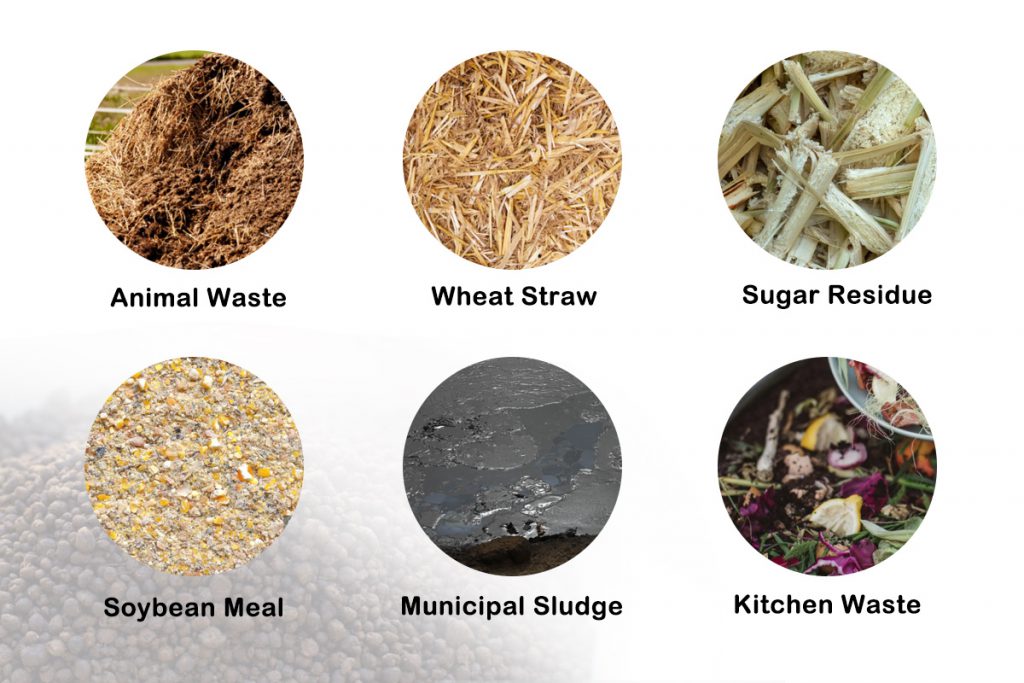
Cage Crusher for Dry and Powdery Organic Materials
Cage crushers are commonly used when processing dry or semi-dry organic materials. This type of organic fertilizer raw material crusher relies on high-speed rotating steel cages to generate impact force, breaking materials into fine particles.
Cage crushers are well suited for fermented organic fertilizer, composted manure with low moisture content, and organic-inorganic blended materials. They offer uniform output particle size and high crushing efficiency, making them ideal for powdered fertilizer production or granulation preparation.
However, cage crushers are less suitable for high-moisture or sticky materials. Excessive moisture can reduce impact efficiency and increase wear, so proper material pretreatment is recommended when using this crusher type.
Vertical Crusher for High-Moisture Organic Materials
Vertical crushers are widely applied in organic fertilizer plants that process wet and fibrous materials. With a vertical structure and internal rotating blades, materials fall naturally into the crushing chamber, where they are repeatedly cut and crushed.
A vertical organic fertilizer raw material crusher performs particularly well with cow manure, poultry manure, kitchen waste, and semi-fermented organic waste. Its design reduces material adhesion and helps prevent blockage, allowing stable continuous operation even under high-moisture conditions.
Vertical crushers also handle mixed organic materials effectively, making them a flexible option for plants with variable raw material sources.
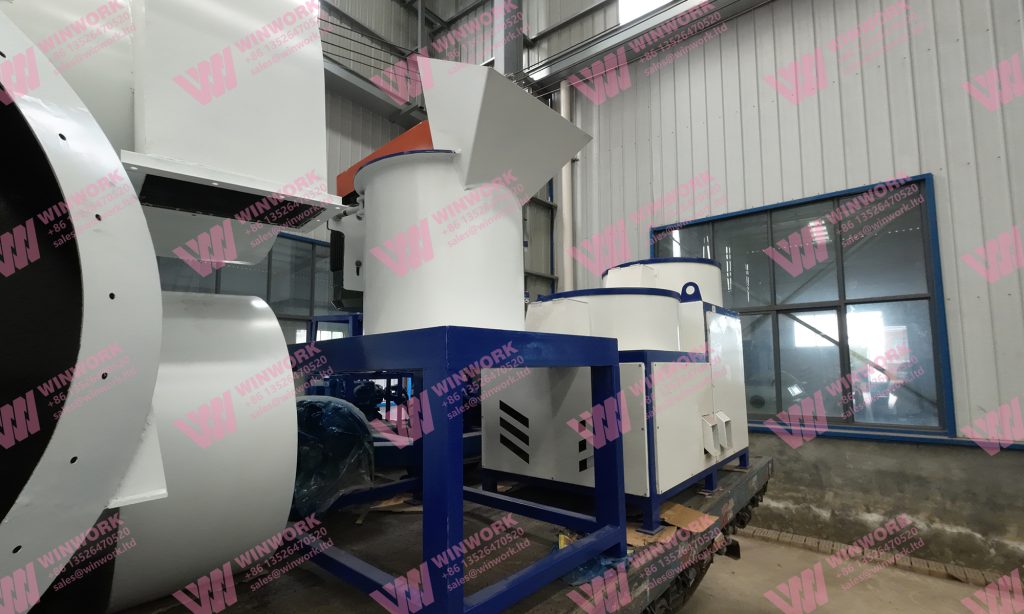
Vertical Crusher Shipments
Double-Shaft Crusher for Hard and Complex Materials
Double shaft crushers feature two crushing chambers arranged in sequence. Materials are first crushed coarsely in the upper chamber and then finely crushed in the lower chamber.
This type of organic fertilizer raw material crusher is suitable for hard, compacted, or impurity-containing organic materials. It is often used for aged compost, organic waste mixed with soil, or fertilizer materials containing mineral additives.
The dual shaft design improves crushing efficiency without requiring additional screening equipment, helping maintain stable output even when raw material conditions change.
Matching Crusher Types with Common Organic Materials
Different organic materials require different organic fertilizer raw material crushers because their physical properties vary significantly in moisture level, fiber structure, and bulk density. Selecting the right crushing equipment based on these differences helps maintain stable operation and consistent output quality.
Livestock manure is best processed using vertical crushers due to its high moisture content and relatively soft texture. Vertical crushers allow wet materials to fall freely into the crushing chamber, reducing adhesion and minimizing the risk of clogging during continuous operation. Composted organic fertilizer, which is usually drier and more brittle, benefits from cage crushers. Cage crushers generate strong impact force, producing fine and uniform particle size that supports efficient mixing and granulation.
Crop straw and fibrous residues contain long fibers that are difficult to break using simple impact crushing. Vertical crushers or double shaft crushers provide stronger cutting and tearing action, improving crushing efficiency. Mixed organic waste with impurities or hardened components is well suited for double shaft crushers, which offer higher crushing strength and better adaptability to variable material conditions. Selecting the appropriate organic fertilizer raw material crusher based on material characteristics ensures smoother downstream processing and higher overall production efficiency.
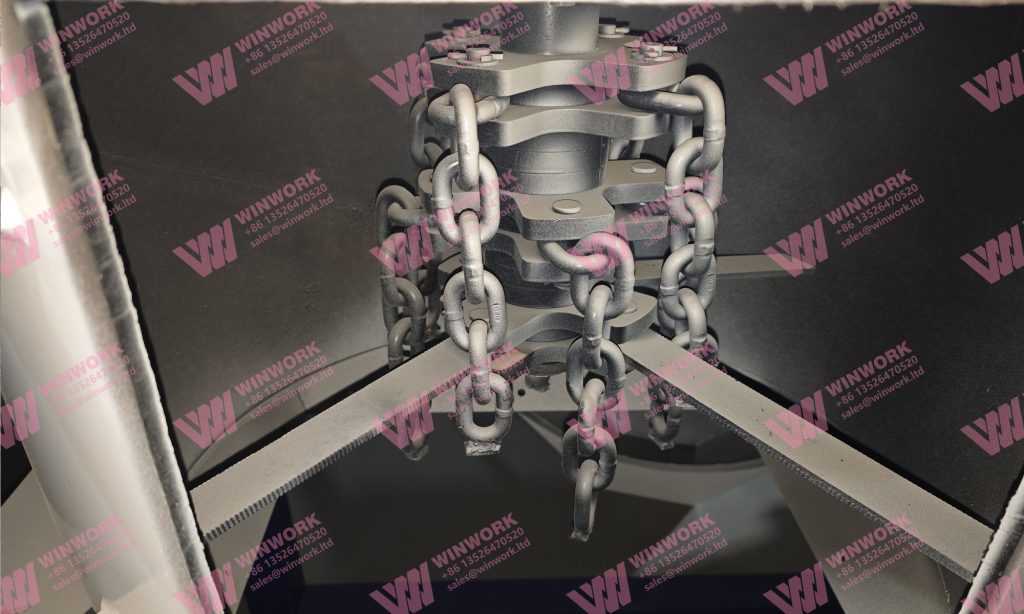
Internal chains and blades
Operation and Maintenance Considerations
In addition to crushing performance, maintenance and energy efficiency should be considered. Crushers with simple structures and wear-resistant components reduce downtime and maintenance costs. A well-matched organic fertilizer raw material crusher also operates with lower energy consumption, supporting long-term cost control.
Routine inspection, proper feeding control, and timely replacement of wear parts further extend organic fertilizer raw material crusher service life and maintain stable output.
Conclusion About Organic Fertilizer Raw Material Crusher
Choosing the right organic fertilizer raw material crusher plays a vital role in organic fertilizer production. Cage crushers, vertical crushers, and double-shaft crushers each serve different material conditions and processing needs. By carefully analyzing raw material properties and production requirements, fertilizer producers can select suitable crushing equipment that improves efficiency, enhances product quality, and supports sustainable plant operation.
For more details, please feel free to contact us.
Email: sales@lanesvc.com
Contact number: +8613526470520
Whatsapp: +8613526470520
Get A Quote