

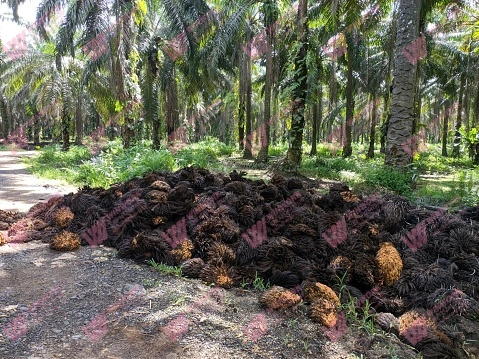
Introduction about Palm Waste Compost Equipment in Malaysia
Malaysia remains one of the largest palm oil producers globally, and this status brings both economic opportunity and environmental responsibility. Large-scale plantation and milling operations generate continuous streams of palm biomass, including empty fruit bunches, palm fronds, mesocarp fibers, and shells. Managing these materials efficiently is critical for maintaining sustainability standards and operational efficiency.
The adoption of palm waste compost equipment in Malaysia provides a structured solution for transforming agricultural residues into valuable organic compost. Rather than treating palm biomass as a disposal challenge, plantations can integrate composting systems into their nutrient management strategies. This shift improves soil fertility, enhances long-term plantation productivity, and strengthens environmental compliance across the industry.
The Importance of Structured Biomass Management
Palm plantations operate across vast land areas in Malaysia, and the accumulation of organic residues can quickly become difficult to manage without proper systems. Through the use of palm waste compost equipment in Malaysia, plantation operators gain the ability to process large quantities of biomass in a controlled and efficient manner.
Mechanical composting accelerates natural decomposition by optimizing aeration, moisture distribution, and microbial activity. When properly managed, palm residues are converted into stable organic fertilizer with consistent nutrient content. Compost produced through palm waste compost equipment in Malaysia supports soil regeneration and contributes to long-term agronomic stability.
This structured approach not only improves plantation self-sufficiency but also aligns with national sustainability goals aimed at reducing open burning and minimizing environmental impact.
Technical Features of Modern Composting Equipment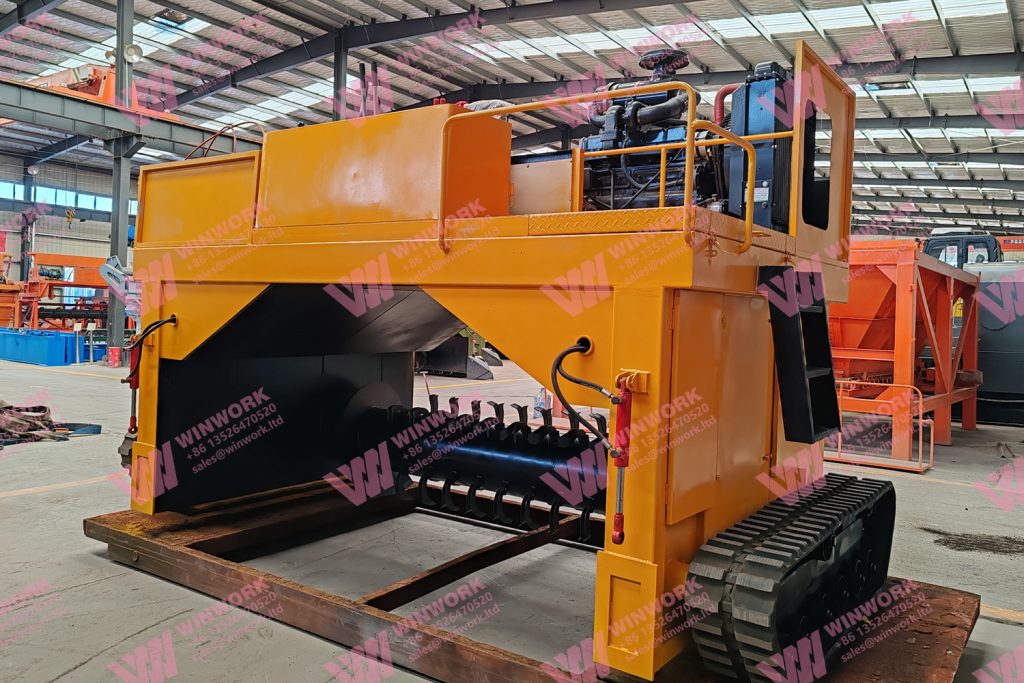
Modern palm waste compost equipment in Malaysia is engineered to perform reliably under tropical conditions characterized by high humidity and frequent rainfall. Durable construction materials, corrosion-resistant components, and reinforced mechanical systems ensure long service life and stable operation.
Effective aeration is one of the most critical aspects of composting palm biomass. The fibrous nature of palm residues requires thorough turning to allow microorganisms to access and break down organic matter efficiently. Well-designed palm waste compost equipment in Malaysia incorporates strong mixing mechanisms that evenly distribute oxygen and moisture throughout compost windrows.
Operational efficiency is also supported by user-friendly controls and simplified maintenance procedures. Equipment must be capable of handling high daily throughput while minimizing downtime. Energy performance is carefully balanced to achieve maximum productivity without excessive fuel or electricity consumption.
Agronomic Benefits for Malaysian Plantations
The integration of compost derived from palm residues offers significant agronomic advantages. When plantations utilize compost produced by palm waste compost equipment in Malaysia, soil structure improves as organic matter content increases. Enhanced aggregation promotes better root development and water infiltration, which are particularly important in tropical agricultural systems.
Gradual nutrient release from compost contributes to stable crop growth over time. Unlike synthetic fertilizers that may lead to rapid nutrient leaching, compost enhances microbial populations and supports long-term soil fertility. By adopting palm waste compost equipment in Malaysia, plantation operators reduce reliance on external fertilizer inputs and strengthen the resilience of their cropping systems.
Furthermore, compost application contributes to carbon sequestration within soil profiles, supporting climate-friendly agricultural practices. As global markets increasingly emphasize sustainable palm oil production, the ability to demonstrate responsible biomass management becomes a competitive advantage.
Equipment Configurations for Different Scales
Several configurations are commonly integrated into palm waste compost equipment in Malaysia systems to accommodate varying operational scales. Smaller plantation units often rely on rotary tiller-based turning mechanisms, which provide mobility and consistent aeration in compact composting areas. These systems are suitable for moderate biomass volumes and allow flexible deployment.
Medium-scale composting facilities frequently incorporate wheel type compost turners. This design improves mixing efficiency and accelerates fermentation by lifting and redistributing compost materials thoroughly. Such equipment reduces labor intensity while maintaining high compost uniformity.
For large centralized composting operations, chain plate compost turners are widely applied. These machines move along structured tracks and provide systematic turning across extended windrows. Their robust design supports continuous high-capacity processing, making them appropriate for palm oil mills generating substantial biomass volumes.
In industrial-scale settings, crawler type compost turners deliver superior performance in challenging terrain conditions. Mounted on crawler tracks, these machines maintain stability on uneven or wet surfaces, ensuring uninterrupted operation. Each configuration can form part of a comprehensive palm waste compost equipment in Malaysia strategy tailored to plantation size and production goals.
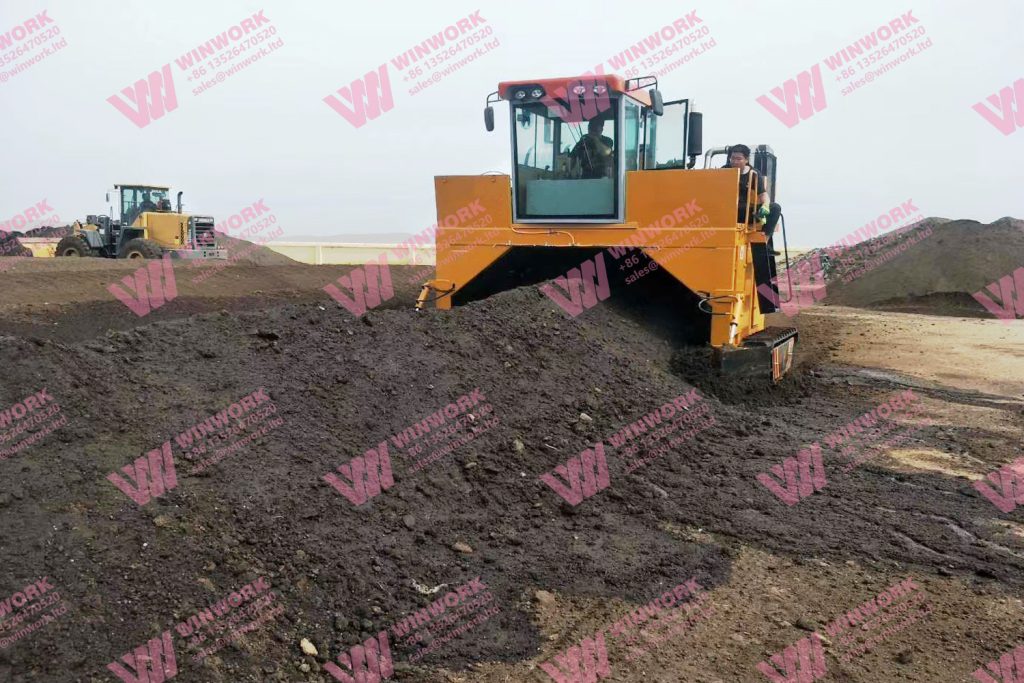
Compost Turner Working Site
Strategic Equipment Selection Considerations
Choosing suitable palm waste compost equipment in Malaysia requires detailed evaluation of plantation requirements. Operators must estimate daily biomass generation rates and align equipment capacity accordingly. Oversized systems may result in underutilization, while undersized machines can create bottlenecks in compost production.
Environmental factors such as rainfall intensity, soil type, and yard layout influence equipment specifications. Corrosion resistance and mechanical strength are essential for long-term reliability. Infrastructure considerations, including power availability and access routes, further determine the most appropriate configuration.
A comprehensive assessment of long-term economic returns is also necessary. Reduced fertilizer expenditures, improved yields, and potential revenue from surplus compost contribute to the overall value proposition of investing in palm waste compost equipment in Malaysia.
Operational Management and Performance Optimization
Effective management practices are essential to maximize the efficiency of palm waste compost equipment in Malaysia. Composting sites should be designed with proper drainage to prevent water accumulation during monsoon seasons. Adequate spacing between windrows ensures safe and efficient machine operation.
Monitoring temperature and moisture levels during fermentation is critical to achieving optimal microbial activity. Turning frequency should be adjusted according to compost maturity and environmental conditions. With consistent management, compost equipment can significantly shorten composting cycles while maintaining nutrient stability.
Routine maintenance, including lubrication and inspection of moving components, extends equipment lifespan and prevents unexpected breakdowns. Skilled operators contribute to stable performance by adhering to recommended operational guidelines.
Environmental and Economic Impact
The use of palm waste compost equipment in Malaysia plays a pivotal role in reducing environmental risks associated with palm biomass disposal. Controlled composting limits greenhouse gas emissions and eliminates the need for open burning practices.
From an economic perspective, converting waste into fertilizer reduces dependency on purchased inputs and strengthens plantation cost efficiency. Some operations may choose to commercialize excess compost, creating additional income streams. By investing in compost equipment, plantations transform waste management into a value-generating activity.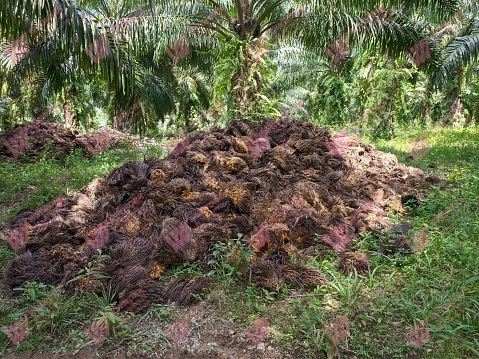
Future Prospects and Industry Development
As Malaysia continues to promote sustainable agricultural frameworks, the importance of efficient biomass utilization grows. The expansion of palm waste compost equipment in Malaysia adoption supports industry-wide efforts to improve environmental performance and resource efficiency.
Technological advancements are expected to enhance automation, digital monitoring, and fermentation control. Integration with precision agriculture tools may allow more targeted compost application, optimizing nutrient management strategies.
Forward-thinking plantations recognize that palm waste compost equipment represents not only an operational improvement but also a strategic investment aligned with long-term sustainability commitments.
Conclusion
The implementation of palm waste compost equipment in Malaysia provides a comprehensive solution for managing palm biomass responsibly and productively. By converting residues into nutrient-rich compost, plantations enhance soil fertility, improve crop performance, and reduce environmental impact.
Through appropriate equipment selection, professional installation, and disciplined operational management, composting systems deliver measurable agronomic and economic benefits. As sustainability expectations continue to rise within global markets, integrating compost equipment becomes an essential component of modern plantation management.
For more details, please feel free to contact us.
Email: sales@lanesvc.com
Contact number: +8613526470520
Whatsapp: +8613526470520
Get A Quote