

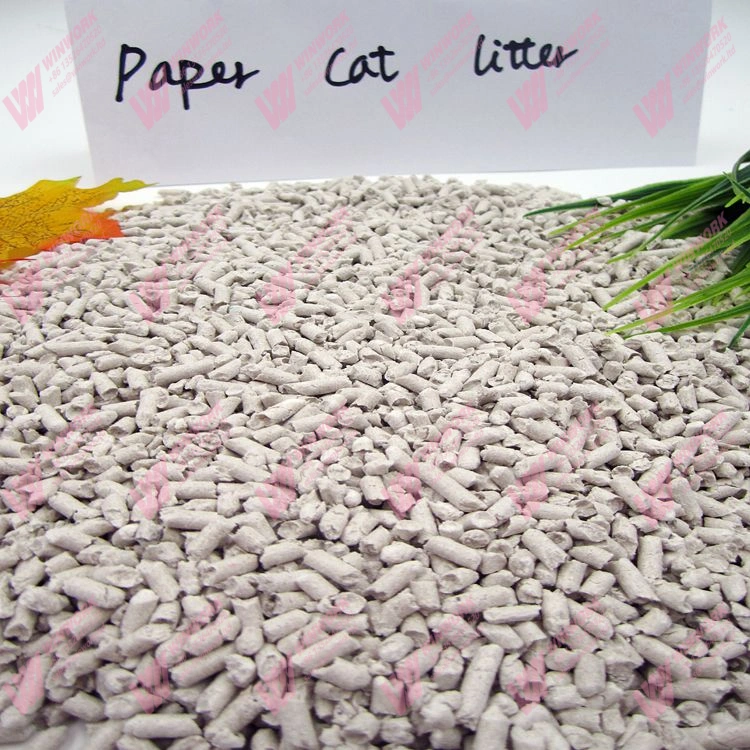
As global demand for sustainable pet products continues to rise, paper-based cat litter has become an increasingly popular alternative to traditional clay and silica gel litter. Made primarily from recycled paper materials, paper cat litter offers advantages such as biodegradability, low dust levels, and lightweight handling. To meet market expectations for quality and consistency, manufacturers are investing in a professional paper cat litter production line that supports efficient, large-scale production, often as part of a broader natural cat litter production line designed for sustainable manufacturing.
A modern paper cat litter production line is not only designed to improve output, but also to significantly reduce raw material waste and operating costs. By optimizing each processing stage, manufacturers can achieve up to 35% waste reduction while maintaining stable pellet quality. This article explains how this cat litter production line works, the key equipment involved, and how manufacturers can choose the right configuration for long-term growth.
Growing Market Demand for Paper Cat Litter Production Line Solutions
Paper cat litter is widely recognized for its environmental benefits. Unlike mineral-based litter, it relies on recycled paper, cardboard, or pulp waste, which aligns with global sustainability goals. As environmental regulations tighten and consumer awareness increases, more brands are introducing paper-based products into their portfolios.
This shift has directly increased demand for reliable paper cat litter production line systems. Manufacturers require production lines that can handle lightweight raw materials, maintain consistent pellet size, and ensure reliable absorbency. Compared with manual or semi-automatic setups, a fully integrated paper cat litter production line allows factories to scale production while keeping quality stable.
Raw Materials Used in a Paper Cat Litter Production Line
The primary raw materials in a paper cat litter production line include recycled newspapers, cardboard, paper pulp, and other paper waste. These materials must be properly sorted and cleaned before processing to avoid impurities that could affect pellet quality.
A well-designed production line is flexible enough to adapt to variations in raw material sources. This flexibility is essential for manufacturers that rely on locally available recycled paper, as fiber composition and moisture content can vary significantly.
Main Processes in a Paper Cat Litter Production Line
A complete paper cat litter production line consists of several interconnected stages. Each step directly affects the quality, consistency, and efficiency of the final product.
- Raw Material Crushing and Feeding
The first stage of this production line focuses on size reduction and material preparation. Crushers break down paper waste into uniform fibers, ensuring smooth processing in later stages.
Automatic feeding systems regulate material flow into the production line, preventing blockages and ensuring stable operation. Consistent feeding is critical for maintaining pellet uniformity and reducing production interruptions.
- Mixing and Moisture Control
Moisture adjustment is a key factor in paper cat litter manufacturing. In this stage, mixers combine shredded paper fibers with water and, in some cases, natural binders.
In a production line, precise moisture control improves pellet bonding and reduces dust generation. Adjustable mixing parameters allow manufacturers to fine-tune the process based on raw material characteristics, improving overall stability.
- Granulation
Granulation is the core process in any paper cat litter production line. Conditioned paper fibers are formed into pellets using disc granulators or rotary drum granulators, depending on production capacity and pellet specifications.
Disc granulators are commonly used for small to medium production lines due to their simplicity and flexibility, while rotary drum granulators are preferred for higher output requirements. Proper granulation ensures consistent pellet size, good absorbency, and acceptable mechanical strength.
- Drying and Cooling Process
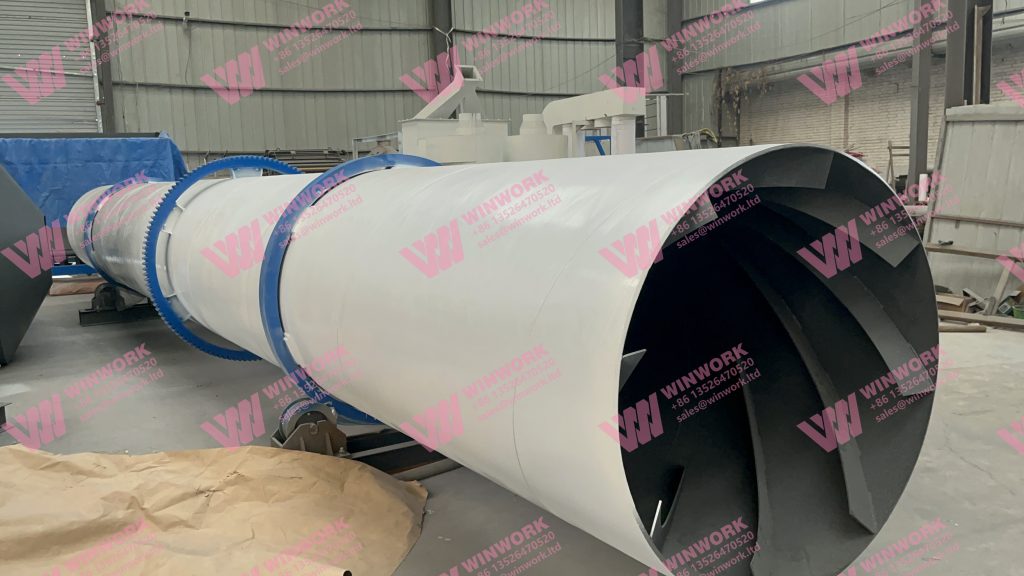
Newly formed pellets contain excess moisture and must be dried to ensure storage stability. Drying systems in a paper cat litter production line use controlled temperatures to remove moisture without damaging pellet structure.
After drying, cooling equipment decreases pellet temperature, preventing deformation during packaging and storage. Efficient drying and cooling systems play a major role in reducing energy consumption and minimizing pellet breakage.
- Screening and Packaging
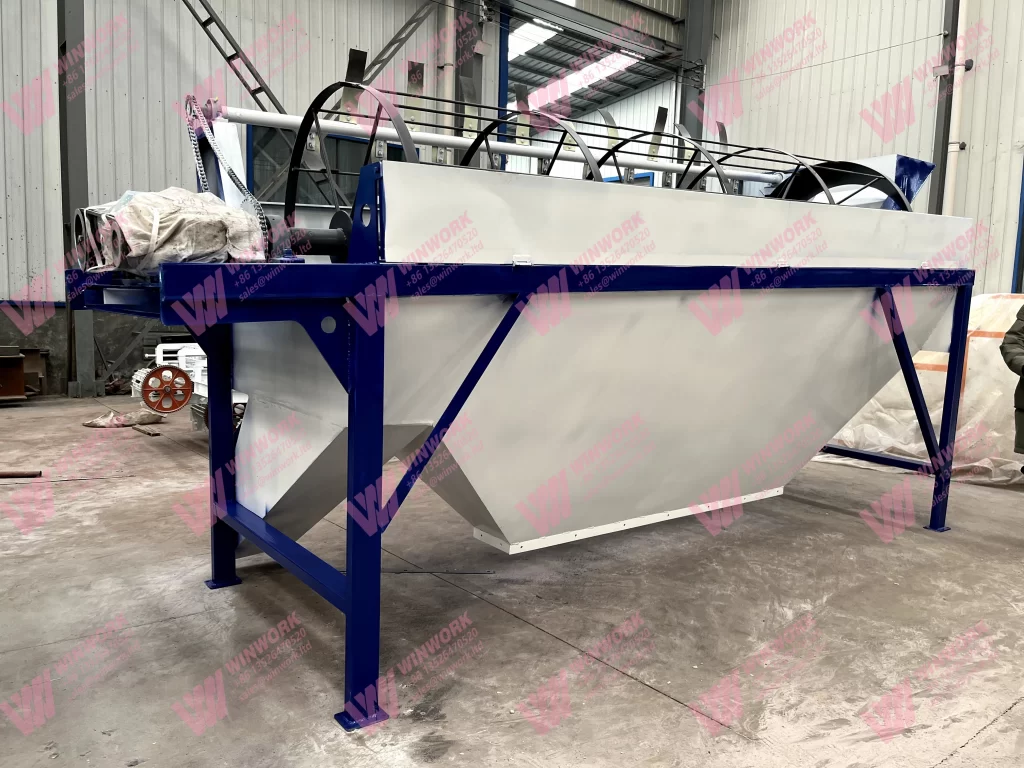
The final stage of this cat litter production line involves screening and packaging. Screening machines separate qualified pellets from fines or oversized particles, which are recycled back into production.
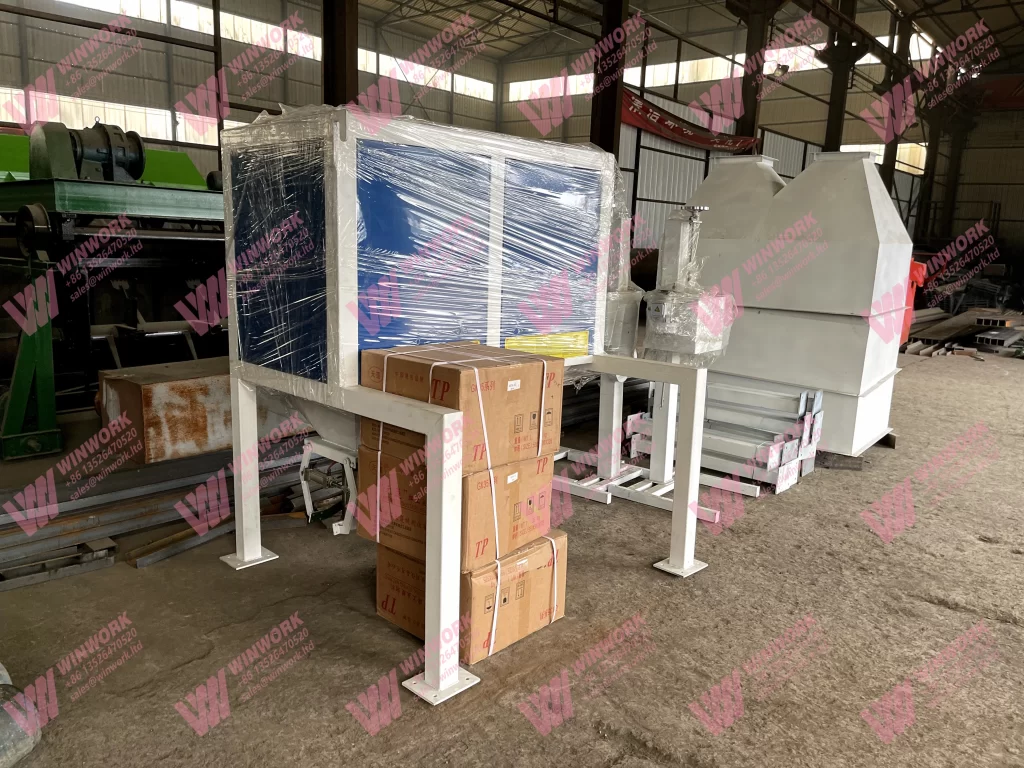
Automatic packaging machines then weigh and bag the finished paper cat litter, ensuring accurate packaging and improved logistics efficiency. This step ensures that only high-quality products reach the market.
Key Equipment in a Paper Cat Litter Production Line
A stable paper cat litter production line typically includes the following equipment:
- Crushers
- Automatic feeding systems
- Mixers
- Disc granulators or rotary drum granulators
- Rotary dryers and cooling machines
- Screening machines
- Automatic packaging systems
Each piece of equipment must be properly integrated to ensure continuous material flow and long-term operational reliability.
Advantages of Using a Paper Cat Litter Production Line
Investing in a professional paper cat litter production line offers multiple advantages for manufacturers:
Waste Reduction: Optimized processing can reduce raw material waste by up to 35%.
Environmental Compliance: Recycled paper materials support sustainability goals.
Low Dust Output: Paper pellets generate less dust than mineral-based litter.
Scalable Production: Modular design allows easy capacity expansion.
Cost Efficiency: Automation reduces labor costs and improves consistency.
These benefits make this cat litter production line an attractive option for manufacturers targeting eco-friendly markets.
Case Example: Paper Cat Litter Production Line Upgrade
A mid-sized manufacturer in Europe upgraded its outdated setup to a modern paper cat litter production line to meet growing market demand.
Before the upgrade, the factory struggled with inconsistent pellet size and high waste rates. After installing a fully automated paper cat litter production line, the company achieved the following results:
- Monthly output increased by 40%
- Raw material waste reduced by 30%
- Energy consumption decreased by 20%
Within one year, the company expanded into new export markets, demonstrating the long-term value of a reliable production line.
How to Choose the Right Paper Cat Litter Production Line
When selecting a paper cat litter production line, manufacturers should focus on factors that affect raw material compatibility, production stability, and long-term operating costs.
Availability and Type of Raw Materials
Different paper-based raw materials require specific crushing and granulation configurations, so raw material stability and sourcing should be evaluated first.
Target Production Capacity
The selected paper cat litter production line should match the planned hourly or daily output to avoid efficiency loss or future capacity limitations.
Desired Pellet Size and Absorbency
Pellet diameter, density, and absorbency requirements determine the choice of granulator and process settings within the production line.
Automation Level and Labor Costs
Higher automation reduces labor dependence, improves consistency, and lowers long-term operating costs in a paper cat litter production line.
Equipment Durability and Supplier Support
Durable equipment and reliable technical support ensure stable operation and reduce downtime during continuous production.
Choosing the right paper cat litter production line from the beginning helps ensure efficient production, stable quality, and sustainable long-term operation.
Frequently Asked Questions about Paper Cat Litter Production Line
- What materials are used in a paper cat litter production line?
A paper cat litter production line mainly uses recycled paper, cardboard, and pulp-based materials. - Is a paper cat litter production line suitable for small factories?
Yes, a paper cat litter production line can be designed for small, medium, or large-scale production. - How long does the production process take?
A paper cat litter production line typically completes one production cycle within several hours. - Does paper cat litter require special drying equipment?
Yes, controlled drying systems are essential in a paper cat litter production line to ensure pellet stability. - Can production capacity be expanded later?
Most modern paper cat litter production line systems are modular and support future expansion.
Conclusion
Paper-based cat litter is becoming a key growth segment in the global pet care market. A well-designed paper cat litter production line enables manufacturers to reduce waste, improve efficiency, and deliver consistent product quality. By investing in the right equipment and process design, manufacturers can achieve sustainable production and long-term competitiveness in an increasingly eco-conscious market.
For more details, please feel free to contact us.
Email: sales@lanesvc.com
Contact number: +86 13526470520
Whatsapp: +86 13526470520
Get A Quote