

Understanding the Role of a Pig Manure Fertilizer Processing Plant
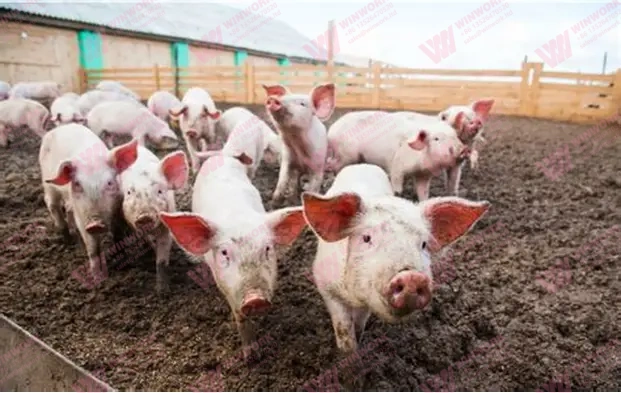
With the rapid development of modern livestock farming, manure management has become a critical environmental and operational issue. A pig manure fertilizer processing plant provides a systematic solution by transforming fresh pig manure into stable, nutrient-rich organic fertilizer suitable for commercial agricultural use.
Fresh pig manure contains high moisture, pathogens, weed seeds, and unstable organic compounds. Direct land application may cause odor problems, nutrient leaching, and environmental contamination. Through controlled treatment and processing, a pig manure fertilizer processing plant eliminates harmful substances while preserving valuable nutrients such as nitrogen, phosphorus, potassium, and organic matter.
By converting livestock waste into commercial fertilizer products, a processing plant not only solves waste disposal challenges but also creates additional income opportunities for farms and fertilizer producers.
Market Demand and Investment Value
The increasing global emphasis on sustainable farming practices has significantly boosted demand for organic fertilizers. Farmers are looking for soil-enhancing inputs that improve soil structure and long-term productivity rather than relying solely on chemical fertilizers.
A plant meets this demand by supplying environmentally friendly fertilizers derived from renewable resources. In many agricultural regions, governments encourage manure recycling through environmental regulations and policy incentives. This regulatory environment further strengthens the investment potential of a pig manure fertilizer processing plant.
When properly planned, such a project can achieve stable production, predictable sales channels, and attractive returns within a reasonable payback period.
Core Processing Flow of a Pig Manure Fertilizer Processing Plant
A complete pig manure fertilizer processing plant integrates multiple systems that work together to ensure stable product quality and efficient operation. Each stage plays a vital role in transforming raw manure into finished fertilizer.
Raw Material Collection and Pretreatment
Fresh pig manure usually contains 65–75% moisture, which is too high for direct composting. Therefore, pretreatment is an essential first stage in a pig manure fertilizer processing plant. Solid-liquid separation equipment reduces moisture content, while carbon-rich materials such as straw, sawdust, rice husk, or crop residues are added to adjust the carbon-to-nitrogen ratio to approximately 25–30:1.
Proper mixing creates a balanced substrate that supports aerobic microbial activity during fermentation. Without effective pretreatment, the efficiency of the entire plant would be compromised.
Composting and Fermentation System
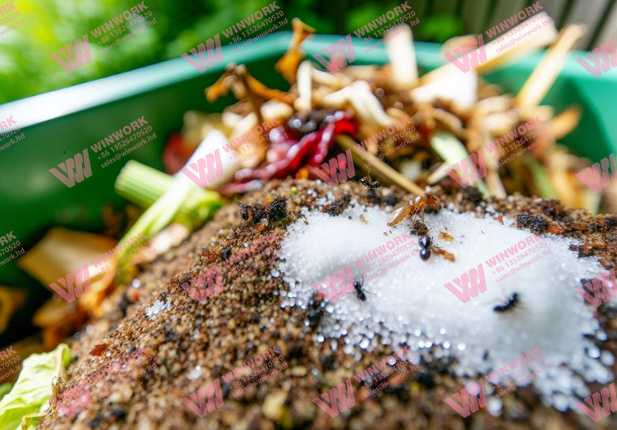
Composting is the central component of a pig manure fertilizer processing plant. During aerobic fermentation, microorganisms break down organic matter and generate heat. The internal temperature of compost piles typically rises to 55–65°C, which effectively kills pathogens, parasite eggs, and weed seeds.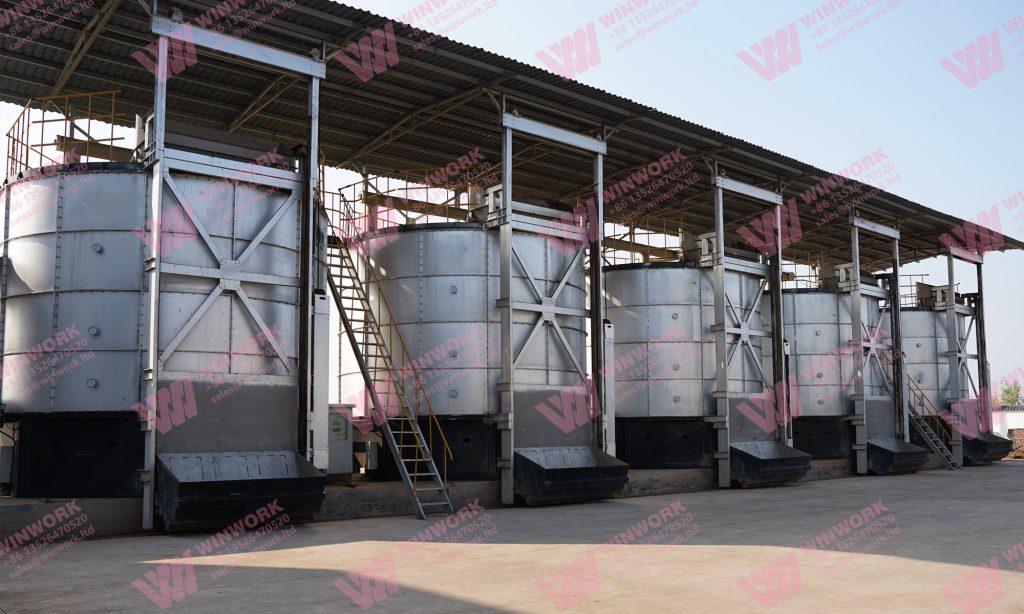
Depending on available space and investment budget, different composting systems can be adopted. Windrow composting is widely used for open-field operations, while groove composting and in-vessel systems offer more controlled environments. Mechanical compost turners ensure adequate oxygen supply and uniform fermentation, improving overall efficiency in the pig manure fertilizer processing plant.
The fermentation period generally lasts between 7 and 15 days, depending on raw material characteristics and climate conditions. After this stage, the material becomes stable, odor-reduced, and suitable for further processing.
Crushing and Screening
Fermented compost may contain lumps and uneven particles. Crushing equipment reduces particle size, ensuring uniform texture and improving the appearance of the final product. Screening machines then separate oversized materials for reprocessing.
This stage enhances product consistency and prepares materials for granulation if required. In a plant focused on high-quality output, crushing and screening significantly improve market acceptance.
Granulation for Commercial Value
Although powdered organic fertilizer can be sold directly, granulated fertilizer is more convenient for storage, transportation, and mechanical spreading. For this reason, many operators choose to include granulation systems in their pig manure fertilizer processing plant.
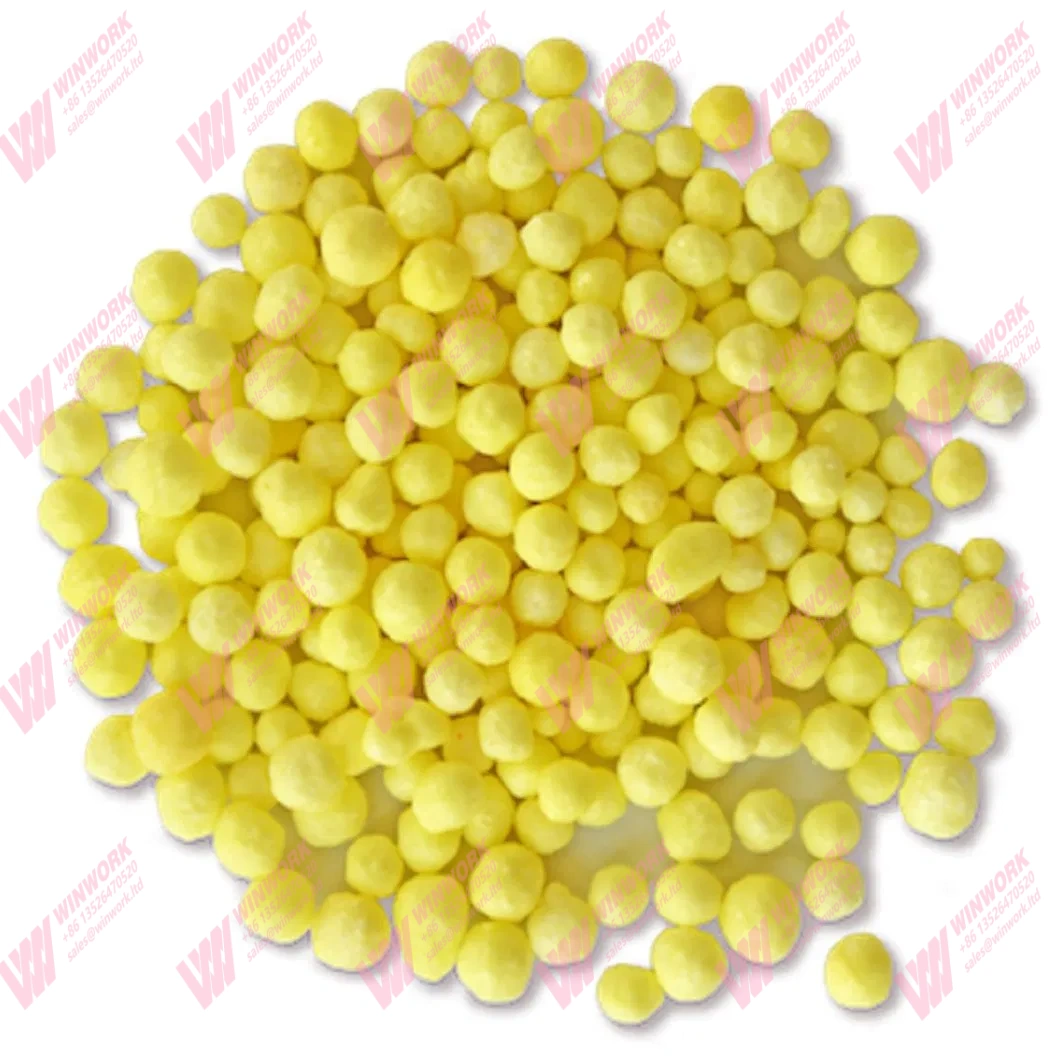
Disc granulators, rotary drum granulators, and double roller extrusion granulators are commonly used depending on capacity requirements and investment scale. Granulation transforms fine compost into uniform particles, usually ranging from 2–5 mm in diameter. This process increases product density and enhances commercial competitiveness.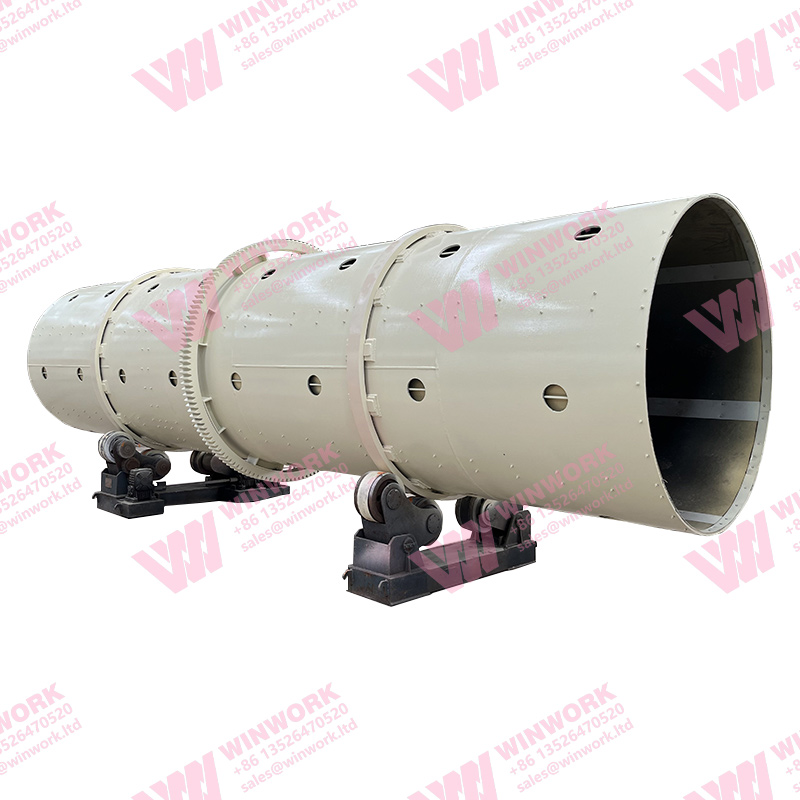
Drying, Cooling, and Final Treatment
After granulation, moisture content may still exceed storage requirements. A drying system reduces moisture to approximately 10–15%, ensuring long-term stability. Cooling equipment follows the drying process to reduce particle temperature and prevent caking during storage.
Dust collection systems are typically integrated into a plant to minimize emissions and maintain environmental compliance. Some producers also apply a coating layer to improve particle appearance and prevent moisture absorption.
Finally, automatic packaging systems weigh and seal the finished fertilizer into standardized bags, ready for distribution.
Equipment Configuration According to Production Scale
The design of a pig manure fertilizer processing plant depends largely on production capacity and target market size. Small-scale facilities, often attached to medium-sized pig farms, focus primarily on composting, crushing, screening, and packaging. These systems require moderate investment and are relatively easy to operate.
Medium-scale operations typically add granulation, drying, and cooling units to increase product value and meet broader market demands. These facilities are suitable for regional fertilizer suppliers seeking higher profit margins.
Large-scale pig plant projects incorporate advanced automation systems, centralized control panels, and comprehensive environmental protection measures. These plants serve commercial fertilizer manufacturers and may operate continuously with higher output capacity.
Technical Factors That Influence Performance
The efficiency of a pig manure fertilizer processing plant depends on several technical parameters. Moisture control remains one of the most critical factors, as excessive water content can slow fermentation and reduce granulation quality. Maintaining a balanced carbon-to-nitrogen ratio ensures optimal microbial activity and stable composting performance.
Temperature monitoring during fermentation is essential to guarantee pathogen elimination. Additionally, effective odor control and dust removal systems contribute to safe and environmentally responsible operation. By carefully managing these variables, operators can ensure consistent production quality in a pig manure fertilizer processing plant.
Economic Considerations
From a financial perspective, a pig manure fertilizer processing plant benefits from relatively low raw material costs, especially when manure is sourced directly from livestock farms. The primary expenses include equipment investment, labor, electricity, maintenance, and transportation.
Revenue depends on local fertilizer demand and pricing structures. Organic fertilizer products derived from pig manure often command stable market demand due to their soil-enhancing properties. In many agricultural regions, policy support and subsidies further improve profitability.
Under efficient management, a processing plant can typically recover its investment within one to three years, depending on production scale and operational efficiency.
Environmental and Agricultural Benefits
A fertilizer processing plant contributes significantly to sustainable agriculture. By recycling livestock waste, it reduces the risk of water contamination and greenhouse gas emissions. Proper composting minimizes odor and transforms unstable waste into safe agricultural inputs.
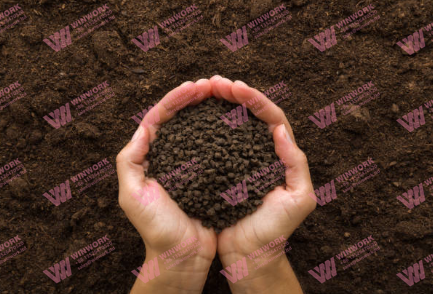
The final fertilizer product improves soil structure, enhances microbial diversity, increases water retention capacity, and supports long-term crop productivity. Compared with excessive chemical fertilizer use, organic fertilizer promotes balanced nutrient release and healthier soil ecosystems.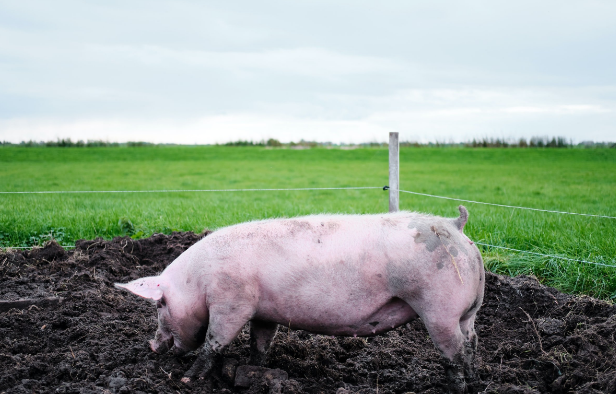
Selecting the Right Equipment Partner
Choosing a suitable partner for establishing a pig manure fertilizer processing plant requires careful evaluation of technical expertise, engineering capability, and long-term support services. A reliable supplier should provide customized system design based on raw material characteristics and target capacity, ensuring that each component functions efficiently within the overall production line.
Beyond equipment quality, comprehensive technical guidance during installation and commissioning plays an important role in ensuring stable operation. Long-term cooperation should also include timely maintenance assistance, operational training, and access to essential replacement parts. By working with an experienced and technically competent provider, investors can reduce operational risks and ensure sustainable performance of their pig manure fertilizer processing plant.
Future Development Trends
As environmental regulations become stricter and sustainable farming gains global attention, the technological level of the pig manure fertilizer processing plant continues to improve. Modern systems increasingly incorporate intelligent control panels, automated monitoring sensors, and energy-efficient drying technologies.
Modular designs allow for flexible expansion as production demand grows. Integrated odor treatment systems and improved dust removal solutions further enhance environmental compliance. These innovations ensure that the pig manure fertilizer processing plant remains a key solution for livestock waste recycling in the coming years.
Conclusion
A pig manure fertilizer processing plant provides a comprehensive solution for transforming livestock waste into valuable organic fertilizer products. Through coordinated processes including pretreatment, composting, crushing, granulation, drying, and packaging, the system converts high-moisture manure into stable, market-ready fertilizer.
With proper technical management and appropriate equipment configuration, a processing plant delivers environmental protection, economic benefits, and long-term agricultural sustainability. As global demand for organic inputs continues to expand, investing in a well-designed plant represents a practical and forward-looking opportunity for agricultural enterprises.
For more details, please feel free to contact us.
Email: sales@lanesvc.com
Contact number: +8613526470520
Whatsapp: +8613526470520
Get A Quote