

Introduction
Let’s talk about the elephant in the room on every livestock farm: what to do with all that liquid manure. For too long, the options were limited to spraying it raw on fields which is risky for runoff or paying someone to haul it away. But a smarter, more profitable method is gaining traction across the country: pipeline laying schemes for manure water return to fields. This isn’t just about digging a ditch; it’s about designing an intelligent circulatory system for your farm, turning a pollutant into a powerful, free fertilizer. This is the smart pipeline laying schemes for manure water return to fields.
Why Bother with Pipeline Laying Schemes for Manure Water Return to Fields?
The old ways are broken. Hauling manure costs a fortune in fuel and machinery. Spraying it indiscriminately can burn crops and pollute waterways. The modern pipeline laying schemes for manure water return to fields solve these problems by creating a controlled, pressurized network. The benefits are huge:
Zero Hauling Costs: Deliver nutrients directly from the barn to the field through a closed system.
Pollution Prevention: No more open lagoons or runoff into ditches.
Precision Application: Apply the exact amount of nutrients your crops need, exactly where they need it.
Labor Savings: Automate the entire process with pumps and valves. This is the smart pipeline laying schemes for manure water return to fields.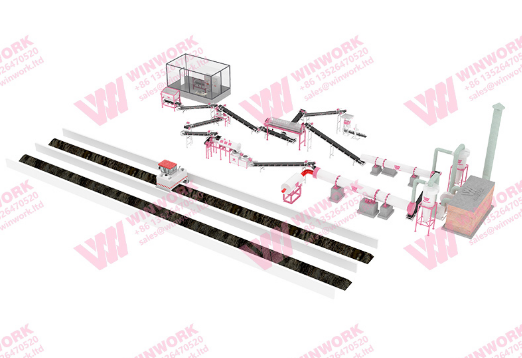
How It Works: The Nuts and Bolts of Pipeline Laying Schemes for Manure Water Return to Fields
A proper pipeline laying scheme for manure water return to fields is like the veins of your farm. Here’s the basic anatomy:
Step 1: The Source – Solid-Liquid Separation
You can’t pump thick, fibrous manure through a pipe. The first step is a Solid-Liquid Separator. This machine squeezes your manure, giving you two products: a dry cake (for composting) and a free-flowing liquid slurry. This liquid is what enters your pipeline system. This is the smart pipeline laying schemes for manure water return to fields.
Step 2: The Main Line – Laying the Pipe
This is the heart of the pipeline laying scheme for manure water return to fields. You need to bury a main line—typically a 4-inch to 6-inch HDPE (plastic) pipe—from your manure pit or digester out to your fields. The pipe must be laid with a slight, consistent slope (grade) to maintain pressure and prevent sediment buildup.
Step 3: The Distribution – Laterals and Valves
At strategic points in your field, you attach smaller lateral lines. These are controlled by Valves (either manual or automated). This allows you to open and close sections of the field, irrigating one zone at a time. This is the smart pipeline laying schemes for manure water return to fields.
Step 4: The Application – Injectors or Sprinklers
The final step in the pipeline laying scheme for manure water return to fields is getting the liquid into the soil. You can use:
Drag Hoses/Sprinklers: Simple and cheap, but some nitrogen can evaporate.
Subsurface Drip Tape: The best method. It injects the manure water directly into the root zone, preventing odor and maximizing nutrient uptake.
Essential Equipment for Your Pipeline Scheme
The pipeline conveys the separated clear liquid or dilute slurry,and a previous fermentation is also necessary.
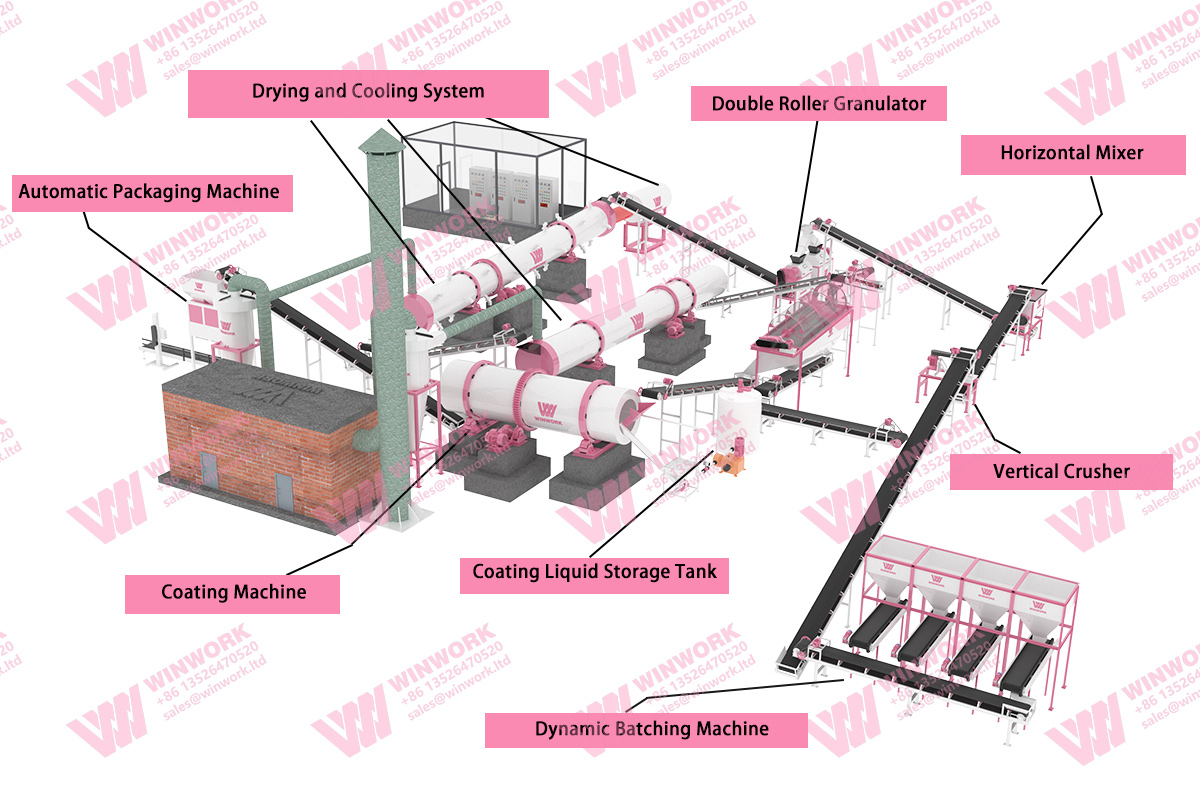
The Horizontal Fermentation Tank is a state-of-the-art equipment designed for the effective aerobic fermentation of organic waste, agricultural residues, sludge, and other compostable materials. Unlike vertical tanks, the horizontal design allows for larger capacity and more uniform fermentation.
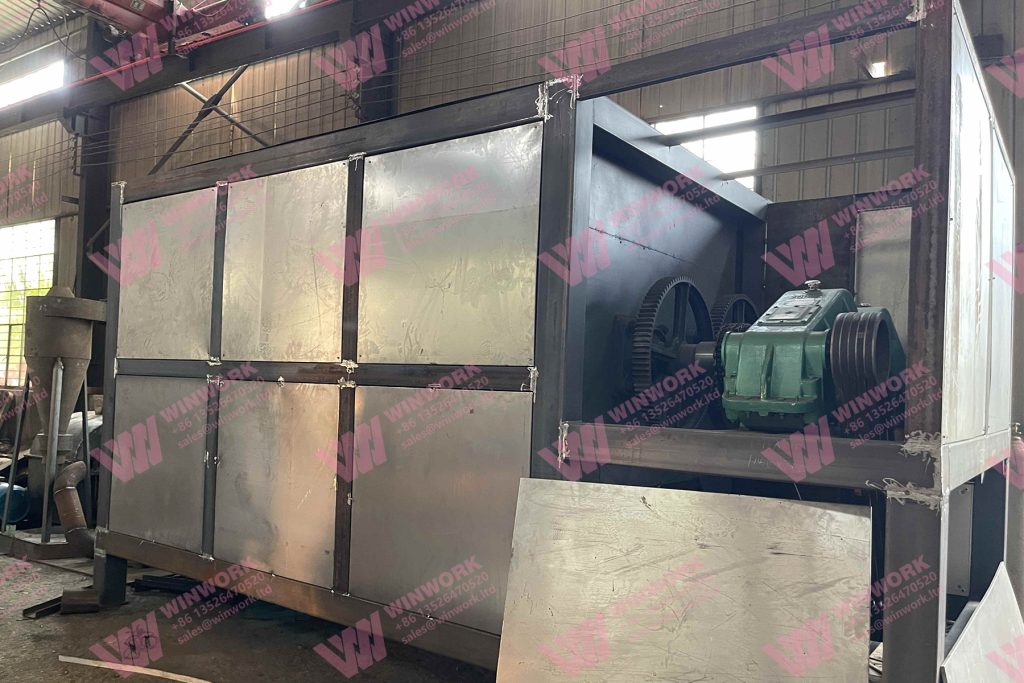
The Horizontal Fermentation Tank is widely used in the production of organic fertilizers and compost, offering numerous advantages in terms of efficiency, control, and environmental impact. And after this can we use pipes to achieve the success to transfer the manure through pipelines to the fields.
You can’t just dig a hole and hope for the best. A functional pipeline laying scheme for manure water return to fields requires specific gear:
Trencher or Excavator: For digging the trench at the correct depth and grade.
HDPE Pipe & Fittings: Durable, flexible plastic pipe that won’t corrode from the manure acids. This is the smart pipeline laying schemes for manure water return to fields.
Centrifugal Pump: A robust pump (often PTO-driven from a tractor) to push the slurry through the lines.
Filtration System: A simple screen filter is essential to prevent clogging the small emitter holes in your drip tape.
Backflow Preventer: A critical safety device to ensure manure water never siphons back into your clean water supply. This is the smart pipeline laying schemes for manure water return to fields.
Real Farm Example
The Andersons run a 500-acre grain farm and used to spend $40,000 a year on nitrogen fertilizer. They implemented a pipeline laying scheme for manure water return to fields connected to a neighboring dairy farm’s waste stream. This is the smart pipeline laying schemes for manure water return to fields.
They laid 1.2 miles of mainline pipe.
They used a subsurface drip tape system for application.
Their fertilizer bill dropped to near zero.
Their corn yields increased by 10% due to the consistent moisture and nutrients. This is the smart pipeline laying schemes for manure water return to fields.
“The pipeline laying scheme for manure water return to fields was the best investment we ever made,” says Dale Anderson. “It paid for itself in two years.”
FAQ: Your Questions About Pipeline Laying Schemes for Manure Water Return to Fields Answered
Q1: Isn’t this just an irrigation system?
A: Not quite. While it uses similar principles, a pipeline laying scheme for manure water return to fields deals with corrosive, abrasive slurry, not clean water. The materials and filtration are much more heavy-duty. This is the smart pipeline laying schemes for manure water return to fields.
Q2: Will the pipes get clogged with solids?
A: That’s why separation and filtration are key. If you try to pump raw, un-separated manure, yes, it will clog immediately. Proper prep prevents this.
Q3: How deep do I need to bury the pipes?
A: Typically, below the frost line in your area (often 2-4 feet deep) to prevent freezing and to protect the pipe from farm equipment traffic.
Q4: Is this legal? Can I just pump manure onto my field?
A: Regulations vary. Most areas require a nutrient management plan and setback distances from wells and streams. A proper pipeline laying scheme for manure water return to fields is designed to comply with these laws.
Q5: What is the biggest mistake farmers make?
A: Underestimating the importance of slope (grade). If the pipe isn’t laid with the correct slope, you’ll get airlocks and uneven flow. Hire a surveyor or use a laser level.
Q6: Can I use my existing irrigation pivot?
A: Possibly, but you must add a separate injection port and filtration system. You should never mix manure water directly into your main clean water supply without proper safeguards.
Q7: Does the manure smell when applied this way?
A: If you use subsurface drip tape (the best method), there is virtually no smell, as the manure is injected 6-12 inches below the soil surface.
Q8: How do I maintain the system?
A: Flush the lines with clean water at the end of the season and check your filters regularly. This is standard maintenance for any pipeline laying scheme for manure water return to fields. This is the smart pipeline laying schemes for manure water return to fields.
Q9: Where do I start?
A: Start with a soil test and a map of your farm. Figure out where your low spots are and where the main line should run to maximize gravity assist. This is the smart pipeline laying schemes for manure water return to fields.
Conclusion
The days of viewing manure water as a disposal problem are over. By investing in a smart pipeline laying scheme for manure water return to fields, you are building the infrastructure for a more sustainable, profitable farm. It’s a system that pays you back year after year by cutting input costs and improving yields. Don’t just manage your waste—put it to work for you. This is the smart pipeline laying schemes for manure water return to fields.
For more details, please feel free to contact us.
Email: sales@lanesvc.com
Contact number: +8613526470520
Whatsapp: +8613526470520

Get A Quote