

Introduction
Across rural communities, farmers are talking about a new approach that’s changing how they view waste. It’s called the implementation plan for agricultural circular economy, and despite the fancy name, it’s really quite simple: stop thinking of straw, manure, and wastewater as trash. Instead, use them as raw materials to create new products and save money. This plan is designed to help farmers get the highest return with the lowest possible investment.
What Is the Implementation Plan for Agricultural Circular Economy?
The old way was “take, make, waste”—grow crops, raise animals, and throw away the leftovers. The implementation plan for agricultural circular economy changes this to “take, make, reuse.” Everything on the farm connects in a circle:
Crop straw feeds livestock or becomes compost.
Livestock manure produces biogas for energy and organic fertilizer for fields.
Wastewater is treated and reused for irrigation.
This cycle cuts costs, creates new income streams, and makes your farm more resilient.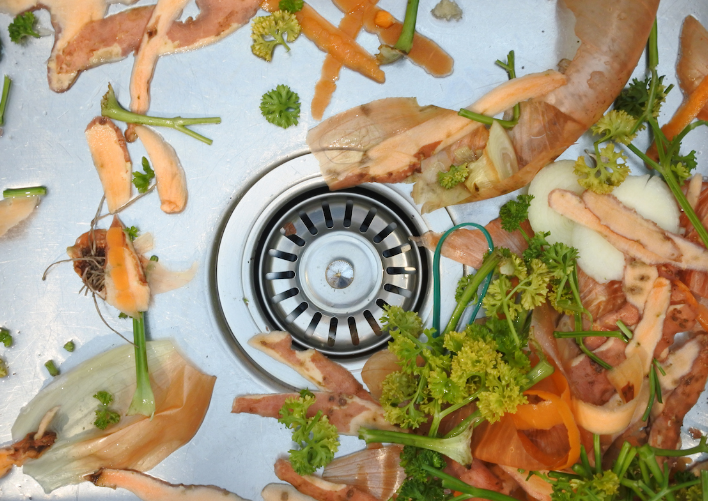
How to Execute the Implementation Plan for Agricultural Circular Economy
Start with Integrated Crop-Livestock Systems
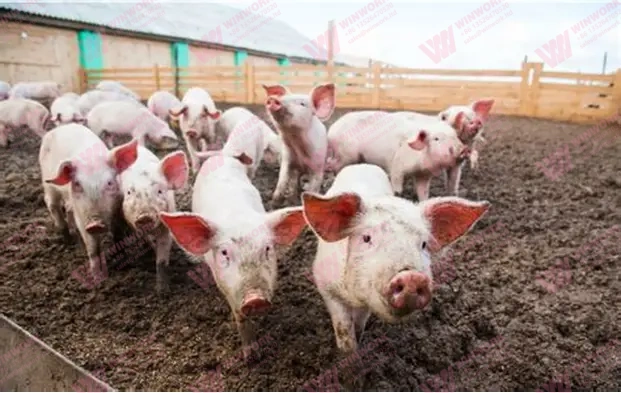
If you grow corn and raise pigs, don’t burn the stalks or pay to haul manure. Mix them. Use a straw shredder (cost: $800–$2,000) to chop stalks, then blend with manure in a compost turner ($1,000–$3,000). This creates high-quality organic fertilizer, eliminating the need for chemical fertilizers.
This means that the manure from farmed animals can be collected and processed uniformly. This way, not only can the strong odor from the animal manure be avoided from affecting the agricultural landscape, but it can also prevent environmental pollution and harm to human health.
This step can use a compost turner or fermentation tanks, this is to ferment them first and release the odor.
Build a Simple Biogas System
This is a core part of the implementation plan for agricultural circular economy. A small biogas digester ($5,000–$15,000) turns manure and food waste into methane gas. Use the gas for cooking and lighting, saving thousands in energy bills. The leftover slurry is a premium liquid fertilizer.
Adopt Water-Saving Irrigation
Install a drip irrigation system with a filtration unit. Capture rainwater from roofs and reuse treated greywater. This reduces water costs and prevents nutrient runoff, which is a key environmental goal of the implementation plan for agricultural circular economy.
Utilize Solar Energy
Instead of expensive grid power, install solar-powered insect killers ($50–$200 each). They reduce pesticide use, allowing you to grow “green” produce that sells for higher prices.
Low-Cost Equipment for the Implementation Plan for Agricultural Circular Economy
You don’t need a massive budget. A solid-liquid separator ($1,500–$3,000) splits manure into solids for composting and liquids for biogas. A flat die pelletizer ($2,000–$4,000) compresses compost into easy-to-sell pellets. These machines are the workhorses of the implementation plan for agricultural circular economy, enabling small farms to compete with large industrial operations.
Real Farm Example
The Gaos used to spend $1,500 annually on chemical fertilizers and $800 on energy. After adopting the implementation plan for agricultural circular economy, they invested in a $1,200 shredder, a $2,500 compost turner, and a $8,000 biogas system. Results after two years:
Fertilizer costs dropped to near zero.
Energy bills were cut by 70%.
They sold 5 tons of compost pellets for $180/ton.
Their annual profit increased by $4,500. “The implementation plan for agricultural circular economy taught us that nothing should be wasted,” says Mr. Gao.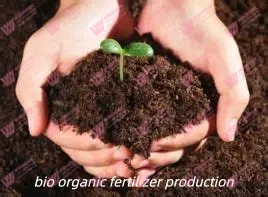
FAQ: Your Questions About the Implementation Plan for Agricultural Circular Economy Answered
Q1: Is the implementation plan for agricultural circular economy only for big farms?
A: No. The plan is scalable. A small homestead can start by mixing chicken manure with garden waste to make compost.
Q2: What is the first step for a beginner?
A: Start with a simple compost pile using straw and manure. It costs almost nothing but immediately reduces fertilizer purchases.
Q3: How much land do I need?
A: Even a quarter-acre plot can implement basic elements of the implementation plan for agricultural circular economy, such as rainwater harvesting and composting.
Q4: Are the machines difficult to operate?
A: Most equipment comes with simple manuals. A compost turner or shredder requires minimal training—just load the material and start the machine.
Q5: Can I really make money from waste?
A: Yes. Compost, pellets, and biogas all have market value. Selling just 5 tons of compost can cover the cost of a good shredder within a year.
Q6: How long until I see profits?
A: Most farmers see a return on investment within 2–3 years of following the implementation plan for agricultural circular economy.
Q7: What if I don’t have livestock?
A: You can still compost crop residues and sell them to local livestock farms or vegetable growers.
Q8: Do I need government approval?
A: Small-scale composting and rainwater harvesting usually don’t require permits. Check local regulations for biogas systems.
Q9: How do I find buyers for my compost?
A: Local nurseries, landscaping companies, and organic farmers are eager customers. Online platforms also work well.
Q10: Why is this called a “circular” economy?
A: Because nutrients and resources cycle continuously on the farm instead of flowing out as waste. This is the heart of the implementation plan for agricultural circular economy.
Conclusion
The implementation plan for agricultural circular economy is more than just a strategy—it’s a practical roadmap to profitability and sustainability. By connecting waste streams to productive uses, farmers can drastically cut costs, open new revenue channels, and build healthier soil. The equipment is affordable, the methods are straightforward, and the payoff is clear. Whether you manage a small garden or a large farm, adopting this implementation plan for agricultural circular economy will help you turn trash into treasure and secure a greener financial future.
For more details, please feel free to contact us.
Email: sales@lanesvc.com
Contact number: +8613526470520
Whatsapp: +8613526470520
Get A Quote