

Introduction
Walk into any poultry house, and the scene is familiar: mountains of damp, smelly litter piled high. For decades, farmers have seen this as a liability—a cost to be disposed of, often by paying someone to haul it away. But a new generation of farmers is looking at that same pile and seeing dollar signs. They are adopting innovative poultry litter recycling solutions that transform a pollutant into a portfolio of valuable products. This isn’t just about being eco-friendly; it’s about smart business.
What Exactly Are Poultry Litter Recycling Solutions?
When we talk about poultry litter recycling solutions, we aren’t talking about just tossing the litter into a corner of the field. That old method causes nutrient runoff and ammonia pollution. Modern solutions involve mechanical and biological processes to stabilize the litter, extract its energy, and concentrate its nutrients into a form that is safe, legal, and highly profitable to sell. The goal is to stop managing waste and start manufacturing a product.
The Core Benefits: Why Every Poultry Farmer Needs This
The advantages of adopting these poultry litter recycling solutions are impossible to ignore:
Slash Energy Bills: Turn litter into biogas to power your farm.
Create a New Income Stream: Sell stabilized, pelletized fertilizer to landscapers and organic farms.
Achieve Environmental Compliance: Eliminate the risk of water pollution and neighbor complaints.
Boost Soil Health: Unlike chemical fertilizers, recycled litter adds organic matter that builds soil structure.
Step-by-Step: How Poultry Litter Recycling Solutions Work
Step 1: The Just-in-Time Collection
The first rule of effective poultry litter recycling solutions is moisture control. Use a Manure Conveyor Belt System to remove litter frequently. Keeping the Carbon-Nitrogen ratio balanced from the start makes the entire downstream process faster and cheaper.
Step 2: The Solid-Liquid Split
Poultry litter is often a wet slurry. The first piece of equipment in your recycling arsenal should be a Screw Press Solid-Liquid Separator. This machine squeezes the litter, giving you two products: a dry, stackable solid cake (perfect for composting) and a nutrient-rich liquid (perfect for anaerobic digestion).
Step 3: Anaerobic Digestion for Energy
This is where the magic happens. Pump the liquid fraction into an Anaerobic Digester Tank. In this sealed, heated environment, bacteria break down the waste and produce methane-rich biogas. This gas can be piped directly to a Biogas Generator to produce electricity or to a boiler to heat your poultry houses. This is the energy heart of poultry litter recycling solutions.
Step 4: Composting and Pelletizing the Solids
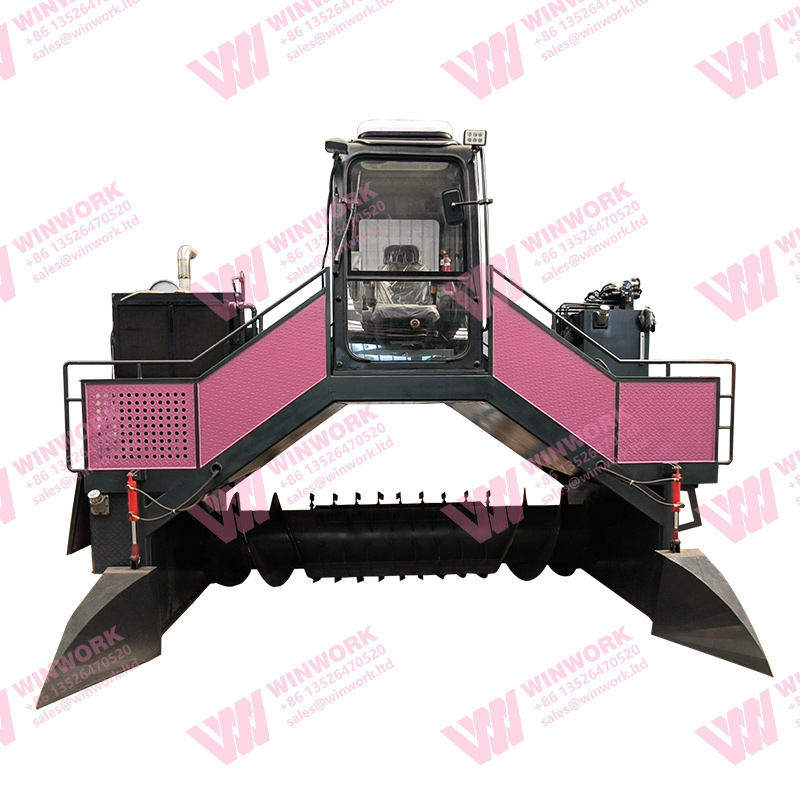
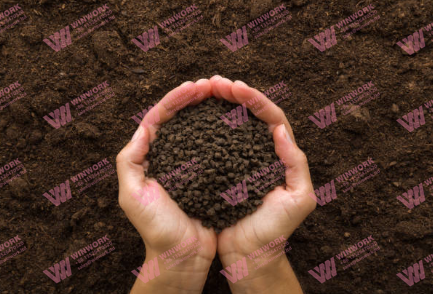
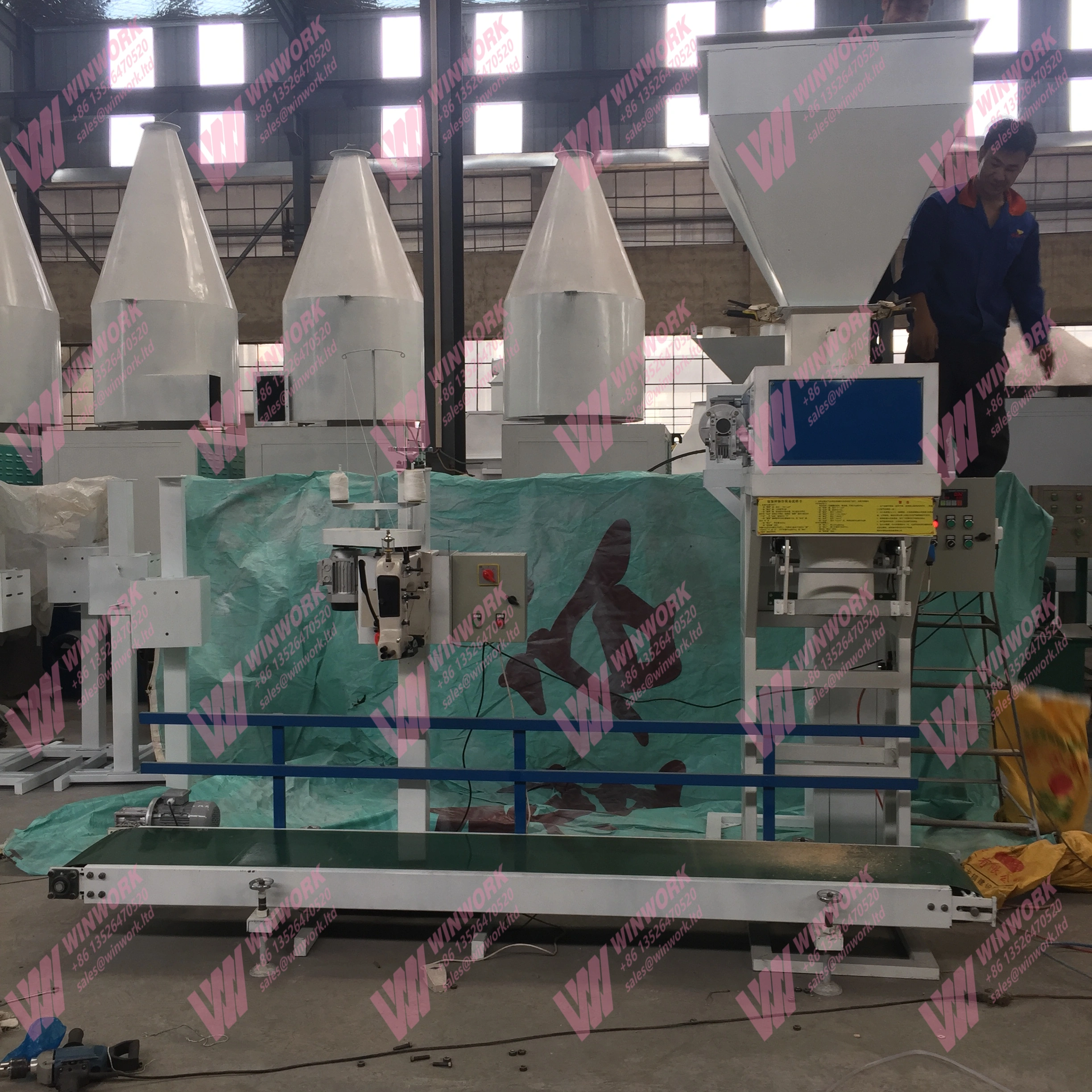
The solid cake from the separator is gold. Mix it with a carbon source like straw and run it through a Compost Turner for 2-3 weeks. The result is a sanitized, earthy-smelling compost. To maximize profits, feed this into a Flat Die Pelletizer. The machine compresses the compost into hard, uniform pellets that are easy to bag and sell at a premium price. This final step is what turns poultry litter recycling solutions into a serious business.
Material turning: Crawler compost turner turns and agitates the piled materials through the turning device at the front. The turning device consists of a number of high-speed rotating blades, which can fully break up and mix the materials, make the materials contact with the air and promote aerobic fermentation.
Crawler Walking: There is a crawler walking system installed at the bottom of the equipment, which is driven by the hydraulic system and can walk flexibly on the landfill, adapting to various terrain conditions. The crawler system has strong grip and stability to ensure the smooth running of the equipment during the walking process.
Air replenishment: During the turning process, the material is fully turned and broken up, which is conducive to air entering the inside of the compost, increasing the oxygen content of the material, promoting the growth and reproduction of microorganisms, and accelerating the compost fermentation process.
Temperature control: during the turning process, the temperature of the material will gradually rise, through regular turning, you can avoid the death of beneficial microorganisms caused by the high temperature of the material, to ensure that the composting process in the best temperature range.
Moisture regulation: In the process of composting, the turner can evenly distribute the moisture in the material, preventing the local over-wet or over-dry, ensuring the uniformity and stability of the composting process.
Essential Equipment for Poultry Litter Recycling Solutions
You don’t need a massive factory to get started. Focus on these key, affordable machines:
Manure Conveyor Belt: For clean, continuous collection ($2,000–$5,000).
Screw Press Separator: The essential first step to manage moisture ($1,500–$3,000).
Anaerobic Digester: Can be a DIY welded tank or a prefab unit ($8,000–$25,000).
Biogas Generator: A converted diesel generator works perfectly ($1,500–$5,000).
Flat Die Pellet Machine: The key to adding value and professionalism ($2,000–$4,500).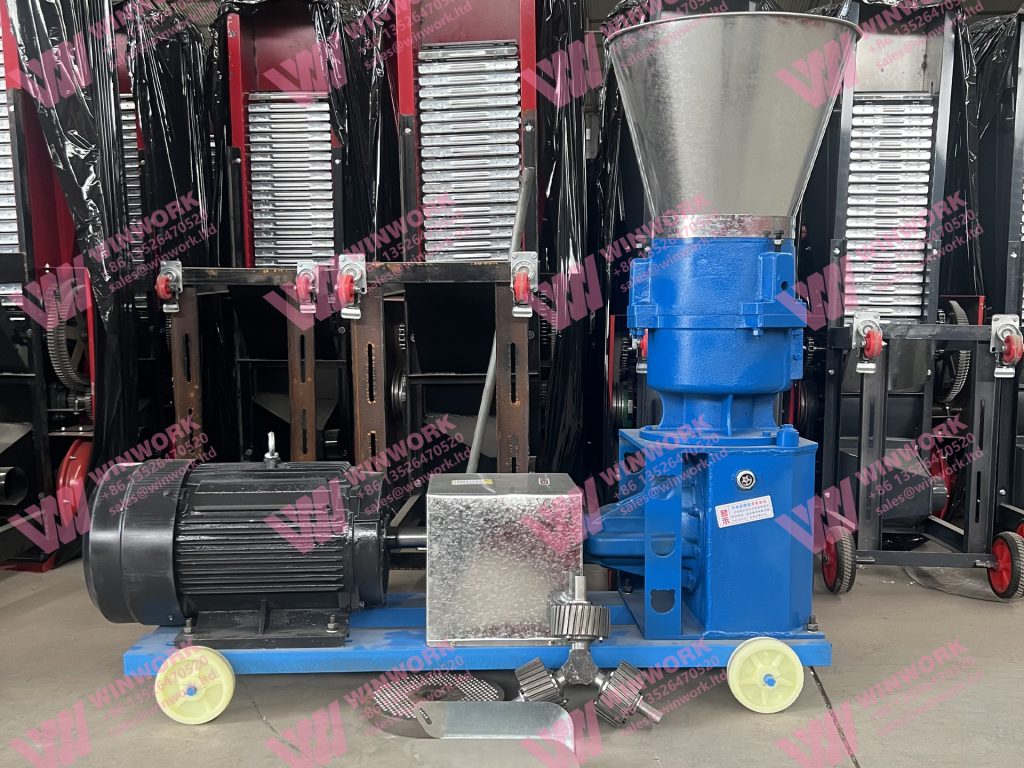
Real Farm Example
The Nguyens raise 20,000 broilers. They were spending $600 a month on propane to heat the barns and $250 a month to have litter hauled away. They invested $22,000 in a complete system for poultry litter recycling solutions, including a separator, digester, and pelletizer.
Their propane bill dropped to near zero.
They eliminated hauling fees.
They sold 40 tons of fertilizer pellets to a local vineyard for $160/ton.
Their annual profit increased by over $14,000. “These poultry litter recycling solutions saved our family farm,” says Mr. Nguyen.
FAQ: Your Questions About Poultry Litter Recycling Solutions Answered
Q1: Is this too complicated for a small farm?
A: Not at all. The principles of poultry litter recycling solutions are scalable. A small farm can start with just a compost pile and a bagging system, adding a digester later.
Q2: Does the biogas smell bad?
A: No. Raw litter smells terrible, but the anaerobic digestion process happens in a sealed tank, trapping all odors. The final fertilizer is earthy-smelling.
Q3: Can I really run a generator on this?
A: Yes. Biogas from poultry litter has a high methane content. You just need to filter out the sulfur and moisture first with a simple “scrubber.”
Q4: What if I don’t have crops to use the fertilizer on?
A: No problem! The market for high-quality organic fertilizer is huge. Landscapers, golf courses, and vegetable farmers are all potential customers.
Q5: How much litter do I need?
A: A farm with 10,000 birds produces roughly 1.5 cubic meters of litter per day, which is enough to run a small-scale system for poultry litter recycling solutions.
Q6: Is it safe to store biogas?
A: Yes, as long as you follow basic safety rules. The gas holder should be placed away from open flames and in a well-ventilated area, just like a propane tank.
Q7: What happens in winter?
A: Digesters need to stay warm (around 35°C / 95°F). Insulation and a small heating element (powered by the biogas itself!) keep the bacteria happy and active year-round.
Q8: Do I need a license to sell the fertilizer?
A: For small-scale, local sales, you usually don’t need a special license, but your product should be tested for nutrient content. Check your local agricultural regulations.
Q9: Where do I start with poultry litter recycling solutions?
A: Start by calculating your daily litter output. That number will determine the size of the separator and digester required for your poultry litter recycling solutions project.
Conclusion
The era of viewing poultry litter as a disposal problem is officially over. By adopting smart poultry litter recycling solutions, farmers can take control of their energy costs, eliminate waste liabilities, and create a resilient, profitable business model. The technology is accessible, the methods are proven, and the financial rewards are clear. Whether you have 500 chickens or 50,000, the path to a cleaner, richer farm starts with poultry litter recycling solutions.
For more details, please feel free to contact us.
Email: sales@lanesvc.com
Contact number: +8613526470520
Whatsapp: +8613526470520
Get A Quote