

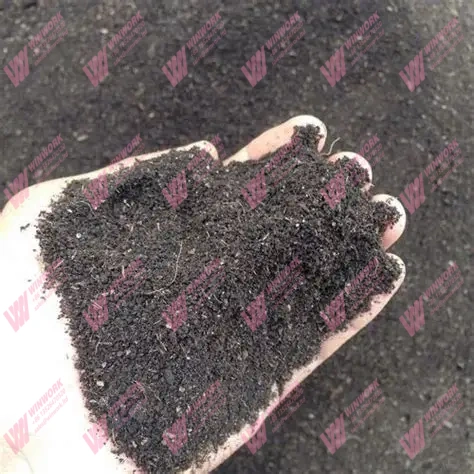
With the global shift toward sustainable agriculture and organic farming, powder organic fertilizer has become an essential solution for improving soil quality and crop productivity. Its natural composition, easy application, and long-term benefits make it a preferred choice for farmers and fertilizer producers worldwide.In this article,we will talk about the introduction,benefits,core equipment,a practical case in America and how to choose the proper powder organic fertilizer.
The introduction of powder organic fertilizer
Powder organic fertilizer is a finely processed organic fertilizer made from natural materials such as livestock manure, compost, crop residues, and other organic waste. Through fermentation, crushing, and screening, these materials are converted into a uniform powder that can be easily absorbed by soil.
Unlike chemical fertilizers, it focuses on improving soil structure while gradually supplying nutrients. It enhances microbial activity, promotes root development, and improves the soil’s water and nutrient retention capacity, making it suitable for a wide range of crops and farming systems.
Advantages of powder organic fertilizer
Compared with granular organic fertilizer and traditional chemical fertilizers,this fertilizer has unique and obvious advantages, which are mainly reflected in the following six aspects:
- Improve soil structure
One of the most important advantages of this fertilizer is its ability to significantly increase soil organic matter. Higher organic matter improves soil aggregation, porosity, and aeration, which are critical for healthy root growth.
Over time, continuous application helps prevent soil compaction, enhances microbial diversity, and creates a stable soil ecosystem. This leads to stronger root systems and improved nutrient uptake efficiency.
- Rich in nutrients
Powder organic fertilizer contains a wide range of essential nutrients, including nitrogen (N), phosphorus (P), potassium (K), calcium, magnesium, sulfur, and trace elements. In addition, it often contains amino acids, humic acid, and beneficial microorganisms.
These nutrients are released gradually, ensuring a steady supply throughout the crop growth cycle and reducing the risk of nutrient deficiency or excess.
- Environmentally friendly
Produced from renewable organic resources and agricultural waste, it helps recycle waste materials and reduce environmental pollution. Its application reduces reliance on chemical fertilizers, lowers greenhouse gas emissions, and minimizes nutrient leaching and runoff that can contaminate water bodies.
This makes itself an ideal choice for sustainable and environmentally responsible agriculture.
- Wide application range
Powder organic fertilizer is suitable for large-scale farmland, greenhouses, orchards, home gardens, lawns, and potted plants. It can be applied as a base fertilizer, top dressing, or mixed with soil substrates.
It can also be combined with chemical fertilizers, microbial fertilizers, or liquid fertilizers to achieve balanced nutrition, making it adaptable to diverse agricultural systems.
- Cost-effective production
Compared with granular fertilizer, its production does not require granulation, drying, or cooling processes. This significantly reduces energy consumption and equipment investment.
Additionally, the use of locally available organic materials greatly lowers raw material costs, making it a cost-effective option for both producers and farmers.
- Rapid nutrient release
Due to its fine powder structure, it decomposes and dissolves quickly once applied to the soil. Nutrients can be rapidly absorbed by crop roots without requiring a long decomposition period.
This characteristic makes it especially suitable for crops with high nutrient demands or for quick soil improvement before planting.
Core equipment of powder organic fertilizer
The production process of powder organic fertilizer is relatively simple,mainly divided into four categories, which are suitable for small, medium, and large-scale production needs:
- Fermentation equipment
Fermentation tanks, compost turners, or fermentation pits are used to decompose organic raw materials. Proper fermentation eliminates pathogens, weed seeds, and odors while improving nutrient availability.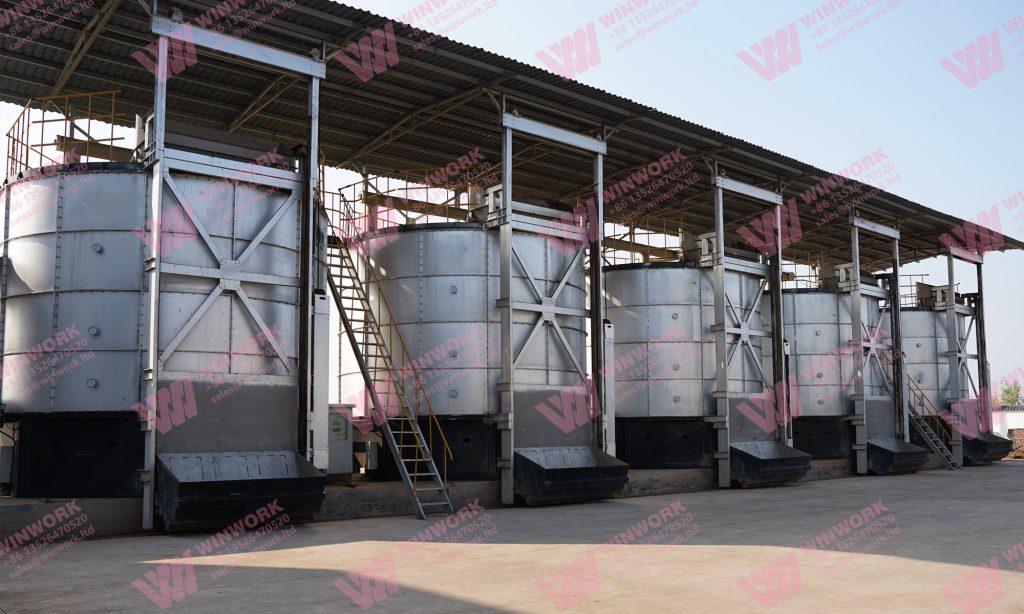
- Crusher
A crusher is used to grind fermented materials into fine particles. This ensures uniform texture and improves nutrient release efficiency.
Screening equipment removes oversized particles and impurities, ensuring consistent powder size and high product quality.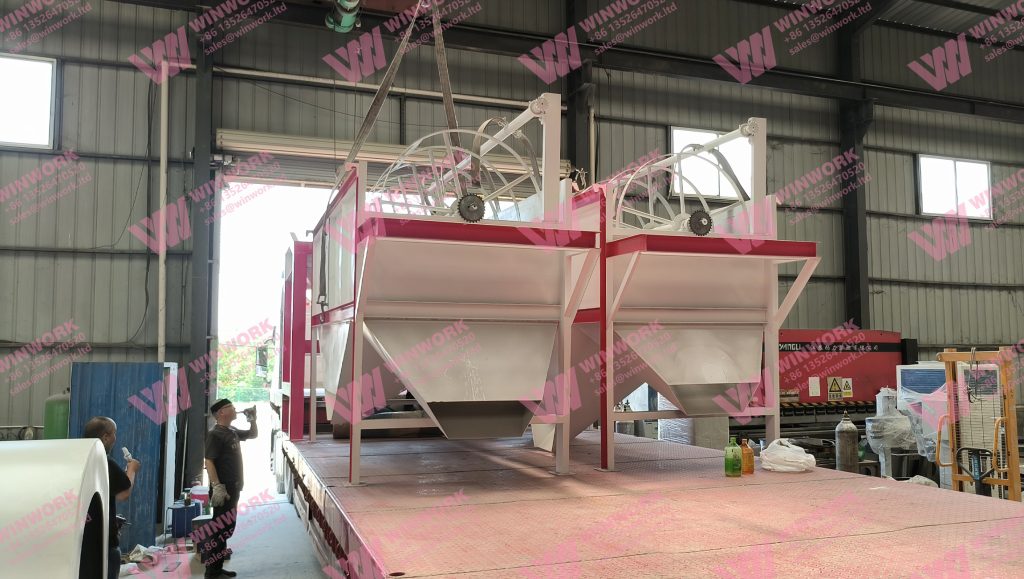
- Mixer
Mixers are used to blend different organic materials or add functional additives such as microbial agents or trace elements.
- Dust collection system
A dust collection system reduces dust pollution during crushing and screening, improving the working environment and meeting environmental protection standards.
Automatic or semi-automatic packaging machines are used for bagging the fertilizer, improving efficiency and product appearance.
How to choose powder organic fertilizer
Selecting the right powder organic fertilizer is essential for achieving optimal agricultural results.To ensure the fertilization effect and avoid purchasing inferior products, the following four key points should be paid attention to when choosing powder organic fertilizer:
- Evaluate raw material quality
High-quality powder organic fertilizer should be made from clean, safe, and fully fermented organic materials without heavy metals or harmful substances.
- Check organic matter content
Organic matter content is a key indicator of fertilizer quality. Generally, higher organic matter means better soil improvement effects.
- Analyze nutrient composition
Check the nitrogen, phosphorus, potassium content and whether the fertilizer contains beneficial microorganisms, humic substances, or trace elements.
- Consider moisture content
Low moisture content ensures better storage stability, reduces caking, and improves application convenience.
- Choose reliable manufacturers
Select manufacturers with advanced equipment, standardized production processes, and quality certifications to ensure consistent product performance.
A practical case of powder organic fertilizer in America
In California, an organic vegetable farm covering more than 500 acres adopted powder organic fertilizer as part of its soil improvement program. The fertilizer was produced using composted dairy manure and plant residues.
After two years of application:
- Soil organic matter increased by over 20%
- Water retention improved, reducing irrigation demand
- Vegetable yield increased by approximately 15%
- Produce quality improved, meeting organic certification standards
- Similarly, a corn and soybean farm in the Midwest replaced part of its chemical fertilizer input with powder organic fertilizer. The farm observed improved soil structure, increased microbial activity, and reduced fertilizer costs while maintaining stable yields.
- These cases demonstrate that powder organic fertilizer is effective in both organic and conventional farming systems across different climates.
Frequently asked questions about powder organic fertilizer
- What is powder organic fertilizer mainly used for?
Powder organic fertilizer is used to improve soil fertility, enhance soil structure, and provide essential nutrients for a wide range of crops.
- How is powder organic fertilizer different from chemical fertilizer?
Unlike chemical fertilizer, powder organic fertilizer improves soil health while releasing nutrients gradually and sustainably.
- Can powder organic fertilizer be used for all crops?
Yes, powder organic fertilizer is suitable for vegetables, fruits, grains, cash crops, and even home gardening applications.
- Is powder organic fertilizer environmentally friendly?
Powder organic fertilizer is eco-friendly because it is made from organic waste and helps reduce pollution and chemical fertilizer dependence.
Conclusion
Powder organic fertilizer is a vital component of sustainable and profitable agriculture. By improving soil health, enhancing nutrient efficiency, and reducing environmental impact, it offers long-term benefits for farmers and fertilizer producers alike. With proper selection, production, and application, powder organic fertilizer supports higher crop yields, better soil sustainability, and a more environmentally responsible agricultural future.
For more details, please feel free to contact us.
Email: sales@lanesvc.com
Contact number: +8613526470520
Whatsapp: +8613526470520
Get A Quote