


Introduction
Walk into any barn, and you’ll see two things: animals eating… and later, animals pooping. It’s a simple cycle, but farmers often miss the connection between the two. The feed you put in directly determines the manure you get out—both in quantity and in quality. That’s why the strategy of reducing feed costs to lower manure emissions is gaining traction. It’s not just about pinching pennies at the feed store; it’s about tackling pollution and boosting profits at the source.
The Hidden Link: Why Feed Determines Manure Emissions
When animals eat, their bodies use nutrients for growth, milk, or work. What they don’t use ends up in manure. If you overfeed protein, for example, the excess nitrogen is excreted and can turn into ammonia gas—a major air pollutant and contributor to waterway eutrophication. Similarly, too much undigested fiber means bulkier, wetter manure that ferments anaerobically, releasing methane and hydrogen sulfide (those nasty rotten-egg smells). Above these gases will all be harmful for the environment and also for the people’s health.
How Reducing Feed Costs to Lower Manure Emissions Pays Off, then we will tell the answer.
So, reducing feed costs to lower manure emissions works because:
Less Waste: Animals absorb more nutrients, so less ends up in manure.
Lower Volume: Efficient diets mean less total manure to manage. This will not only reduces the animals’ total manure amount bu also help them to obtain and store the nutrients, and reduce the nutrition released.
Cleaner Composition: Balanced nutrition reduces nitrogen and phosphorus overload in waste.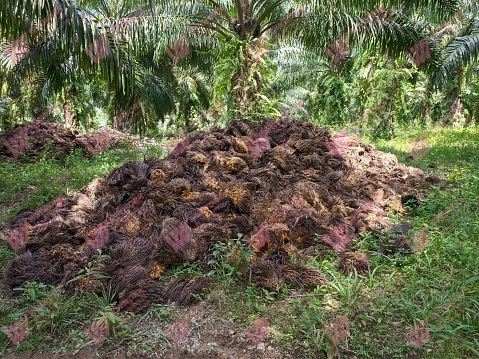
How to Cut Feed Costs While Shrinking Emissions
The goal isn’t to starve animals, and it its not let the animals to eat—it’s to feed them smarter, to let them eat well and healthy, that’s can be eaten some. Here are the proven methods that make reducing feed costs to lower manure emissions a reality. How Reducing Feed Costs to Lower Manure Emissions Pays Off, then we will tell the answer.
Precision Feeding with Ration Balancers
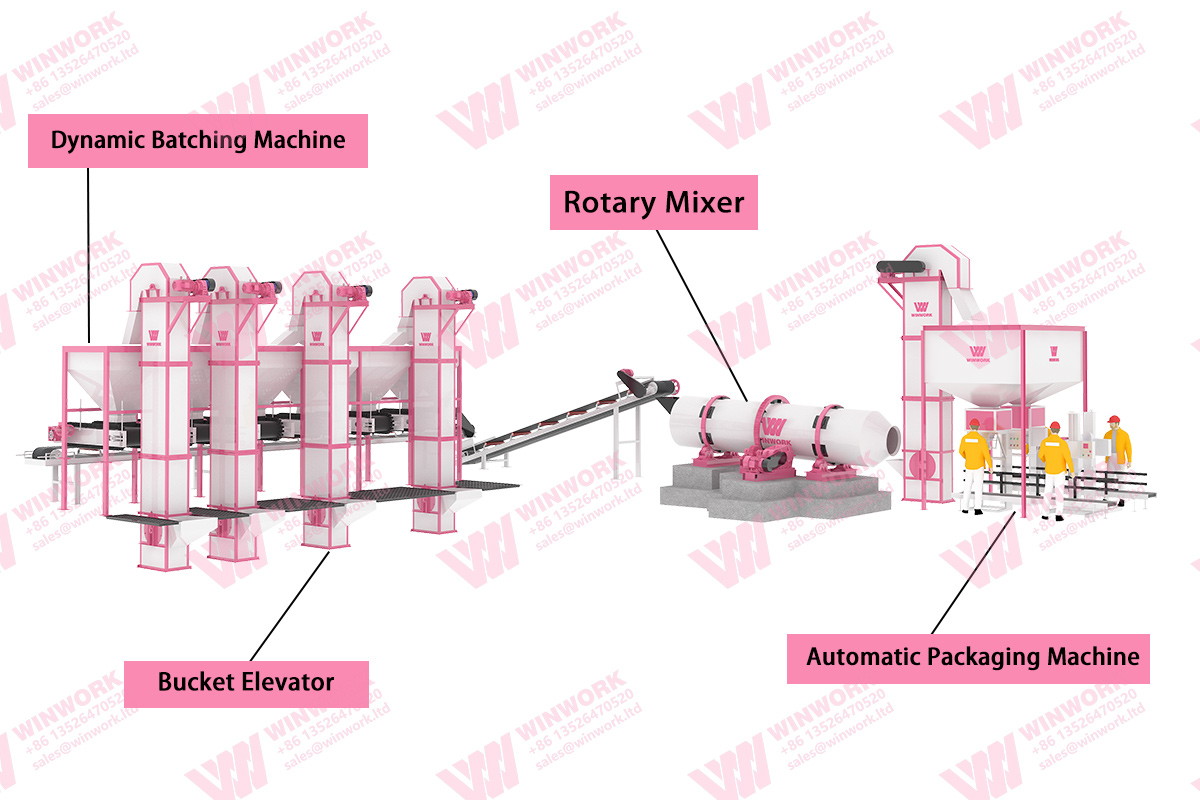
This is a kind of machine that can help you to adjust the amount of the feed materials, it is really suit for your large scale farm as it is really a big work for human to adjust many feeds for many animals. Now you can use this kind of machine, which is the dynamic batching system can release you many relief and save many time for you to do other things or just for relax. How Reducing Feed Costs to Lower Manure Emissions Pays Off, then we will tell the answer.
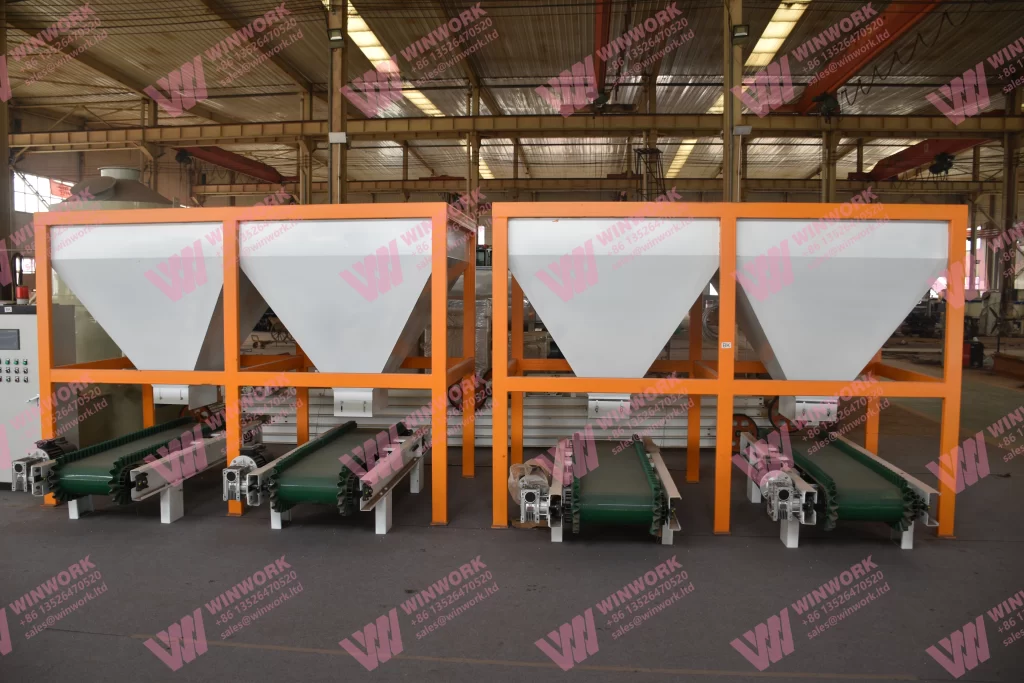
The dynamic batching system is a batching system used in fertilizer production. It can automatically adjust the flow and speed of various raw materials according to different formulas and needs to achieve accurate proportions and uniform mixing.
Instead of guessing, use ration formulation software or work with a nutritionist to match feed to the animal’s exact needs (age, weight, production stage). This prevents over-supplementation, especially with expensive protein sources like soybean meal. The result? Lower feed bills and manure with less excess nitrogen.
Use Local, Alternative Feeds
Why ship in costly grains when you can use on-farm byproducts? Spoiled hay, crop residues (like corn stalks), or food processing leftovers can replace a portion of commercial feed. These alternatives are often cheaper and generate less nitrogen in manure because they’re less concentrated.
Improve Digestibility with Processing
Grinding, pelleting, or fermenting feed (using a Feed Hammer Mill or Fermentation Silo) breaks down tough fibers, so animals absorb more nutrients. Less undigested material means smaller, drier manure piles—and fewer emissions from decomposition. How Reducing Feed Costs to Lower Manure Emissions Pays Off, then we will tell the answer.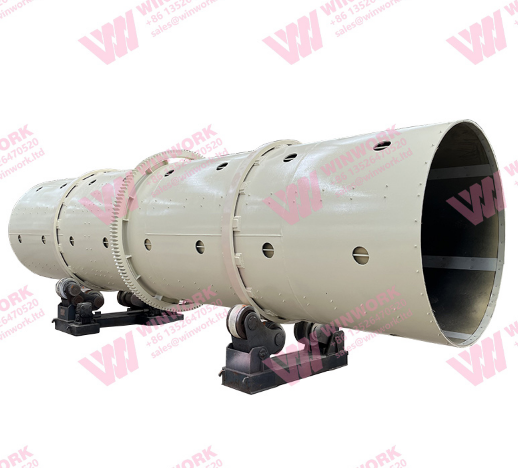
Monitor Intake with Automated Systems
Overfeeding is often accidental. Tools like Electronic Feeders or RFID Tag Readers track individual animal consumption, ensuring no one gets more than needed. This is a cornerstone of reducing feed costs to lower manure emissions on larger farms.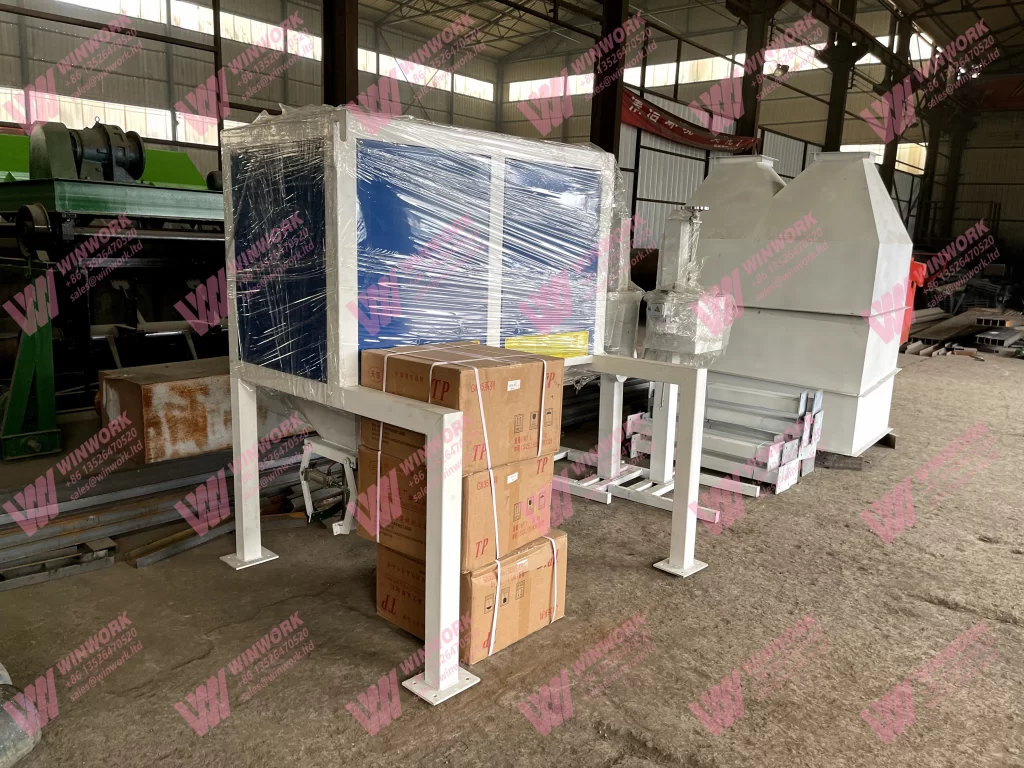
Equipment That Makes It Happen
You can’t manage what you don’t measure. The right tools for reducing feed costs to lower manure emissions help you optimize intake and reduce waste:
Feed Hammer Mill: Grinds grains and roughage into uniform particles for better digestion.
Fermentation Silo/Bunker: Uses microbes to pre-digest feed, boosting nutrient absorption.
Electronic Feeders: Dispense precise portions and log consumption data.
Ration Formulation Software: Calculates the cheapest mix of ingredients that meets animal needs.
Manure Separator: While not directly for feed, it pairs well—less manure means less processing needed later.
The Triple Win: Benefits Beyond the Bank
Adopting reducing feed costs to lower manure emissions isn’t just about saving money. The ripple effects are huge:
Lower Input Costs: Less feed purchased = more profit per animal.
Reduced Handling Costs: Smaller manure volumes mean less hauling, composting, or spreading.
Cleaner Environment: Less nitrogen and phosphorus in manure means less runoff and fewer odor complaints.
Regulatory Peace of Mind: Meeting nutrient management standards becomes easier.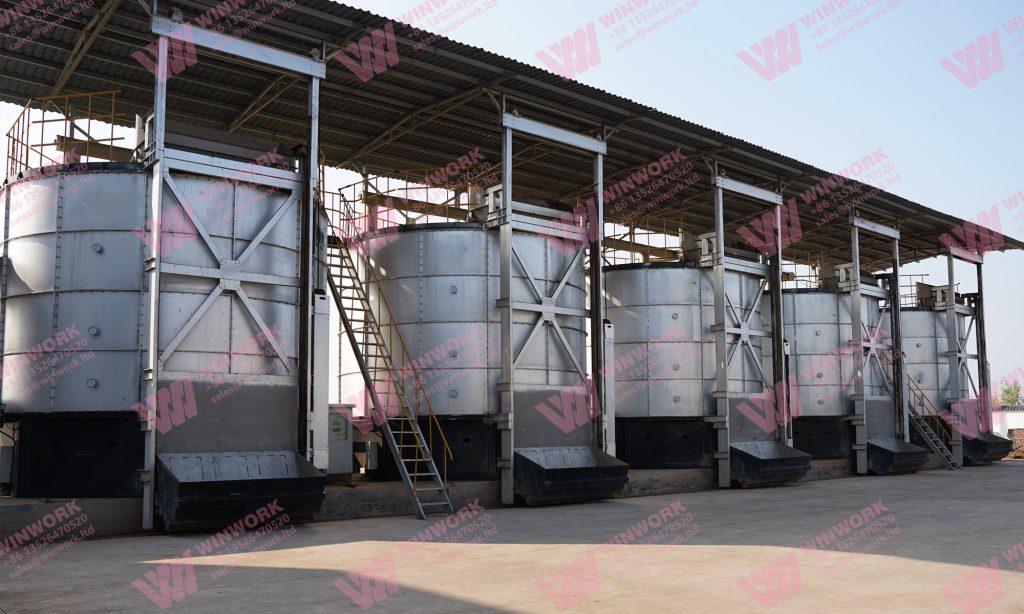
Real Farm Example
The Bennetts run a 200-sow farrow-to-finish farm. They noticed their manure lagoon was filling up too fast, and ammonia from the barns was bothering workers. They decided to tackle the problem at the source by reducing feed costs to lower manure emissions.
Working with a nutritionist, they reformulated rations to use more locally sourced brewers’ grains and added a fermentation silo to boost digestibility.
Feed costs dropped by 18% in the first year.
Manure volume decreased by 25%, easing lagoon pressure.
Ammonia levels in the barns dropped noticeably, improving worker comfort.
“We realized reducing feed costs to lower manure emissions was the cheapest way to fix multiple problems at once,” says owner Greg Bennett. How Reducing Feed Costs to Lower Manure Emissions Pays Off, then we will tell the answer.
FAQ: Your Questions About Reducing Feed Costs to Lower Manure Emissions Answered
Q1: Will cutting feed hurt animal performance?
A: Only if you cut carelessly. The key is balancing nutrients, not just reducing volume. Proper formulation ensures animals get what they need to grow, produce milk, or reproduce—without the excess.
Q2: How do I know if my manure has too much nitrogen?
A: Test it! A simple lab analysis shows nitrogen and phosphorus levels. High numbers mean your animals are excreting more than they need, pointing to overfeeding or imbalanced rations.
Q3: Can I use cheap feed without sacrificing quality?
A: Yes, if you balance it correctly. Cheap doesn’t mean low-quality—it means using the right mix of ingredients (like local byproducts) to meet nutritional requirements affordably. How Reducing Feed Costs to Lower Manure Emissions Pays Off, then we will tell the answer.
Q4: Do I need fancy software to formulate rations?
A: Not necessarily. Small farms can work with a local extension agent or nutritionist. Larger operations benefit from software, but the principle is the same: match feed to need.
Q5: Will this really reduce odor?
A: Absolutely. Less nitrogen means less ammonia. Better digestion means drier, less smelly manure. It’s a direct result of reducing feed costs to lower manure emissions.
Q6: How long until I see results?
A: You’ll see lower feed bills immediately. Manure reduction and odor improvement take a few weeks to months as animals adjust to new rations.
Q7: Is this just for big farms?
A: No! Even a small family farm can use simple steps—like grinding feed or using food scraps—to practice reducing feed costs to lower manure emissions.
Q8: What if my animals don’t like the new feed?
A: Gradual transitions are key. Mix new ingredients slowly over 7–10 days to let animals adapt. Properly formulated rations are designed to be palatable.
Q9: Does this help with composting?
A: Yes! Less manure and lower nitrogen make composting faster and less smelly—another win from reducing feed costs to lower manure emissions.
Q10: Where do I start?
A: Start with a feed audit: track what you’re buying, how much animals eat, and analyze your manure. Then, consult a nutritionist to tweak rations and invest in basic processing equipment.
Conclusion
For too long, farmers treated feed and manure as separate problems. Now, the strategy of reducing feed costs to lower manure emissions shows they’re deeply connected. By feeding smarter—using precision rations, local alternatives, and digestibility tools—you cut costs, shrink waste, and create a cleaner, more profitable farm. It’s the ultimate win-win: what’s good for your wallet is also good for the environment.
For more details, please feel free to contact us.
Email: sales@lanesvc.com
Contact number: +8613526470520
Whatsapp: +8613526470520
Get A Quote