


Introduction
In gardening and farming, nothing feels worse than accidentally burning your young plants. This press release focuses on Refuse to burn the seedlings, explaining why seedling burn happens, how to prevent it, and sharing three simple homemade organic fertilizer methods suitable for beginners. With the right equipment, ingredients, and know-how, you can create gentle, safe fertilizers that nourish instead of harm.
Why We Must Refuse to Burn the Seedlings
Many new growers get excited about making their own fertilizer, only to end up with yellow, wilted, or dead seedlings so we need to Refuse to burn the seedlings. This is burning the seedlings, a situation where fertilizer concentration is too high, causing soil solution to draw water out of plant cells. The result? Dehydration and damage. Learning to Refuse to burn the seedlings is the first rule of safe organic fertilizer making. Without this mindset, your efforts can do more harm than good.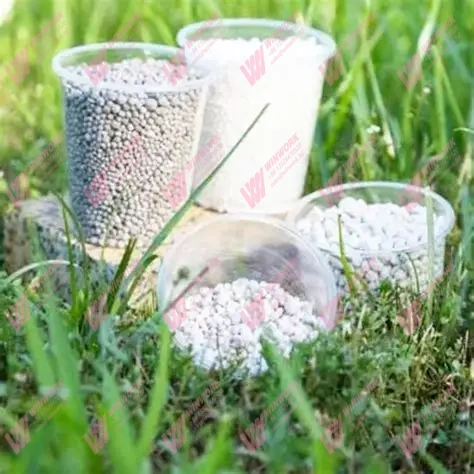
How to Truly Refuse to Burn the Seedlings
Refuse to burn the seedlings is To prevent seedling burn, remember these three essentials:
Ferment thoroughly, Raw materials like urea or fresh proteins release concentrated nitrogen too quickly. Fermentation breaks them down into gentle, plant-safe forms.
Dilute enough, Whether liquid or powdered, always mix with plenty of water. When in doubt, use weaker solutions.
Choose mild fertilizers, Beginners should start with gentle organic sources like composted manure or bean cake, not high-nitrogen chemical mixes.
Following these steps is the heart of Refuse to burn the seedlings, ensuring your plants get a nutrient soup rather than a chemical shock.
Tools needed for fertilization
You don’t need fancy gear to make safe organic fertilizers to Refuse to burn the seedlings. Here’s the beginner-friendly list:
Make some boxes or bottles with lids, in order to keep a closed space and prevent the raw material spread and outside insects.
Shovel or wooden stick, To turn and mix contents for even fermentation. This helps you to Refuse to burn the seedlings.
Mesh filter or cheesecloth, Removes solid particles from liquid fertilizers, preventing clogged nozzles or root suffocation.
Watering can with fine rose, Allows controlled pouring of diluted fertilizer.
Digital scale, Measures ingredients accurately; guessing can lead to dangerous concentrations.
Gloves and mask, Protects you from dirt, odors, and possible pathogens when handling raw manure or oily cakes.
This is the basic toolkit to help you Refuse to burn the seedlings without spending much.
And if there’s large scale fertilizer you need, you should choose more professional equipment.
The Vertical Fermentation Tank is a specialized unit designed for efficient aerobic fermentation of organic waste, agricultural residues, sludge and other compostable materials. This fermenter features a vertical structure and a compact design that maximizes space utilization while providing excellent mixing and aeration capabilities. It is widely used in the production of organic fertilizers, compost and other bio-products with the advantages of high efficiency and reduced environmental pollution.
Crawler compost turner is an advanced compost turning equipment, specially designed for compost fermentation process, with the advantages of high efficiency, stability, easy operation and so on.

Compost Turner Working Site
Crawler compost tumbler realizes automatic operation through crawler walking system, which is the necessary equipment for producing organic fertilizer granules and widely used in organic fertilizer production line.
The dynamic batching system is a batching system used in fertilizer production. It can automatically adjust the flow and speed of various raw materials according to different formulas and needs to achieve accurate proportions and uniform mixing.
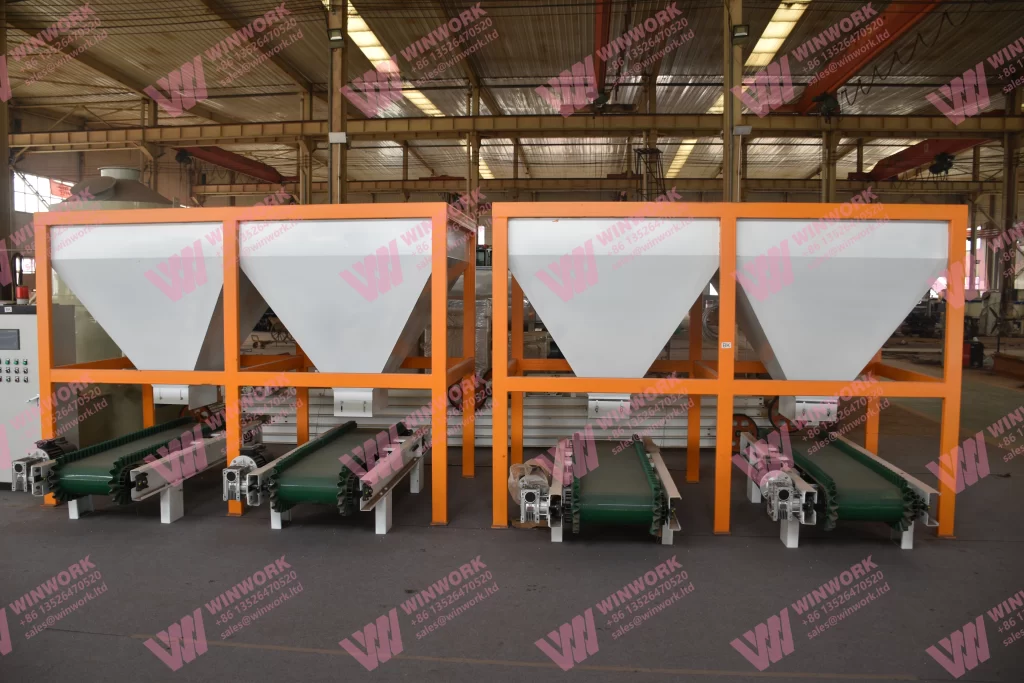
batching equipment
Working all these steps well, we can Refuse to burn the seedlings.
Three Beginner-Friendly Methods to Refuse to Burn the Seedlings
Method 1: Bean Cake Liquid Fertilizer
Ingredients: Bean cake (leftover from oil pressing), brown sugar, water, optional EM bacteria.
Steps:
Crush the bean cake, place in a bucket, add sugar (to promote fermentation) and water at a ratio of 1:1:10.
Seal the lid, store in a shady spot, and stir every 3 days (wear gloves).
In summer, it’s ready in about 15 days; in winter, about 1 month. It should smell earthy or slightly winery, with no foul odor.
Filter, then dilute 10–20 times with water before applying. This gentle nitrogen source won’t scorch roots.
Method 2: Composted Chicken Manure Liquid (Full Nutrient)
Ingredients: Dry chicken manure (not fresh, to reduce smell), straw powder, water.
Steps:
Mix manure and straw powder 3:1, moisten with water until it holds shape but doesn’t drip.
Place in a sealed container, stir every 10 days in summer or 20 days in winter.
When manure turns dark brown, loses its smell, and shows white fungal threads, it’s ready.
Filter and dilute 20–30 times. Perfect for vegetables and fruit plants—steady nutrition, no root burn.
Method 3: Kitchen Scrap Fertilizer (Home Gardener’s Choice)
Ingredients: Vegetable leaves, fruit peels (avoid onion and garlic), leftover rice, EM bacteria.
Steps:
Chop scraps, put in a bucket, add EM bacteria and water to cover.
Cover with lid slightly ajar (to prevent pressure buildup), stir daily for 1 minute.
After about 1 month, the liquid turns dark brown. Filter and dilute 50 times. Safe for flowers, herbs, and small vegetable patches.
All three methods reflect the principle of Refuse to burn the seedlings by focusing on full fermentation and generous dilution.
Choosing Ingredients to Refuse to Burn the Seedlings
Right ingredients mean safe fertilizer:
Nitrogen sources: Bean cake, composted chicken manure, vegetable scraps (mild, safe after fermentation).
Phosphorus sources: Bone meal (small amounts, more stable when fermented), superphosphate (use sparingly, not for beginners).
Potassium sources: Wood ash (apply only after composting, never directly), dried banana peels (ground and soaked).
Never use raw chemical fertilizers, unfermented fresh manure, or high-concentration synthetic solutions—these break the rule of Refuse to burn the seedlings.
FAQ
Q1: How do I know fermentation is complete?
A: Check color (dark brown), smell (earthy or wine-like, no rot), and temperature (matches room temp, not hot).
Q2: What dilution ratio should I start with?
A: Beginners should dilute 10 times, observe plants for 3 days, then adjust if there’s no damage. Better too weak than too strong.
Q3: What if bugs appear during fermentation?
A: Improve sealing, or drill small holes covered with mesh to allow airflow while keeping insects out.
Q4: My seedlings got burned—what now?
A: Immediately flood the soil with clean water to dilute fertilizer concentration. Repeat 2–3 times. Severely damaged plants may need replacing.
Q5: Can organic fertilizer fully replace chemical fertilizer?
A: For home or small-scale growing, yes. For high-yield field crops, combine both—but organic matter improves soil health long-term.
Q6: Can I ferment in winter?
A: Yes, but it’s slower. Keep the container indoors or in sunlight and be patient. Don’t rush to use unfinished batches.
Conclusion
Growing plants is like raising children—you must be gentle and attentive. Mastering Refuse to burn the seedlings with proper fermentation and dilution means you can make organic fertilizers safely, even as a beginner. This article explained the causes of seedling burn, prevention strategies, necessary equipment, ingredients, and three foolproof methods. Remember: protect the seedlings first, worry about feeding later. With these skills, you’ll grow strong, healthy plants and enjoy better harvests year after year.
For more details, please feel free to contact us.
Email: sales@lanesvc.com
Contact number: +8613526470520
Whatsapp: +8613526470520
Get A Quote