

Introduction
Nitrogen is essential for crop growth, but it is also easily lost. Farmers often apply urea expecting strong yields, yet a significant portion can be lost through volatilization, leaching, or denitrification, which reduces efficiency and can harm the environment.
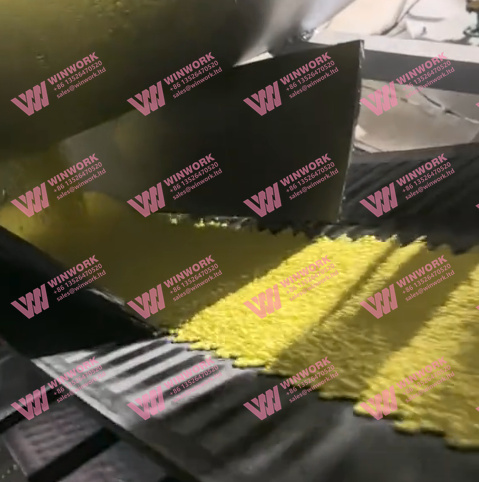
Controlled-release fertilizers have emerged to address this issue. Among them, SCU fertilizer for agriculture has gained attention worldwide. SCU, or sulfur-coated urea, releases nitrogen gradually, helping nutrients match the crop’s needs more closely.
Today, SCU fertilizer for agriculture is used in cereals, vegetables, orchards, and turf. Its popularity is growing as farmers seek higher efficiency and sustainability. Understanding its use, benefits, and production process helps growers and industry professionals make better decisions.
Why Nitrogen Management Is a Global Concern
Nitrogen drives leaf growth, chlorophyll formation, and protein synthesis. Without enough nitrogen, crops struggle to reach yield potential. However, applying more fertilizer does not automatically mean better results.
Traditional urea dissolves quickly after application. If crops cannot absorb the nitrogen in time, losses occur. Rainfall can move nitrate beyond root zones, while high temperatures can increase ammonia volatilization. Waterlogged soils may trigger denitrification.
These processes explain why nitrogen use efficiency is often lower than expected. In many regions, only a portion of applied nitrogen is actually taken up by plants. This inefficiency has both economic and environmental consequences.
Here is where SCU fertilizer for agriculture becomes valuable. By slowing nutrient release, it reduces the mismatch between supply and crop demand. Instead of a sudden nitrogen surge, crops receive a steadier flow over time.
How Controlled Release Supports Crop Growth
Plants absorb nutrients according to growth stages. Early growth requires moderate nutrition, vegetative stages demand more nitrogen, and reproductive stages benefit from balanced feeding. Rapid nutrient release does not always match these patterns.
SCU fertilizer for agriculture works through a physical barrier. The sulfur coating delays water contact with the urea core. Moisture enters gradually through small pores or imperfections, dissolving nitrogen slowly.
Soil microbes also influence performance. They oxidize sulfur into sulfate, which plants can absorb. As microbial activity increases with temperature, the coating gradually weakens. This biological interaction helps regulate nutrient release.
Because of this mechanism, SCU fertilizer for agriculture is often described as biologically responsive. It does not rely only on chemical inhibitors but cooperates with natural soil processes.
The result is a smoother nutrient curve that can support stable crop development.
Key Advantages of SCU Fertilizer
1. Improved Nitrogen Use Efficiency
One major benefit of SCU fertilizer for agriculture is higher nitrogen use efficiency. When nitrogen is released slowly, more of it remains available to roots. This can reduce the need for repeated applications and lower total nitrogen input.
2. Extended Nutrient Availability
A properly coated product can supply nitrogen for weeks or even months. This makes SCU fertilizer for agriculture suitable for crops with long growth cycles. Fewer applications mean lower labor and machinery costs.
3. Added Sulfur Nutrition
Sulfur is essential for amino acids and enzymes. Many soils now show sulfur deficiency due to intensive farming and reduced atmospheric deposition. SCU fertilizer for agriculture provides sulfur alongside nitrogen, supporting balanced nutrition.
4. Reduced Burn Risk
Fast-release fertilizers can sometimes cause salt injury if misapplied. Because SCU fertilizer for agriculture releases nutrients gradually, the risk of fertilizer burn is lower when used correctly.
5. Environmental Benefits
Slower release reduces the chance of nitrate leaching and ammonia loss. This makes SCU fertilizer for agriculture attractive in regions concerned about water quality and emissions.
Where SCU Fits Best in Cropping Systems
Different crops respond differently to nutrient timing. Understanding where SCU fertilizer for agriculture fits helps maximize value.
Field crops such as corn and wheat benefit from steady nitrogen supply. Instead of multiple topdressings, a well-planned basal application can support growth for longer periods.
Vegetable producers often prefer consistent feeding. Controlled release helps avoid sudden nutrient fluctuations that can affect quality. In these systems, SCU fertilizer for agriculture can support uniform development.
Perennial crops like orchards and plantations require long-term nutrient availability. A gradual release pattern fits well with their growth habits. Turf managers also use SCU for consistent color and growth control.
Practical Application Guidance
Using SCU fertilizer for agriculture effectively requires attention to local conditions. Soil type, temperature, and moisture influence nutrient release.
In dry climates, release may be slower because water drives diffusion. In warm and moist soils, microbial activity increases, which can accelerate sulfur breakdown. Matching product specification to climate is important.
Placement methods also matter. Broadcasting works for large fields, but band placement near roots can improve efficiency. Blending is possible, though gentle handling helps protect the coating.
Good storage is essential. Keeping SCU fertilizer for agriculture dry and minimizing mechanical impact preserves coating quality. Proper handling ensures the fertilizer performs as designed.
How SCU Fertilizer Is Manufactured
The quality and performance of SCU fertilizer for agriculture depend heavily on precise manufacturing. Producing reliable SCU begins with careful preparation of raw materials, which are crushed and mixed to ensure uniform composition. Granules are then formed and coated with sulfur and sealants to control nitrogen release. Proper drying, cooling, and packaging ensure that the final product maintains consistent nutrient delivery in the field.
Modern production emphasizes efficiency and consistency, with each step carefully controlled to maintain granule strength, coating integrity, and predictable release rates. This process allows farmers to apply SCU with confidence, knowing it will deliver nutrients gradually and reliably.
Key Equipment and Production Process
Producing high-quality SCU fertilizer for agriculture requires specialized equipment working in sequence to ensure uniform granules, consistent coating, and stable nutrient release.
-
Dynamic Batching Machine
Raw materials are measured precisely with a dynamic batching system, ensuring each batch has consistent nitrogen content. Accurate proportioning is critical for nutrient balance and consistent fertilizer performance.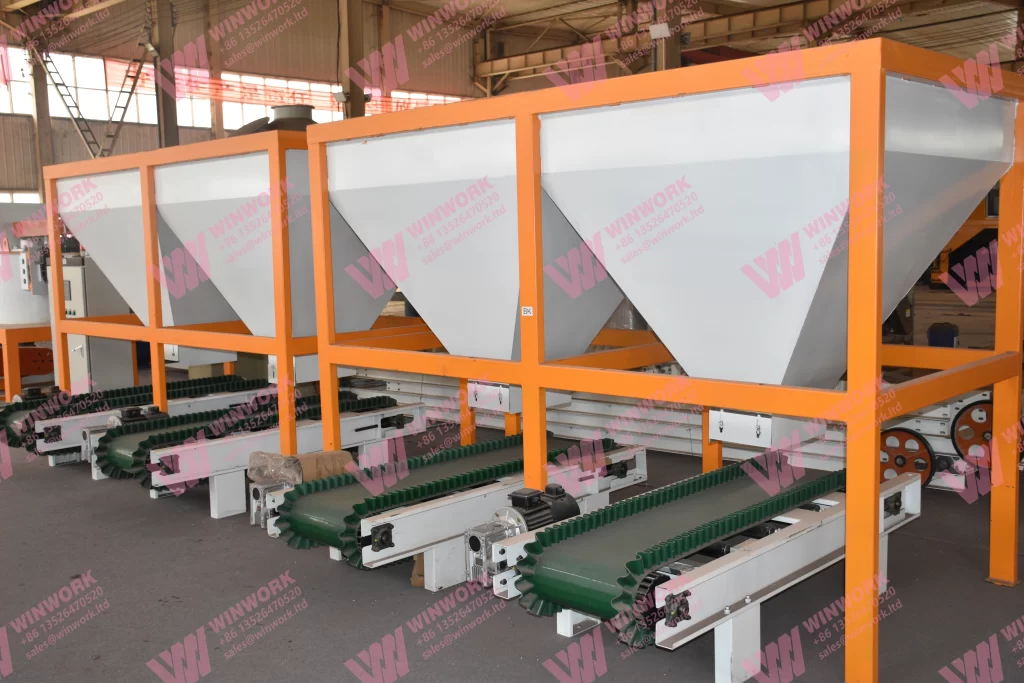
-
Vertical Crusher
Large raw materials are crushed into fine particles suitable for mixing and granulation. Uniform particle size improves granule strength and coating effectiveness. -
Horizontal Mixer
Crushed materials are blended thoroughly in a horizontal mixer. Proper mixing guarantees even nutrient distribution, preventing weak or uneven granules. -
Granulator
These mixtures will be formed into particles using a rotary drum granulator. This equipment produces uniform, high-strength granules that can withstand handling and coating without breaking. -
Coating Liquid Storage Tank & Coating Machine
Coating materials, including molten sulfur and sealants, are stored in a dedicated tank and fed into a coating machine. Granules are tumbled while sulfur and additives are applied, forming a uniform layer that slows nitrogen release. -
Drying and Cooling System
Coated granules pass through a drying and cooling system to stabilize the coating, reduce moisture, and prevent clumping. Controlled drying ensures the fertilizer maintains granule strength and predictable nutrient release. -
Automatic Packaging Machine
Finally, the finished SCU fertilizer is sorted and packed by an automatic packaging machine. This ensures uniform bag weights and protects the granules during transport and storage.
By integrating these machines into a well-designed production line, manufacturers can produce SCU fertilizer for agriculture with consistent quality, reliable nutrient release, and uniform granule size. Each step—from batching to coating and cooling—works together to produce a product that meets both agronomic and market expectations.
Evaluating Product Quality
From a buyer’s perspective, quality differences matter. Not all products labeled SCU perform the same.
Uniform coating, strong granules, and consistent release curves are key indicators. Laboratory tests often simulate soil conditions to evaluate release patterns.
Crush strength also matters. Durable granules resist damage during transport. Damaged coatings can disrupt controlled release.
Reliable suppliers usually maintain quality control systems. When sourcing SCU fertilizer for agriculture, buyers often consider technical capability and production experience.
Economic Value for Farmers
At first glance, SCU fertilizer for agriculture may appear more expensive than standard urea. However, total value includes more than purchase price.
Fewer applications can reduce labor and fuel costs. Improved efficiency may support stable yields. In high-value crops, better nutrient management can improve quality and market returns.
The economic benefit depends on crop type, climate, and management style. In many cases, lifecycle profitability favors controlled-release options.
Environmental and Sustainability Considerations
Sustainable farming is gaining attention worldwide. Governments and markets increasingly encourage responsible nutrient use.
By reducing nitrogen losses, SCU fertilizer for agriculture can support environmental goals. Lower leaching risk helps protect water resources, while reduced volatilization can lower emissions.
Although it is not a standalone solution, SCU fits well into sustainability programs and precision agriculture systems.
Market Trends and Future Outlook
Demand for efficiency-focused fertilizers continues to grow. Precision farming tools allow growers to manage nutrients more carefully. In this context, SCU fertilizer for agriculture aligns with data-driven management.
Research into improved coatings and biodegradable materials may further enhance performance. As awareness grows, adoption is likely to expand in both developed and emerging markets.
For producers, SCU represents a value-added segment rather than a bulk commodity. Technical expertise and reliable equipment are key for success.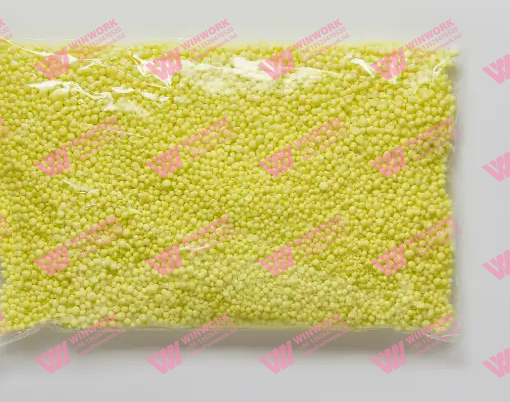
A Balanced Perspective
Despite its strengths, SCU fertilizer for agriculture is not a universal replacement for all fertilizers. Balanced nutrition, soil testing, and crop monitoring remain essential.
Its value is highest when matched with proper agronomic planning. Farmers should evaluate local conditions and economic factors before adoption.
Conclusion about SCU Fertilizer for Agriculture
Efficient nitrogen management is central to productive agriculture. SCU fertilizer for agriculture offers a practical approach by combining controlled nitrogen release with sulfur nutrition. Its success depends on correct application, sound agronomy, and high-quality manufacturing.
For farmers, it can support yield stability and reduce nutrient losses. For producers and investors, it represents a technology-driven opportunity. As agriculture continues to pursue efficiency and sustainability, SCU fertilizer for agriculture is likely to remain an important tool in modern nutrient management.
For more details, please feel free to contact us.
Email: sales@lanesvc.com
Contact number: +8613526470520
Whatsapp: +8613526470520


Get A Quote