

Introduction
The pet care market has witnessed significant growth, driving the demand for high-quality cat litter worldwide. Among the various types available, silicone cat litter is particularly popular for its superior moisture absorption, odor control, and minimal dust production. Central to the production process is the silicone cat litter making machine, which transforms raw silicone materials into uniform granules suitable for retail and bulk distribution.
Manufacturers investing in the machine can ensure consistent production output, high-quality granules, and operational efficiency. This article outlines the entire production workflow, key features of the machine, best operational practices, quality control measures, and maintenance considerations to provide a practical reference for manufacturers.
Understanding Silicone Cat Litter
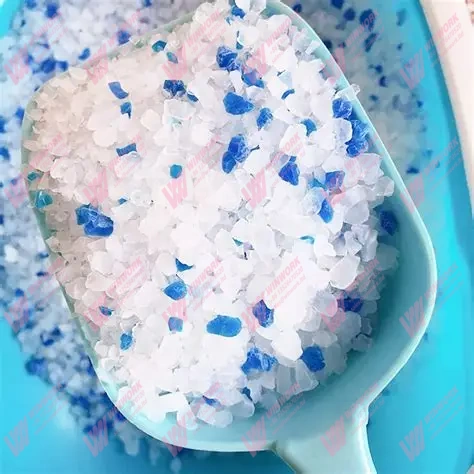
Silicone cat litter is primarily made from silica gel or other absorbent silicone compounds, which provide superior performance compared to traditional clay-based litter. Its granular structure allows excellent moisture retention while minimizing dust, creating a cleaner environment for pets and users.
A well-designed silicone cat litter making machine ensures that each batch of cat litter achieves consistent particle size, optimal absorbency, and high-quality finish. Manufacturers benefit from machines capable of producing various granule sizes, catering to diverse market requirements.
Advantages of silicone cat litter include:
-
High moisture absorption and rapid clumping
-
Effective odor control for longer periods
-
Minimal dust emission for cleaner handling
-
Compatibility with optional additives such as fragrances or antibacterial agents
By using a silicone cat litter making machine, producers can meet these performance standards efficiently.
Raw Material Selection and Preparation
High-quality raw materials are crucial for producing premium silicone cat litter. The main ingredient, silica gel, should meet strict standards for purity, moisture content, and particle size. Optional additives, including odor absorbers, binders, or fragrances, can enhance performance and market appeal.
Preparation steps for the silicone cat litter making machine include:
-
Screening and sieving: Ensures uniform particle size and removes impurities.
-
Drying: Adjusts moisture content to the ideal range to prevent clumping during granulation.
-
Blending: Creates a homogeneous mixture of silica gel and additives, ready for feeding into the machine.
Proper raw material preparation ensures smooth operation, reduces downtime, and maintains consistency in granule quality.
Working Principle of the Silicone Cat Litter Making Machine
The machine uses a combination of mechanical and thermal processes to convert raw materials into uniform granules. Its production stages typically include:
-
Feeding system: Raw materials are continuously delivered via hoppers or conveyors, ensuring stable operation.
-
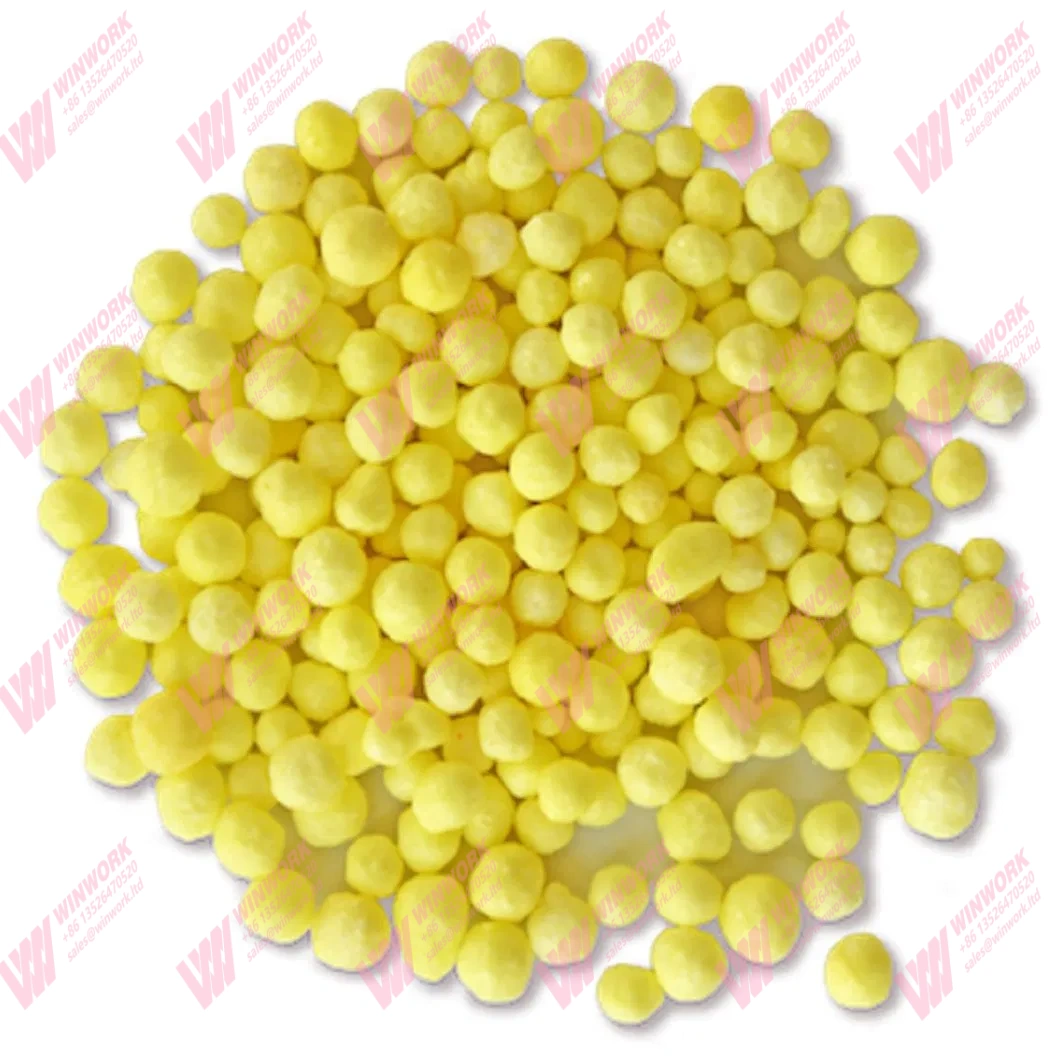
Granulation: Materials pass through a disc granulator, rotary drum granulator, or double roller granulator to form uniform granules. Machine parameters such as speed and moisture content control granule size.
-
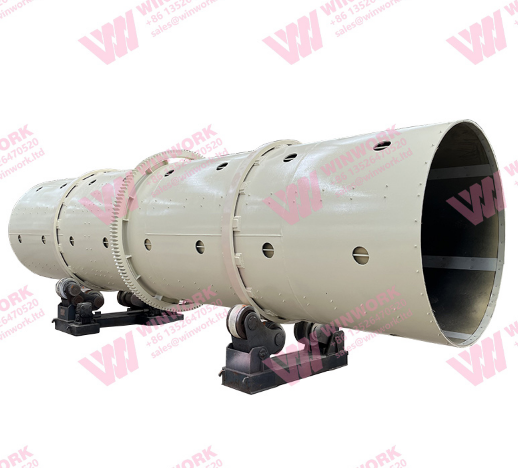
Drying: Granules are dried in a rotary dryer, stabilizing product moisture and ensuring long shelf life.
-
Screening: Oversized or undersized granules are separated, maintaining product uniformity.
-
Packaging: Automated packing systems fill retail bags or bulk containers, ready for distribution.
Integration of the machine into a complete production line allows continuous operation, reduces labor needs, and maintains consistent product quality.
Key Features of a High-Quality Silicone Cat Litter Making Machine
Selecting the right machine is critical for achieving production efficiency and consistent product quality. Features to consider include:
-
High throughput: Supports both small-scale and industrial production volumes.
-
Granule size adjustability: Allows production of litter for different customer preferences.
-
Low dust design: Ensures a cleaner work environment and reduces material loss.
-
Energy efficiency: Minimizes electricity consumption while maintaining granule quality.
-
Ease of maintenance: Machines with accessible components and durable parts reduce downtime.
Investing in a high-performance silicone cat litter making machine provides operational stability and long-term profitability.
Optimizing Production Workflow
Efficiency in production relies on workflow optimization for the silicone cat litter making machine. Strategies include:
-
Automated feeding and batching: Ensures consistent material flow and reduces labor costs.
-
Real-time monitoring: Sensors and control panels detect deviations and allow timely adjustments.
-
Standard operating procedures: Uniform mixing, granulation, drying, and screening processes improve batch consistency.
-
Preventive maintenance: Regular inspections prevent breakdowns, maintain efficiency, and extend machine life.
Proper workflow management ensures that the silicone cat litter making machine delivers high-quality litter consistently and efficiently.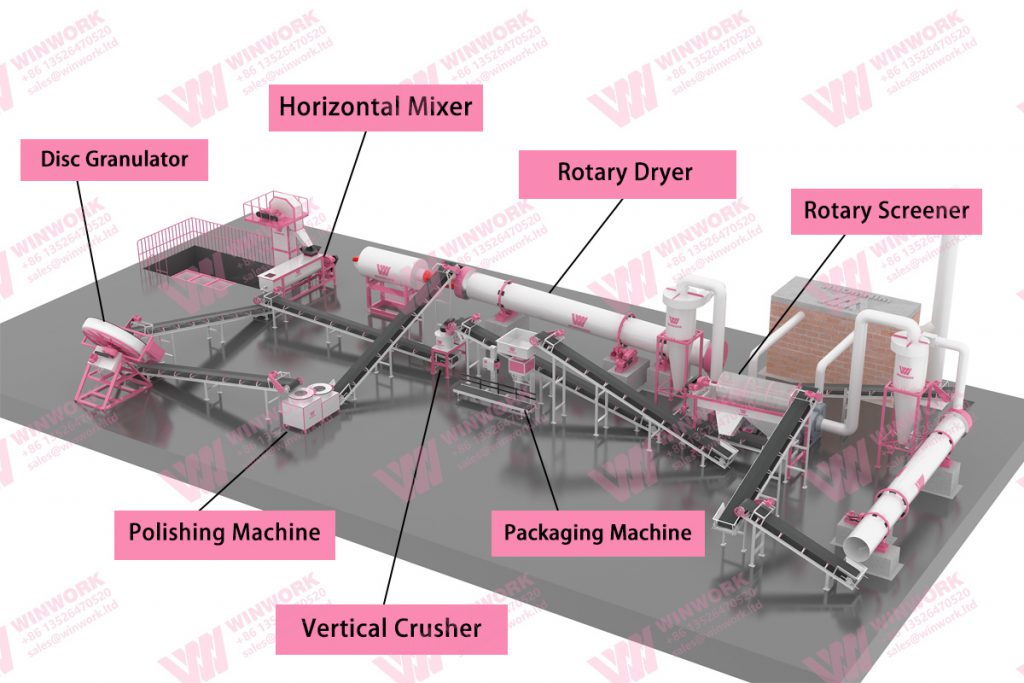
Quality Control Measures
Maintaining product quality is essential for market success. Quality control measures for the silicone cat litter making machine include:
-
Raw material testing: Ensures silica gel purity, moisture content, and particle size are within specifications.
-
Granule consistency checks: Confirms uniform size, shape, and density.
-
Absorbency and clumping tests: Verifies product performance against standards.
-
Dust emission evaluation: Ensures low dust levels during production for safe handling.
Implementing these measures guarantees product reliability and strengthens consumer trust.
Maintenance and Safety
Regular maintenance ensures the silicone cat litter making machine operates efficiently and safely. Best practices include:
-
Daily cleaning: Prevents material residue buildup and reduces contamination.
-
Lubrication: Minimizes wear of moving parts and ensures smooth operation.
-
Periodic inspections: Detects potential issues in motors, belts, or electrical components before failures.
-
Operator safety training: Protective gear and proper training minimize workplace accidents.
Adherence to maintenance and safety protocols prolongs machine life and maintains consistent production quality.
Market Trends and Opportunities
Silicone cat litter demand is increasing due to its superior performance and convenience. Manufacturers using a silicone cat litter making machine can capitalize on:
-
Retail expansion: Growing interest in premium pet care products.
-
E-commerce platforms: Broader market reach and faster delivery.
-
Custom formulations: Fragrances, antibacterial agents, and eco-friendly variants meet diverse consumer needs.
-
Bulk supply: Pet care companies require consistent, high-quality silicone litter produced efficiently.
Investing in the machine allows manufacturers to remain competitive and seize emerging market opportunities.
Practical Tips for Manufacturers
Manufacturers can enhance efficiency and profitability by:
-
Selecting a silicone cat litter making machine suited to production scale.
-
Tracking production batches for quality assurance and traceability.
-
Training operators in machine operation, troubleshooting, and preventive maintenance.
-
Optimizing energy use during granulation and drying stages.
-
Building strong relationships with suppliers for consistent material quality and delivery.
Following these practices ensures smooth operation, reduced production costs, and high-quality output.
Conclusion
The silicone cat litter making machine is essential for producing premium silicone cat litter efficiently. From raw material preparation to granulation, drying, screening, and packaging, each step requires careful planning, skilled operation, and proper equipment selection. Manufacturers who invest in advanced machines, implement quality control, and optimize workflow can produce consistent, high-quality silicone cat litter that meets growing market demands.
Understanding the functions, workflow, and operational strategies of the silicone cat litter making machine enables manufacturers to deliver superior products, satisfy both retail and wholesale markets, and achieve long-term success in the competitive pet care industry.
For more details, please feel free to contact us.
Email: sales@lanesvc.com
Contact number: +8613526470520
Whatsapp: +8613526470520
Get A Quote