

Introduction
If you’ve ever looked at a pile of kitchen scraps, garden clippings, or livestock manure and thought, “There’s got to be a better use for this,” you’re not alone. Disposing of organic waste is a growing problem for cities, but for smallholders, it’s also a missed opportunity. The solution? A small-scale composting method that fits in a backyard, a small farm, or even a tiny animal shelter. This method is simple, affordable, and good for the planet—and it turns your trash into black gold for your soil.
Why a Small-Scale Composting Method Works for Everyone
Whether you have a 10-square-meter garden, a 1-acre homestead, or a 20-animal farm, a small-scale composting method can:
Cut waste: Divert up to 50% of household or farm garbage from landfills.
Reduce pollution: Prevent nutrient runoff and methane emissions from decomposing waste.
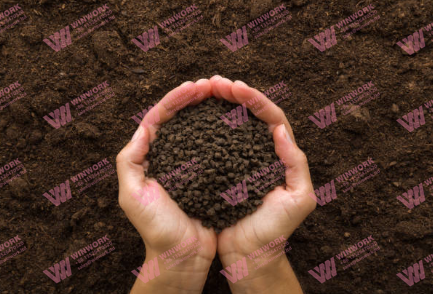
Make fertilizer: Produce free, organic compost to feed plants, vegetables, or pasture.
Save money: Replace store-bought chemical fertilizers and soil conditioners.
The beauty of a small-scale composting method is that it’s flexible. You can start with a single bin and grow your system as your needs expand.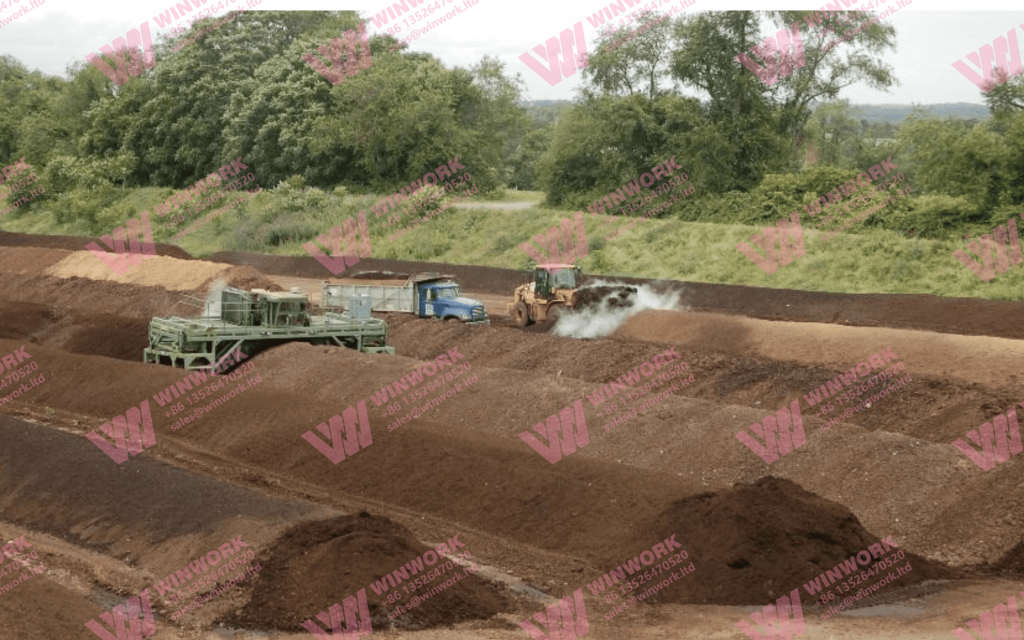
How a Small-Scale Composting Method Works: Step-by-Step
Choose Your Spot
Pick a well-drained, level area in partial shade. For a small-scale composting method,a small bin is a good starting size. You can build it from wood pallets, wire mesh, or buy a ready-made plastic composter.
You’ll need a mix of greens and browns:
Greens: Kitchen scraps, fresh grass, coffee grounds, manure.
Browns: Dried leaves, straw, sawdust, shredded cardboard.
Aim for a 3:1 ratio of browns to greens. This balance is the secret to a fast, odor-free small-scale composting method.
Layer and Moisten
Alternate layers of greens and browns in your bin. Sprinkle water between layers so the pile feels like a wrung-out sponge. Too dry, and decomposition stalls; too wet, and it stinks.
Turn the Pile
Every 1–2 weeks, use a pitchfork or compost aerator to turn the pile. This adds oxygen, speeds up decomposition, and prevents bad smells. For a small-scale composting method, turning by hand is usually enough.
Wait and Harvest
In 2–3 months, the pile will shrink, turn dark brown, and smell earthy. It’s ready to use! Screen out any large chunks, and mix the fine compost into your soil.
Equipment Needed
Crawler compost turner is an advanced compost turning equipment, specially designed for compost fermentation process, with the advantages of high efficiency, stability, easy operation and so on.
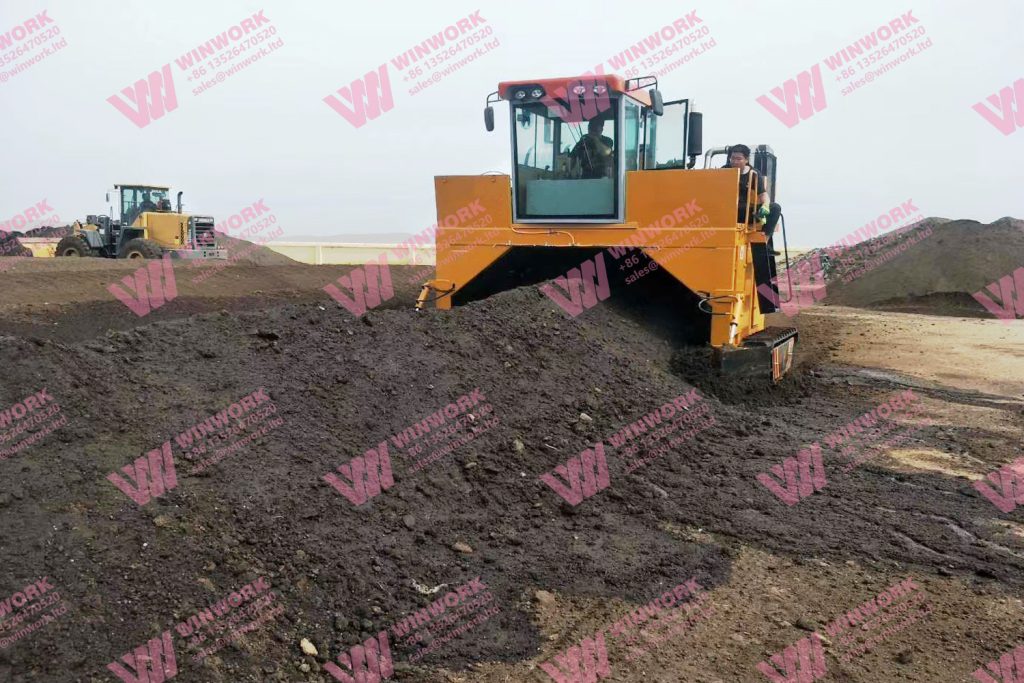
Crawler compost tumbler realizes automatic operation through crawler walking system, which is the necessary equipment for producing organic fertilizer granules and widely used in organic fertilizer production line.
The Horizontal Fermentation Tank is a state-of-the-art equipment designed for the effective aerobic fermentation of organic waste, agricultural residues, sludge, and other compostable materials. Unlike vertical tanks, the horizontal design allows for larger capacity and more uniform fermentation.
The Horizontal Fermentation Tank is widely used in the production of organic fertilizers and compost, offering numerous advantages in terms of efficiency, control, and environmental impact.
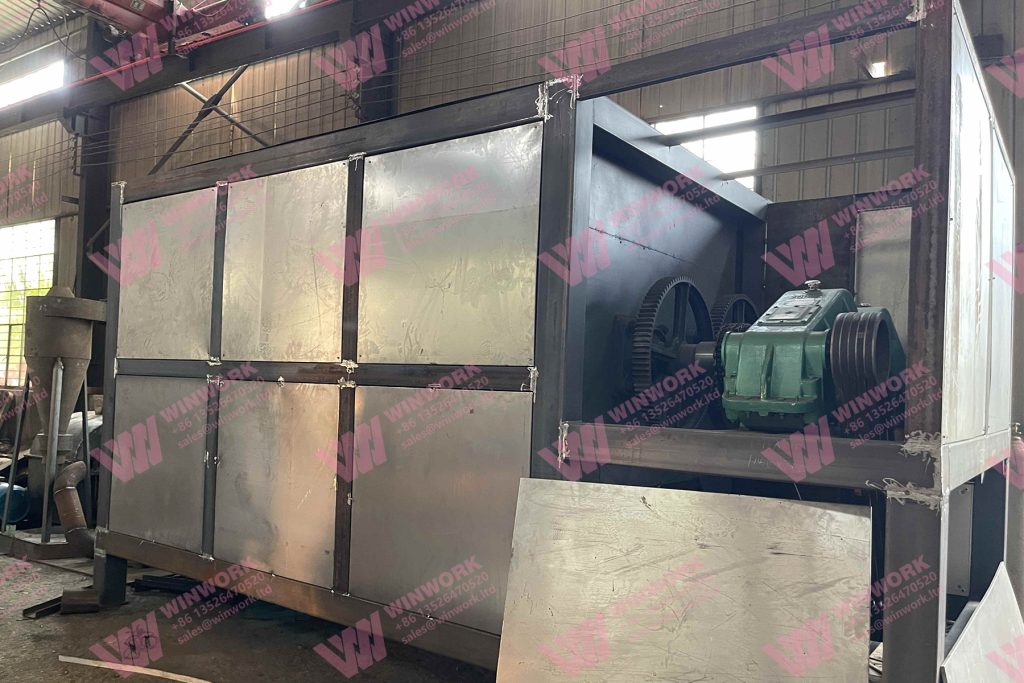
These are the machines that can compost materials well in many ways, and especially for large-scale livestock farms or manure treatment plants, using these devices is more efficient and convenient.
Real-Life Examples of Small-Scale Composting Method
Home Gardener (Urban/Suburban)
Ms. Li, a city dweller with a 15m² balcony garden, uses a 120-liter plastic composter. She adds kitchen scraps, coffee grounds, and shredded paper. In 3 months, she harvests 20 liters of compost for her potted tomatoes and herbs. Her small-scale composting method cut her household waste by 40% and eliminated the need for store-bought fertilizer.
Small Farm (1–5 Acres)
The Zhang family runs a small vegetable farm. They use three wooden pallet bins for a small-scale composting method that processes crop residues, garden clippings, and chicken manure. They turn the piles with a pitchfork every 10 days. The resulting compost replaces 60% of their synthetic fertilizer, saving $500/year.
Tiny Livestock Operation (10–20 Animals)
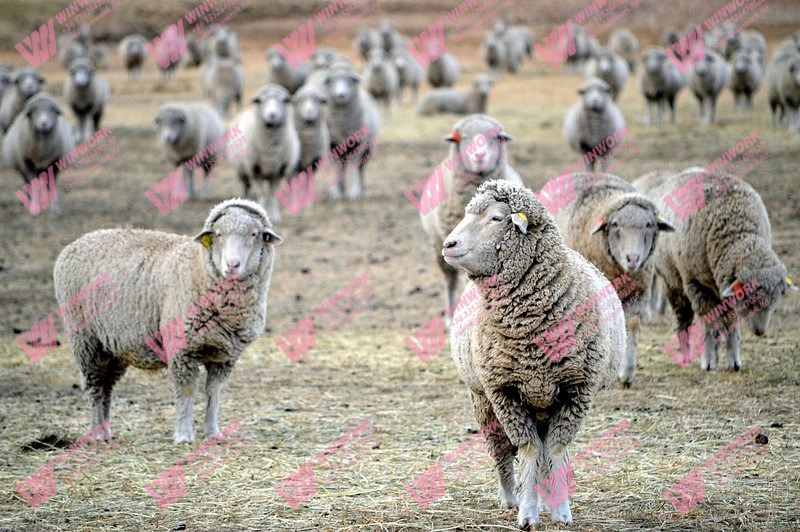
Mr. Wang keeps 15 goats. He uses a small-scale composting method with a simple wire-mesh bin. Goat manure mixed with straw and food scraps becomes compost in 2.5 months. He applies it to his pasture, improving grass growth and reducing bought-in feed costs.
FAQ: Your Questions About Small-Scale Composting Method Answered
Q1: Can I compost in an apartment?
A: Yes! Use a compact bin with a charcoal filter to control odor. A small-scale composting method works on balconies or even under the sink with a worm bin.
Q2: What can’t I put in a small-scale composting method?
A: Avoid meat, dairy, oily foods, and pet waste—they attract pests and smell bad.
Q3: How do I know when the compost is ready?
A: It’s dark, crumbly, and smells like forest soil. No original materials should be recognizable.
Q4: How often should I turn the pile?
A: Every 1–2 weeks for a small-scale composting method. More frequent turning speeds up the process.
Q5: Can I use only manure in a small-scale composting method?
A: No, it’s too high in nitrogen. Mix with carbon materials like straw or sawdust.
Q6: Is small-scale composting method smelly?
A: Not if you balance greens and browns and turn the pile. Bad smells mean it’s too wet or lacks oxygen.
Q7: How much compost can I make?
A: A 1m³ bin can produce 300–400 liters of compost per batch.
Q8: Can I sell compost from a small-scale composting method?
A: Yes! Local gardeners and small farms often pay $10–$30 per 20-liter bag.
Q9: Do I need to add worms?
A: Only for vermicomposting, a type of small-scale composting method for kitchen scraps. For yard waste, regular composting works without worms.
Q10: How do I start?
A: Buy or build a bin, collect greens and browns, layer them, and turn weekly. That’s the whole small-scale composting method!
Conclusion
A small-scale composting method is the easiest way to turn waste into wealth, whether you have a windowsill herb garden or a small farm. It’s low-cost, low-tech, and good for the environment. By following a few simple steps—choosing the right spot, balancing materials, and turning the pile—you can create free, organic fertilizer that improves your soil and reduces your ecological footprint. The best part? You can start today with a single bin and a handful of kitchen scraps.
For more details, please feel free to contact us.
Email: sales@lanesvc.com
Contact number: +8613526470520
Whatsapp: +8613526470520
Get A Quote