

Introduction
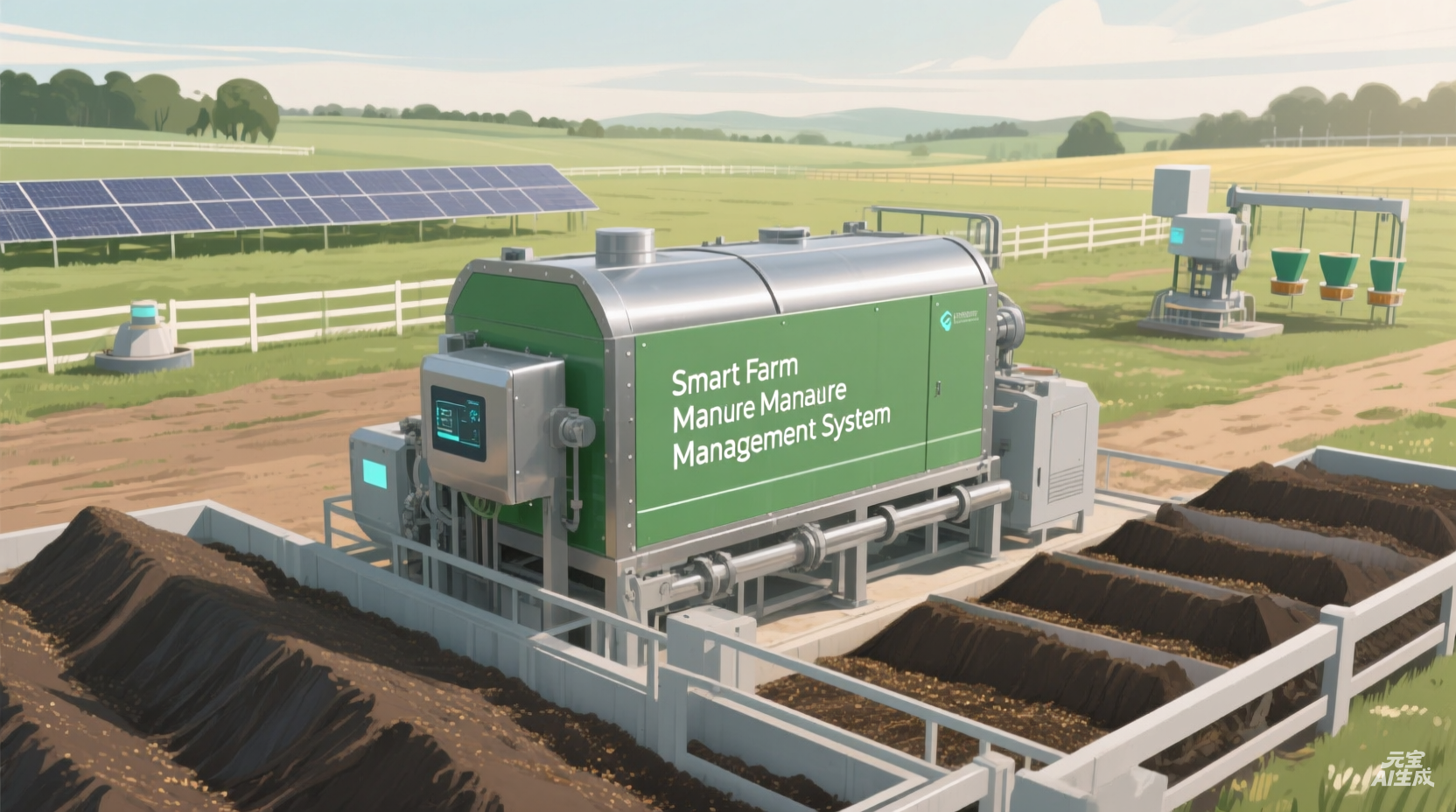
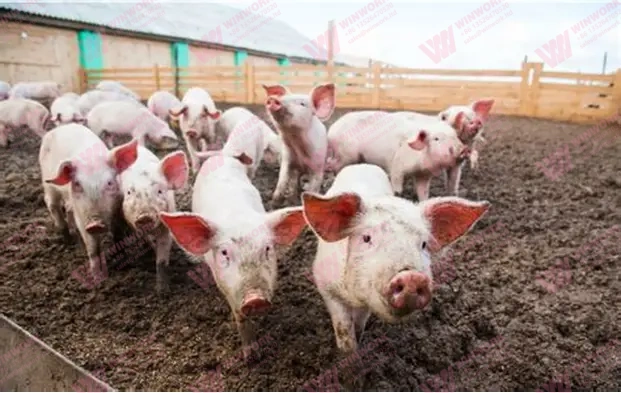
Let’s face it—handling manure is one of the least glamorous jobs on any livestock farm. It smells, it’s heavy, and if you don’t manage it right, it can pollute your land and sour relations with neighbors. For years, farmers relied on basic methods: pile it up, turn it when you remember, and hope for the best. But today, technology offers a much better way.
The Smart Farm Manure Management System is changing the game by automating tasks, controlling conditions precisely, and turning waste into a predictable, profitable resource. If you’ve ever searched for how to handle manure more efficiently, the answer is simple: upgrade to a Smart Farm Manure Management System.
What Is a Smart Farm Manure Management System?
A Smart Farm Manure Management System is an integrated setup that combines sensors, automated equipment, and data monitoring to manage every stage of manure handling—from collection and separation to composting, drying, and application. Unlike traditional methods that depend on guesswork and manual labor, this system continuously measures variables like moisture, temperature, and oxygen levels, adjusting airflow, moisture, and mixing in real time.
In short, it’s like giving your compost pile a brain and a set of robotic arms.
What Equipment Makes Up a Smart Farm Manure Management System?
The power of a Smart Farm Manure Management System comes from the blend of hardware and software working together. Typical components include:
Automated Solid-Liquid Separator: Sorts manure into solid and liquid streams without constant supervision.
Climate-Controlled Compost Barn or Tunnel: Enclosed spaces where temperature, humidity, and airflow are monitored by sensors and adjusted automatically.
Robotic or Motorized Compost Turner: Activated based on sensor readings to aerate the pile only when needed.
Moisture and Temperature Sensors: Placed throughout the compost mass to feed data to a central controller.
Variable-Speed Fans and Ventilation System: Push fresh air in or pull stale air out to maintain aerobic conditions.
Data Dashboard or App: Lets you watch your system’s performance remotely, receive alerts, and adjust settings from your phone or computer.
Together, this equipment ensures that the composting process stays in the “Goldilocks Zone”—not too wet, not too dry, and full of oxygen.
What Is Smart Farm Manure Fermentation Management?
Smart Farm Manure Fermentation Management refers to the precise control of the biological breakdown process inside the compost system. Ordinary fermentation depends on the weather, your memory, and manual turning. Smart management uses continuous feedback from sensors to regulate:
Temperature: Keeping it in the ideal range (55–70°C) to kill pathogens and speed decomposition.
Oxygen Levels: Triggering the turner or fans when oxygen drops below a set threshold.
This method is proactive rather than reactive. Instead of waiting for foul odors or a cold pile, the system corrects conditions before problems start.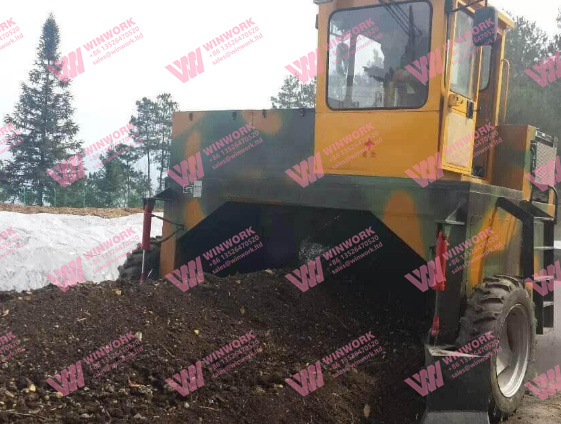
How Is It Different From Ordinary Composting?
Comparing a Smart Farm Manure Management System to ordinary composting is like comparing a self-driving car to driving yourself. Both can get you to the same destination, but one does it with far less stress, higher efficiency, and better results.
Ordinary composting relies on human intervention—you decide when to turn the pile, when to add water, and when to stop. It’s vulnerable to human error, weather delays, and inconsistent results. A Smart Farm Manure Management System automates these decisions based on real-time data, ensuring optimal conditions 24/7.
In ordinary composting, odors often appear before you notice the problem. In smart management, sensors detect falling oxygen or rising ammonia levels early and activate fans or turners to fix it instantly.
The Benefits of a Smart Farm Manure Management System
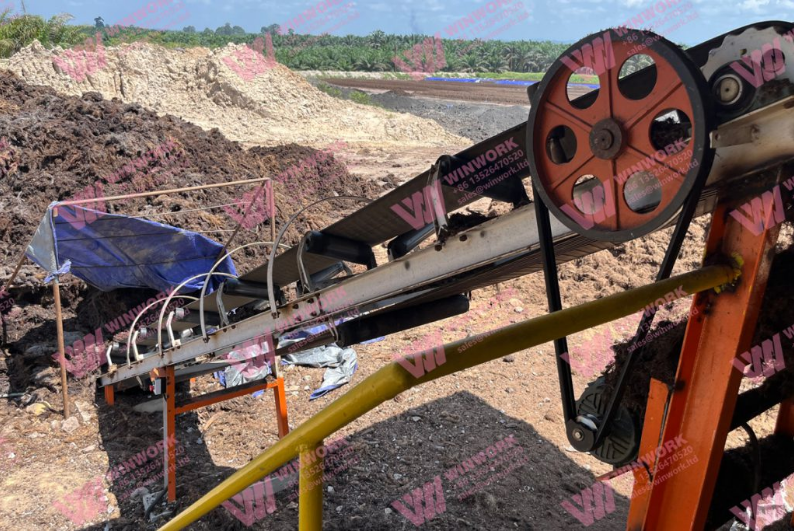
Switching to a Smart Farm Manure Management System offers advantages that go beyond convenience:
Consistent, High-Quality Compost – Precise control means every batch meets the same high standard, making it easier to sell at a premium.
Odor Reduction – Early detection and correction of anaerobic conditions prevent the release of ammonia and hydrogen sulfide.
Labor Savings – Automation reduces the need for daily manual turning and monitoring.
Faster Processing – Maintaining ideal conditions accelerates decomposition, cutting composting time from months to weeks.
Regulatory Compliance – Reliable data logs and controlled emissions make it easier to meet environmental standards.
Resource Efficiency – Better moisture and aeration control means less wasted nitrogen and phosphorus.
Real Farm Example
The Nelsons run a 600-head hog farm. Their old system involved open-air manure pits and periodic turning with a tractor. Odors were a constant complaint, and compost took six months to finish. After installing a Smart Farm Manure Management System, they saw dramatic changes. Sensors triggered the turner automatically, and fans kept air flowing. Compost was ready in five weeks, with no odor complaints. They began selling odorless, certified compost to local vineyards. “Our Smart Farm Manure Management System paid for itself in two years, just in saved labor and fertilizer costs,” says co-owner Amy Nelson.
FAQ: Your Questions About Smart Farm Manure Management Systems Answered
Q1: Is this system only for large farms?
A: No. While large operations benefit most, scaled-down versions exist for small and mid-sized farms. The principles of Smart Farm Manure Management System work at any scale.
Q2: Do I need internet access to use it?
A: Most systems require at least local Wi-Fi to connect sensors and controllers, but some can store data offline and sync later.
Q3: What happens if there’s a power outage?
A: Backup generators or battery systems can keep critical functions running. Manual operation is also possible if automation fails.
Q4: Is it hard to learn how to use?
A: The dashboards are designed to be farmer-friendly. Training is usually provided by the supplier, and the interface resembles smartphone apps.
Q5: How much does a system like this cost?
A: Costs vary widely depending on size and features. Small setups can start around $10,000, while full-scale systems may run $50,000 or more. The labor savings and higher-value compost often justify the investment.
Q6: Can I retrofit my existing compost area?
A: Yes. Many farms add sensors, automated turners, and ventilation controls to their current setups to create a Smart Farm Manure Management System without starting over.
Q7: Will it really cut odors?
A: Absolutely. By maintaining aerobic conditions and reacting to early signs of imbalance, the system prevents the conditions that cause bad smells.
Q8: How is this different from just using a compost turner?
A: A turner is just one piece. A Smart Farm Manure Management System coordinates the turner, fans, moisture control, and data monitoring for optimal results.
Q9: What kind of maintenance does it need?
A: Regular checks of sensors, lubrication of motors, and cleaning of filters. Maintenance is predictable and less intensive than daily manual labor.
Q10: Where can I get one?
A: Specialized agricultural equipment manufacturers and some biotech firms offer Smart Farm Manure Management System packages. Your local extension service can recommend suppliers.
Conclusion
Managing manure doesn’t have to mean endless labor, unpredictable results, and unhappy neighbors. The Smart Farm Manure Management System puts control in the hands of technology, delivering consistent compost quality, lower emissions, and major time savings. By continuously monitoring and adjusting conditions, it solves the problems that plague ordinary composting. For any farmer looking to modernize, this system isn’t just a luxury—it’s the smartest way forward.
For more details, please feel free to contact us.
Email: sales@lanesvc.com
Contact number: +8613526470520
Whatsapp: +8613526470520

Get A Quote