

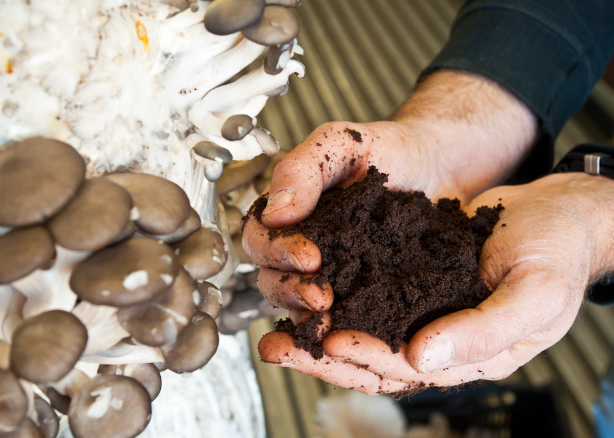
Introduction
There’s nothing quite like the smell of a fresh spring breeze on a farm—unless, of course, that breeze is carrying the unmistakable, nose-wrinkling stench of a poorly managed compost pile. For many farmers, the dream of turning manure into “black gold” hits a wall when the reality of ammonia and rotten-egg fumes sets in.
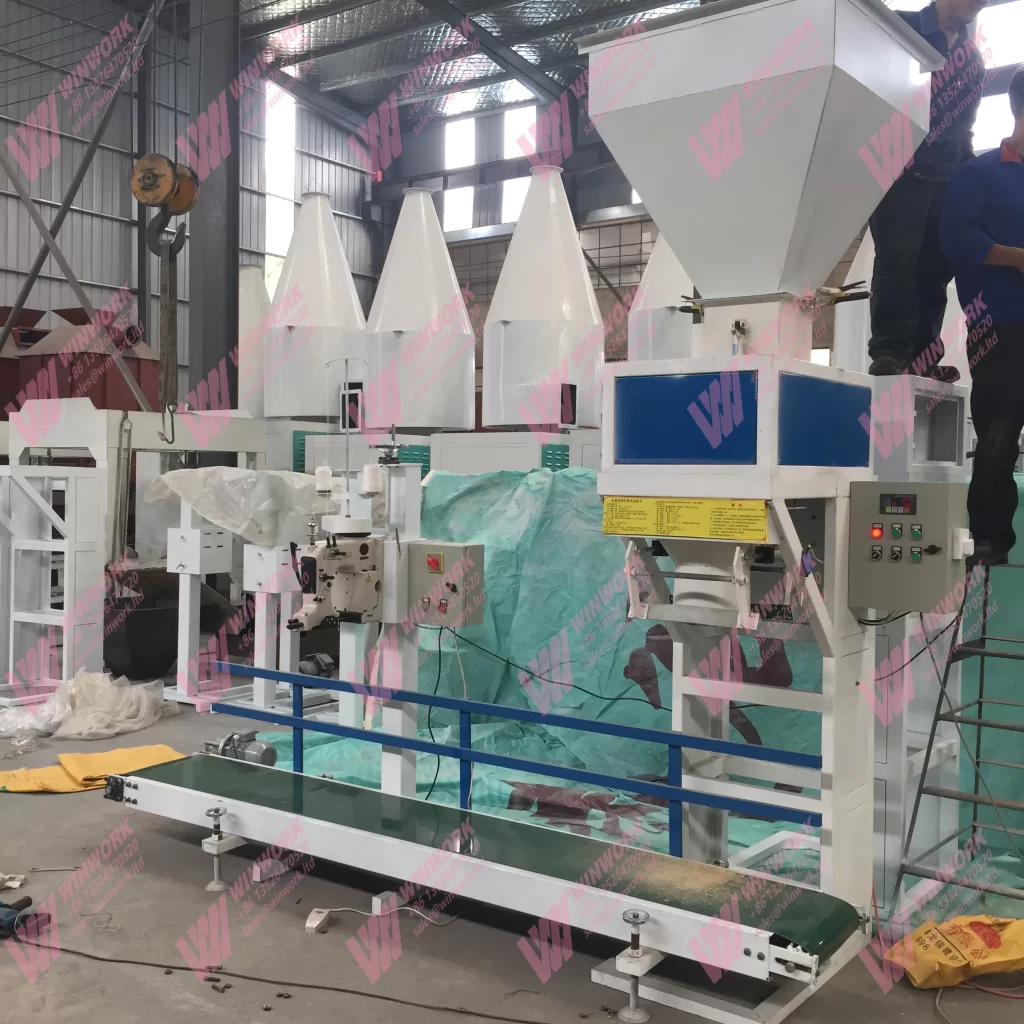
Solve Odor Problems Caused by Composting
The frustration is real. You’re trying to do the right thing for the environment and your soil, but the smell is ruining relationships with neighbors and making your farm a less pleasant place to work. If this sounds familiar, you’re not alone. The good news is that how to solve odor problems caused by composting is a well-understood science, and the solutions are simpler than you think. It’s all about creating the right environment for the good microbes and shutting the door on the bad ones. It tells how to Solve Odor Problems Caused by Composting.
The Root Cause: Why Your Compost Smells Like Trouble
Before we dive into how to solve odor problems caused by composting, we need to understand the enemy. That nasty smell isn’t random; it’s a cry for help from your compost pile. The two main culprits are:
Anaerobic Conditions: This is the most common problem. When your pile doesn’t get enough oxygen, it creates an environment where anaerobic bacteria thrive. These bacteria produce hydrogen sulfide (the smell of rotten eggs) and other foul gases. This happens when the pile is too wet, too dense, or not turned enough.
Ammonia Volatilization (The Pungent Urine Smell): This sharp, eye-watering smell happens when there’s too much nitrogen in the pile relative to carbon. The excess nitrogen is released as ammonia gas. This is especially common with fresh manure, which is very high in nitrogen.
Understanding these two villains is the first step in learning how to solve odor problems caused by composting.
The Solution: A Three-Pronged Attack on Smell
The most effective strategies for how to solve odor problems caused by composting involve managing air, moisture, and ingredients. It’s a simple formula: Aerobic Microbes = Earthy Smell. Anaerobic Microbes equals to Stinky Mess. It tells how to Solve Odor Problems Caused by Composting.
Step 1: Master the Art of Aeration
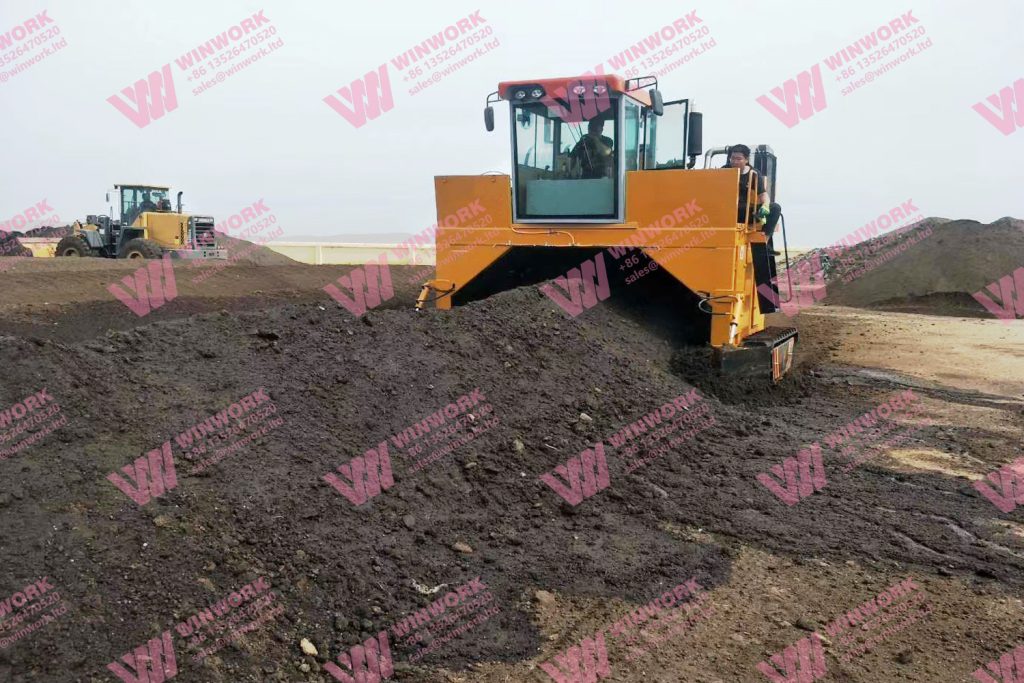
This is the single most important lesson in how to solve odor problems caused by composting. You must get oxygen into the pile. The best way to do this is mechanically with a Compost Turner. This machine lifts, mixes, and fluffs the material, injecting life-giving oxygen into the core of the pile.
Even without a big machine, you can turn the pile with a front-end loader or a pitchfork every 3-5 days. The goal is to prevent any part of the pile from staying soggy and airless. When you aerate properly, the beneficial aerobic bacteria take over, and they produce a mild, earthy, “forest floor” scent. It tells how to Solve Odor Problems Caused by Composting.
Step 2: Balance the Recipe (Carbon is Your Best Friend)
To combat the ammonia smell, you need to dilute the nitrogen. This is where “Carbon” comes in. Think of carbon as the dry, brown ingredients: straw, sawdust, dried leaves, shredded cardboard.
A good rule of thumb is a 25-30:1 ratio of Carbon to Nitrogen. If your manure pile is steaming and reeking of ammonia, it’s telling you it needs more “browns.” Chop up your carbon sources with a Shredder/Crusher to increase their surface area, and mix them thoroughly with the manure. This balances the diet of the microbes and stops the ammonia from escaping.
Step 3: Manage Moisture (Think of a Sponge)
A pile that is too wet is a death sentence for good smells. Excess water fills the air pockets, creating an anaerobic soup. The pile should feel like a wrung-out sponge—damp, but not dripping.
If your compost is soupy, add more dry carbon. If it’s dusty, add water. A simple Moisture Meter is a cheap but invaluable tool for anyone serious about how to solve odor problems caused by composting.
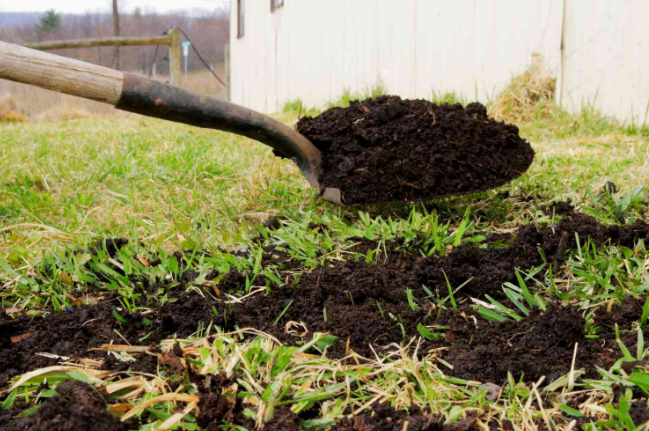
Solve Odor Problems Caused by Composting
The Equipment That Makes It All Possible
Solving odor problems isn’t about luck; it’s about having the right tools. The equipment for how to solve odor problems caused by composting is an investment in peace and profitability.
Compost Turner: This is the hero of the story. A self-propelled or PTO-driven turner is the most effective way to aerate large piles consistently. For smaller operations, a tow-behind unit is a game-changer.
Solid-Liquid Separator: Before you even start composting, use this machine to remove excess water from slurry. Starting with drier material is the easiest way to prevent odor from day one.
Shredder/Crusher: This machine prepares your carbon sources, making them easier to mix and ensuring they absorb moisture and air correctly.
Horizontal crusher, also known as horizontal semi-wet material crusher, is a kind of crushing equipment specially designed to deal with high humidity, organic materials, especially suitable for organic fertilizer production in the material pre-treatment. It tells how to Solve Odor Problems Caused by Composting.
Horizontal crusher adopts a unique double-stage rotor structure, can effectively deal with high humidity materials, such as livestock and poultry manure, city garbage, crop residues and so on. It has high crushing efficiency, even material size, no blockage, no sticking phenomenon, and is one of the indispensable key equipments in organic fertilizer production line.
Biofilter: If you use a mobile composting bin or an enclosed system, a biofilter is a must. It’s a bed of wood chips or compost through which the exhaust air is drawn, filtering out odors before it leaves the system. It tells how to Solve Odor Problems Caused by Composting.
The Payoff: Benefits Beyond a Fresh Nose
The reasons to learn how to solve odor problems caused by composting go far beyond just pleasant smells. The benefits are tangible and profitable:
Neighbor Relations: No more complaints, letters, or angry visits from the township. You become a good neighbor.
Higher Quality Product: An aerobic compost process produces a more stable, safer, and more valuable end product. Customers will pay more for odorless, clean compost.
Faster Composting: Aerobic piles heat up faster and finish sooner. You turn waste into profit in weeks, not months. This the reason of how to solve odor problems caused by composting.
Environmental Compliance: Preventing ammonia and methane emissions keeps you in line with environmental regulations and avoids potential fines.
Solve Odor Problems Caused by Composting
Real Farm Example
The Hendersons raise 5,000 broilers. Their manure was notorious for its ammonia cloud, causing complaints from a nearby housing development. They decided to tackle the problem head-on to master how to solve odor problems caused by composting.
They invested $6,000 in a mid-sized compost turner and started adding straw to their mix.
Within two weeks, the foul ammonia smell vanished.
Their neighbor complaints stopped completely.
They sold their odorless, high-quality compost for $30 more per ton than their competitors.
“We realized that how to solve odor problems caused by composting was the key to our entire business model,” says David Henderson. “We went from pariahs to partners in the community.”
FAQ: Your Questions About How to Solve Odor Problems Caused by Composting Answered
Q1: Is it possible to compost without any smell at all?
A: Yes, with proper management. A well-aerated, balanced pile should smell earthy and mild. Any strong smell indicates a problem that needs fixing.
Q2: My pile smells like rotten eggs. What do I do?
A: This is a classic sign of anaerobic conditions. Immediately turn the pile with a fork or a compost turner to add oxygen. If it’s very wet, add dry carbon like sawdust or straw.
Q3: My pile reeks of ammonia. How do I fix that?
A: Your pile has too much nitrogen. Add a generous amount of carbon-rich material (straw, leaves) and mix it in thoroughly. This will give the microbes something else to “eat” and stop the nitrogen from escaping as gas.
Q4: Do I need to use chemicals to stop the smell?
A: No! Chemicals are a temporary band-aid and can harm the beneficial microbes. The natural solution is to fix the underlying cause: moisture, aeration, and carbon balance.
Q5: Will turning the pile make the smell worse at first?
A: It might temporarily release some trapped gases when you first turn it, but this is a sign you’re fixing the problem. After a few hours, the smell will be gone, replaced by a fresh, earthy scent.
Q6: Can I compost in my backyard without upsetting my family?
A: Absolutely. Use a closed bin or tumbler and make sure to add lots of “brown” material. Keep it moist but not wet, and turn it occasionally. This is a perfect example of how to solve odor problems caused by composting on a small scale.
Q7: What if I can’t afford a compost turner?
A: You can still solve the problem manually. Use a pitchfork to turn the pile every 3-4 days. It’s more work, but it’s highly effective and much cheaper than a machine.
Q8: Does the type of manure matter for odor?
A: Yes. Chicken manure is very “hot” and nitrogen-rich, so it’s prone to ammonia smells. Cow and horse manure are “cooler” but can easily become anaerobic and smelly if not managed.
Q9: How do I know when the odor problem is solved?
A: The pile will smell like fresh earth. The ammonia and rotten-egg smells will be completely gone. The temperature will rise steadily, indicating happy, aerobic microbes are at work.
Q10: Where can I get a compost turner?
A: Many agricultural equipment dealers now carry them. You can also find them through online farm equipment marketplaces. It’s the single best investment you can make for how to solve odor problems caused by composting.
Conclusion
The stink of a failing compost pile is a signal, not a sentence. By understanding the simple science of aeration, moisture, and carbon balance, you hold the key to how to solve odor problems caused by composting. The right equipment—especially a reliable compost turner—is the tool that makes this science work on a farm scale. Don’t let a little smell derail your green farming ambitions. Take control, fix the problem, and enjoy the sweet, earthy reward of a truly successful composting operation.
For more details, please feel free to contact us.
Email: sales@lanesvc.com
Contact number: +8613526470520
Whatsapp: +8613526470520


Get A Quote