

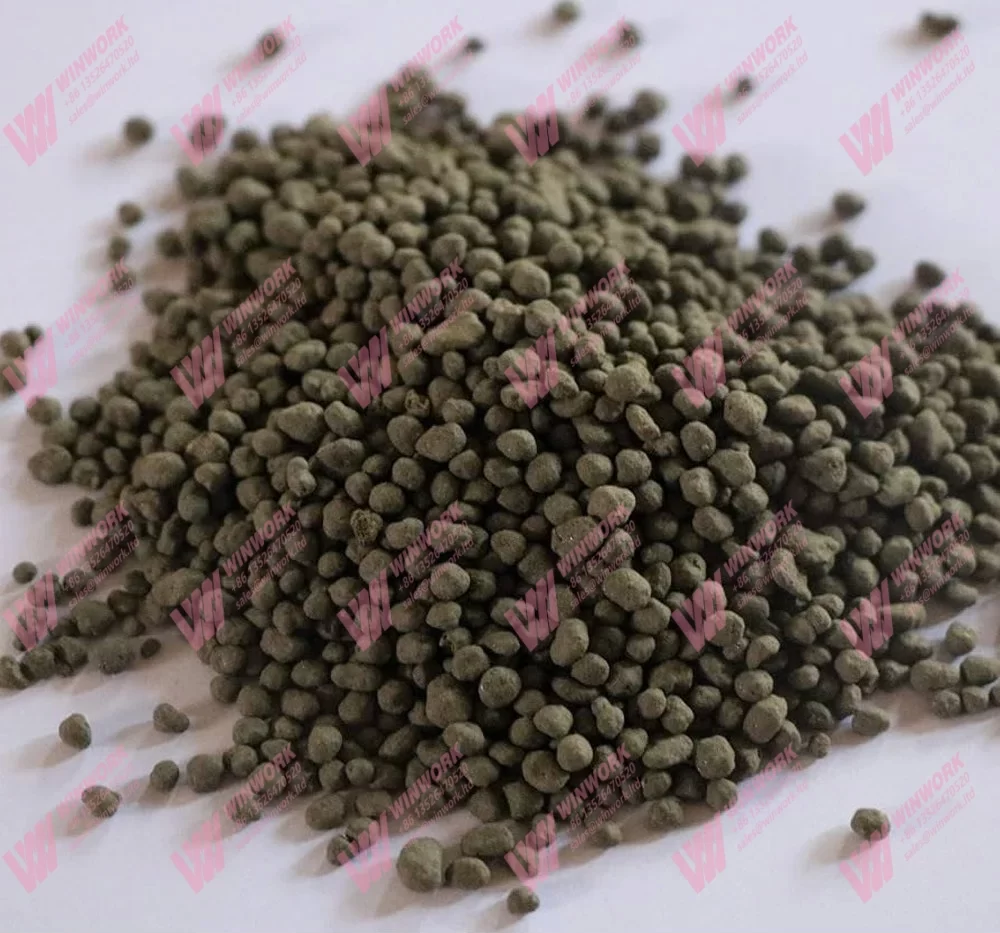
Introduction
Interested in the organic fertilizer market but have a limited budget? And you will give up your thoughts? Please don’t think that way. It is entirely possible to start a small fertilizer business with minimal initial investment. With the rising popularity of green and sustainable agriculture, the organic fertilizer market is booming.
Many entrepreneurs see the opportunity but hesitate because of the perceived high startup costs. The truth is, the key to successfully start a small fertilizer business isn’t a large cost, but a smart, focused, and scalable approach. If you’re wondering how to start a small fertilizer business with little money, the answer lies in localization, asset-light models, and niche targeting. Now we provide a practical road-map on how to start a small fertilizer business with little money, covering affordable equipment, market strategies, and a viable entry model.
Understanding the market and Start a Small Fertilizer Business
As we all know, a good start is the half of success. Before buying any equipment, a clear plan can save you most money. Instead of buying everything, focus on solving a specific problem. And then you can Start a Small Fertilizer Business.
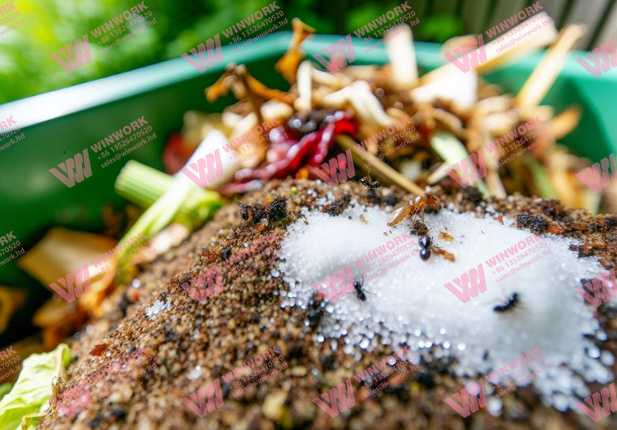
Use Local Raw Materials: Source low-cost or free local waste materials like livestock manure, mushroom residue, or distillery grains. Turning local waste into valuable products is a cornerstone strategy for how to start a small fertilizer business affordably.
Serve Specific Crops: Target local greenhouse vegetable growers, orchard owners, or flower farms. Producing customized blends for their specific needs makes it easier to gain initial customers and build loyalty.
Start with Blending Before Full Production: that is to say, you don’t need to buy all the machines to start from beginning. Sometimes you can buy some semi manufactures. Initially, avoid the complexities of fermentation and granulation. Instead, purchase pre-fermented organic material and focus on blending, bagging, and selling. This dramatically lowers the equipment and technical barriers, which is essential when you want to start a small fertilizer business on a tight budget. And then you can Start a Small Fertilizer Business.
Set up a Small, Smart Production Line
Crawler compost turner is an advanced compost turning equipment, specially designed for compost fermentation process, with the advantages of high efficiency, stability, easy operation and so on.
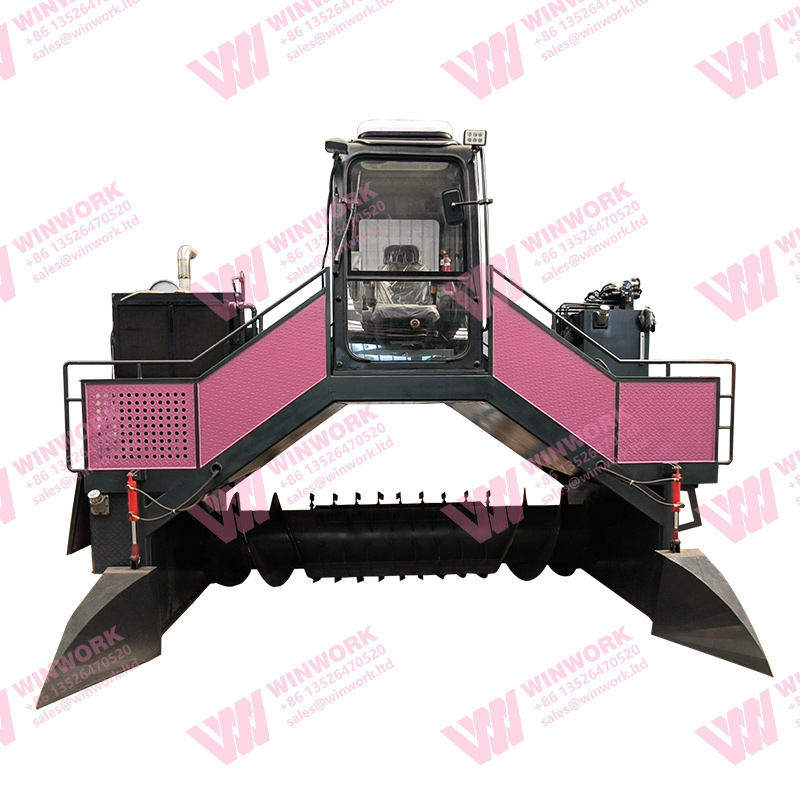
Crawler compost tumbler realizes automatic operation through crawler walking system, which is the necessary equipment for producing organic fertilizer granules and widely used in organic fertilizer production line. If you choose to ferment raw materials by yourself, this is a very good choice and also an indispensable piece of equipment.
Vertical crusher is a kind of high-efficiency and energy-saving crushing equipment, specially designed for all kinds of medium and low hardness materials, widely used in mining, chemical industry, cement, building materials and other industries. This can crush your materials so you can have a better fertilizer to granulate.
Horizontal mixer is a kind of high-efficiency mixing equipment widely used in chemical, pharmaceutical, food, building materials and other industries. 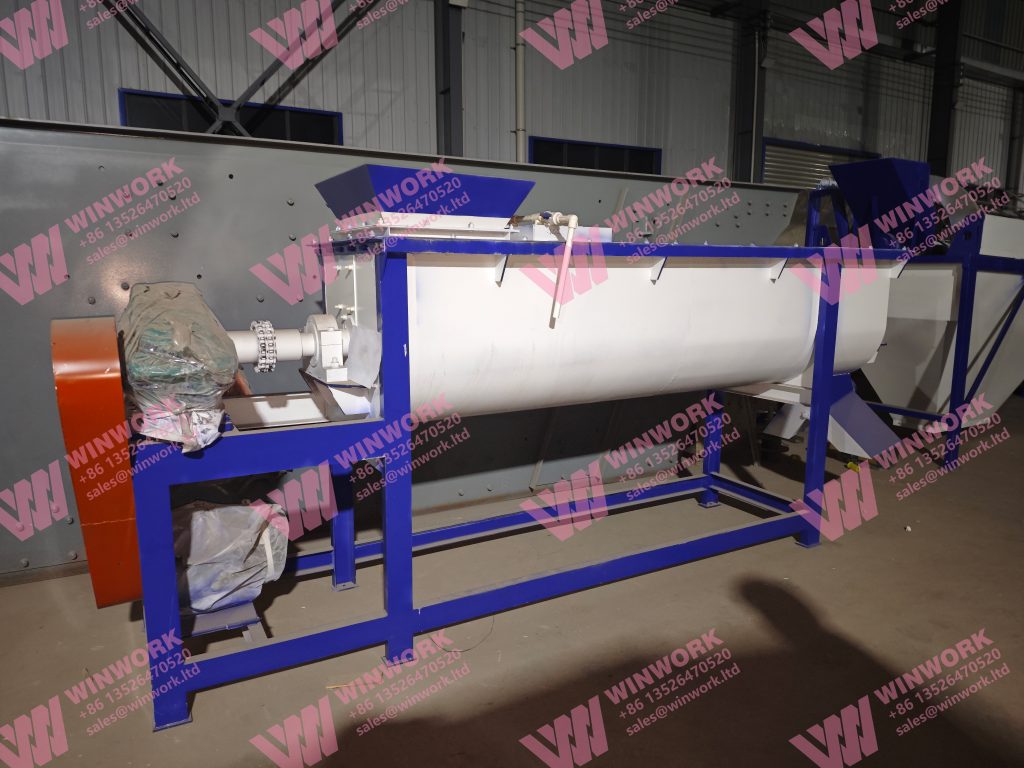
It is mainly used for mixing many kinds of materials evenly, especially suitable for mixing powdery and granular materials, and also suitable for adding liquid to the mixing process.
Rotary Screener is a kind of efficient and durable screening equipment, which is widely used in mining, chemical industry, coal, building materials, metallurgy and other industries for grading and screening of materials. You can take a little screener to check your fertilizer products quality.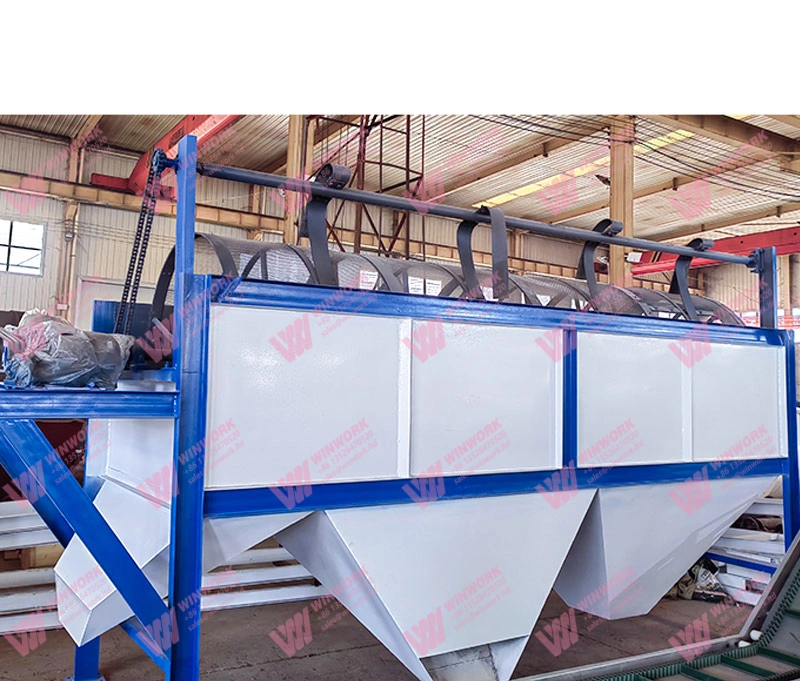
Low-Cost Operations and Market Development
To successfully start a small fertilizer business, efficient and lean operations are not difficult
Location: Rent unused warehouse or workshop space on the outskirts of town. It just needs to meet basic production and storage needs.
Branding and Sales: Begin by serving a few core local clients or cooperatives. Build through word-of-mouth. Consider partnering with large growers to offer custom blend services. Use social media to showcase your production process and results, building trust.
Compliance: Understand and adhere to local regulations regarding fertilizer registration, production permits, and environmental standards. This is the foundation for building a legitimate and lasting business when you start a small fertilizer business.
FAQ
Q1: What is the minimum investment needed to start a small organic fertilizer plant?
A: Costs vary greatly based on scale and equipment. The key is to invest in stages and grow with your profits.
Q2: Can I start a small fertilizer business without an agricultural background?
A:Yes, of course. The technical know-how can be learned through courses, training, or by partnering with an agronomist. Initially, mastering one or two reliable recipes and ensuring proper fermentation is more critical than complex knowledge. Entrepreneurial success here relies more on market insight and operational skills.
Q3: How do I find customers for a small fertilizer plant?
A: Sales are critical. Visit local farms, orchards, and grower cooperatives. Work with existing agricultural input retailers to distribute your product. Promote on local online platforms and agricultural forums. Provide free samples to influential local growers—let the results speak for themselves.
Q4: What is the main technical challenge in producing organic fertilizer?
A: The core challenge is achieving complete fermentation and maturation of the raw materials. Incomplete fermentation can cause root burn, introduce pathogens, and harm crops. Ensuring the compost pile maintains a temperature of 60-70°C and is turned regularly for proper aeration is key to product quality and safety.
Q5: Is the competition in this industry fierce?
A: The organic fertilizer market is vast and has strong “local” characteristics. Large companies cannot fully meet all localized, personalized needs. Your small-scale operation can thrive by leveraging its advantages: flexibility, proximity to customers, and quick response times. Focus on serving your first clients exceptionally well—that is your best competitive edge.
Conclusion
In conclusion, the dream to start a small fertilizer business and contribute to sustainable agriculture is entirely achievable through a practical, small-scale beginning. The key is to move away from a comprehensive initial plan and instead adopt a strategy focused on a niche market, local resources, core equipment, and deep regional service. With careful planning and steady operation, you can successfully start a small fertilizer business with little money and cultivate a thriving venture in this fertile and growing industry.
For more details, please feel free to contact us.
Email: sales@lanesvc.com
Contact number: +8613526470520
Whatsapp: +8613526470520
Get A Quote