

Introduction
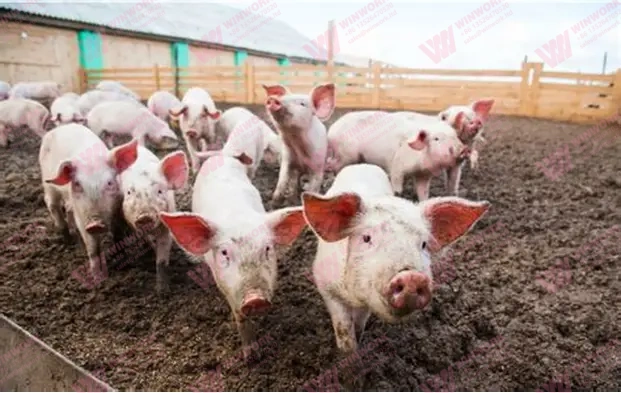
Fertilizer bills are one of the biggest expenses on any farm. Chemical fertilizers keep getting pricier, and buying them every season eats into profits. But what if you could cut those costs dramatically—by using waste you already have? That’s exactly what modern strategies to reduce farm fertilizer costs are all about.
By turning livestock manure into usable organic fertilizer, recycling crop residues, and preventing nutrient loss, you can lower purchases, improve your soil, and even create a new revenue stream. Here’s the Strategies to Reduce Farm Fertilizer Costs.
Why Strategies to Reduce Farm Fertilizer Costs Matter Now
Over-reliance on synthetic fertilizers leads to several problems:
Rising costs that squeeze margins
Soil degradation and loss of organic matter
Nutrient runoff that pollutes rivers and lakes
Dependence on external suppliers
A solid set of strategies to reduce farm fertilizer costs tackles all these issues at once. The core idea is simple: make your own fertilizer from materials you already produce, and use it efficiently. Here’s the Strategies to Reduce Farm Fertilizer Costs.
The Cornerstone Strategy: Turn Manure into Fertilizer
Livestock manure is packed with nitrogen, phosphorus, and potassium—the same nutrients found in commercial fertilizers. The trick is converting it into a safe, stable form. Here’s how:
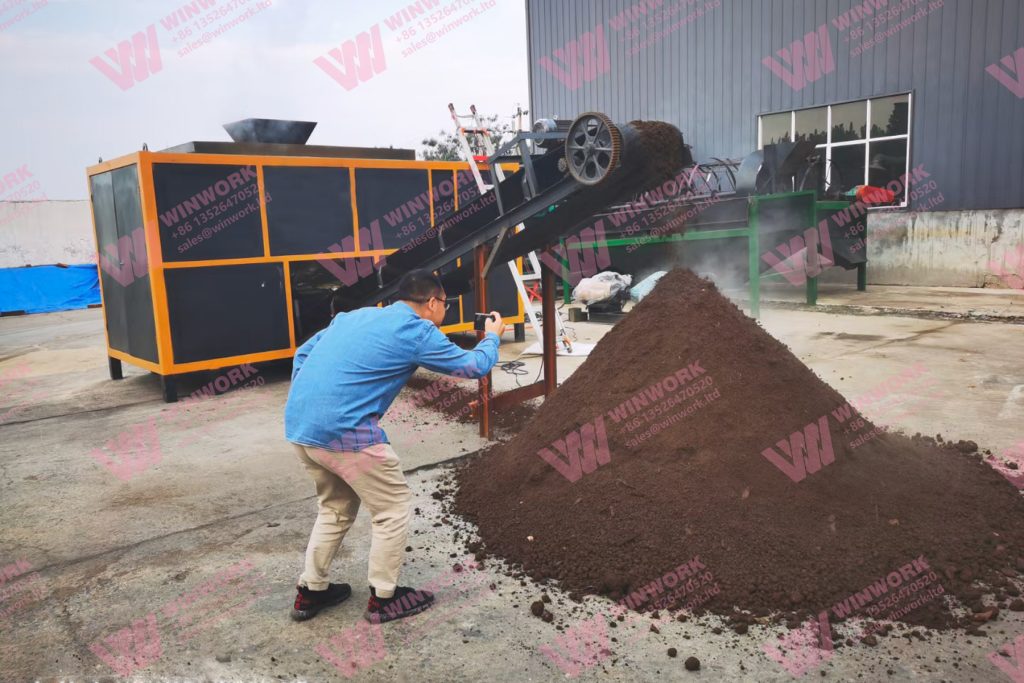
Start by separating solids from liquids using a basic solid-liquid separator. The solids are perfect for composting. Next, run them through a small crusher or shredder to break up lumps and mix in carbon sources like straw or sawdust. This speeds up decomposition and controls odor. Here’s the Strategies to Reduce Farm Fertilizer Costs.
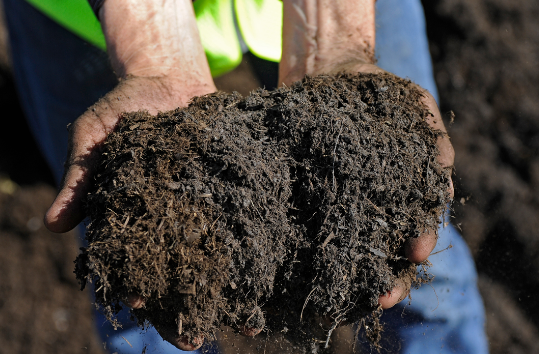
Pile the mixture in long rows or bins and turn it regularly with a compost turner. The pile heats up to over 55 degrees Celsius, killing pathogens and weed seeds. After a couple of months, you have dark, crumbly compost ready to feed your fields. This is one of the most effective strategies to reduce farm fertilizer costs because it transforms a waste product into a valuable resource. Here’s the Strategies to Reduce Farm Fertilizer Costs.
Other Strategies to Reduce Farm Fertilizer Costs
Recycle Crop Residues
Instead of burning corn stalks or rice straw, shred them and mix with manure for composting. This adds carbon and bulks up your fertilizer, reducing the need for bought-in amendments. Here’s the Strategies to Reduce Farm Fertilizer Costs.
Use Cover Crops
Planting cover crops like clover or vetch between main seasons adds nitrogen naturally. Here’s the Strategies to Reduce Farm Fertilizer Costs. When you till them in, they enrich the soil, lowering future fertilizer needs.
Apply Compost Strategically
Test your soil to find out exactly what’s missing. Apply compost where it’s needed most, rather than blanketing the whole farm. Precision application is a key part of strategies to reduce farm fertilizer costs.
Capture and Reuse Nutrients
The liquid from your manure separator can be used for fertigation—delivering nutrients straight to plant roots via irrigation. This avoids losses from surface spreading and makes every kilogram count. Here’s the Strategies to Reduce Farm Fertilizer Costs.
Make Pellets for Easy Use
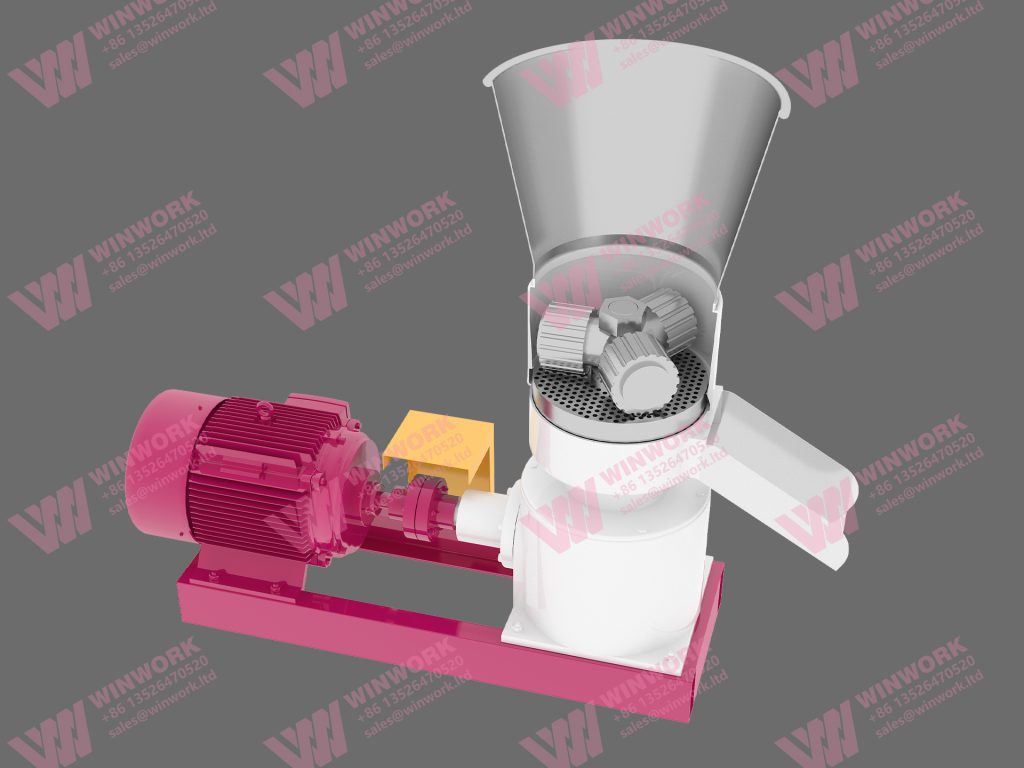
A small flat die pelletizer can shape compost into easy-to-handle pellets. Pellets store better and allow precise dosing, reducing waste and improving efficiency.
Equipment That Supports Strategies to Reduce Farm Fertilizer Costs
You don’t need a fortune to get started. A manual solid-liquid separator can cost under $1,500 and save hundreds in disposal fees. An electric shredder or crusher for manure and straw might run $800 to $2,000, but it pays off by speeding up composting and improving quality.
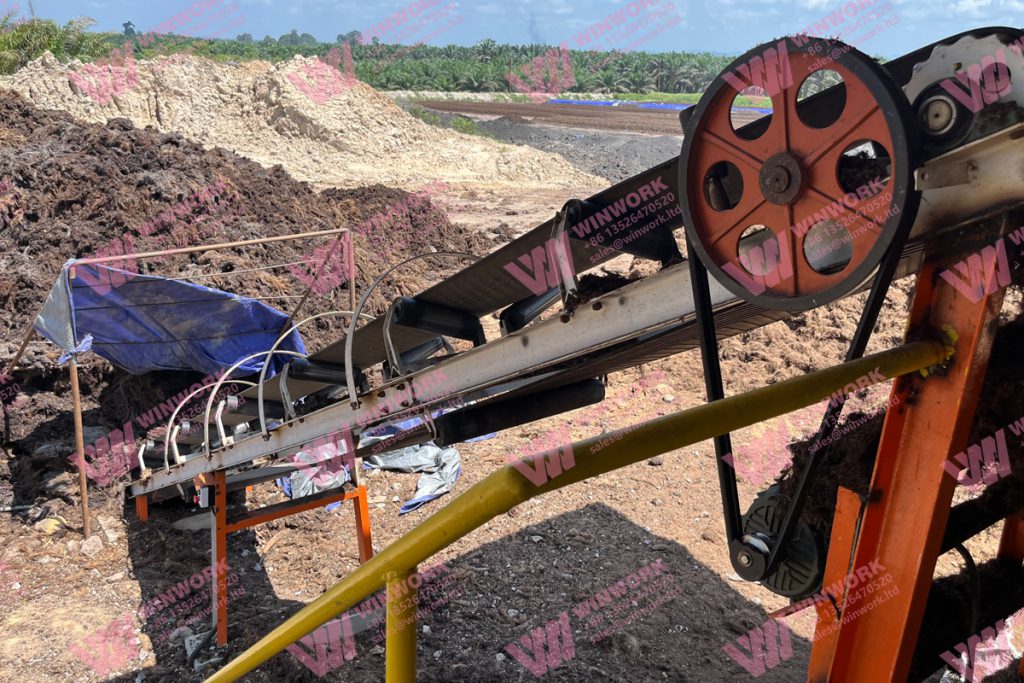
A basic compost turner, either hand-operated or powered by a tractor PTO, costs between $1,000 and $3,000 and is vital for maintaining the heat that kills pathogens. For drying, simple solar racks or a small rotary dryer can prepare compost for storage or pelleting. Finally, a flat die pelletizer under $3,000 can turn your compost into a premium product that commands higher prices. All of these tools fit neatly into strategies to reduce farm fertilizer costs without requiring massive capital. Here’s the Strategies to Reduce Farm Fertilizer Costs.
Real Farm Example
The Zhous used to spend over $1,200 a year on chemical fertilizers. After adopting strategies to reduce farm fertilizer costs—including a $1,200 separator, a $1,800 shredder, and a $2,500 compost turner—they began producing 8 tons of compost annually. They replaced 70 percent of their synthetic fertilizer purchases and sold the surplus compost for $150 a ton. Within two years, the equipment paid for itself and added $900 in yearly profit. “These strategies to reduce farm fertilizer costs made us more self-reliant and profitable,” says Mr. Zhou. Here’s the Strategies to Reduce Farm Fertilizer Costs.
FAQ: Your Questions About Strategies to Reduce Farm Fertilizer Costs Answered
Q1: Can I really replace chemical fertilizer with compost?
A: For many crops, yes. You may need to supplement with a small amount of organic fertilizer for high-demand plants, but compost covers most nutrient needs.
Q2: How long does it take to make usable compost?
A: With regular turning, 2–3 months for active composting plus 1 month of curing.
Q3: Will composting manure attract pests?
A: Properly managed compost heaps don’t attract pests. Sealed systems or covered piles prevent flies and rodents.
Q4: Do I need special skills to manage composting?
A: Basic knowledge of carbon-nitrogen ratios and moisture control is enough. Many farmers learn as they go. Here’s the Strategies to Reduce Farm Fertilizer Costs.
Q5: Can small farms use these strategies to reduce farm fertilizer costs?
A: Absolutely. Even 5–10 animals can justify a separator and compost setup.
Q6: How do I know how much compost to apply?
A: Soil tests tell you nutrient levels. Apply based on crop needs and soil deficits.
Q7: Is compost safe for all plants?
A: Yes. Compost from well-managed piles is free of pathogens and safe for vegetables, fruits, and ornamentals.
Q8: What if I don’t have a tractor?
A: Hand-operated equipment works for small operations. Solar drying and manual turning are low-tech but effective.
Q9: Can I sell compost made from manure?
A: Yes. Many local gardeners and farmers will pay for clean, screened compost or pellets.
Q10: How do I start with strategies to reduce farm fertilizer costs?
A: Begin with a compost pile using manure and straw. Add a separator and shredder as you scale up.
Conclusion
Strategies to reduce farm fertilizer costs are no longer just for large agribusinesses. With affordable equipment and simple methods like composting manure, recycling crop residues, and precision application, small and medium farms can cut expenses, improve soil health, and even create new income. These approaches also prevent pollution, making them good for the land and the community. Here’s the Strategies to Reduce Farm Fertilizer Costs. The sooner you put these strategies to reduce farm fertilizer costs into action, the sooner you’ll see lower bills, healthier crops, and a more sustainable farm.
For more details, please feel free to contact us.
Email: sales@lanesvc.com
Contact number: +8613526470520
Whatsapp: +8613526470520
Get A Quote