

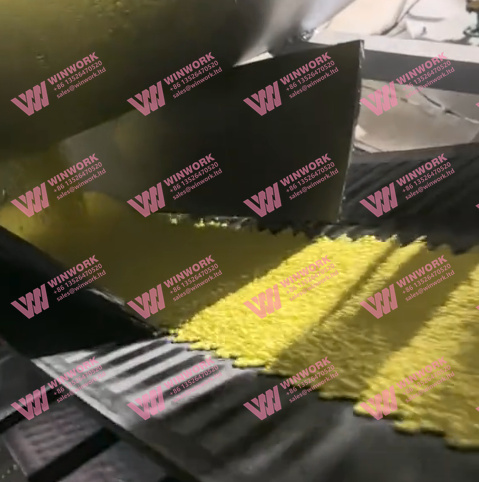
Introduction About Sulphur Coated Urea Production Line
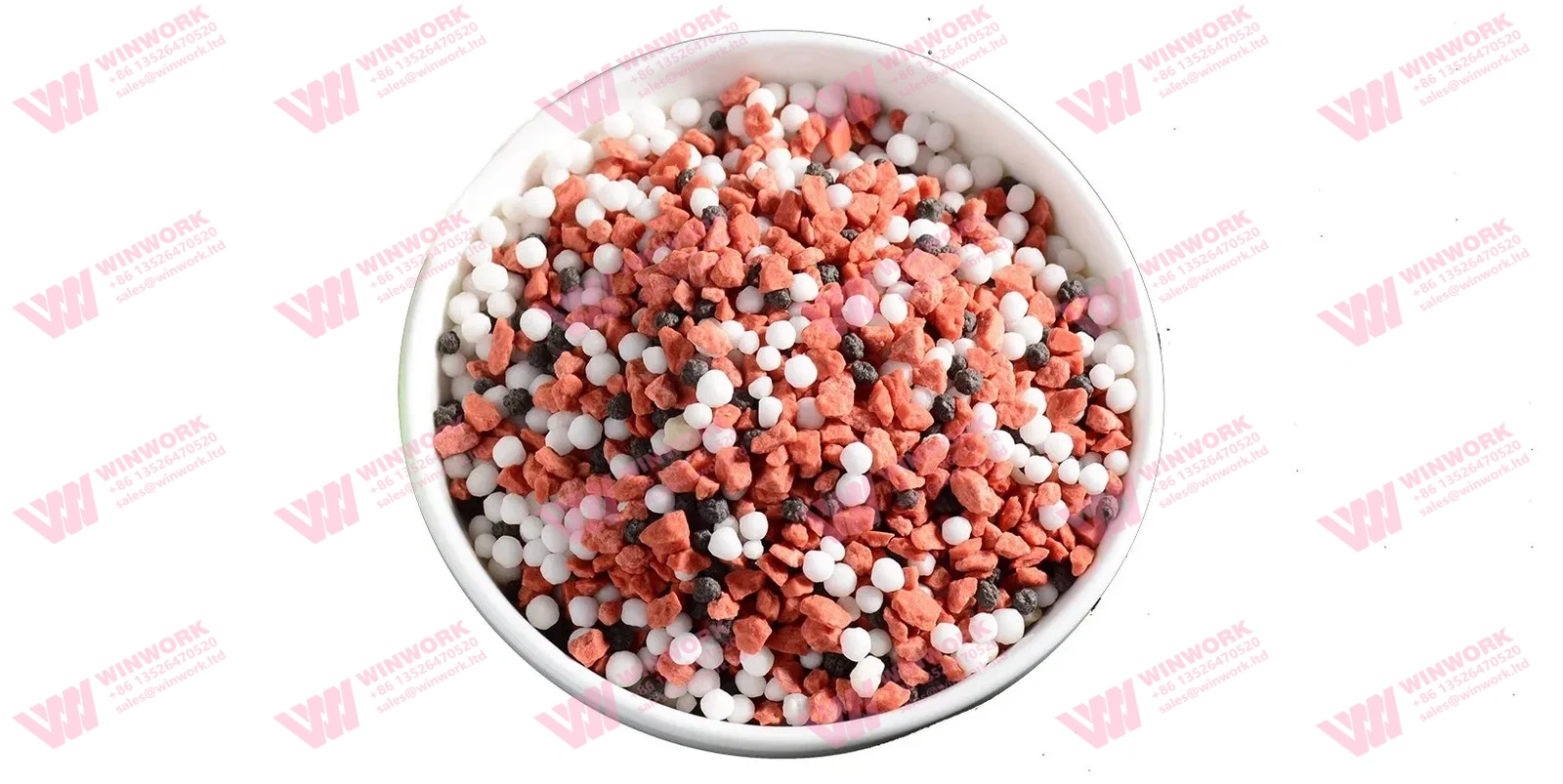
Sulphur coated urea (SCU) is a slow-release nitrogen fertilizer widely used to improve nutrient efficiency and crop yield. Fertilizer factories require a dedicated sulphur coated urea production line that integrates granulation, melting, mixing, coating, cooling, drying, sieving, and packing into one streamlined system. A turnkey solution provides end-to-end automation and ensures consistent product quality.
Production Process and Core Equipment
1. Urea Granulation
The first step in a sulphur coated urea production line is granulating urea powder into uniform granules. The urea granulator creates pellets with the desired size and density. Uniform granules ensure consistent coating in later stages and improve fertilizer performance.
2. Sulfur Melting and Furnace System
Sulfur, the key coating material, is melted in a sulfur melting furnace. Temperature control is critical—if the sulfur is too hot, it can degrade; if too cool, coating adhesion is poor. The furnace maintains a stable molten sulfur supply for the coating process.
3. Mixing and Pre-Coating Preparation
The molten sulfur is often combined with additives or waxes in a mixer to improve coating flexibility and durability. Meanwhile, urea granules are preheated slightly to enhance adhesion of the sulfur layer. Proper mixing ensures the coating will be uniform and stable.
4. Coating Machine
The coating machine is the heart of the production line. Urea granules pass through a rotary drum or pan coater where molten sulfur is applied evenly. The rotation and spraying mechanism ensures every granule is fully coated. This step determines the release rate of nitrogen and the final fertilizer quality.
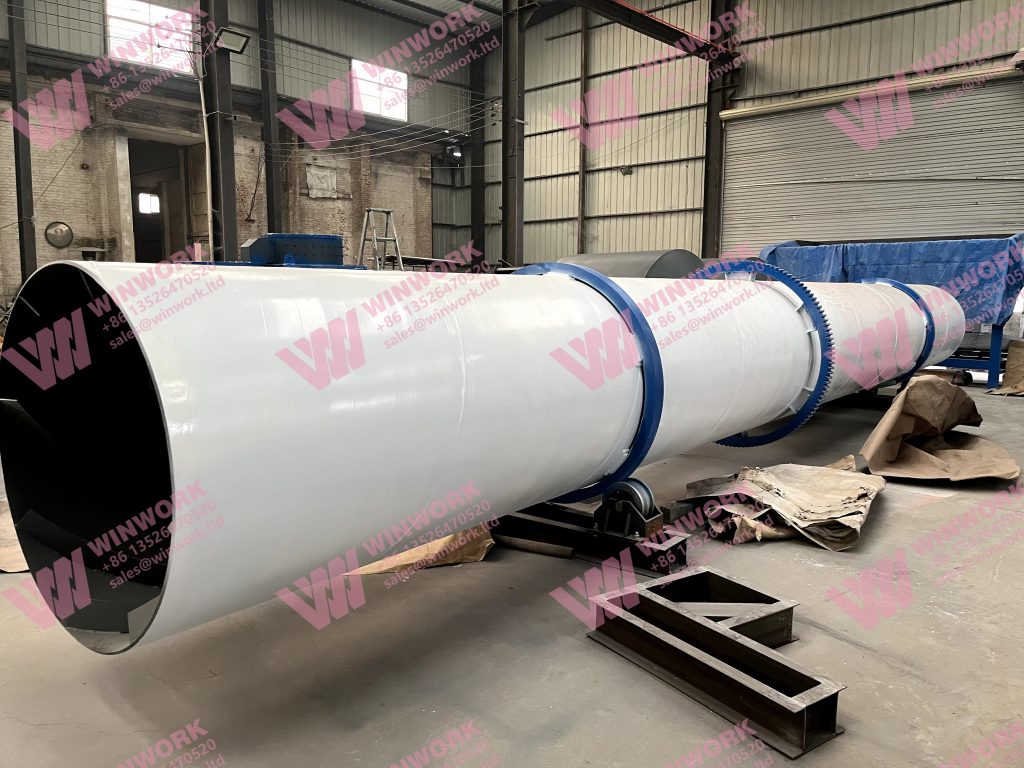
After coating, granules are transferred to a cooling machine. Cooling solidifies the sulfur layer and prevents granules from sticking together. Depending on plant capacity, cooling machines may be rotary drums or fluidized bed coolers.
6. Drum Dryer
If moisture is present from the coating or preheating stages, a dryer is used to reduce humidity to acceptable levels. Proper drying prevents clumping and prepares the granules for sieving.
7. Screen Machine
A screen machine separates oversized and undersized particles. Out-of-spec granules are recycled back to the granulator or coating machine. This ensures the final product meets consistent size specifications.
8. Automatic Packing Machine
Finally, the fertilizer granules are weighed, packed, and sealed using an automatic packing machine. Packaging ensures safe storage, reduces contamination, and improves marketability. Many turnkey sulphur coated urea production lines include a fully automated packing system integrated with the production control system.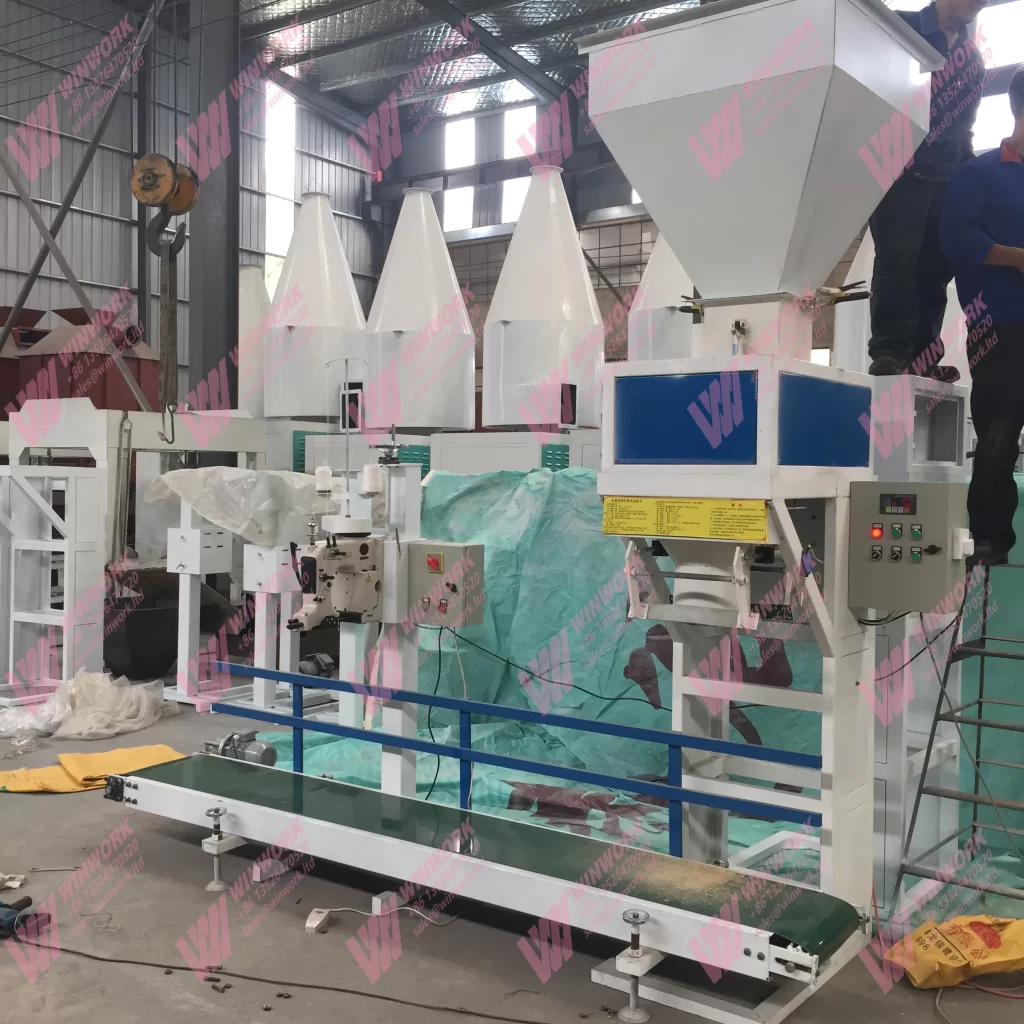
Advantages of Sulphur Coated Urea Production Line
Investing in a sulphur coated urea production line offers multiple technical and operational advantages for fertilizer factories:
1. Improved Fertilizer Efficiency
Sulfur coating slows nitrogen release, reducing nutrient loss through leaching and volatilization. Crops receive a steady supply of nitrogen over time, increasing fertilizer efficiency and crop yield.
2. Consistent Product Quality
Advanced coating machines and controlled sulfur melting ensure uniform coating thickness. Combined with sieving and recycling systems, every granule meets size and quality standards.
3. High Automation and Productivity
Turnkey production lines integrate granulation, coating, cooling, drying, sieving, and packing into one automated workflow. Reduced manual intervention saves labor costs and minimizes operational errors.
4. Energy Efficiency
Modern furnaces, mixers, and coolers are designed for minimal energy consumption while maintaining high production standards, lowering long-term operating costs.
5. Scalability
Modular system design allows expansion as production demand grows. Factories can start with small or medium-scale lines and scale up to industrial capacities without major redesign.
6. Environmental Compliance
Dust collection, emission control, and proper cooling systems help factories meet environmental regulations while maintaining a clean production environment.
7. Market Competitiveness
Producing high-quality slow-release urea gives fertilizer factories a competitive edge in markets increasingly demanding sustainable and efficient fertilizers.
Frequently Asked Questions(FAQ) About Sulphur Coated Urea Production Line
1. What capacity ranges are available for a sulphur coated urea production line?
Depending on the plant design, capacities range from 1–5 tons per hour for small plants up to 10–20 tons per hour for large industrial setups.
2. Can the coating thickness be adjusted?
Yes, by controlling sulfur temperature, flow rate, and drum rotation speed, manufacturers can adjust coating thickness to meet different nutrient release requirements.
3. How energy-intensive is the sulphur coated urea production line?
The most energy-consuming stages are sulfur melting and drying. Optimized furnaces, insulation, and modern cooling systems help reduce energy costs.
4. Do you provide turnkey services including design, installation, and training?
Full support is a major selling point for new factories.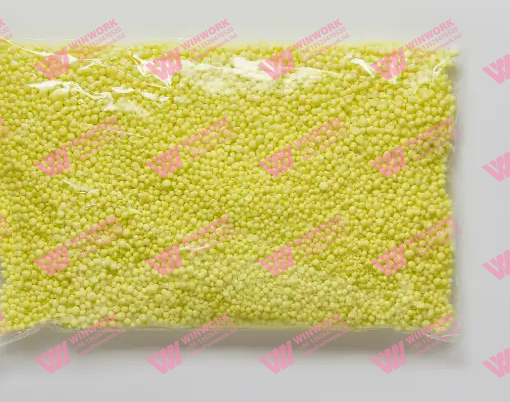
Conclusion
A turnkey sulphur coated urea production line is a comprehensive solution for fertilizer factories aiming to produce high-quality, controlled-release urea. By integrating core equipment such as urea granulators, sulfur melting furnaces, coating machines, coolers, dryers, sieving machines, and automatic packing systems, factories can achieve consistent product quality, efficient production, and operational cost savings. The advantages of energy efficiency, scalability, environmental compliance, and improved fertilizer performance make this production line a reliable investment for modern agricultural operations.
For more details, please feel free to contact us.
Email: sales@lanesvc.com
Contact number: +86 13526470520
Whatsapp: +86 13526470520
Get A Quote