

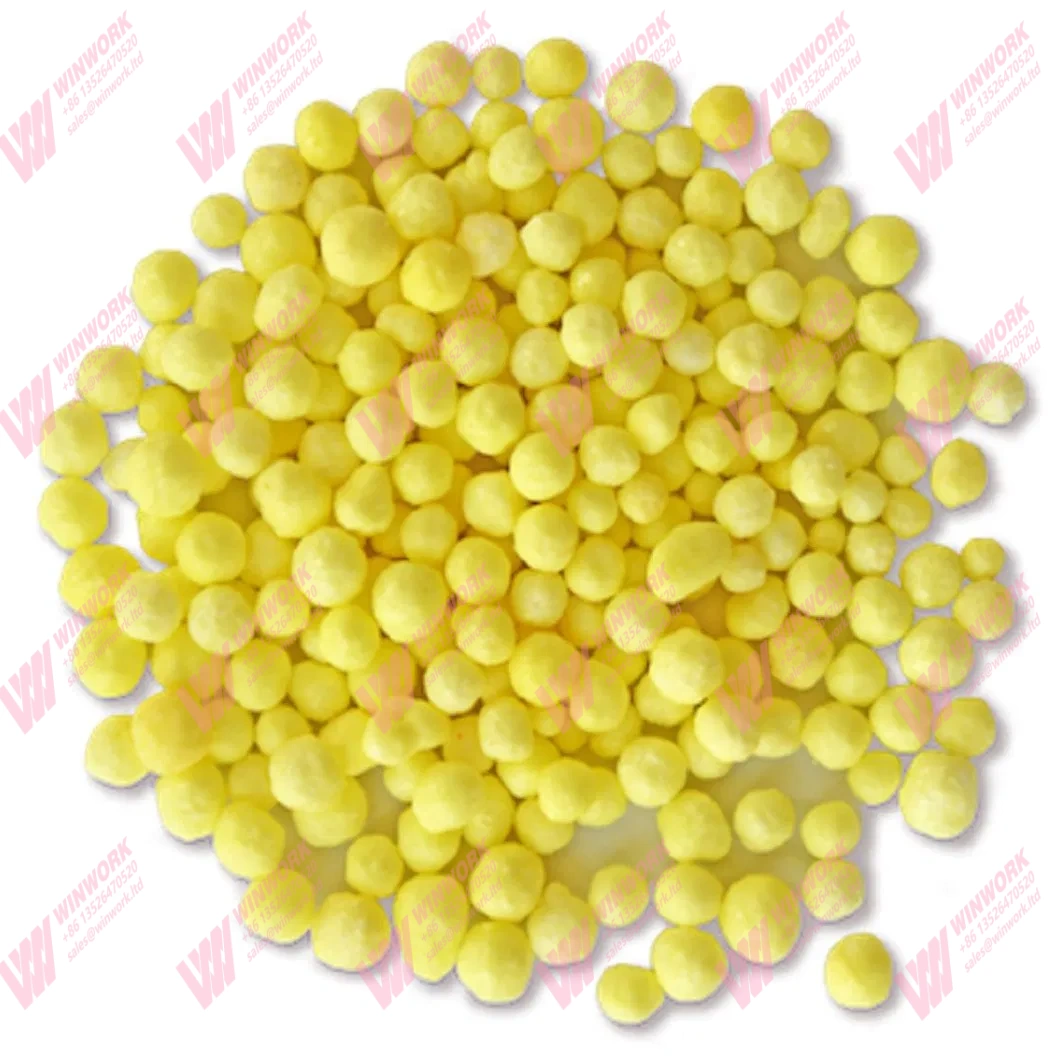
As global agriculture faces increasing pressure to improve nitrogen use efficiency while reducing environmental loss, controlled-release fertilizers have become a critical solution. Among them, sulphur coated urea (SCU) stands out for its balanced performance, cost-effectiveness, and adaptability to large-scale farming systems. At the core of its performance lies one decisive factor: the sulphur coated urea production process.
For fertilizer manufacturers, understanding the sulphur coated urea production process is not only a technical requirement but also a strategic advantage. A stable and well-controlled process directly determines coating uniformity, nutrient release rate, product consistency, and long-term equipment reliability. In markets such as India, where fertilizer demand is massive and price sensitivity is high, optimizing the sulphur coated urea production process is essential for achieving both agronomic and commercial success.
This article provides a comprehensive, engineering-oriented explanation of the sulphur coated urea production process. It covers process logic, key equipment, quality control points, and India-specific considerations, helping manufacturers clearly understand how sulphur coated urea is produced on an industrial scale.
What Is Sulphur Coated Urea and Why Process Control Is Critical
Sulphur coated urea is a controlled-release nitrogen fertilizer produced by applying a sulphur layer around urea granules. This coating acts as a physical barrier, slowing down nitrogen dissolution and reducing volatilization and leaching losses.
Unlike conventional urea, the performance of sulphur coated urea depends heavily on the integrity of the coating layer. Any defect in the sulphur coated urea production process—such as uneven coating thickness, cracking, or incomplete sealing—will directly affect nutrient release behavior.
This is why the sulphur coated urea production process must be designed as a continuous, well-coordinated system rather than a series of isolated steps.
Overview of the Sulphur Coated Urea Production Process
A standard sulphur coated urea production process generally includes the following stages:
- Raw urea preparation
- Urea heating and conditioning
- Sulphur melting and filtration
- Urea coating with molten sulphur
- Sealant or wax application (optional but common)
- Cooling and solidification
- Screening and size classification
- Dust collection and recycling
- Packaging and storage
Each step plays a specific role in ensuring coating quality and operational stability.
Step 1: Raw Urea Preparation and Quality Requirements
The sulphur coated urea production process starts with high-quality urea granules. Raw urea must meet strict requirements in terms of particle size distribution, hardness, and moisture content.
Typically, urea granules in the 2–4 mm range are preferred. Oversized particles are difficult to coat evenly, while undersized particles increase dust generation and coating defects.
In India, urea quality can vary significantly depending on supplier and production source. Therefore, many sulphur coated urea production process designs include a pre-screening stage to remove fines and oversized granules before coating.
Step 2: Urea Heating and Conditioning
Before coating, urea granules are usually preheated to improve sulphur adhesion. Cold urea surfaces can cause premature sulphur solidification, leading to poor coating coverage.
In a typical sulphur coated urea production process, urea is heated to a controlled temperature range, often between 60–80°C. This step reduces thermal shock when molten sulphur is applied and improves coating uniformity.
Rotary preheaters or fluidized bed heaters are commonly used equipment at this stage.
Step 3: Sulphur Melting and Filtration
Sulphur must be converted into a stable molten state before coating. This stage is one of the most critical parts of the sulphur coated urea production process.
Solid sulphur is heated to approximately 120–140°C, depending on system design. During melting, impurities such as ash or solid contaminants must be removed to prevent nozzle blockage and coating defects.
Sulphur melting tanks equipped with temperature control systems and filtration units are standard equipment in modern sulphur coated urea production process lines.
Step 4: Coating Urea Granules with Molten Sulphur
This is the core step of the sulphur coated urea production process. Molten sulphur is sprayed or poured onto moving urea granules inside a rotating drum or coating reactor.
Key control variables include:
- Sulphur application rate
- Drum rotation speed
- Residence time
- Granule bed depth
The goal is to achieve uniform sulphur coverage without excessive build-up or cracking. Inconsistent coating at this stage is one of the most common causes of poor product performance.
Step 5: Sealant or Wax Application (Optional but Recommended)
In many industrial sulphur coated urea production process designs, a thin sealant layer is applied over the sulphur coating. This sealant helps seal micro-cracks in the sulphur layer and further controls nutrient release.
Common sealants include wax-based or polymer-modified materials. While this step increases process complexity slightly, it significantly improves product consistency, especially for export or long-distance transport markets such as India’s inter-state distribution network.
Step 6: Cooling and Solidification
After coating, sulphur-coated urea granules must be cooled gradually to allow proper solidification. Rapid cooling can cause coating cracks due to thermal stress.
Rotary coolers or fluidized bed coolers are typically used in the sulphur coated urea production process. Controlled airflow and temperature gradients are critical to preserving coating integrity.
Step 7: Screening and Size Classification
Once cooled, the product passes through screening equipment to separate qualified sulphur coated urea granules from fines and oversized particles.
This step ensures consistent product size and reduces dust during handling. Recycled material can often be returned to the process, improving material efficiency.
Step 8: Dust Collection and Environmental Control
Dust management is an important consideration in any sulphur coated urea production process. Fine sulphur particles and urea dust can affect both product quality and workplace safety.
Dust collection systems, including cyclones and bag filters, are integrated throughout the production line to maintain clean and stable operation.
Step 9: Packaging and Storage
The final stage of the sulphur coated urea production process is packaging. Proper bagging protects the product from moisture absorption and mechanical damage during transport.
In India, common packaging sizes include 40 kg and 50 kg bags, which influences packaging machine selection and throughput design.
Key Equipment Used in the Sulphur Coated Urea Production Process
From an engineering perspective, the sulphur coated urea production process relies on coordinated operation of several core machines, each responsible for a specific function within the production flow.
Urea screening machine
The urea screening machine is used to remove undersized fines and oversized granules before coating, ensuring a uniform particle size distribution. Proper screening improves coating consistency and reduces dust generation during downstream processing.
Urea preheater
The urea preheater raises the temperature of urea granules to enhance adhesion between the granule surface and molten sulphur. Stable preheating helps prevent premature sulphur solidification and improves coating uniformity.
Sulphur melting tank
The sulphur melting tank converts solid sulphur into a controlled molten state suitable for coating application. Accurate temperature control and impurity filtration are essential to avoid nozzle blockage and coating defects.
Coating drum or coating reactor
The coating drum is the core equipment in the sulphur coated urea production process, where molten sulphur is evenly applied to rotating urea granules. Drum speed, inclination, and residence time directly affect coating thickness and product quality.
Sealant spray system
The sealant spray system applies a thin sealing layer over the sulphur coating to reduce surface cracks and control nutrient release rate. This system is particularly important for improving storage stability and transportation performance.
Rotary cooler
The rotary cooler gradually reduces the temperature of coated granules, allowing the sulphur layer to solidify without cracking. Controlled cooling prevents thermal stress and maintains coating integrity.
Vibrating or rotary screener
The vibrating or rotary screener classifies finished product by size after cooling, separating qualified granules from fines and oversized material. Screened off-size particles can be recycled back into the process to improve material efficiency.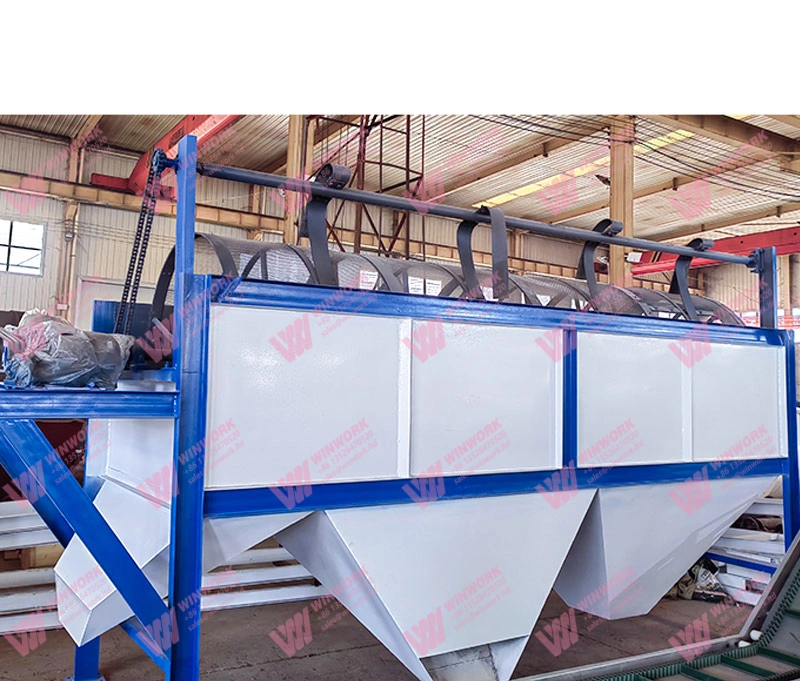
Dust collection system
The dust collection system captures sulphur dust and urea fines generated during screening, coating, and conveying stages. Effective dust control improves workplace safety and reduces material loss.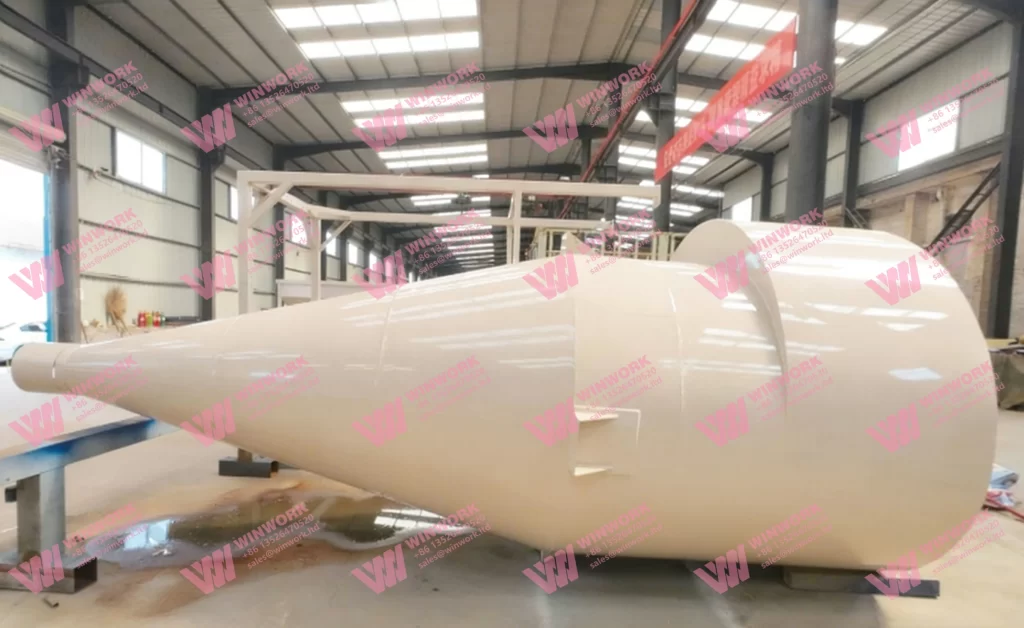
Automatic packaging machine
The automatic packaging machine weighs and bags the finished sulphur coated urea into standard commercial package sizes. Reliable packaging ensures product protection during storage, transportation, and distribution.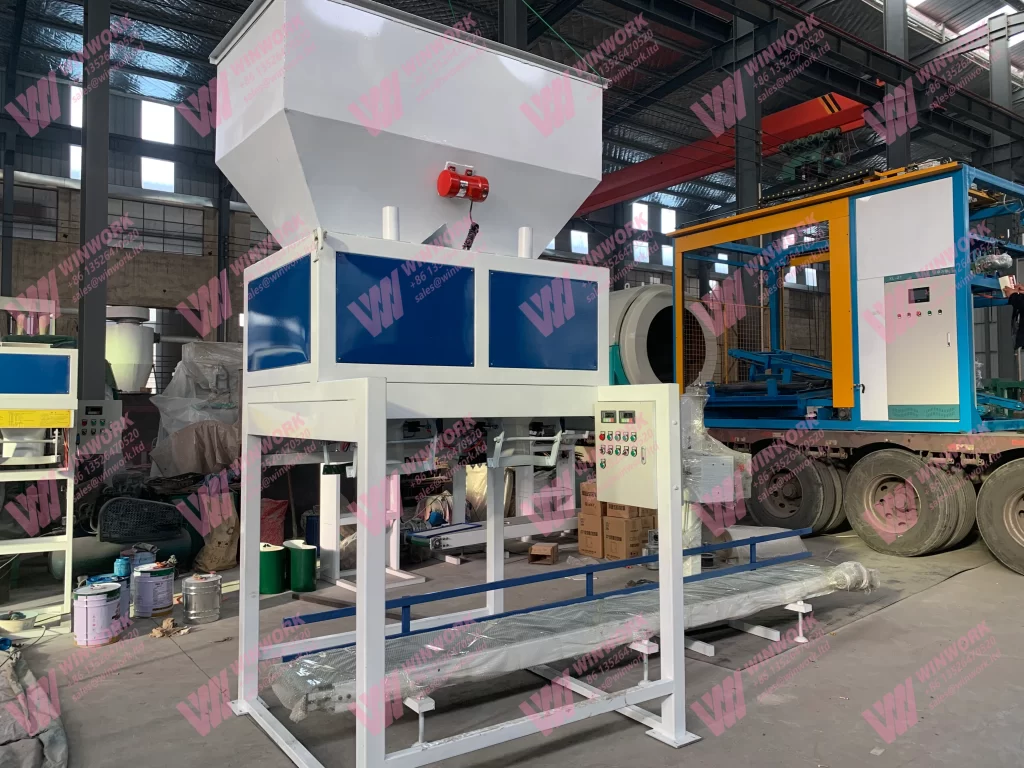
Each piece of equipment must be selected and matched according to production capacity, material characteristics, and local operating conditions to ensure long-term stability of the sulphur coated urea production process.
Quality Control in the Sulphur Coated Urea Production Process
Quality control focuses on coating thickness, granule integrity, and nutrient release performance. Sampling is usually conducted after cooling and screening.
Common quality indicators include:
- Coating thickness uniformity
- Crush strength
- Release rate under soil simulation
- Dust generation during handling
Consistent monitoring ensures the sulphur coated urea production process remains stable over long-term operation.
India-Specific Considerations in Sulphur Coated Urea Production
India represents one of the largest fertilizer markets in the world, with strong government involvement and strict quality standards. When designing a sulphur coated urea production process for India, manufacturers must consider:
- High production volumes
- Cost sensitivity
- Seasonal demand fluctuations
- Long-distance transportation
- Regional climate variation
A well-optimized sulphur coated urea production process allows producers to supply both domestic and export markets efficiently while meeting regulatory requirements.
Common Problems and Solutions in the Sulphur Coated Urea Production Process
In actual operation, the sulphur coated urea production process often encounters several recurring technical problems that affect product quality and line stability. These issues are typically not caused by a single factor, but by the interaction between materials, equipment, and operating parameters.
Uneven sulphur coating thickness
Uneven coating is usually caused by unstable molten sulphur temperature or inconsistent urea particle size distribution. When the sulphur viscosity fluctuates, it cannot spread evenly on the granule surface, leading to local thin or thick layers. Improving screening accuracy and stabilizing sulphur melting temperature are key corrective measures.
Sulphur layer cracking during cooling
Cracking commonly occurs when the cooling rate is too fast or when the temperature difference between the granule core and sulphur layer is excessive. Rapid cooling introduces thermal stress, which weakens the coating structure. Gradual cooling and proper preheating of urea granules help reduce cracking risk in the sulphur coated urea production process.
Excessive dust generation
Dust problems are often linked to over-dried urea surfaces, mechanical abrasion inside the coating drum, or insufficient sealing treatment. Fine particles can detach during conveying and screening stages if the coating is incomplete. Optimizing drum rotation speed and applying an effective sealant layer significantly reduce dust formation.
Overall, most operational problems can be resolved through coordinated adjustment of temperature control, material preparation, and equipment matching, rather than relying on isolated fixes.
Why Process Design Matters More Than Individual Machines
The sulphur coated urea production process should be approached as an integrated system rather than a collection of independent machines. Even advanced equipment may underperform if the overall process design lacks balance and logical sequencing.
Equipment matching affects long-term stability
When upstream and downstream equipment capacities are not properly matched, bottlenecks occur that force machines to operate under abnormal loads. Continuous overloading accelerates wear and increases failure rates. A balanced design allows each unit to operate within its optimal working range.
Process parameter coordination is critical
Temperature, residence time, and material flow rate must be synchronized across the entire line. For example, improper coordination between preheating and coating stages directly affects sulphur adhesion quality. In a well-designed sulphur coated urea production process, parameters are adjusted as a system, not individually.
Layout and material flow influence maintenance cost
Poor plant layout leads to excessive material drop height, backflow, or repeated handling, increasing mechanical stress on equipment. A rational process layout improves material flow continuity and reduces unnecessary abrasion. This directly lowers maintenance frequency and operational downtime.
From an engineering perspective, manufacturers who prioritize holistic process design consistently achieve better coating quality, lower energy consumption, and more predictable operating costs over the full lifecycle of the production line.
Frequently Asked Questions about Sulphur Coated Urea Production Process
- What is the ideal sulphur coating thickness in the sulphur coated urea production process?
In a standard sulphur coated urea production process, sulphur coating thickness is typically controlled between 40–80 microns depending on nutrient release requirements. - Can existing urea granules be used directly in a sulphur coated urea production process?
Only urea granules with uniform size, low dust content, and sufficient strength are suitable for direct use in the sulphur coated urea production process. - Why is temperature control important during sulphur coating?
Precise temperature control ensures stable sulphur viscosity and uniform coating quality throughout the sulphur coated urea production process. - What is the function of sealing treatment after sulphur coating?
Sealing treatment reduces sulphur dust, improves abrasion resistance, and enhances storage stability of coated urea granules. - Is the sulphur coated urea production process suitable for fertilizer plants in India?
The sulphur coated urea production process is well suited for Indian fertilizer plants due to sulphur-deficient soils and large-scale production demand.
Conclusion
The sulphur coated urea production process is a carefully balanced system that transforms standard urea into a high-performance controlled-release fertilizer. From raw material preparation to final packaging, every step influences coating quality, nutrient efficiency, and long-term operational stability.
For fertilizer producers, especially those targeting large agricultural markets such as India, mastering the sulphur coated urea production process is essential for delivering consistent product quality and achieving sustainable growth. When properly designed and controlled, this process becomes a powerful tool for improving fertilizer efficiency and market competitiveness.
For more details, please feel free to contact us.
Email: sales@lanesvc.com
Contact number: +8613526470520
Whatsapp: +8613526470520

Get A Quote