

Introduction
With the pet care industry experiencing rapid growth, demand for cat litter, especially bentonite-based clumping types, has risen substantially. Manufacturers aiming to meet this demand efficiently must implement a well-organized turnkey bentonite cat litter plant layout plan. This comprehensive approach ensures that each stage of production—from raw material handling to packaging—is coordinated, minimizing downtime and maximizing productivity.
A properly designed turnkey bentonite cat litter plant layout plan integrates layout design, equipment selection, workflow management, and operational efficiency. High-output production is achievable only when every aspect of the plant is strategically positioned to optimize material flow, labor efficiency, and equipment utilization. This article explores the core elements and best practices for establishing a high-performance bentonite cat litter production facility.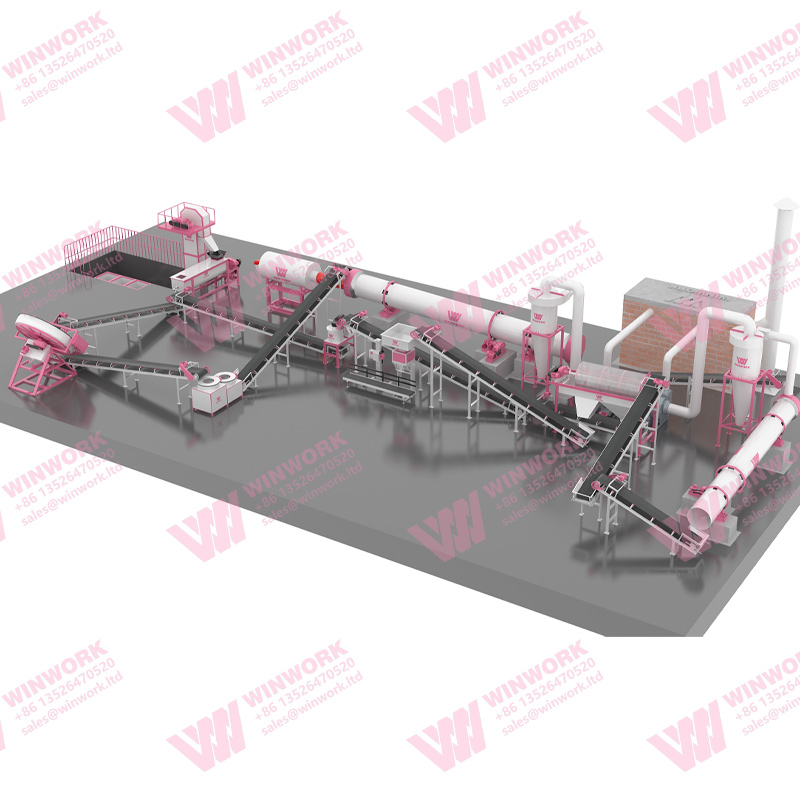
The Significance of a Turnkey Bentonite Cat Litter Plant Layout Plan
The layout of a plant is one of the most critical factors influencing production efficiency and quality. A carefully structured turnkey bentonite cat litter plant layout plan provides the foundation for smooth operations, ensuring that raw materials, intermediate products, and finished goods flow efficiently throughout the facility.
Beyond improving material flow, a strategic layout reduces labor costs, minimizes production delays, and supports consistent product quality. High-output operations require precise planning to prevent bottlenecks, maintain equipment accessibility, and optimize space utilization. By implementing a comprehensive turnkey bentonite cat litter plant layout plan, manufacturers can achieve operational excellence, sustainable output, and cost-effective production.
Raw Material Storage and Handling
Bentonite clay, the primary raw material, requires careful storage to maintain its natural properties essential for clumping and absorbency. A strategic turnkey bentonite cat litter plant layout plan ensures that raw materials are stored in a controlled environment to protect them from moisture, contamination, and degradation.
Positioning storage areas close to processing units allows for smooth transfer of raw materials into crushing and grinding equipment. Efficient handling reduces production interruptions, ensures a steady supply of materials, and facilitates scalability. Additionally, proper layout planning accommodates multiple types of additives, such as deodorizing agents or clumping enhancers, allowing manufacturers to produce a variety of litter products without changing the plant configuration.
Crushing and Grinding Section
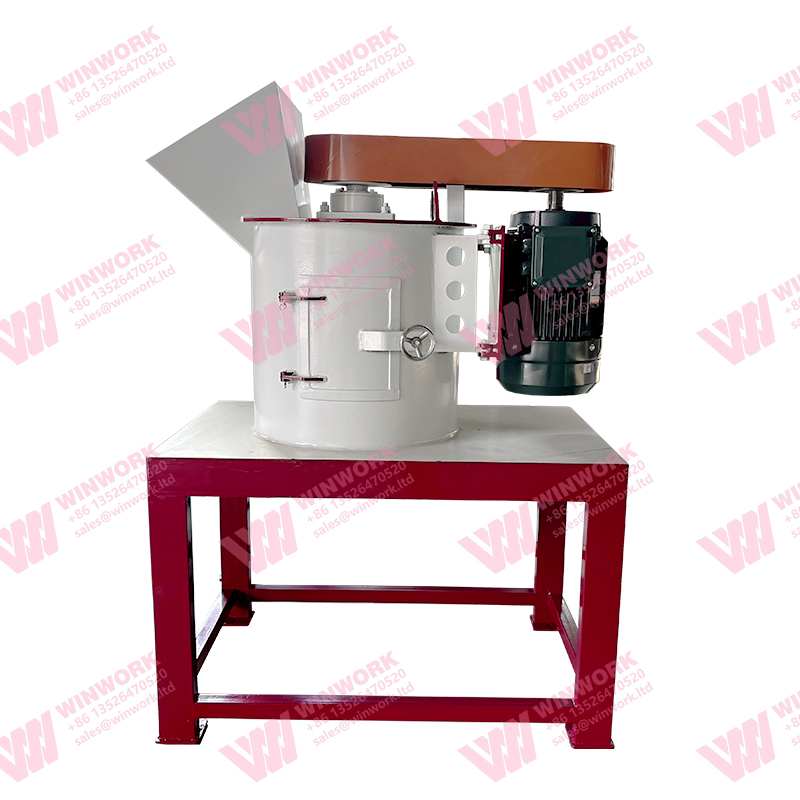
vertical-crusher
The crushing and grinding process transforms raw bentonite into a fine, uniform powder ready for granulation. Large clay blocks are first reduced in size using crushers, then processed through mills to achieve the necessary fineness.
The layout of the crushing and grinding area within a turnkey bentonite cat litter plant layout plan ensures that materials flow efficiently from one unit to the next, minimizing handling losses. Incorporating dust control systems, such as exhaust vents and filtration units, is crucial to maintain air quality and protect machinery. The design of this section significantly impacts the consistency of the final product, as uniform particle size is critical for high-quality clumping performance.
Granulation and Mixing Zone
Granulation is the process of transforming powdered bentonite into uniform pellets. During this stage, additives are mixed thoroughly to enhance odor control, clumping efficiency, and overall product performance.
A turnkey bentonite cat litter plant layout plan positions mixers and granulators to ensure smooth material transfer, prevent process interruptions, and optimize operator access. Moisture control during granulation is vital; pellets with excessive moisture may clump prematurely, while under-moisturized pellets may crumble easily. Effective layout planning in this zone allows high-throughput operation without sacrificing product quality, enabling manufacturers to produce consistent, high-performance bentonite cat litter at scale.
Drying and Cooling Area
After granulation, bentonite pellets contain moisture that must be reduced to prevent clumping during storage. Dryers, such as rotary dryer, remove moisture uniformly, while rotary cooler gradually bring pellets to room temperature.
Integrating drying and cooling units within a turnkey bentonite cat litter plant layout plan ensures continuous production and high output. Dust extraction systems maintain clean air, protect equipment, and improve workplace safety. Efficient drying and cooling preserve the structural integrity of pellets and enhance product quality, enabling manufacturers to meet high-volume production targets reliably.
Screening and Classification
Screening ensures uniformity in pellet size by removing oversized or undersized particles. Vibrating screener and rotary screener are the most commonly used high-efficiency screening machines. Rejected pellets are recycled into the granulation process, maintaining material efficiency.
A well-organized screening and classification area within a turnkey bentonite cat litter plant layout plan facilitates continuous production and quality control. Strategic layout reduces material handling, prevents bottlenecks, and supports high-output operations. Consistent pellet size is critical to meet market expectations for clumping performance, absorbency, and minimal dust generation.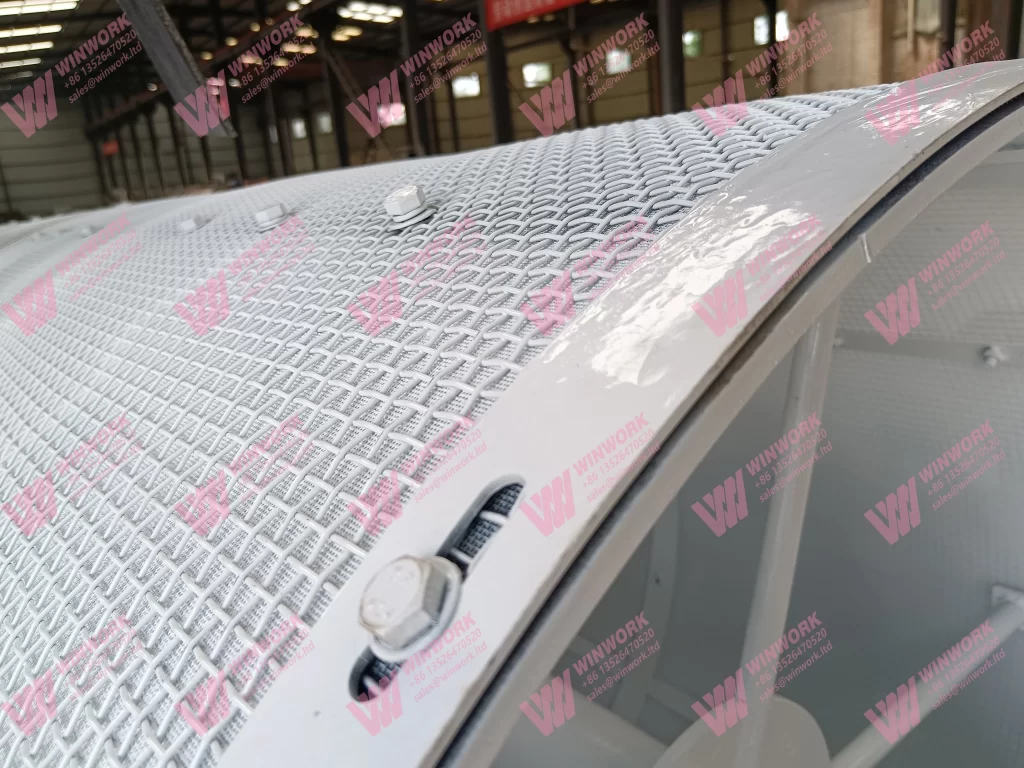
Packaging and Storage
Packaging is a crucial stage for maintaining product quality and preparing it for distribution. Automated packing machines improve accuracy, speed, and throughput, while storage areas are designed to support easy inventory management and shipping.
Incorporating the packaging and storage zones within a turnkey bentonite cat litter plant layout plan ensures smooth integration with upstream production units. Optimized layout prevents production delays, reduces handling damage, and supports scalability. Proper warehouse design allows for efficient stock rotation, timely order fulfillment, and high-output capability.
Workflow Optimization
Workflow design is central to high-output production. A logical, linear arrangement of production units ensures efficient material movement, while functional separation of raw materials, processing, and finished goods minimizes contamination and operational conflicts.
The turnkey bentonite cat litter plant layout plan must also consider accessibility for maintenance, inspection, and operator safety. Streamlined workflow reduces downtime, increases labor efficiency, and supports consistent high-volume production. By integrating workflow considerations into the layout design, manufacturers can maximize productivity while maintaining product quality and operational safety.
Equipment Selection for High Output
The choice of machinery significantly influences the performance of a bentonite cat litter plant. High-capacity crushers, mills, and granulators enable rapid processing of raw materials, while energy-efficient dryers and coolers maintain steady throughput. Automated packing systems enhance productivity and reduce labor requirements.
Positioning equipment strategically in a turnkey bentonite cat litter plant layout plan ensures smooth material flow and easy access for maintenance. Selecting reliable, high-quality equipment reduces downtime and operational costs, allowing the plant to maintain consistent output and support future expansion.
Space Planning and Expansion
Efficient use of space is critical to high-output operations. Buffer zones prevent congestion, vertical layouts save floor space, and strategically routed utilities support seamless operation.
A comprehensive turnkey bentonite cat litter plant layout plan accommodates current production requirements and anticipates future growth. Space planning ensures flexibility, operational efficiency, and scalability. This approach allows the facility to expand production capacity without disrupting ongoing operations, ensuring long-term operational reliability.
Environmental and Safety Considerations
Compliance with environmental and safety regulations is integral to sustainable operations. Dust control systems, waste management procedures, ventilation, fire safety measures, and noise mitigation must all be incorporated into the plant design.
A turnkey bentonite cat litter plant layout plan that prioritizes safety and environmental compliance safeguards workers, reduces regulatory risk, and promotes sustainable operations. Integrating these considerations from the design phase ensures a secure and efficient production environment capable of sustaining high-output manufacturing.
Cost Management and ROI
A well-executed layout reduces operational costs and maximizes return on investment. Optimized material flow, energy-efficient machinery, and automated processes minimize labor and energy expenditures.
Implementing a turnkey bentonite cat litter plant layout plan allows accurate forecasting of capital and operational expenses, achieving cost-effective high-output production. Long-term ROI is enhanced through consistent product quality, reduced material waste, and efficient operations. Strategic layout planning ensures competitiveness in a growing market.
Advantages of Turnkey Solutions
Turnkey solutions streamline plant development by providing integrated design, procurement, installation, and commissioning services. Manufacturers benefit from reduced setup complexity, faster production readiness, and optimized plant layout.
A turnkey bentonite cat litter plant layout plan delivered by experts ensures coordinated workflow, equipment integration, and operational management. Turnkey facilities also provide flexibility for future expansion and enable manufacturers to scale production efficiently to meet growing market demand.
Conclusion
A high-output turnkey bentonite cat litter plant layout plan is essential for manufacturers seeking operational efficiency, scalability, and consistent product quality. By integrating storage, crushing, granulation, drying, screening, packaging, and workflow optimization, the plant layout supports continuous production and long-term growth.
Strategic design, careful equipment selection, and operational management enable manufacturers to reduce costs, maintain product quality, and maximize output. Investing in a professional turnkey bentonite cat litter plant layout plan provides a strong foundation for success in the competitive bentonite cat litter industry, ensuring sustainable growth and profitability.
For more details, please feel free to contact us.
Email: sales@lanesvc.com
Contact number: +8613526470520
Whatsapp: +8613526470520
Get A Quote