


Introduction
Emerging agricultural markets are experiencing rapid transformation driven by population growth, food security concerns, and the need for more sustainable farming practices. Countries across Southeast Asia, Africa, and Latin America are seeking practical solutions to improve soil fertility while managing large volumes of agricultural and livestock waste. In this context, a turnkey organic fertilizer plant project has become an increasingly attractive investment model for both private enterprises and public-sector initiatives.
Rather than purchasing individual machines from multiple suppliers, investors are turning to integrated solutions that combine engineering design, equipment manufacturing, installation, and commissioning into one coordinated system. A turnkey organic fertilizer plant project offers precisely this structure, delivering a ready-to-operate facility that reduces operational uncertainty and shortens the time required to begin commercial production.
This article provides a comprehensive analysis of how a turnkey organic fertilizer plant project can be successfully implemented in emerging agricultural markets, covering technical processes, capacity planning, investment considerations, and long-term strategic value.
The Growing Need for Organic Fertilizer Production
Agricultural soils in many developing economies have been subjected to decades of intensive chemical fertilizer application. Over time, this practice reduces soil organic matter, weakens microbial ecosystems, increases compaction, and ultimately lowers long-term productivity. As yields plateau or decline, farmers begin searching for sustainable alternatives that can restore soil structure and enhance nutrient efficiency.
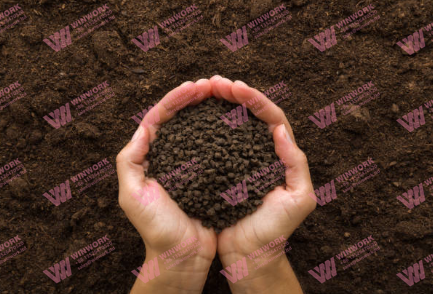
At the same time, livestock farming and agro-industrial processing generate significant quantities of organic waste. Without systematic treatment, manure, crop residues, and processing byproducts create environmental pollution risks. Transforming these materials into organic fertilizer not only addresses waste disposal challenges but also generates additional revenue streams. A turnkey organic fertilizer plant project enables this transformation through structured process integration and industrial-scale production capability.
Governments in emerging markets are also encouraging sustainable agriculture policies, often providing incentives for waste recycling and organic input production. This regulatory environment further strengthens the business case for investing in a turnkey organic fertilizer plant project.
Defining a Turnkey Organic Fertilizer Plant Project
A turnkey organic fertilizer plant project refers to a complete production facility delivered under a single contractual framework. The provider assumes responsibility for feasibility assessment, process engineering, equipment manufacturing, plant layout planning, installation guidance, commissioning, and technical training. Upon completion, the client receives a fully operational plant capable of producing market-ready organic fertilizer.
This integrated model significantly reduces coordination challenges. In emerging markets where technical expertise and supply chain infrastructure may be limited, working with a unified engineering partner ensures consistency in design standards and process optimization. The result is a production system that operates efficiently from day one.
Core Process Flow and Technical Framework
Although raw materials differ by region, the operational structure of a turnkey organic fertilizer plant project follows a systematic sequence that ensures product stability and nutrient consistency.
The first stage involves raw material preparation. Livestock manure, poultry litter, or crop residues are collected and adjusted to achieve an optimal moisture content and carbon-to-nitrogen ratio. Proper pre-treatment is essential because imbalanced feedstock can slow fermentation or reduce nutrient stability.
The second stage is aerobic fermentation. During this phase, microorganisms decompose organic matter under controlled oxygen and temperature conditions. Mechanical compost turning equipment or enclosed fermentation systems ensure adequate aeration and uniform heat distribution. This process eliminates pathogens, reduces odor, and stabilizes nutrients. Depending on climatic conditions and material composition, fermentation typically lasts between one and two weeks.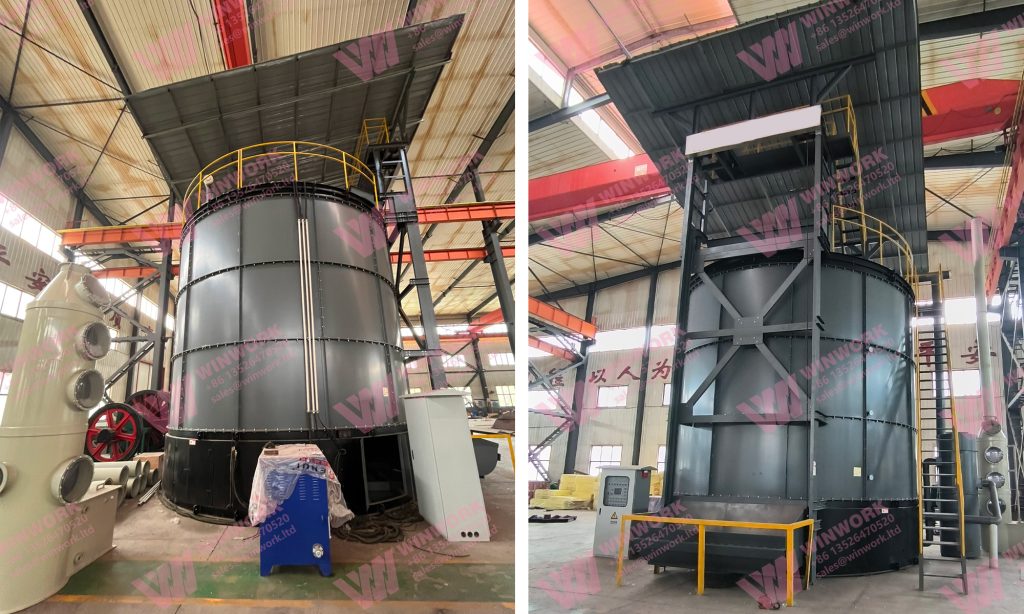
After fermentation, the composted material undergoes crushing and screening to create uniform particle size. Homogeneity at this stage directly influences granulation performance. In a well-designed turnkey organic fertilizer plant project, recycling systems automatically return oversized particles to the crushing stage, minimizing material waste.
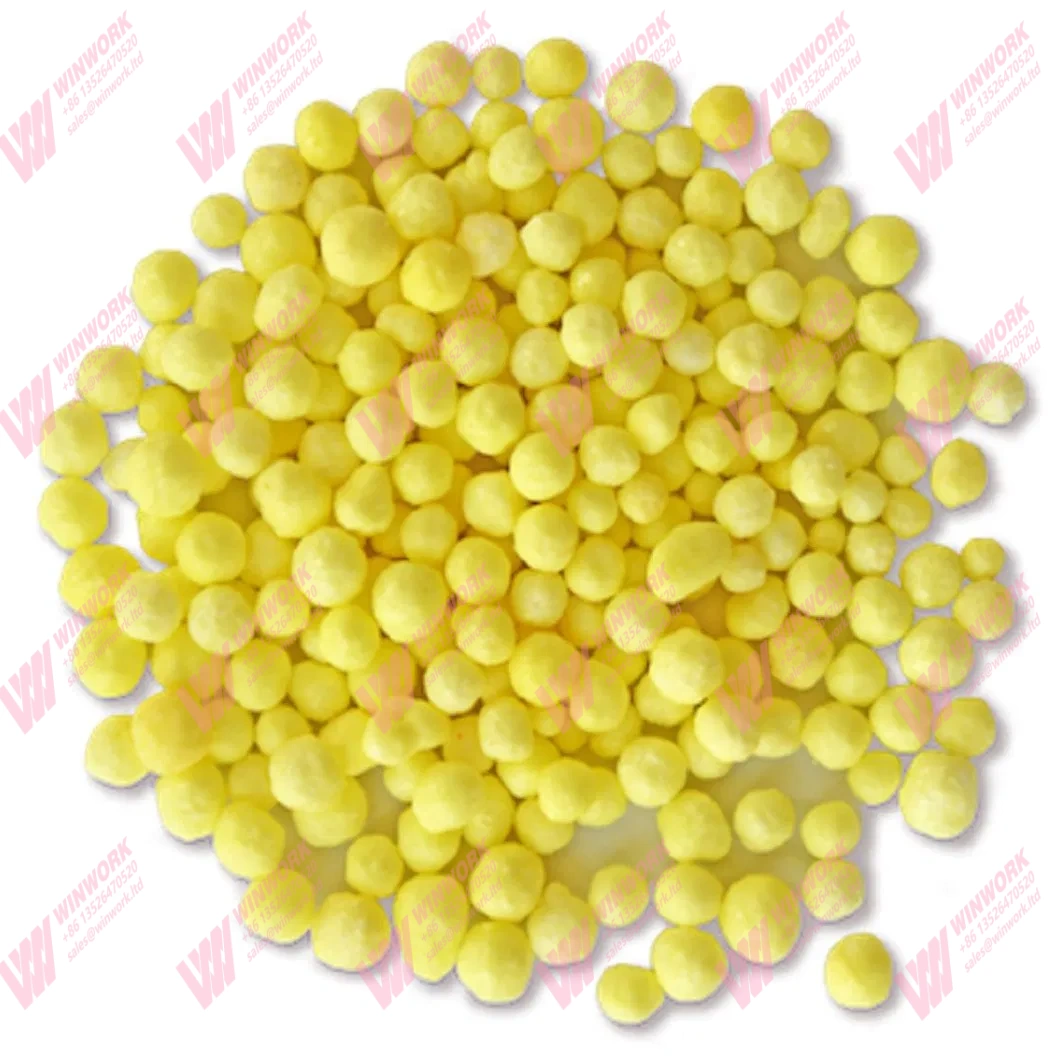
Granulation transforms compost powder into pellets suitable for commercial distribution. Technology selection depends on capacity targets, product characteristics, and regional market preferences. Rotary drum granulators are often used for higher capacities, while disc granulators or double roller extrusion granulators may be suitable for medium-scale facilities.
Following granulation, the product passes through drying and cooling systems to reduce moisture content and enhance storage stability. Controlled moisture levels prevent clumping during transportation and warehousing. Final screening ensures consistent pellet size, and optional coating systems may be installed to improve product appearance or nutrient release characteristics.
The integrated design of a turnkey organic fertilizer plant project ensures smooth coordination between each stage, optimizing throughput and minimizing downtime.
Capacity Planning for Emerging Markets
Selecting appropriate capacity is one of the most important strategic decisions in a turnkey organic fertilizer plant project. Emerging markets often benefit from modular and scalable designs rather than excessively large initial installations.
Medium-scale facilities producing between 20,000 and 50,000 tons annually are frequently optimal. They balance investment risk with market demand while allowing future expansion as distribution networks mature. Careful feasibility studies should evaluate raw material supply consistency, transportation infrastructure, and regional fertilizer consumption patterns.
By aligning production capacity with realistic demand forecasts, investors reduce the likelihood of underutilized assets and strengthen financial sustainability.
Investment Structure and Financial Considerations
The financial structure of a turnkey organic fertilizer plant project typically includes capital expenditure for civil construction, equipment procurement, electrical systems, installation services, and commissioning support. Additional working capital is required for raw material sourcing, labor, packaging materials, and marketing.
Emerging markets often present cost advantages due to relatively low labor expenses and accessible organic waste resources. However, energy efficiency becomes critical because electricity and fuel prices can significantly influence operational costs. Selecting energy-efficient motors and optimizing thermal systems can improve overall profitability.
In many regions, government incentives or development financing programs may support environmentally sustainable projects. These funding mechanisms can enhance the attractiveness of a turnkey organic fertilizer plant project by lowering effective capital costs.
Return on Investment Potential
Revenue generation depends on product pricing, distribution efficiency, and brand positioning. Organic fertilizers often command stable demand because they contribute to soil health restoration and long-term yield improvement. When raw materials are sourced locally at low cost, production margins become favorable.
Under stable market conditions, a well-managed turnkey organic fertilizer plant project can achieve a return on investment within two to four years. Profitability improves further when integrated with agricultural cooperatives or regional distribution agreements.
Technical Adaptation to Local Conditions
Each emerging market presents unique environmental and operational factors. High-humidity regions require enhanced drying systems and corrosion-resistant structural materials. Tropical climates may accelerate fermentation but demand precise temperature monitoring to avoid nutrient loss.
Automation levels should also reflect local labor availability and technical expertise. Semi-automatic systems often provide a balanced approach, offering efficiency without excessive complexity. Environmental protection systems, including dust collection and odor control units, are essential to ensure regulatory compliance and community acceptance.
A professionally engineered turnkey organic fertilizer plant project incorporates these adaptations during the design phase, ensuring reliable long-term operation.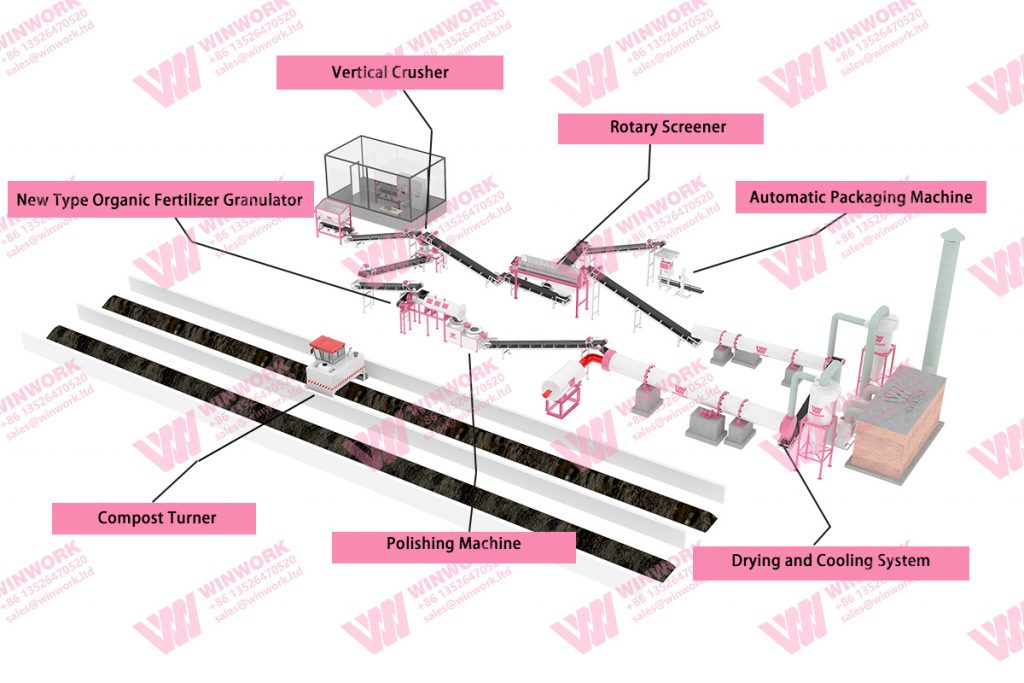
Strategic Advantages of Integrated Project Delivery
One of the primary advantages of a turnkey organic fertilizer plant project is unified accountability. With a single contractor overseeing engineering, manufacturing, and installation, communication gaps are minimized and technical standards remain consistent.
This structure simplifies project management and accelerates commissioning timelines. Investors benefit from clearer cost control and predictable implementation schedules. In emerging agricultural markets where delays can significantly impact cash flow, streamlined delivery is a decisive advantage.
Long-Term Market Outlook
Global agricultural trends increasingly favor regenerative farming practices and carbon-conscious production models. Farmers are recognizing the value of restoring soil organic matter and improving nutrient efficiency. As these trends continue, demand for organic fertilizer is expected to grow steadily across developing regions.
A turnkey organic fertilizer plant project aligns directly with these macroeconomic and environmental shifts. By converting waste into valuable agricultural inputs, such projects support circular economy principles and contribute to sustainable rural development.
Technological innovation will further enhance production efficiency, including digital monitoring systems and improved granulation processes. Investors who adopt integrated solutions today position themselves competitively for future market expansion.
Conclusion
A turnkey organic fertilizer plant project represents a practical and strategically sound investment in emerging agricultural markets. By combining comprehensive engineering design, efficient process integration, and scalable capacity planning, this model transforms organic waste into commercially valuable fertilizer products.
Success depends on careful feasibility analysis, appropriate technology selection, and strong operational management. When these elements are properly aligned, a turnkey organic fertilizer plant project can deliver sustainable profitability while supporting environmental restoration and agricultural resilience.
For more details, please feel free to contact us.
Email: sales@lanesvc.com
Contact number: +8613526470520
Whatsapp: +8613526470520
Get A Quote