

Introduction
Most farms produce waste—manure from barns, stalks from harvested fields, spoiled produce from packing sheds. For years, the default was to spread it, burn it, or pay someone to haul it away. But those options either harm the environment or drain cash. Today, smart farmers are adopting waste reuse profit models for farms, a strategy that transforms liabilities into profit centers. The idea is simple: reuse what you already have, prevent pollution, and create products people will pay for.
Why Waste Reuse Profit Models for Farms Make Sense Now
Conventional waste handling has three big downsides:
Environmental damage from runoff, methane emissions, and burning
Rising costs for disposal and replacement inputs
Missed opportunities to tap into the growing organic and renewable markets
Waste reuse profit models for farms solve all three problems. They lock nutrients back into the soil, reduce greenhouse gases, and replace purchased fertilizers, animal bedding, or fuel. The result is a farm that spends less and earns more.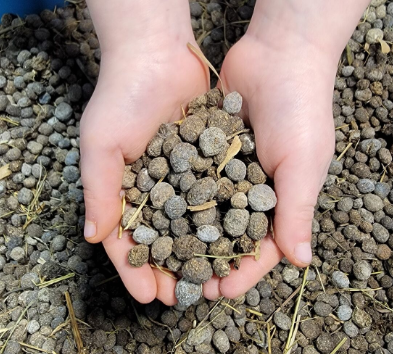
Core Waste Reuse Profit Models for Farms
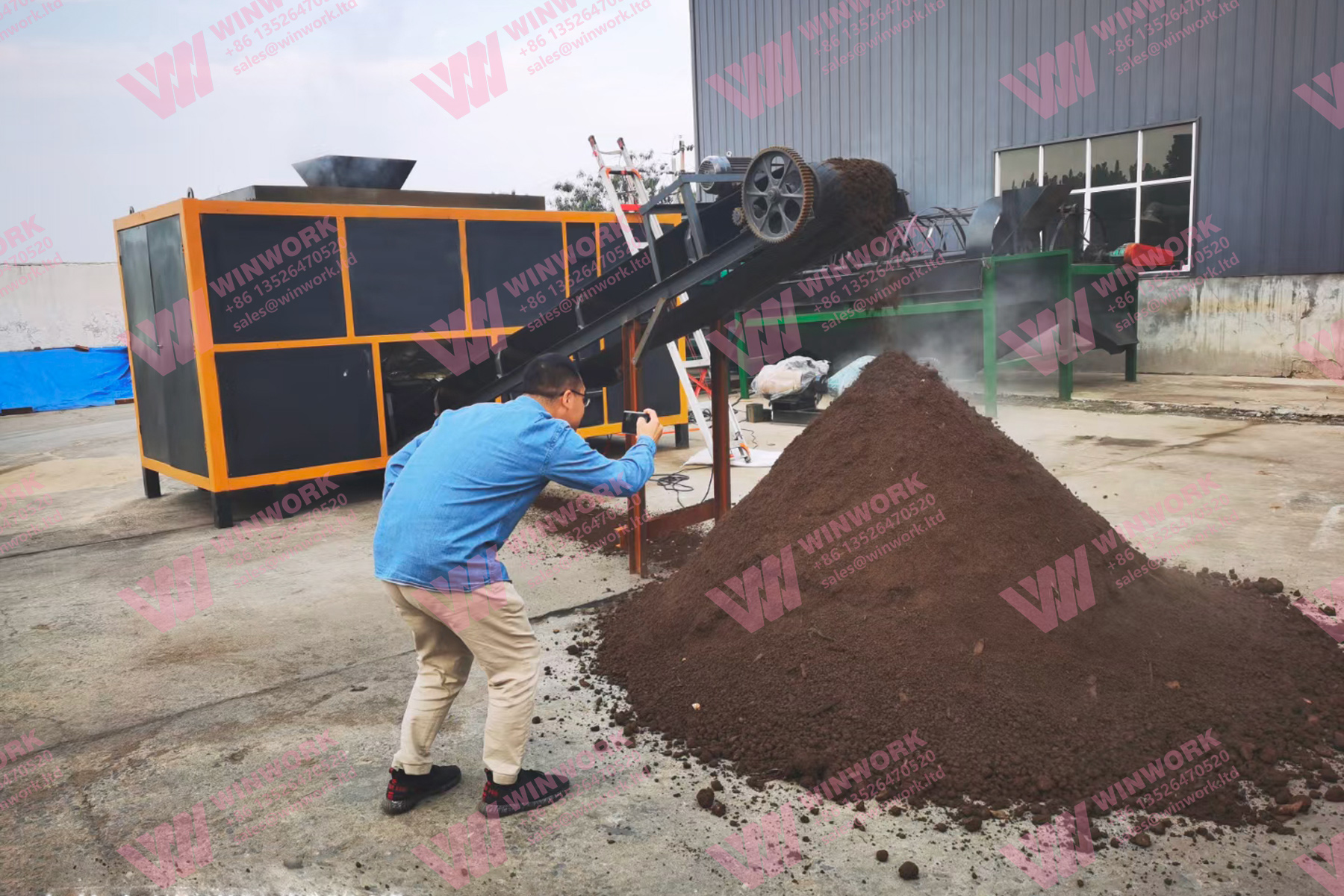
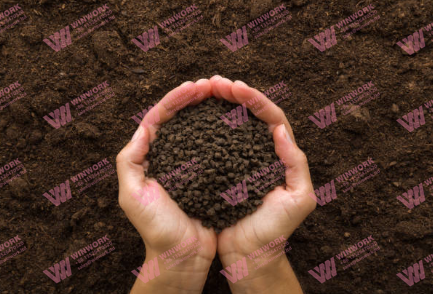
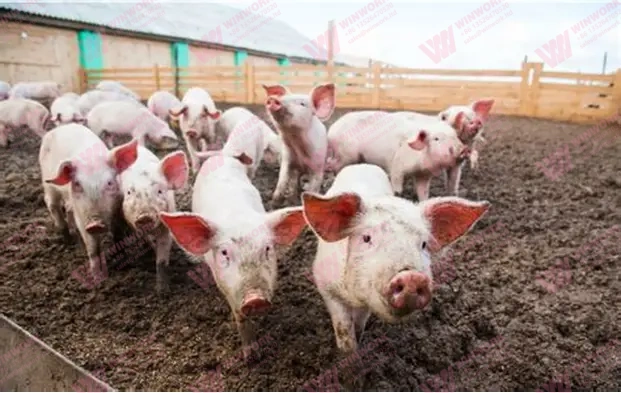
Livestock manure is rich in nitrogen, phosphorus, and potassium. Using a solid-liquid separator, you split manure into solids and liquids. The solids go into composting—mixed with straw or sawdust, shredded, and turned regularly until they become dark, crumbly compost.
This compost can be sold in bulk or made into pellets with a small granulator. The liquid fraction can feed fertigation systems or go into anaerobic digestion to produce biogas for heating or electricity. Both outputs are part of robust waste reuse profit models for farms.
Crop Residue Recycling Model
Instead of burning corn stalks or rice straw, collect and shred them. Mix with manure or food scraps to accelerate composting. The finished product improves soil structure and replaces peat or chemical fertilizers. Selling this compost to local growers or landscapers adds a new income line.
Food Scrap Conversion Model
Farms with packing facilities generate spoiled vegetables, fruit peels, and culls. These can be composted with manure or processed into biofertilizer through anaerobic digestion. The leftover digestate is a nutrient-rich liquid fertilizer. Packaging and branding this as “farm-made organic fertilizer” taps into consumer demand for local, sustainable products.
Energy-from-Waste Model
Anaerobic digesters turn manure and food waste into methane. The gas fuels generators, water heaters, or dryers. Selling excess power back to the grid or using it on-site lowers energy bills. This model is especially attractive in regions with high electricity costs and supportive energy policies.
Equipment That Powers Waste Reuse Profit Models for Farms
You don’t need a massive budget to get started. A manual solid-liquid separator costs under $1,500 and quickly pays for itself by reducing hauling fees. A small electric shredder or crusher for manure and straw runs $800 to $2,000, making composting faster and more consistent. A basic compost turner, either hand-operated or PTO-driven, costs $1,000 to $3,000 and keeps piles hot enough to kill pathogens. 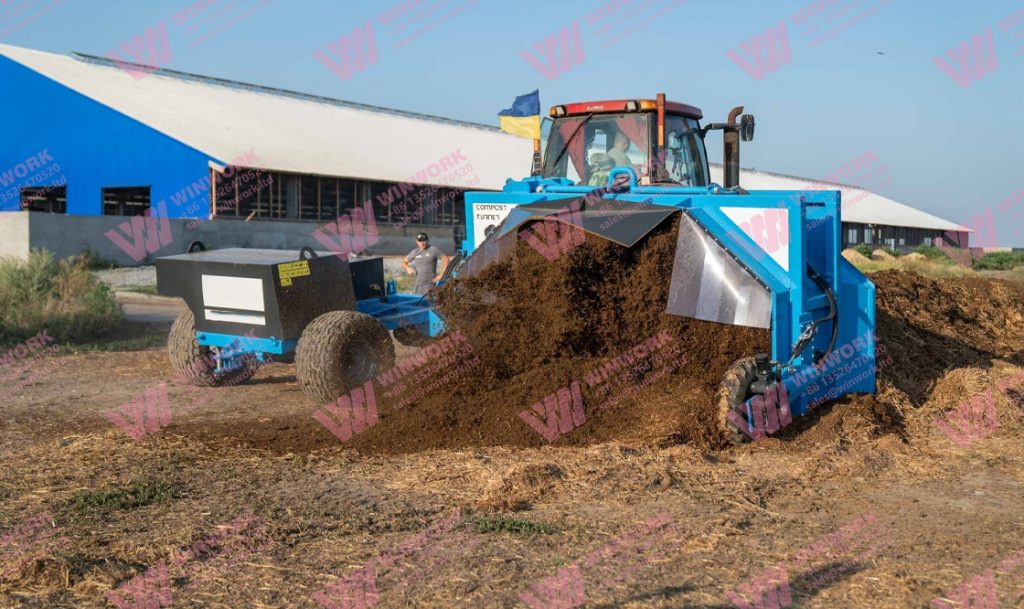
But it is essential to say that a compost turner is necessary, because that your materials may be large or fill with harmful gas or other materials, so composting before producing is important. And after composting, your materials can be more suitable for the later processes. The crusher is as important as the compost turners.
And after treatment wit your materials, you can get it granulated, so it can be better to store. After granulation, it becomes convenient for storage and packaging, and also helps prevent moisture absorption or fragmentation.
For drying, solar racks or a small rotary dryer prepare compost for storage or pelleting. A flat die pelletizer under $3,000 turns compost into premium pellets that command higher prices. Anaerobic digesters range from $10,000 to $100,000, but scaled systems can run entirely on farm waste. All of this equipment enables waste reuse profit models for farms without requiring huge upfront investment.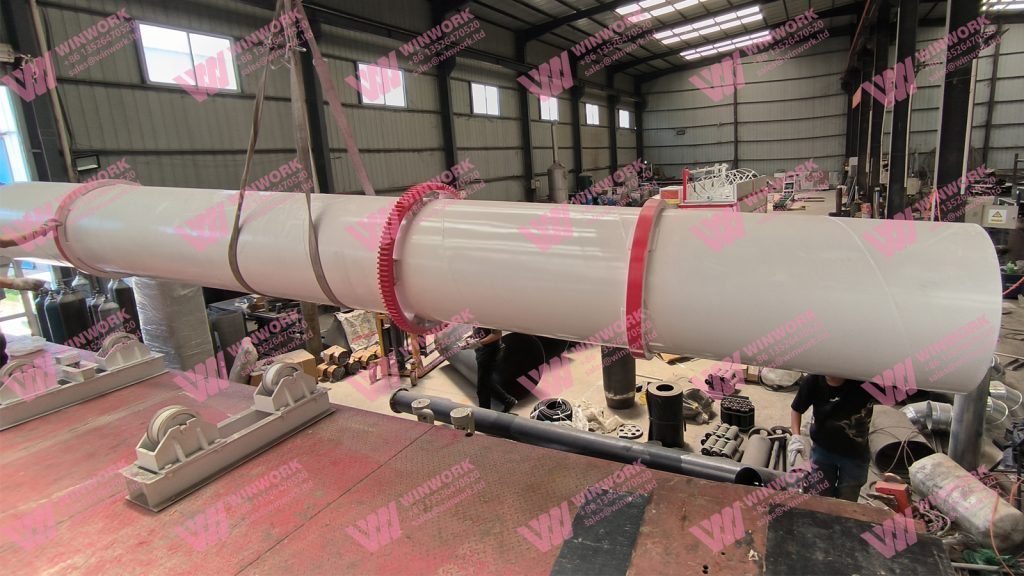
Real Farm Example
The Wus run a 20-cow dairy and grow vegetables on 8 acres. Before adopting waste reuse profit models for farms, they spent $1,000 a year on fertilizer and $600 on waste disposal. After buying a $1,200 separator, a $1,800 shredder, and a $2,500 compost turner, they began producing 6 tons of compost annually. They replaced 80 percent of their chemical fertilizer purchases and sold the surplus for $150 a ton.
Adding a small $12,000 digester gave them enough biogas to heat their barn and water, cutting propane bills by $700 a year. Within three years, the new equipment paid for itself and added $1,200 in net income. “These waste reuse profit models for farms turned our trash into a second business,” says Mrs. Wu.
FAQ: Your Questions About Waste Reuse Profit Models for Farms Answered
Q1: Can small farms really profit from waste reuse?
A: Yes. Even 5–10 animals or a few acres of crop residue can justify a separator and compost setup.
Q2: How much can I earn from compost sales?
A: Prices vary, but screened compost often sells for $80–$200 per ton depending on quality and location.
Q3: Do I need permits to sell compost or biogas?
A: Small-scale, local sales usually don’t require permits. Large operations may need organic certification or energy licenses.
Q4: Will composting manure attract pests?
A: Properly managed piles in sealed or covered systems don’t attract flies or rodents.
Q5: How long does it take to make saleable compost?
A: With regular turning, 2–3 months for active composting plus 1 month curing.
Q6: Can I use horse or chicken manure too?
A: Yes. The process works for all livestock manure types.
Q7: What if I don’t have a tractor?
A: Manual equipment and solar drying work well for small operations.
Q8: Is anaerobic digestion worth it for small farms?
A: If you have 20+ cows or equivalent waste, yes. It generates free energy and reduces odor.
Q9: How do I find buyers for compost or pellets?
A: Local farmers, garden centers, landscapers, and online marketplaces are good outlets.
Q10: How do I start with waste reuse profit models for farms?
A: Begin with composting manure and crop residues. Add a separator, shredder, and pelletizer as you grow.
Conclusion
Waste reuse profit models for farms are more than a buzzword—they’re a practical blueprint for cutting costs and boosting income. By converting manure, crop stalks, and food scraps into fertilizer, energy, and soil amendments, you prevent pollution and create products with real market value. The equipment is affordable, the process is straightforward, and the payoff is measurable. Whether you run a backyard homestead or a mid-sized mixed farm, these waste reuse profit models for farms can transform your operation into a leaner, greener, and more profitable enterprise.
For more details, please feel free to contact us.
Email: sales@lanesvc.com
Contact number: +8613526470520
Whatsapp: +8613526470520
Get A Quote