

Introduction
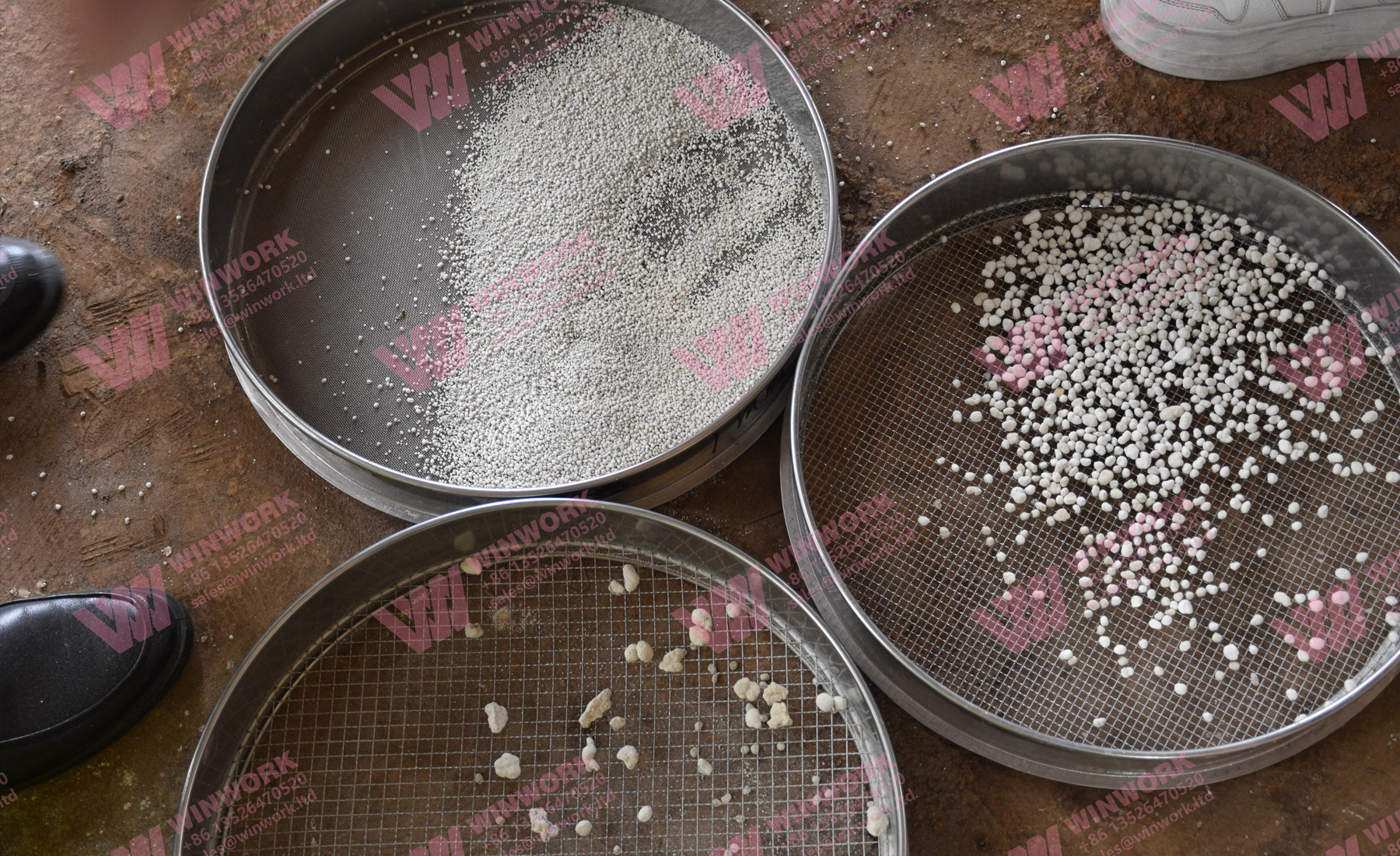
In the era of green agriculture and circular economy, the wet granulation fertilizer machine has emerged as a cornerstone technology for transforming high‑moisture organic raw materials into premium, easy‑to‑apply granules. This press release explores what the wet granulation fertilizer machine is, which organic inputs are ideal for wet granulation, common equipment types, and the substantial benefits of using this approach in organic fertilizer production. The article also addresses frequently asked questions to help producers make informed decisions about integrating the wet granulation fertilizer machine into their operations.
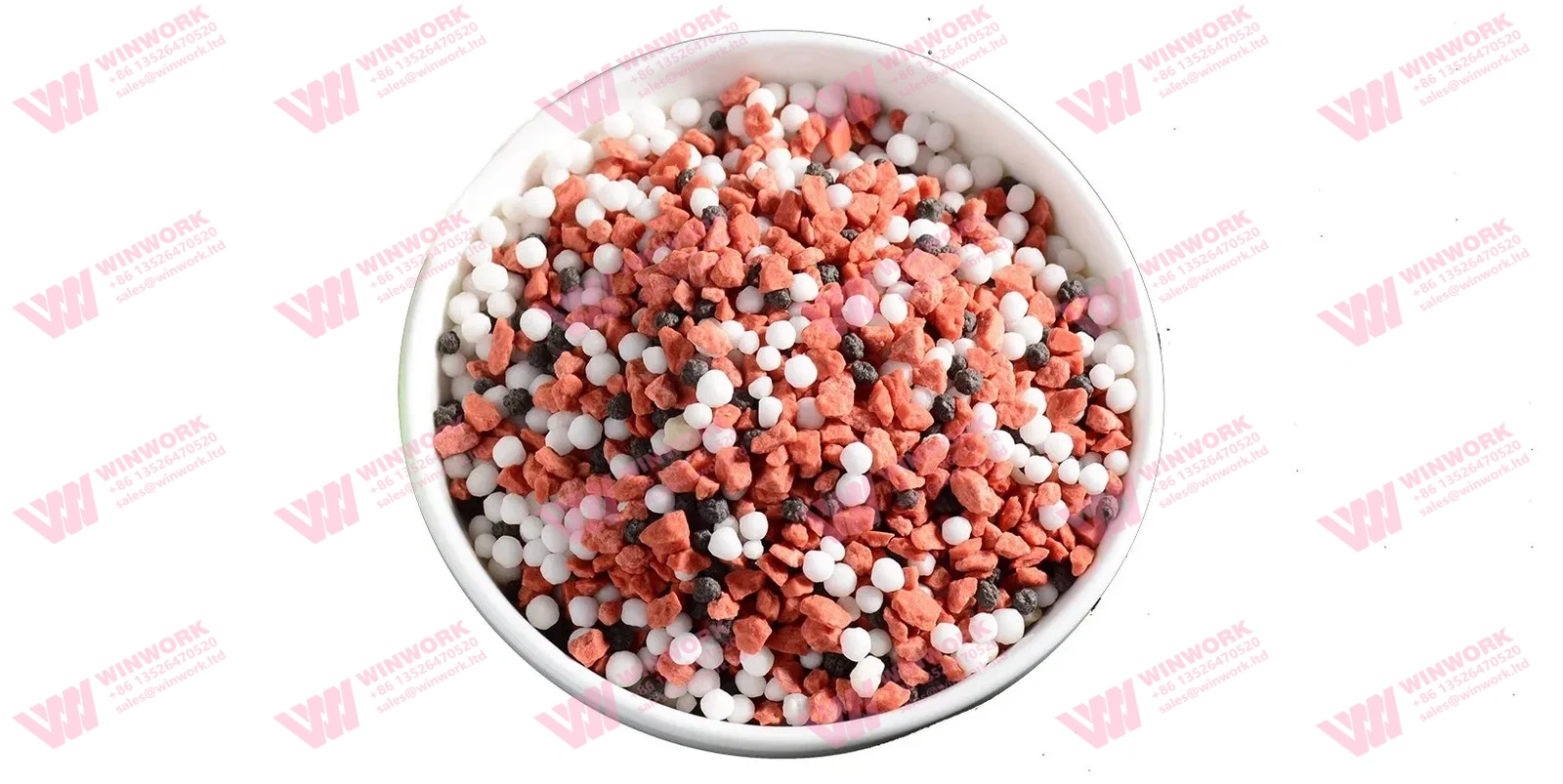
Organic fertilizer production increasingly relies on efficient shaping technologies to convert bulky, moist raw materials into marketable granules. Among these, the wet granulation fertilizer machine stands out for its ability to bind nutrients and biomass using moisture and gentle compaction, producing durable, spherical or cylindrical granules without requiring high drying temperatures. This method is particularly well‑suited to organic fertilizers because it preserves beneficial microorganisms and minimizes thermal degradation of organic matter.
What Is a Wet Granulation Fertilizer Machine?
The wet granulation fertilizer machine is specialized equipment that forms fertilizer granules by adding a controlled amount of liquid binder to powdered or crushed organic materials, then agglomerating them through rolling, stirring, or extrusion under specific humidity conditions. Unlike dry granulation, which compacts powders without added moisture, the wet granulation fertilizer machine harnesses surface tension and capillary forces to create strong interparticle bonds, yielding robust granules directly from high‑moisture feeds such as animal manure slurries, compost fines, or biogas residues.
Key features include adjustable binder addition systems, rotating drums or pans for tumble granulation, and precision moisture sensors to maintain optimal granulation windows. These traits ensure the wet granulation fertilizer machine can handle variable organic feedstocks while maintaining consistent pellet quality.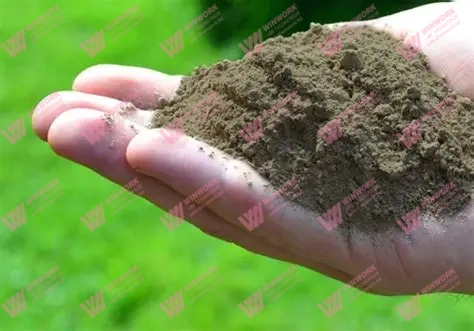
Suitable Materials for Wet Granulation Fertilizer Machine in Organic Fertilizer Production
The wet granulation fertilizer machine excels with raw materials that are naturally moist or can be easily wetted, including:
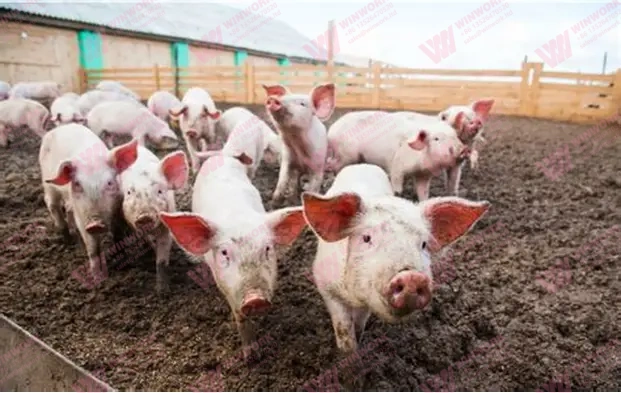
Animal manure slurries: Fresh cow, pig, chicken manure with 50%–70% moisture.
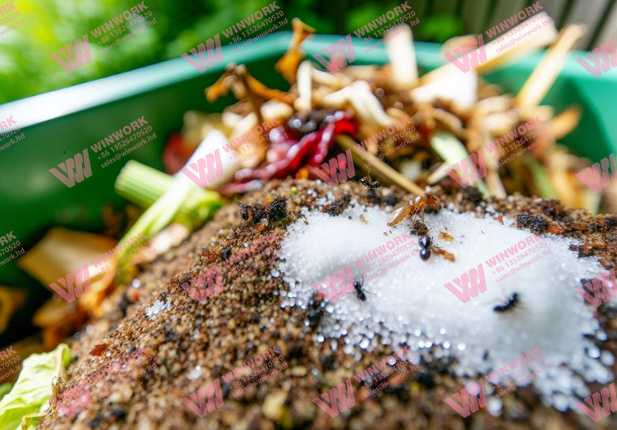
Compost fines: Screened, partially decomposed organic matter rich in humus.
Biogas digestate: Nutrient‑rich effluent from anaerobic digestion, typically 90%+ moisture.
Mixed organic waste: Blends of crop residues, food processing waste, and manure.
Fungal mycelium biomass: High‑protein microbial biomass from mushroom cultivation.
These substrates already contain sufficient moisture or can be conditioned with minimal water, allowing the wet granulation fertilizer machine to form granules without extensive predrying, saving energy and preserving bioactivity.
Some types of the wet granulation fertilizer machine
The powdered material to be granulated is added into the drum granulator from the feed end.
In the drum granulator, a certain amount of water or steam is introduced to make the fertilizer fully react chemically after being humidified in the drum.
With the help of the rotating motion of the drum, the materials are squeezed and agglomerated into spherical particles. The special structure in the drum helps to enhance this squeezing and agglomeration effect.
With the continuous rotation of the drum and the continuous entry of materials, the formed particles gradually increase.
Finally, these particles flow out from the discharge port, completing the granulation process.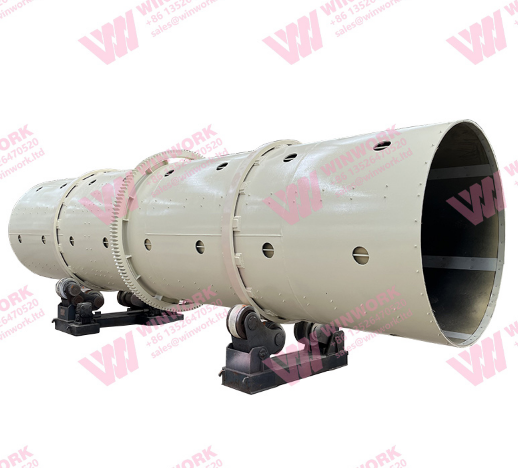
The working principle of a disc granulator is mainly based on the mechanical squeezing, rolling, and collision formed by the material in a rotating inclined disc, which causes the material to aggregate into particles of specific shapes.
Its core component is a rotating disc with a tilted angle, which is driven by an electric motor to rotate. The material is first crushed, screened, and mixed before being evenly added to the disc. Inside the disk, the material is subjected to a combination of centrifugal force, frictional force, and gravity, moving along a parabolic trajectory.
Prepare the raw materials required for the roller granulator (such as powdered organic fertilizer, compound fertilizer, graphite, etc.) and feed them into the roller granulator through the feed hopper. Through the rotation of the screw rod, the material is forced to be extruded between the two rollers at the bottom.
After the material reaches the bottom, the two rollers rotate relative to each other and use the mold shell to extrude the material, and the material becomes a cake or strip under strong pressure.
Then, the extruded material enters the granulator and is broken into loose particles by the rotating knife row. Then enter the granulator and further organize it by the rolling knife row to make the shape of the particles more regular.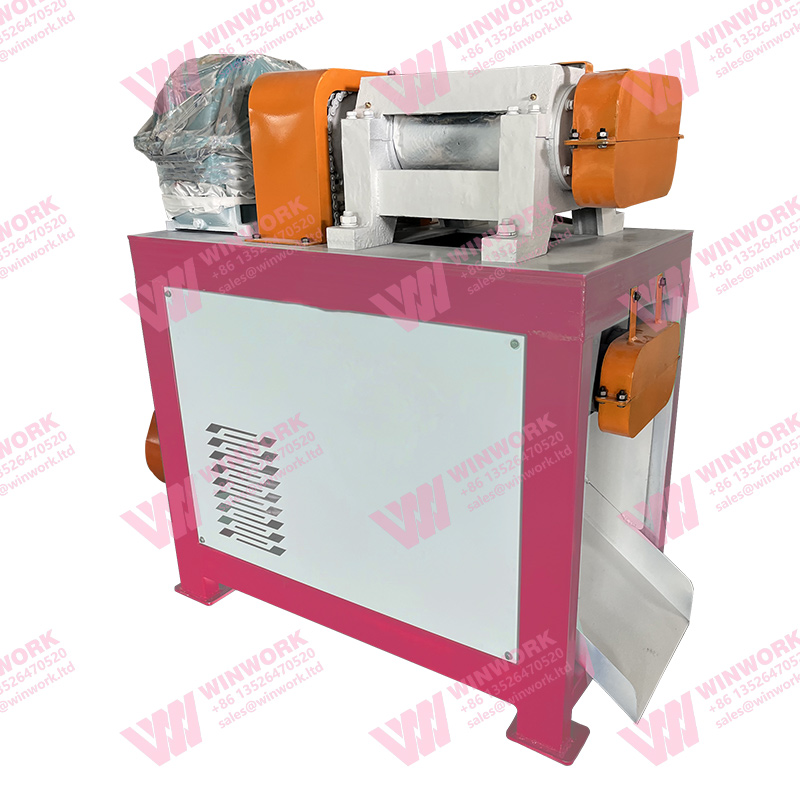
The processed particles enter the rotary vibrating screen for screening, and the qualified particles are screened out, and the screened powdered materials are sent back to the raw material bin for secondary rolling.
The extrusion force of the roller granulator can be controlled by the hydraulic system to meet the granulation needs of different materials. At the same time, by changing the groove form of the roller surface, different shapes of materials such as flakes, strips, and oblate balls can be obtained.
Stirring pin Granulator
First, the organic materials to be processed are mixed and fermented.
Add an appropriate amount of water or steam to the raw materials to make the materials reach a humidity suitable for granulation. This step is crucial for the formation of particles. Appropriate humidity can promote the bonding and molding of particles.
Use mechanical devices such as spiral rotation to stir and extrude the materials. During high-speed operation, pressure is generated between the materials, and the particles gradually form and detach from the mold. At the same time, the air volume is adjusted to control oxygen supply and normal heat dissipation, so as to ensure that the equipment can operate continuously.
After stirring and extrusion, the materials form spherical particles. The shape and size of these particles can be appropriately adjusted by adjusting the equipment. Generally, the lower the mixing amount and the higher the speed, the smaller the particles formed; conversely, the larger the particles.
The newly formed particles need to be cooled before being collected and packaged.
The rotary drying and cooling machine is a kind of high-efficiency equipment integrating drying and cooling, which is widely used in chemical industry, fertilizer, mining industry, building materials and other industries.
The rotary drying and cooling machine realizes the continuous drying and cooling process of materials in the same body, which saves space and equipment investment and simplifies the process.
The rotary drying and cooling machine has the advantages of large processing capacity, strong adaptability, easy operation and maintenance, energy saving and environmental protection, etc. It is an indispensable and important equipment in the production of fertilizers.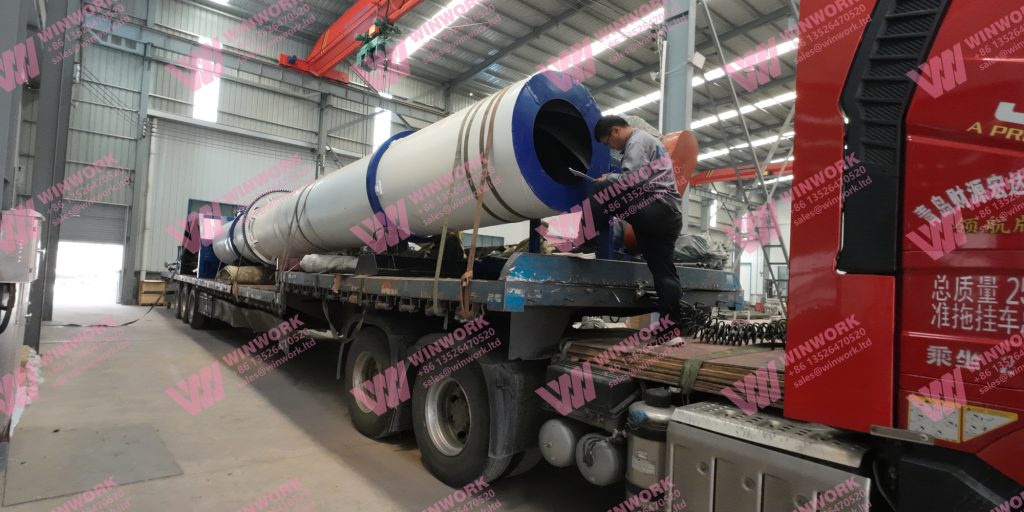
Benefits of Using Wet Granulation Fertilizer Machine in Organic Fertilizer Production
Employing the wet granulation fertilizer machine brings multiple advantages
High Nutrient Retention: Gentle moist processing preserves heat‑sensitive organic compounds and beneficial microbes, unlike high‑temperature drying.
Superior Granule Strength: Capillary bonding produces hard, abrasion‑resistant pellets that resist crumbling during transport and spreading.
Enhanced Appearance and Handling: Uniform, smooth granules improve market appeal and enable precise metering with modern spreaders.
Reduced Pre‑Drying Needs: Direct granulation from moist feeds cuts energy consumption for drying by 30%–50%, lowering production costs.
Flexible Formulation: The wet granulation fertilizer machine accommodates diverse organic blends, allowing customized NPK and micronutrient profiles.
Controlled Release Potential: By adjusting binder type and granule density, slow‑release characteristics can be engineered within the wet granulation fertilizer machine process.
Lower Dust Pollution: Granulation binds fine particles, significantly reducing airborne dust versus powdered fertilizers.
Case studies show that fertilizer plants upgrading to advanced wet granulation fertilizer machine systems achieved 25% higher product uniformity and 18% lower energy use per ton of output.
FAQ – Frequently Asked Questions and Answers
Q1: Why choose wet granulation over dry granulation for organic fertilizer?
A1: The wet granulation fertilizer machine retains microbial life and organic nutrients, avoids high heat damage, and handles high‑moisture feeds directly, making it ideal for true organic fertilizers.
Q2: Does the wet granulation fertilizer machine require additives?
A2: Often just water or fermented liquor suffices, but some formulations add small amounts of clay or starch to adjust binding; the wet granulation fertilizer machine can precisely meter these.
Q3: How to control granule size?
A3: Size is governed by drum/pan angle, rotation speed, and binder quantity in the wet granulation fertilizer machine; changing screen mesh or die diameter in extruders also adjusts dimensions.
Q4: Is post‑granulation drying necessary?
A4: Typically yes, to reach storage stability (8%–12% moisture), but the wet granulation fertilizer machine’s low‑heat input reduces dryer load and time.
Q5: Can the wet granulation fertilizer machine process mixed organic wastes?
A5: Yes, its flexible design handles blends of manure, compost, and agro‑industrial residues, creating homogeneous granules with balanced nutrition.
Conclusion
As organic fertilizer demand grows, the wet granulation fertilizer machine will evolve with smarter controls, energy‑recovery dryers, and integration for real‑time moisture and binder monitoring. Hybrid systems combining wet granulation with coating units will further enhance controlled‑release capabilities. Investing in a reliable wet granulation fertilizer machine enables producers to transform wet organic waste into high‑value, eco‑friendly fertilizer granules efficiently and sustainably.
The wet granulation fertilizer machine proves essential for converting moist organic resources into durable, uniform granules while conserving energy and preserving biological activity. Mentioned repeatedly throughout, the wet granulation fertilizer machine is the linchpin of modern organic fertilizer shaping technology, and its continued innovation will drive greener, more profitable fertilizer manufacturing worldwide.
For more details, please feel free to contact us.
Email: sales@lanesvc.com
Contact number: +8613526470520
Whatsapp: +8613526470520
Get A Quote