

Introduction
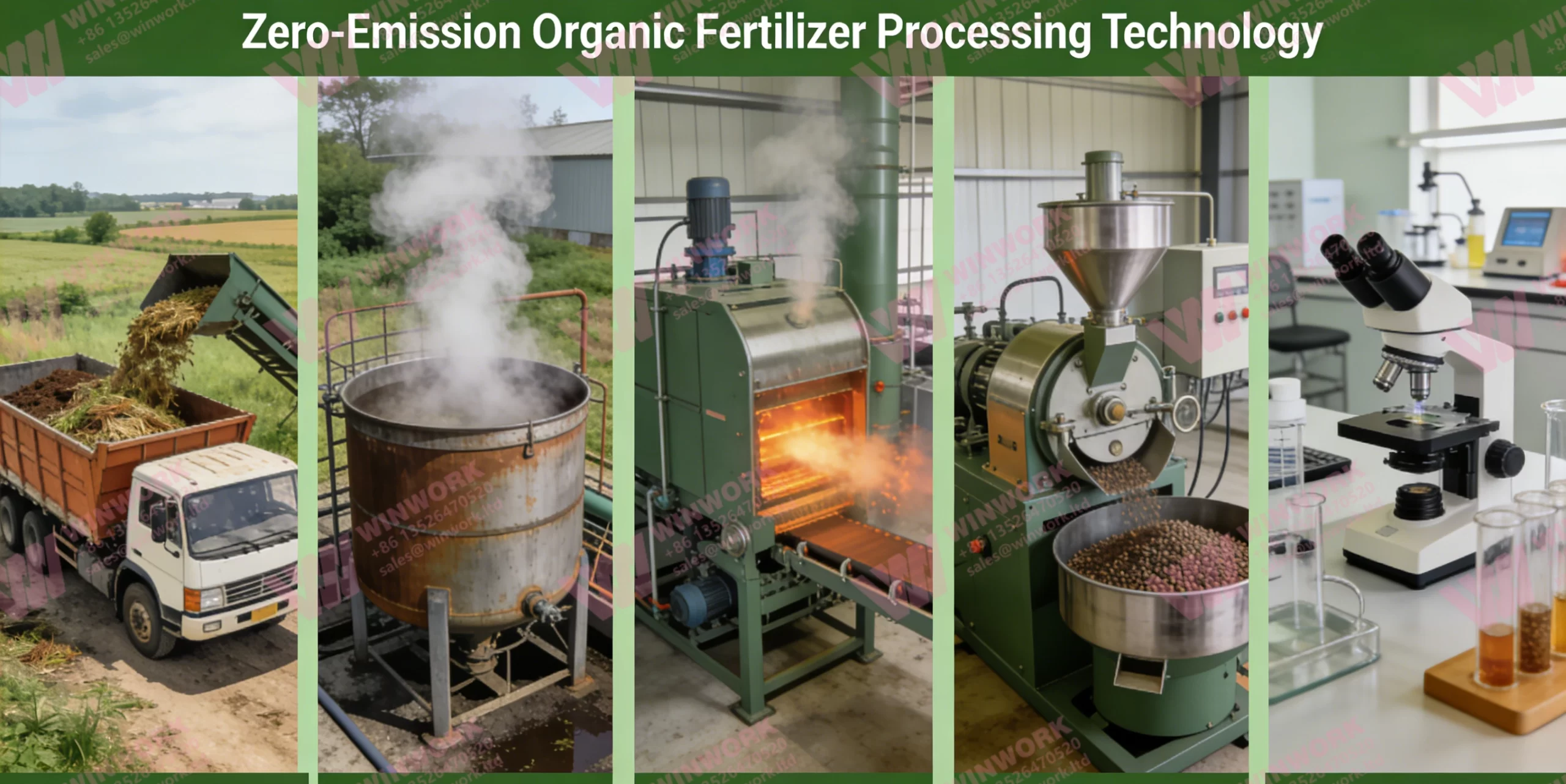
As environmental regulations tighten and sustainability becomes a competitive necessity, Zero-Emission Organic Fertilizer Processing Technology emerges as a game-changing innovation for transforming organic waste into valuable fertilizer without releasing pollutants. This press release explores Zero-Emission Organic Fertilizer Processing Technology, detailing its definition, core benefits, typical equipment, integrated solutions, and a FAQ section. This press guides fertilizer producers and municipalities toward truly clean production pathways.
What Is Zero-Emission Organic Fertilizer Processing Technology?
Zero-Emission Organic Fertilizer Processing Technology refers to an integrated system designed to convert organic wastes—such as livestock manure, agricultural residues, food processing byproducts, and sewage sludge—into organic fertilizers without discharging wastewater, gas emissions, or solid residues into the environment. Unlike conventional composting or anaerobic digestion plants that often emit ammonia, methane, leachate, or odors, this technology employs closed-loop processes, advanced gas purification, and water recycling to achieve near-zero pollutant release.
At its core, Zero-Emission Organic Fertilizer Processing Technology combines biological stabilization with physical-chemical treatment and intelligent control, ensuring that every input material is transformed into marketable fertilizer while minimizing environmental impact.
Benefits of Zero-Emission Organic Fertilizer Processing Technology
Adopting Zero-Emission Organic Fertilizer Processing Technology delivers multidimensional advantages:
Pollution Prevention, Eliminates odors, ammonia volatilization, methane leaks, and contaminated effluent.
Regulatory Compliance, Exceeds strict environmental standards, reducing risk of fines or shutdowns.
Resource Recovery, Converts waste streams into high-value organic fertilizers, closing nutrient loops.
Carbon Footprint Reduction, Captures methane for energy or oxidation, lowering greenhouse gas emissions.
Water Conservation, Recycles process water, reducing freshwater intake.
Odor Control, Advanced biofilters and scrubbers neutralize malodorous compounds.
Public Acceptance, Enables siting near urban or suburban areas without community opposition.
Product Quality, Controlled conditions produce stable, contaminant-free organic fertilizers.
Operational Efficiency, Automation and closed systems lower labor and maintenance costs.
These benefits make Zero-Emission Organic Fertilizer Processing Technology a strategic investment for sustainable agriculture and waste management.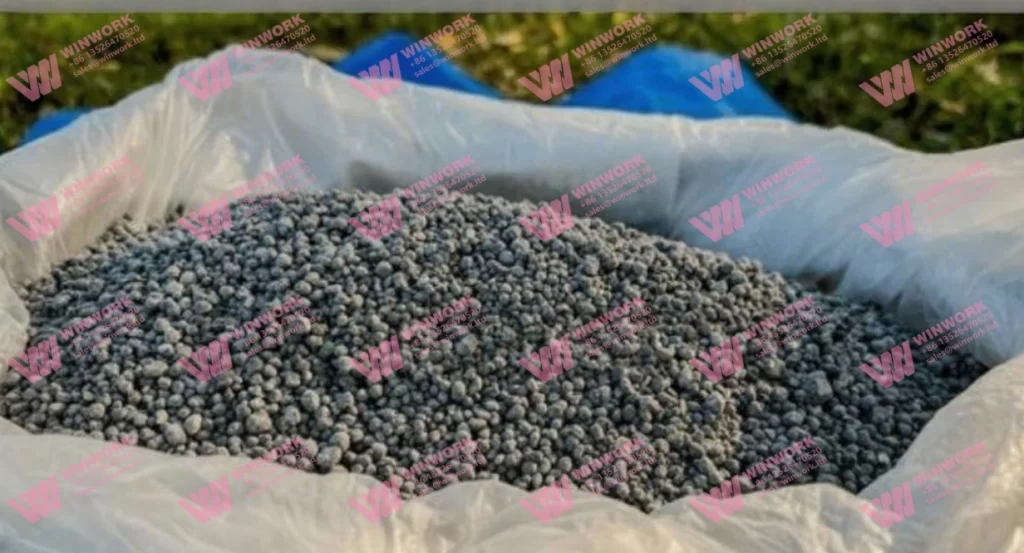
Core equipment
A tank is essential, especially a closed type. A sealed space can facilitate better fermentation and prevent gas from escaping.
Some adsorption devices can remove harmful gases and prevent them from volatilizing into the air, thus avoiding pollution emissions.
Transportation equipment such as conveyor belts and belts can be equipped with dust covers to ensure transportation within a confined space and reduce pollution emissions and leakage.
The rotary drying and cooling machine is a kind of high-efficiency equipment integrating drying and cooling, which is widely used in chemical industry, fertilizer, mining industry, building materials and other industries.
The rotary drying and cooling machine realizes the continuous drying and cooling process of materials in the same body, which saves space and equipment investment and simplifies the process.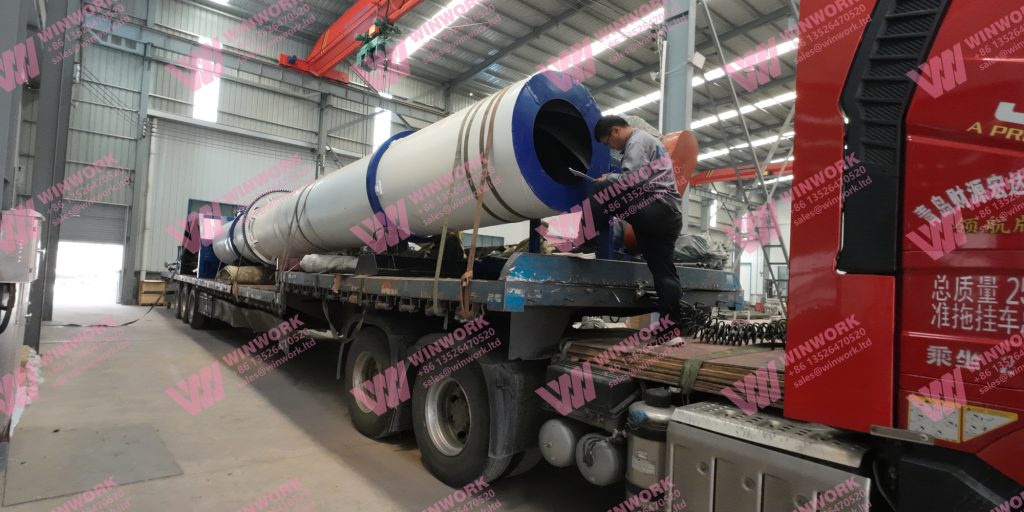
The rotary drying and cooling machine has the advantages of large processing capacity, strong adaptability, easy operation and maintenance, energy saving and environmental protection, etc. It is an indispensable and important equipment in the production of fertilizers.
Pulse dust removal is an efficient and reliable dust removal equipment widely used in the industrial field for air pollution control. It combines the technological advantages of bag filtration and pulse cleaning, and performs particularly well in purifying dusty gases.
Then granulator and coating machine is needed. The above-mentioned dryer ensures a dry environment for granulation and coating, which can prevent the product from spoiling.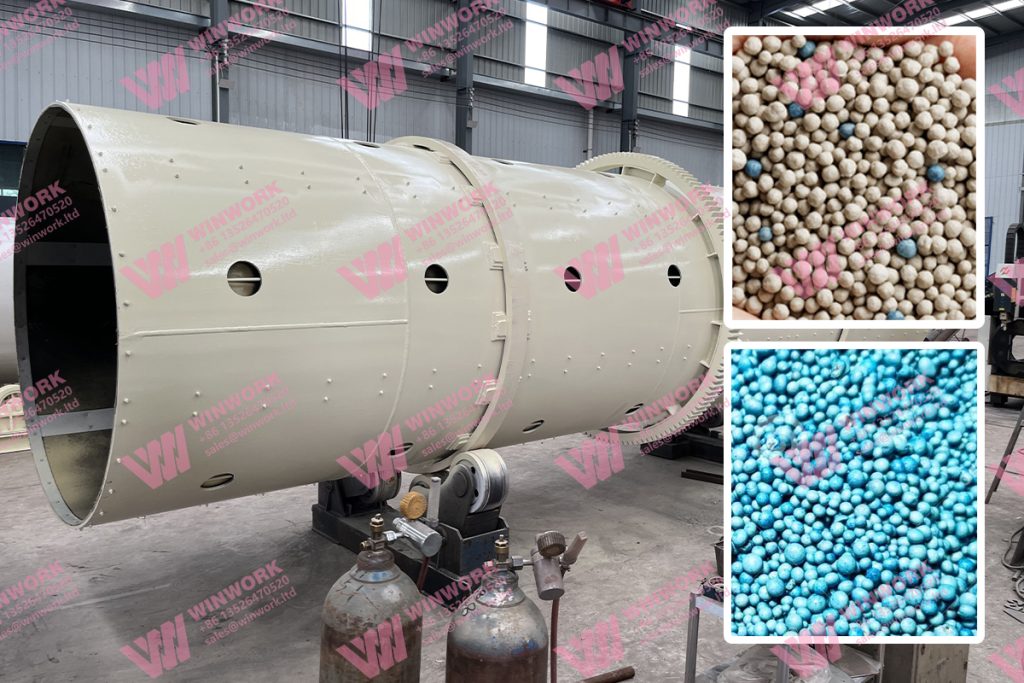
Integrated Solutions for Zero-Emission Organic Fertilizer Processing Technology
Deploying Zero-Emission Organic Fertilizer Processing Technology requires a holistic approach:
Waste Intake and Pretreatment, Receive segregated organic waste and screen to uniform size.
Controlled Biological Stabilization, Use enclosed fermenters with optimized C/N ratios and microbial inoculants.
Gas Capture & Utilization, Route biogas to CHP engines or catalytic oxidizers; route exhaust through biofilters.
Moisture Management, Separate liquid fractions for reuse in hydrolysis or cleaning processes.
Thermal Drying with Heat Exchange, Dry solids while transferring heat to incoming waste streams.
Final Processing, Granulate, cool, and package fertilizer under sealed conditions.
Continuous Monitoring, Deploy sensors for NH₃, H₂S, PM, and wastewater quality, with automatic adjustment.
This closed-loop design is the essence of Zero-Emission Organic Fertilizer Processing Technology, ensuring no untreated emissions leave the system.
Applicable Scenarios
Zero-Emission Organic Fertilizer Processing Technology is ideal for:
Large-scale livestock operations managing manure sustainably
Food processing industries treating high-BOD organic effluents
Municipal organic waste treatment plants in urban areas
Industrial parks implementing circular economy goals
Export-oriented organic fertilizer producers targeting strict international environmental standards
In all these cases, the technology allows for on-site or regional processing without compromising air or water quality.
FAQ
Q1: Is true zero emission possible in organic fertilizer processing?
A: While 100% may be theoretical, Zero-Emission Organic Fertilizer Processing Technology reduces emissions to below detectable regulatory limits, effectively achieving practical zero discharge.
Q2: How does this technology handle high-moisture waste?
A: Closed solid-liquid separation and water recycling units extract and reuse moisture, eliminating the need for external discharge.
Q3: What happens to the captured biogas?
A: It can be used to generate electricity, heat the drying process, or be catalytically oxidized, preventing methane release.
Q4: Can existing compost plants be retrofitted?
A: Yes, with sealed reactors, gas treatment, and water recycling modules, many existing facilities can be upgraded to Zero-Emission Organic Fertilizer Processing Technology standards.
Q5: Is the final fertilizer marketable as certified organic?
A: Yes, because the process avoids chemical additives and synthetic inputs, and meets heavy metal and pathogen standards for organic certification.
Conclusion
Zero-Emission Organic Fertilizer Processing Technology represents the future of clean, sustainable fertilizer production. By converting organic waste into valuable products without harming air or water, it addresses two urgent global challenges: waste accumulation and soil degradation. This press release has highlighted the Zero-Emission Organic Fertilizer Processing Technology throughout to emphasize its potential to transform the fertilizer industry. As environmental policies strengthen and public demand for green products grows, Zero-Emission Organic Fertilizer Processing Technology will become the benchmark for responsible organic fertilizer manufacturing, enabling a truly circular and pollution-free agricultural economy.
For more details, please feel free to contact us.
Email: sales@lanesvc.com
Contact number: +8613526470520
Whatsapp: +8613526470520
Get A Quote