


If you’ve ever driven past a sugar mill, you know the sight: massive piles of dark, wet, muddy sludge sitting in the sun, smelling like sour molasses and rotting vegetation. For decades, factory managers saw this “filter mud” as a costly headache—something to bury, dump, or pray would just go away. But the smart money has figured it out. That pile isn’t waste; it’s wealth. We are talking about Producing bio-fertilizer using sugar factory filter mud.
These filter sludges are rich in calcium and organic matter, and are highly suitable for use as fertilizers for crops or soil amendments.
This process is the definition of a win-win. You take a problematic industrial byproduct that is high in organic matter, sugars, and minerals, and you turn it into a premium, soil-enriching bio-fertilizer. Producing bio-fertilizer using sugar factory filter mud solves an environmental disposal crisis and creates a high-demand agricultural product at the same time. If you are in the sugar industry or the fertilizer business, understanding this process isn’t just a good idea—it’s essential for staying competitive and sustainable.
What Exactly is Sugar Factory Filter Mud?
Before we talk about making fertilizer, we need to know what we are working with. When sugar cane is crushed to extract the juice, that juice is full of impurities—dirt, wax, fiber, and proteins. To clean it, the juice goes through a clarification process and then through filter presses or vacuum filters. What gets left behind on those filters is the filter mud (sometimes called press mud or filter cake).
The sugar factory processes substances with high sugar content, such as sugar cane, into sugar blocks. The discarded materials during the process are called filter sludge.
This stuff is usually wet (60-70% moisture), heavy, and packed with goodies. It contains cane fiber, residual sucrose (sugar), proteins, wax, and minerals like calcium, phosphorus, and potassium. The problem is, because it’s so wet and sugary, if you just leave it in a pile, it ferments badly, smells terrible, and can become a pollutant. Producing bio-fertilizer using sugar factory filter mud is the controlled, smart way to harness those nutrients before they go to waste.
Why Bother? The Big Benefits of Producing Bio-Fertilizer Using Sugar Factory Filter Mud
You might ask, “Why not just spread it on the field raw?” Well, you could, but it’s not ideal. Raw filter mud can temporarily tie up nitrogen in the soil as it breaks down, and it can be too acidic. Here is why processing it is the better move:
It Solves Your Disposal Problem (and Costs)
Landfilling filter mud or spreading it raw often comes with tightening environmental regulations and fees. By Producing bio-fertilizer using sugar factory filter mud, you turn a disposal cost into a manufacturing profit. You eliminate the liability and create an asset.
You Create a Premium, Stable Product
Raw mud is messy and hard to transport. Processed bio-fertilizer in granular or powdered form is clean, stable, and has a pleasant earthy smell. Producing bio-fertilizer using sugar factory filter mud allows you to brand and sell a consistent product that farmers trust.
Enhanced Nutrient Availability
Through composting and fermentation, the complex organic molecules in the mud break down into simpler forms that plants can gobble up immediately. The process of Producing bio-fertilizer using sugar factory filter mud unlocks the nutrients, making them more “plant available” than in the raw state.
It’s a Soil Conditioner, Not Just Food
Because the mud is high in organic matter (humus), the resulting bio-fertilizer doesn’t just feed the crop; it improves the soil structure. It helps sandy soils hold water and loosens clay soils. Producing bio-fertilizer using sugar factory filter mud contributes to the long-term health of the farmland.
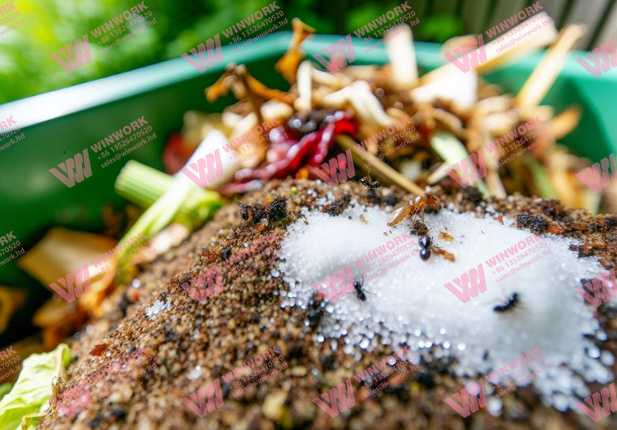
How Does It Work? The Nuts and Bolts of the Process
Alright, let’s get practical. How do you actually turn that sloppy mud into a bag of black gold? The process of Producing bio-fertilizer using sugar factory filter mud follows a logical path of preparation, biological conversion, and refinement.
Step 1: Dewatering and Pre-Treatment
Fresh filter mud is too wet to compost efficiently. The first step in Producing bio-fertilizer using sugar factory filter mud is getting the moisture down. You might use a screw press or simply mix the mud with absorbent “bulking agents” like rice hulls, sawdust, or bagasse (sugarcane fiber). This bulking agent soaks up excess water and, more importantly, creates air pockets. You need air for the good bacteria to breathe.
Step 2: Balancing the Mix (C:N Ratio)
Microbes need a balanced diet of Carbon (from the fiber/hulls) and Nitrogen (from the protein and sugar in the mud). The filter mud is usually high in Nitrogen. By adding the carbon-rich bulking agent, you hit the sweet spot (around 25-30:1 Carbon to Nitrogen). This balance is critical for Producing bio-fertilizer using sugar factory filter mud that heats up properly and doesn’t smell.
Step 3: Inoculation and Fermentation (The Magic)
This is where the “bio” part comes in. You add a starter culture of microorganisms—usually a mix of bacteria and fungi like Trichoderma, Bacillus, or general compost microbes. These guys get to work eating the sugars and breaking down the fiber. You pile the mixed material into windrows (long rows) or put it in fermentation grooves/tanks.
The pile will heat up naturally to 55-65°C (130-150°F). This high heat kills pathogens and weed seeds. For Producing bio-fertilizer using sugar factory filter mud, you must turn the pile regularly (every 2-3 days) to keep oxygen flowing. This is aerobic fermentation, and it’s the engine of the operation.
Step 4: Curing and Maturation
After 2-4 weeks of active high-heat fermentation, the material stabilizes. You let it cure for another few weeks. The temperature drops, and the material turns a dark, rich brown. At this point in Producing bio-fertilizer using sugar factory filter mud, the product is safe, stable, and smells like a healthy forest floor.
Step 5: Refinement (Crushing, Screening, Granulating)
The cured compost might be clumpy. You run it through a crusher to make a fine powder. If you want to sell granules (which farmers often prefer), you add a little water or binder and run it through a granulator (disc or drum). The granules are then dried slightly and cooled.
Step 6: Packaging
Finally, the product is weighed and bagged. Whether it’s powder or pellets, Producing bio-fertilizer using sugar factory filter mud ends with a professional package ready for the agricultural market.
The Important Equipment
You can’t do this efficiently with shovels and wheelbarrows. Producing bio-fertilizer using sugar factory filter mud requires some key machinery to handle the volume and ensure consistency.
The Dewatering Screw Press: To reduce the initial moisture content of the fresh mud.
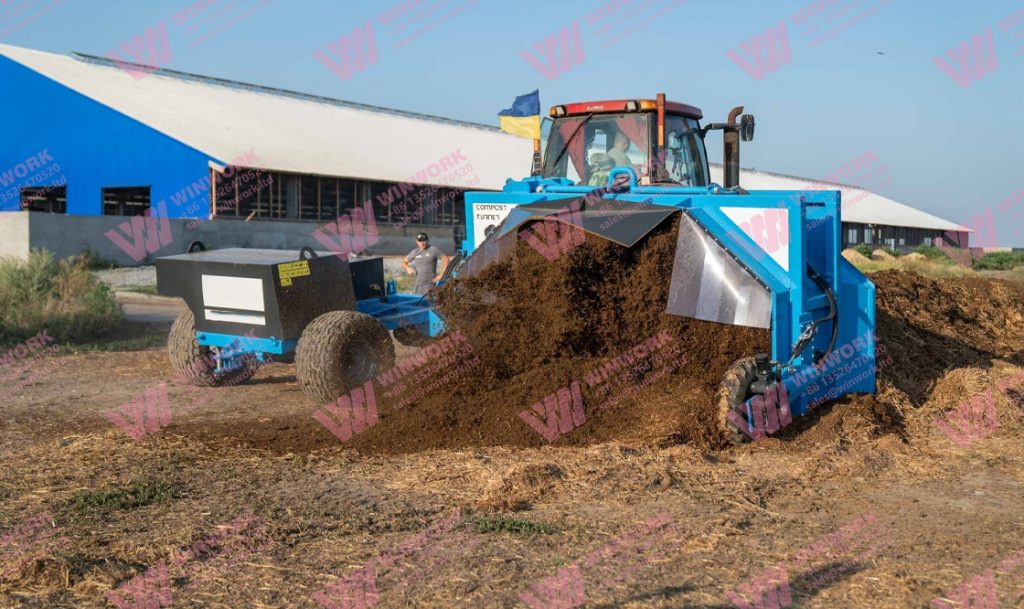
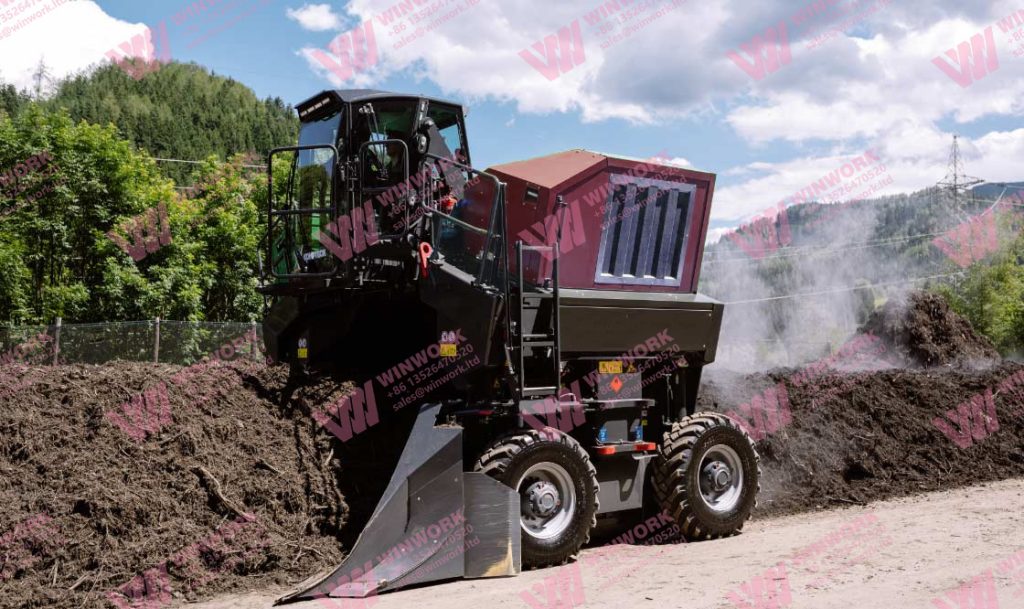
The Compost Turner (Windrow or Groove Type): This is the workhorse. It lifts, mixes, and aerates the pile. Without regular turning, the fermentation stalls. This machine is vital for Producing bio-fertilizer using sugar factory filter mud on any commercial scale.
The Wheeled Type Compost Turner is an advanced composting equipment designed for the aerobic fermentation of organic waste, agricultural residues, sludge, and other materials. Featuring a robust wheel-based mobility system and a powerful turning mechanism, this machine ensures efficient material mixing and aeration, promoting rapid composting and high-quality end products. It is ideal for large-scale composting operations and is essential in organic fertilizer production line and compost making line.
The Crusher/Grinder (Semi-Wet Material Crusher): Fermented compost often has tough fibers. This machine shreds them into a fine texture suitable for granulation or uniform powder.
Horizontal crusher, also known as horizontal semi-wet material crusher, is a kind of crushing equipment specially designed to deal with high humidity, organic materials, especially suitable for organic fertilizer production in the material pre-treatment.
Horizontal crusher adopts a unique double-stage rotor structure, can effectively deal with high humidity materials, such as livestock and poultry manure, city garbage, crop residues and so on. It has high crushing efficiency, even material size, no blockage, no sticking phenomenon, and is one of the indispensable key equipments in organic fertilizer production line.
The Mixer: A horizontal ribbon mixer is used to blend the crushed compost with any additives (like rock phosphate or potash) to meet specific fertilizer grades.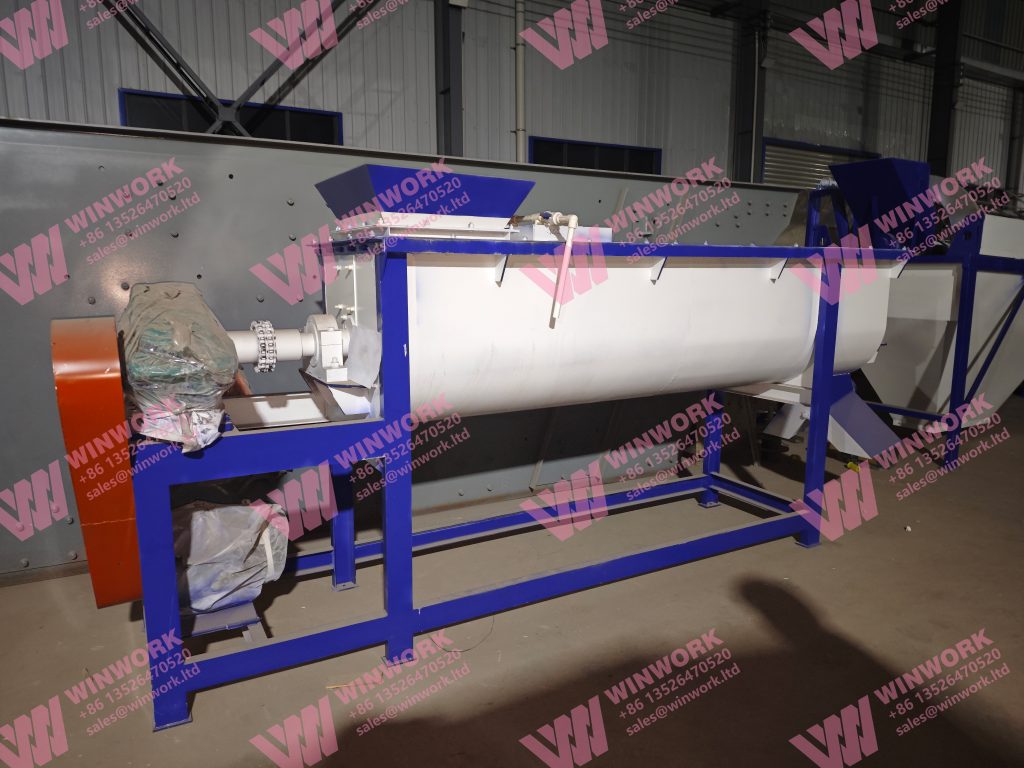
The Granulator: To make pellets. A disc pan granulator or a rotary drum granulator is common. This step adds significant value to the Producing bio-fertilizer using sugar factory filter mud process.
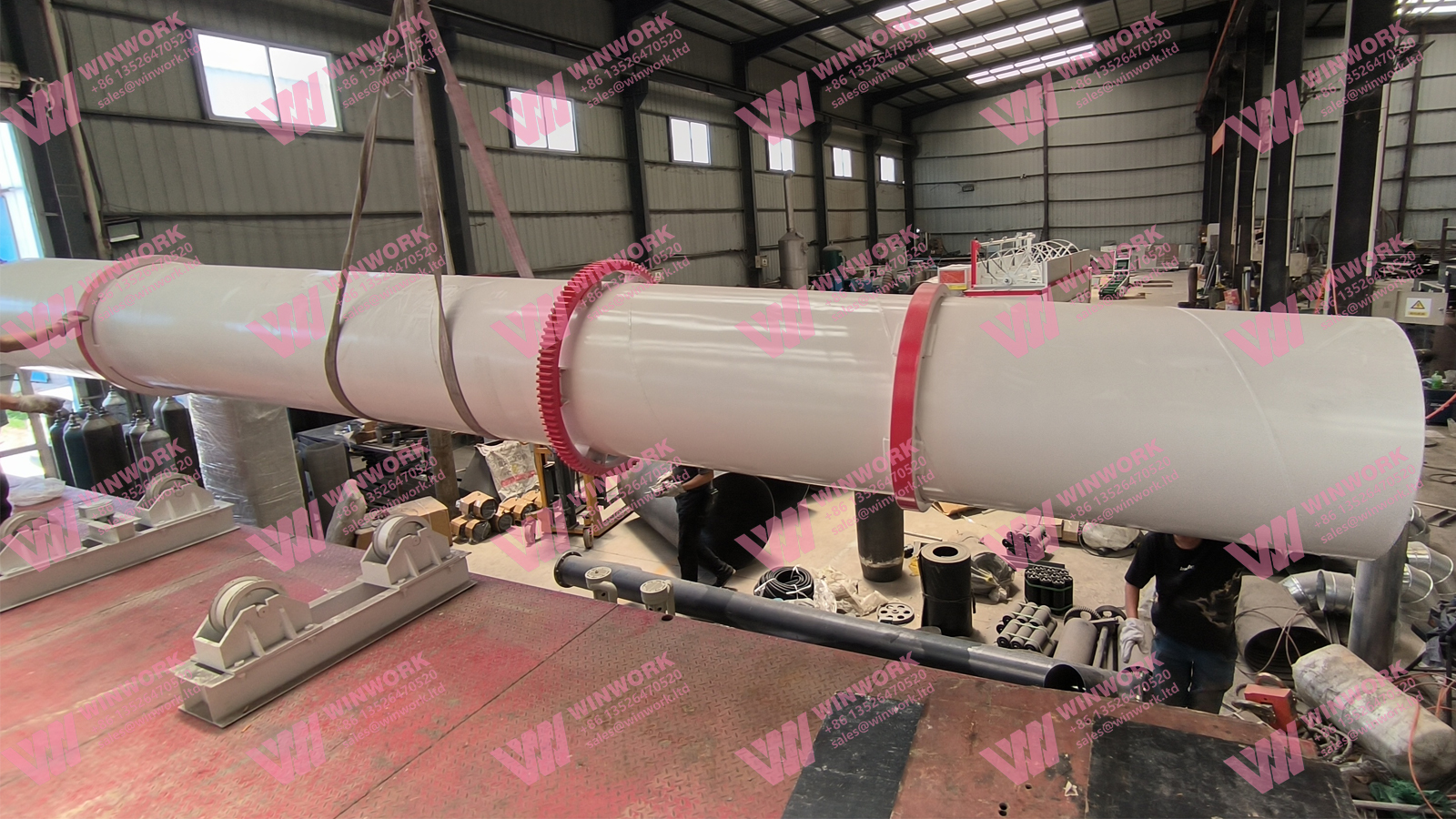
The Dryer and Cooler: Rotary drums that remove excess moisture from granules and cool them down for storage.
The Screener: A rotary drum screen to separate perfect granules from dust and oversized chunks (which go back for re-crushing).
The Automatic Packaging Machine: To weigh and seal the bags efficiently.
Each piece of equipment plays a vital role. Skimping on the turner leads to bad smells and slow composting. Skimping on the crusher leads to lumpy, unprofessional fertilizer. Producing bio-fertilizer using sugar factory filter mud is a mechanical symphony, and every instrument must be in tune.
FAQ: Your Questions About Producing Bio-Fertilizer Using Sugar Factory Filter Mud Answered
We know you’ve got questions. Here are the answers to what people ask us most about Producing bio-fertilizer using sugar factory filter mud.
Q: Does the filter mud smell bad during the process?
A: Only if you do it wrong! If you just pile up wet mud and leave it, yes, it will smell like rotten eggs (anaerobic digestion). But the Producing bio-fertilizer using sugar factory filter mud process we described is aerobic—it uses oxygen. When you turn the pile regularly and keep it aerated, it smells earthy and pleasant, like a compost pile. Proper aeration is the key to odor control.
Q: Can I just use the filter mud alone, or do I need to add other stuff?
A: You really need to add a bulking agent (carbon source) like sawdust, rice hulls, or bagasse. The filter mud is often too wet and too high in nitrogen on its own. The bulking agent absorbs water, adds structure for air, and balances the diet for the microbes. Producing bio-fertilizer using sugar factory filter mud almost always involves a mix of at least 30-40% bulking agent.
Q: How long does the whole process take?
A: From fresh mud to finished, cured compost, it usually takes about 4 to 8 weeks. The active high-heat fermentation is faster (2-3 weeks), but the curing and drying/pelletizing add more time. The speed of Producing bio-fertilizer using sugar factory filter mud depends heavily on how well you manage the moisture and aeration in the piles.
Q: Is the final product considered “Organic” fertilizer?
A: In many regions, yes. Since the primary input is a natural agricultural byproduct (filter mud) and you are using biological fermentation (not synthetic chemicals) to process it, the result is often certifiable as organic fertilizer. However, you must check your local agricultural regulations. The goal of Producing bio-fertilizer using sugar factory filter mud is often to create a product that fits the “organic input” category.
Q: Is it expensive to set up a production line?
A: There is an upfront cost for the machinery and the covered area (to keep rain off the fermenting piles). However, you have to weigh this against the cost of notdoing it—which is paying to dispose of the mud, potentially facing environmental fines, and missing out on the revenue from selling the fertilizer. Many find that Producing bio-fertilizer using sugar factory filter mud pays for itself within 2 to 3 years through saved disposal costs and new product sales.
Conclusion: Don’t Let the Mud Drag You Down
The sugar industry is competitive, and every edge counts. Producing bio-fertilizer using sugar factory filter mud is more than just a waste management strategy; it is a value-added diversification that can stabilize your business.
By embracing this technology, you close the loop. The cane grows from the soil, makes sugar, and the leftover feeds the soil again. It’s the ultimate circular economy. Producing bio-fertilizer using sugar factory filter mud transforms a liability into an asset, a problem into a product, and a cost into a profit. It’s time to stop looking at that muddy pile as a headache and start seeing it as the foundation of your next successful product line. Make the shift today.
For more details, please feel free to contact us.
Email: sales@lanesvc.com
Contact number: +8613526470520
Whatsapp: +8613526470520
Get A Quote