


Every harvest season, the story is the same. Farmers rejoice in a bumper crop, but then they’re left staring at mountains of straw and stalks, wondering what to do with the stuff. Burn it? Bad for the air and illegal in most places. Leave it? It ties up the soil and can harbor pests. But what if that “waste” wasn’t waste at all? What if it was the key to your next big profit center? We are talking about Producing substrate soil utilizing straw residues.
This isn’t just some experimental hobby; it is a full-blown agricultural and industrial solution. Producing substrate soil utilizing straw residues means taking those tough, fibrous leftovers from your harvest—corn stalks, wheat straw, rice husks—and turning them into a premium, lightweight growing medium. Whether you call it substrate, soilless mix, or artificial soil, the result is a product that gardeners, nurseries, and greenhouse operators are desperately searching for. If you want to solve your waste problem and tap into the booming horticulture market, you need to understand how Producing substrate soil utilizing straw residues works.
First Off, What Exactly is “Substrate Soil”?
Before we get into the “how,” let’s clarify the “what.” You might be thinking, “I grow plants in dirt, why do I need substrate soil?”
Here’s the deal: Regular field soil is heavy, it compacts easily, and it often carries weeds, bugs, and diseases. Substrate soil (or growing media) is different. It is an engineered material designed specifically to help plant roots thrive in containers, pots, and greenhouses. A good substrate needs to do three things: hold water, let air in (aeration), and provide a stable anchor for roots.
Traditionally, the gold standard for substrate was “peat moss” (mined from bogs). But peat is getting expensive, and mining it is bad for the environment. This is why Producing substrate soil utilizing straw residues is such a hot topic right now. Straw is fibrous, which means it creates great air pockets, and when processed correctly, it holds moisture beautifully. It’s the perfect sustainable replacement for peat.
Why Bother? The Big Benefits of Producing Substrate Soil Utilizing Straw Residues
You might ask, “Why go through the trouble of processing straw when I can just plow it under?” Here is the straight talk on why Producing substrate soil utilizing straw residues is a game-changer:
You Solve the Straw Disposal Headache
Plowing straw under is okay, but it takes a long time to break down and can temporarily tie up nitrogen in the soil. Burning is out. Baling it for cheap animal bedding barely covers the cost of gas. By Producing substrate soil utilizing straw residues, you turn a zero-value (or negative-value) byproduct into a sellable commodity. You stop paying to get rid of it and start getting paid for it.
It’s a Premium Product with High Demand
Bagged potting mix and seedling substrate are not cheap. Nurseries, cannabis growers, home gardeners, and vegetable transplant operations buy this stuff by the truckload. Because you are making it from a low-cost local resource, your profit margins on Producing substrate soil utilizing straw residues can be incredibly healthy.
Superior Physical Properties
Straw is naturally fibrous. When you chop it into small residues (residues or chaff), those little pieces create a matrix that is light and airy. Plants love it. Roots can penetrate easily, and oxygen gets right to the root zone. Producing substrate soil utilizing straw residues gives you a product that often outperforms heavy, dirt-based mixes in containers.
It’s Environmentally Bulletproof
You are recycling agricultural waste, reducing the need for peat mining, and cutting down on potential field burning smoke. Producing substrate, soil utilizing straw residues is the definition of a “green” business. It’s a story you can sell, and customers love buying from sustainable sources.
How Does It Work? The Nuts and Bolts of the Process
Alright, let’s get practical. How do you actually turn a dry, tough corn stalk into a soft, dark, moisture-holding substrate? The process of Producing substrate soil utilizing straw residues follows a path of size reduction, biological conversion, and refinement.
Step 1: Size Reduction (The Chopping)
Whole straw bales are too big and tough. The first step in Producing substrate soil utilizing straw residues is running the dry straw through a heavy-duty crusher or hammer mill. You want to turn the long stalks into small pieces, usually between 2mm and 10mm. These “residues” or “chips” have more surface area for the next step.
Step 2: Conditioning and Balancing
Raw straw is mostly carbon and is very dry. Microbes need nitrogen and water to eat the carbon. So, you mix the straw residues with a nitrogen source. This is often animal manure (cow, chicken) or a simple chemical like urea. You also add water to get the moisture content up to about 60-65%. This mixing step is critical for Producing substrate soil utilizing straw residues that ferments correctly.
Step 3: Inoculation and Fermentation (The Breakdown)
This is where the magic happens. You add a starter culture of composting microbes (bacteria and fungi). Then, you pile the wet, mixed material into windrows (long rows) or put it into fermentation troughs. The microbes get to work eating the carbon in the straw.
The pile heats up—often to 60-70°C (140-160°F). This high heat kills any weed seeds and pathogens that might have been in the straw or manure. For Producing substrate soil utilizing straw residues, you must turn the pile regularly (every 2-4 days) to keep oxygen flowing. This is aerobic fermentation. After 3-5 weeks, the straw loses its structure, turns dark brown, and starts to smell earthy.
Step 4: Curing and Stabilization
After the high-heat phase, the material enters a curing phase. The temperature drops, and the material stabilizes. It becomes “humus.” At this point in Producing substrate soil utilizing straw residues, the product is safe, stable, and won’t rob nitrogen from plants.
Step 5: Refinement and Blending
Pure fermented straw can be a bit too dense on its own. To make a top-tier substrate, you usually blend it with other materials. You might run the cured compost through a screener to get a uniform size, and then mix it with perlite (for extra air), vermiculite (for water holding), or a bit of sand. This blending step in Producing substrate soil utilizing straw residues allows you to create custom mixes for specific crops (e.e., a “seedling mix” vs. a “potting mix”).
Step 6: Drying and Packaging
Finally, the substrate is often partially dried to a stable moisture content (around 30-40%) so it doesn’t mold in the bag. Then it is weighed and packed into bags or compressed blocks. Producing substrate soil utilizing straw residues ends with a clean, professional product ready for the garden center shelf.
The Gear You Need: What Equipment is Essential?
You can’t do this efficiently with a lawnmower and a shovel. Producing substrate soil utilizing straw residues requires some key machinery to handle the volume and ensure a consistent, high-quality product.
The Straw Crusher / Hammer Mill: This is where it starts. It needs to be able to handle dry, fibrous material and turn it into the right size of residue without making it too dusty. This machine is vital for Producing substrate soil utilizing straw residues.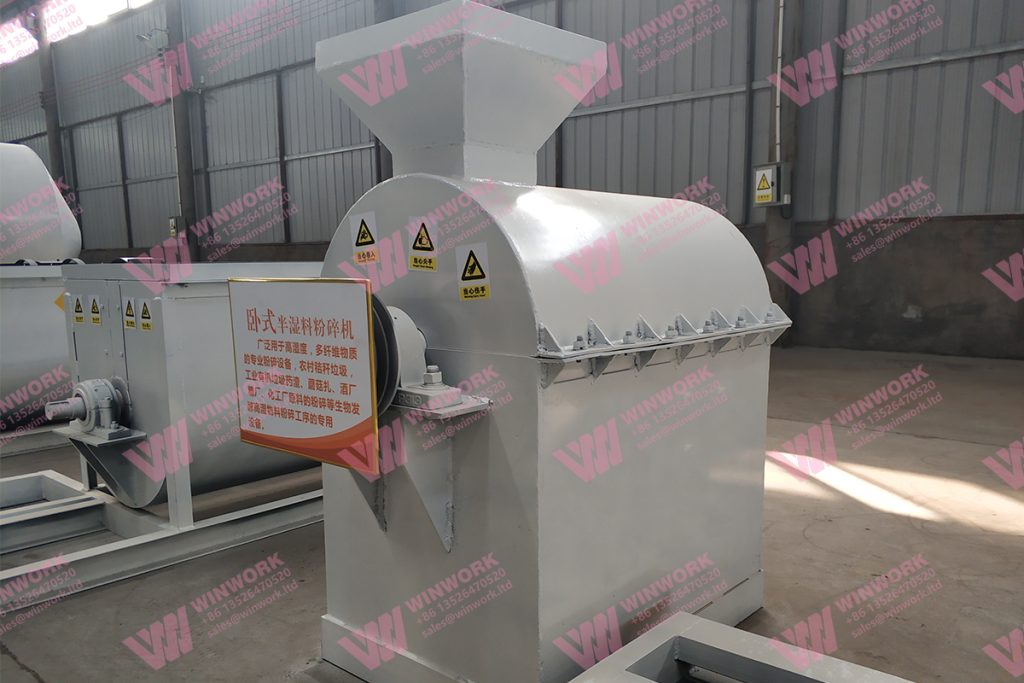
The Mixer (Horizontal Ribbon or Paddle Mixer): You need to blend the straw residues with the manure/urea and water evenly. An uneven mix leads to dead spots in the compost pile. This machine ensures consistency.
The Compost Turner (Windrow or Trough Type): This is the workhorse. It lifts, mixes, and aerates the pile. Without regular turning, the fermentation stalls and smells bad. This machine is the heart of Producing substrate soil utilizing straw residues on any commercial scale.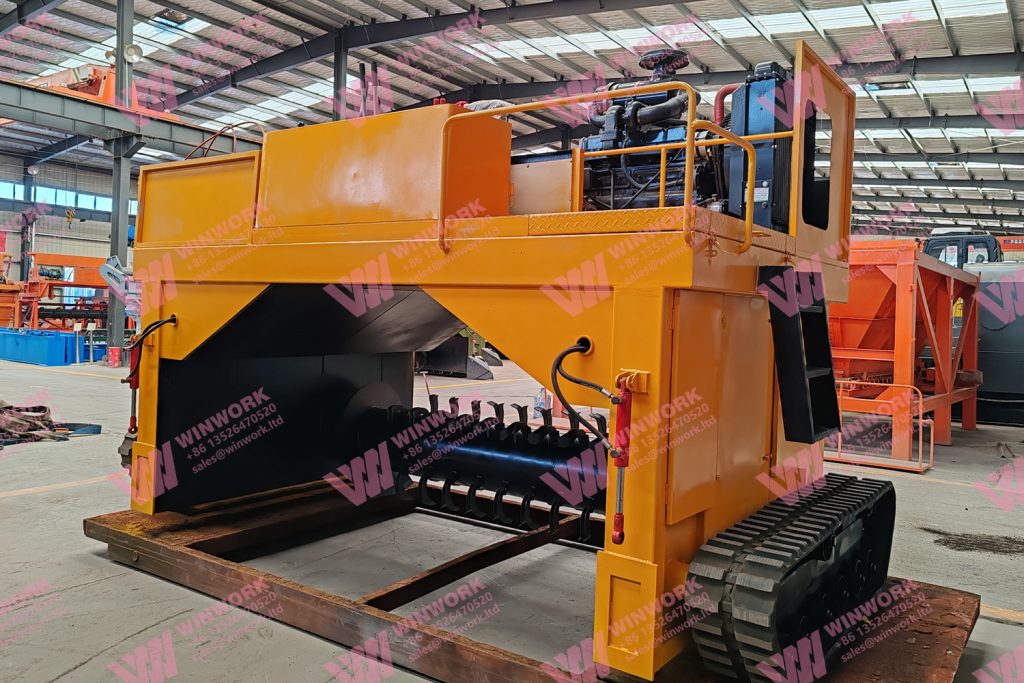
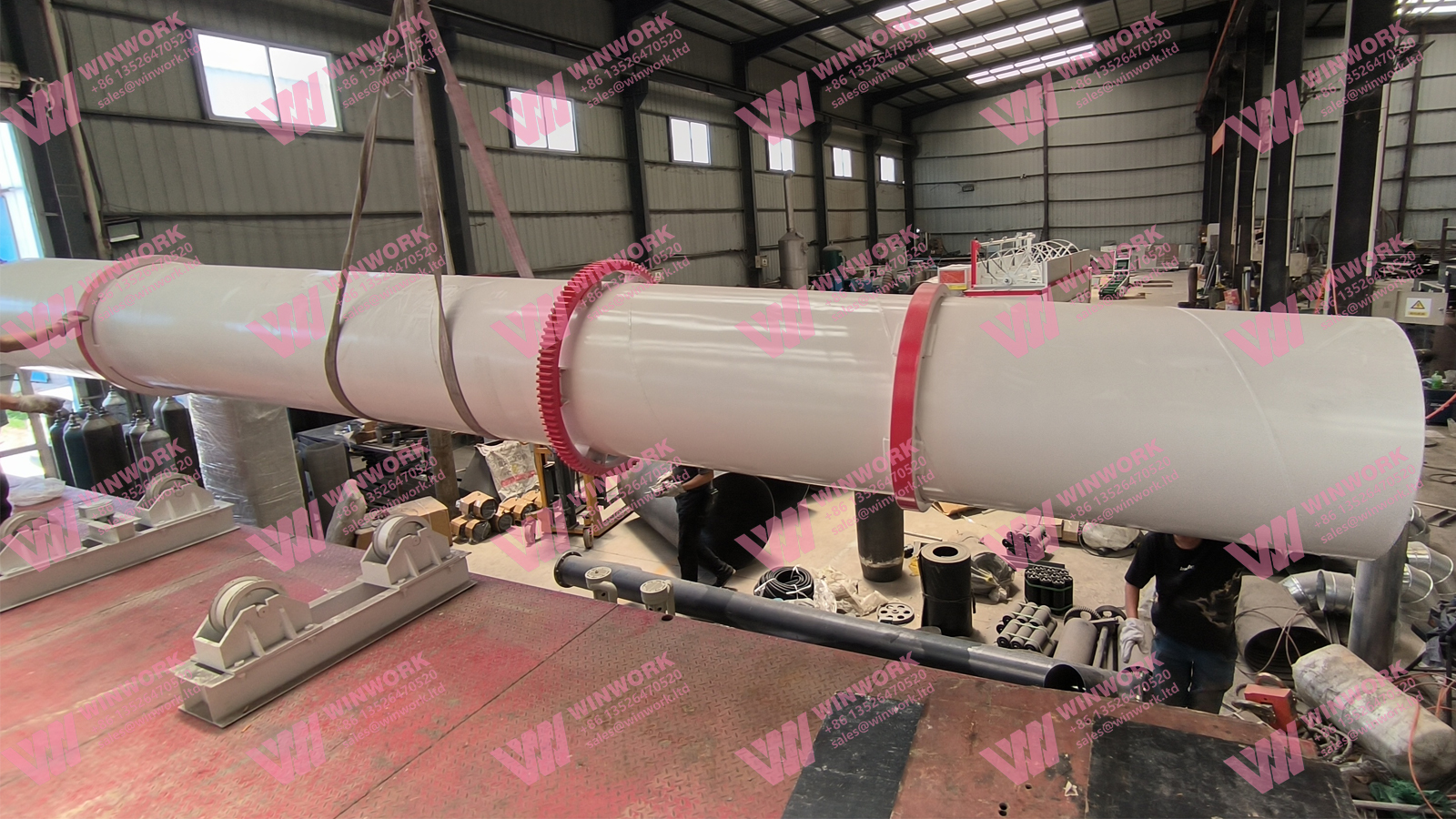
The Screener (Rotary Drum or Vibrating Screen): To remove any oversized chunks or uncomposted bits, ensuring a smooth texture.
Rotary Screener is a kind of efficient and durable screening equipment, which is widely used in mining, chemical industry, coal, building materials, metallurgy and other industries for grading and screening of materials.
Rotary Screener separates the materials effectively through the rotating movement of the drum, with high screening precision and large handling capacity, and has the advantages of simple structure, convenient operation and low maintenance cost.
Rotary Screener is especially suitable for screening wet viscous materials or a variety of particle size mixture of materials, can be in a variety of complex conditions of stable operation.
The Blender / Re-mixer: For mixing the finished compost with perlite, vermiculite, or peat to create the final substrate recipe.
Horizontal mixer is a kind of high-efficiency mixing equipment widely used in chemical, pharmaceutical, food, building materials and other industries.
It is mainly used for mixing many kinds of materials evenly, especially suitable for mixing powdery and granular materials, and also suitable for adding liquid to the mixing process. Horizontal mixer has a compact structure, easy operation, high mixing efficiency, and can realize high quality uniform mixing in a short time, which is an indispensable equipment in fertilizer production line.
The Bagging Machine: An automatic weighing and filling machine to get the product into bags efficiently.
Each piece of equipment plays a vital role. Skimping on the crusher means the straw won’t break down well. Skimping on the turner means a smelly, slow process. Producing substrate soil utilizing straw residues is a mechanical system, and every part needs to do its job.
FAQ: Your Questions About Producing Substrate Soil Utilizing Straw Residues Answered
We know you’ve got questions. Here are the answers to what people ask us most about Producing substrate soil utilizing straw residues.
Q: Does the substrate smell like rotten straw or manure?
A: Not if you do it right. If you just pile up wet straw and manure and leave it, yes, it will smell like ammonia or rotten eggs. But the Producing substrate soil utilizing straw residues process we described is aerobic—it uses oxygen. When you turn the pile regularly and keep it aerated, the microbes break it down completely. The finished product has a pleasant, earthy, forest-floor smell.
Q: Can I use any kind of straw?
A: Pretty much! Corn stalks, wheat straw, rice hulls, soybean stubble—they all work. The principles of Producing substrate soil utilizing straw residues apply to almost any cellulosic agricultural waste. The only thing to watch for is herbicide residue; if the straw is from a field treated with persistent herbicides, it could harm sensitive plants.
Q: How long does the whole process take?
A: From baled straw to finished, cured substrate ready for blending, it usually takes about 6 to 10 weeks. The active high-heat fermentation is faster (3-5 weeks), but the curing and drying/additive steps add more time. The speed of Producing substrate soil utilizing straw residues depends heavily on how well you manage the moisture, aeration, and carbon-nitrogen balance.
Q: Is the final product considered “Organic” potting soil?
A: In many regions, yes. Since the primary input is natural agricultural residue (straw) and you are using biological fermentation (not synthetic chemicals) to process it, the result is often certifiable as organic. However, if you blend it with perlite (which is natural) and maybe some worm castings, it fits the organic label perfectly. The goal of Producing substrate soil utilizing straw residues is often to create a product that meets organic standards.
Q: Is it expensive to set up a production line?
A: There is an upfront cost for the machinery and a covered area for fermentation (to keep rain off). However, your raw material (straw) is often very cheap or even free (if you charge a small fee to pick it up from neighbors). You have to weigh the setup cost against the value of the substrate you sell. Many find that Producing substrate soil utilizing straw residues pays for itself within 2 to 3 years through the sale of the substrate and the elimination of straw disposal costs.
Conclusion: Don’t Let the Straw Go Up in Smoke
The agricultural world is changing. Waste is no longer acceptable, and resources need to be circular. Producing substrate soil utilizing straw residues is more than just a waste management strategy; it is a value-added diversification that can stabilize your farm’s income.
By embracing this technology, you close the loop. The crop grows from the soil, gives you grain and straw, and the straw feeds the next generation of plants in a pot or a greenhouse. It’s the ultimate recycling story. Producing substrate soil utilizing straw residues transforms a liability into an asset, a problem into a product, and a cost into a profit. It’s time to look at that bale of straw not as something to burn, but as the start of your next great batch of “black gold” growing mix. Make the shift today.
For more details, please feel free to contact us.
Email: sales@lanesvc.com
Contact number: +8613526470520
Whatsapp: +8613526470520
Get A Quote