

For many American homeowners, a productive backyard garden starts with healthy soil. Whether you grow tomatoes in raised beds, plant flowers along a walkway, or maintain a small vegetable garden, the quality of your soil affects how well your plants establish roots and access water and nutrients. One practical way to improve garden soil is to recycle suitable kitchen scraps and yard waste into compost.
The term black gold organic garden compost describes nutrient-rich, dark-colored compost that gardeners value for improving soil structure and adding organic matter. Rather than sending every fall leaf, grass clipping, and vegetable peel to the landfill, you can turn many of these materials into a useful soil amendment. With the right ingredients and regular maintenance, a backyard compost pile can become a valuable resource for your garden.
What Is black gold organic garden compost?
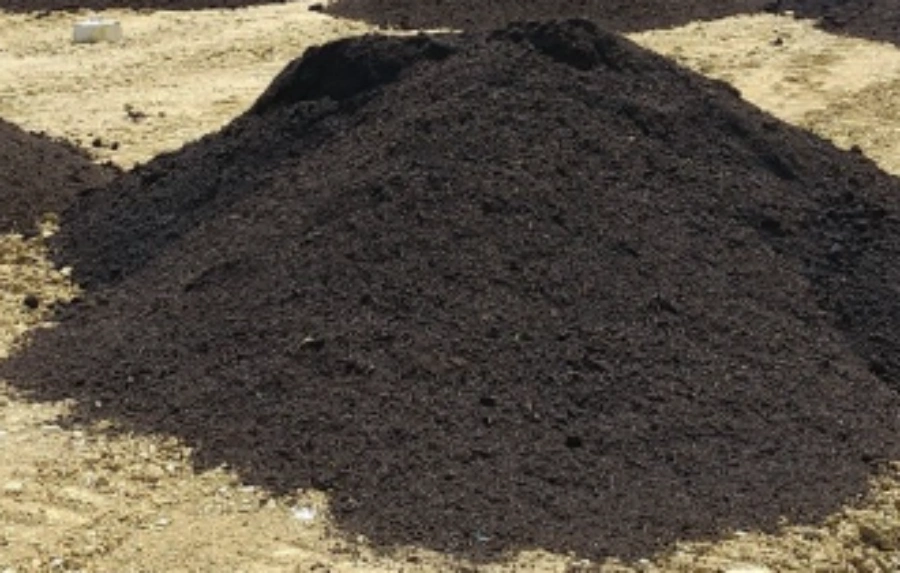
Black gold organic garden compost is a descriptive term for mature organic compost that looks dark, feels crumbly, and smells earthy. It is produced when microorganisms break down organic materials under suitable conditions.
The finished product can improve soil structure, support moisture retention, and contribute organic matter to garden beds. For homeowners looking for a natural soil amendment, black gold organic garden compost offers a practical way to recycle everyday organic waste while improving the growing environment.
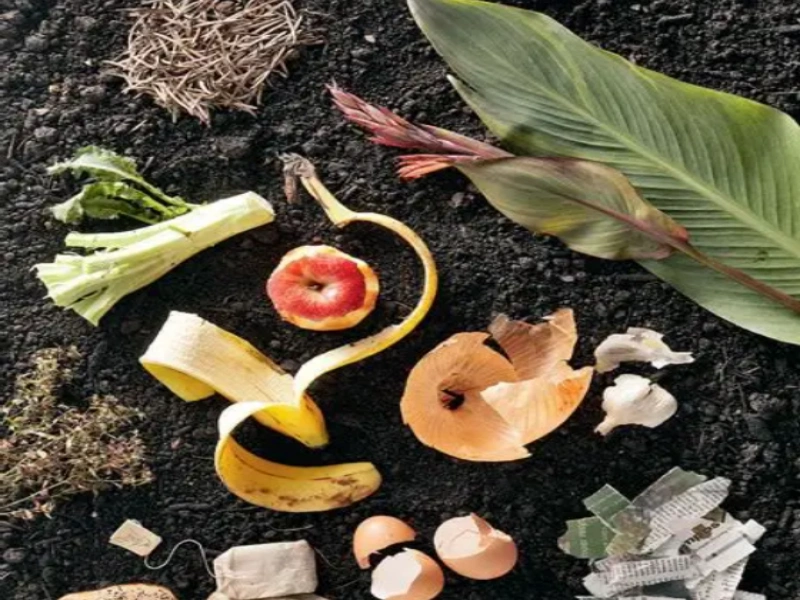
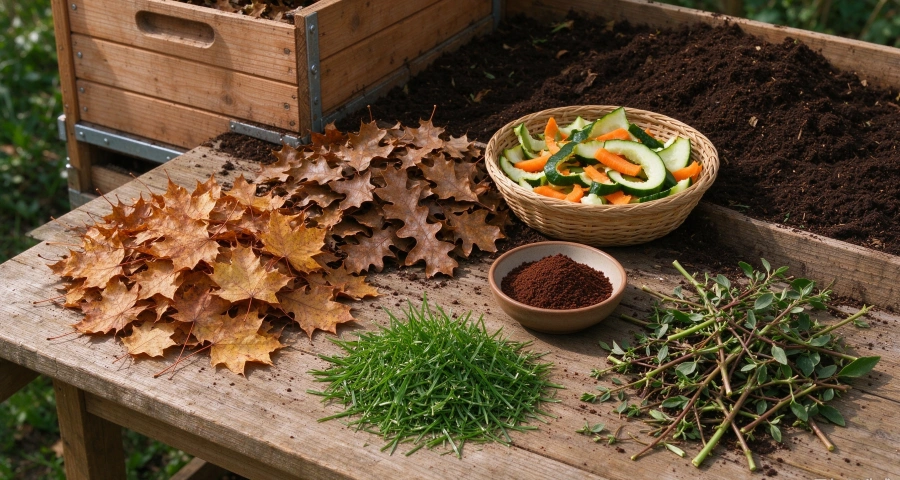
For American gardeners, common compost ingredients include fallen maple and oak leaves, grass clippings, coffee grounds, vegetable peels, and small amounts of untreated plant trimmings. These materials are widely available in suburban yards and kitchens, making backyard composting a practical way to recycle organic waste.
However, dark color alone does not prove that compost is mature. Finished compost should generally have a soil-like smell and a relatively uniform texture, with few recognizable food scraps. It should also have cooled after active decomposition. Immature material may continue heating or decomposing after application, potentially affecting sensitive plants.
Before using black gold organic garden compost around vegetables or ornamental plants, allow the material to mature fully and check that it has a stable, earthy smell.
How to Make black gold organic garden compost in Your Backyard
Making black gold organic garden compost does not require expensive equipment. A suitable bin, a garden fork, a water source, and a little patience are enough to get started. For a typical backyard setup, follow these steps.
1. Choose the Right Composting Materials
Successful composting requires a combination of brown materials, green materials, water, and oxygen.
Brown materials provide carbon. Examples include dry fall leaves, shredded uncoated cardboard, small twigs, untreated wood chips, and plain shredded paper. Green materials provide nitrogen and include fresh grass clippings, fruit and vegetable scraps, coffee grounds, and fresh green plant trimmings.
As a practical starting point, the U.S. Environmental Protection Agency recommends adding approximately two to three parts brown materials for every one part green material by volume. This is a useful guideline rather than a rigid formula because different materials contain different amounts of moisture and carbon.
For example, combine three buckets of dry leaves with one bucket of fresh vegetable scraps. Chop thick stems and larger scraps into smaller pieces to help microorganisms break them down more quickly.
Avoid adding meat, fish, dairy products, grease, pet waste, or cat litter to a typical backyard compost pile. These materials can attract animals or introduce unwanted contaminants. Diseased plants and weeds with mature seeds should also be excluded unless you use a controlled process appropriate for those materials.
Choosing suitable ingredients is the first step toward producing black gold organic garden compost with a balanced texture and fewer unwanted odors.
2. Maintain the Right Temperature and Moisture
Temperature is one of the most useful indicators of activity inside a compost pile. A well-maintained backyard pile may reach approximately 130–160°F (54–71°C) during active decomposition. However, small piles and cold-weather piles may not reach this range.
For faster decomposition, build a reasonably substantial pile. A common starting size is around 3 × 3 × 3 feet (0.9 × 0.9 × 0.9 meters). A pile of this size is more capable of retaining heat than a thin layer of scattered garden waste.
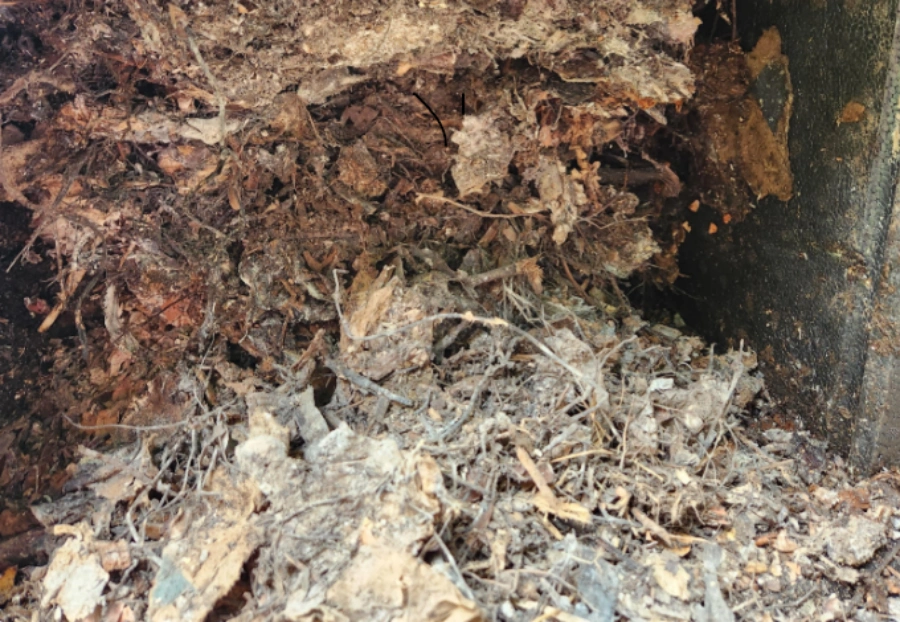
Use a compost thermometer to check the temperature near the center. During active decomposition, temperatures may rise over several days and then fall as readily decomposable materials are consumed. If the pile cools while recognizable materials remain, turning it and checking its moisture and ingredient balance may help restart activity.
Moisture is equally important. The compost should feel similar to a wrung-out sponge: damp but not dripping wet. If it is dusty and dry, add water gradually while mixing. If it smells rotten or becomes soggy, add dry leaves or shredded cardboard and improve airflow.
Turning the pile introduces oxygen and distributes moisture and materials. A backyard pile can be turned when its temperature drops or when the materials become compacted. There is no single turning schedule for every pile; monitor its condition and adjust as needed.
Consistent moisture, adequate airflow, and suitable pile temperatures help create the conditions needed for black gold organic garden compost to develop properly.
3. Allow Enough Time for Decomposition and Curing
How long does it take to make black gold organic garden compost? For a well-managed backyard pile, a reasonable estimate is approximately three to five months. A pile that receives little attention may take a year or longer, particularly in cool weather or when its ingredients are coarse.
During the active stage, microorganisms break down the original materials and generate heat. After this activity slows, the pile should be allowed to cool and mature further. The EPA recommends allowing at least four additional weeks of curing once the pile has stopped reheating after mixing and the original food scraps are no longer visible.
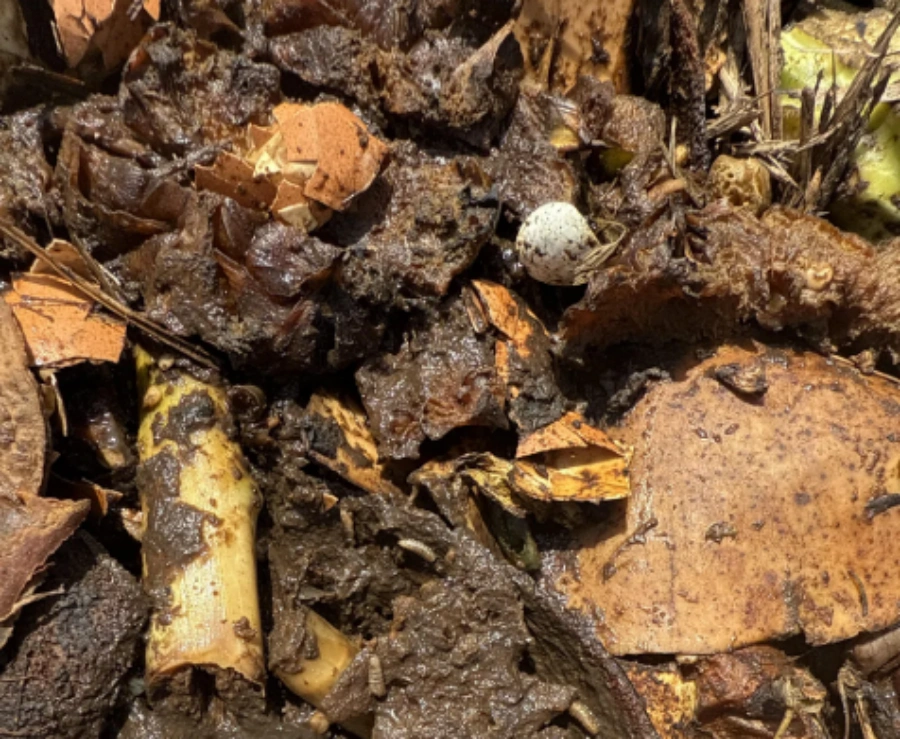
Look for several signs of readiness: the compost is dark, loose, and crumbly; it smells like fresh soil rather than sour food; and most original ingredients are no longer recognizable. Large twigs or other undecomposed pieces can be screened out and returned to a new pile.
Remember that temperature alone cannot confirm that every part of a home compost pile has been sanitized. If your goal includes reliable destruction of pathogens or weed seeds, use a properly managed process and ensure that all materials receive the required treatment.
How to Use black gold organic garden compost in an American Garden
Once the compost is mature, you can use black gold organic garden compost in several common backyard settings. The best application method depends on the plant, existing soil, and purpose of the compost.
Vegetable Gardens and Raised Beds
For established vegetable beds, spread approximately 1–2 inches (2.5–5 cm) of finished compost over the soil and mix it into the upper 6–8 inches (15–20 cm) before planting, where appropriate. This is a general starting point, not a universal requirement; poor soils may benefit from a different approach, while already fertile beds may need less.
When preparing a raised bed, black gold organic garden compost should be mixed with suitable topsoil and other growing materials rather than used as the only growing medium.
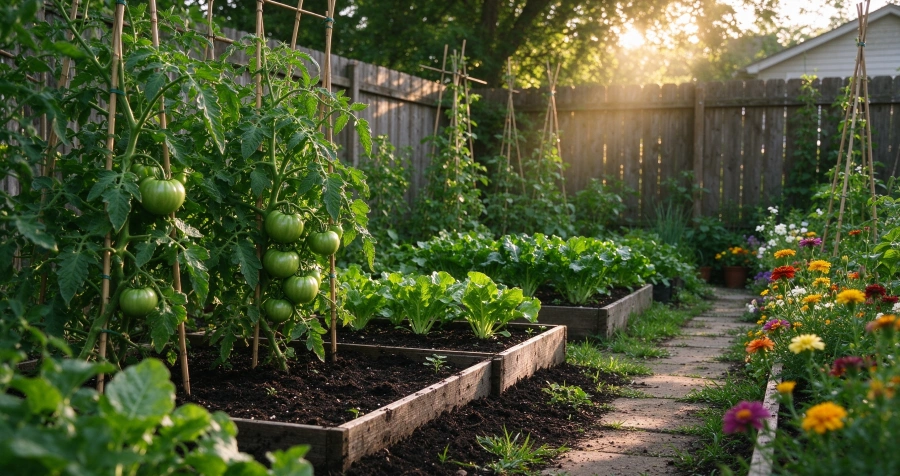
Compost can be useful for tomatoes, peppers, lettuce, beans, and other garden vegetables because it adds organic matter and helps improve soil structure. In raised beds, mix compost with suitable topsoil and other ingredients rather than filling the entire bed with pure compost.
Flower Beds, Lawns, and Landscape Plants
For flower beds and ornamental borders, apply a thin layer of mature compost around plants or incorporate it into the soil when preparing a new bed. Keep compost away from direct contact with stems and trunks.
Lawns may benefit from a light topdressing of finely screened compost, provided the layer is thin enough for grass blades to remain exposed. For trees and shrubs, compost can be spread over the root zone and lightly covered with mulch. Avoid piling material against the trunk.
Although black gold organic garden compost can contribute nutrients, it should not automatically replace every fertilizer. Its nutrient content varies with the original ingredients and the degree of decomposition. A soil test can help determine whether your garden needs additional nitrogen, phosphorus, potassium, or other nutrients.
Using black gold organic garden compost alongside soil testing and appropriate nutrient management can help gardeners make better decisions about long-term soil improvement.
Common Backyard Composting Problems and Solutions
Even a carefully planned pile can develop problems. Fortunately, most are manageable.
A rotten smell: Excess moisture or insufficient oxygen is a common cause. Add dry brown materials, break up compacted sections, and turn the pile.
The pile does not heat up: The pile may be too small, too dry, low in nitrogen, or inactive because of cold weather. Add suitable green materials if needed, moisten the mixture, and improve its size and structure.
The compost attracts animals: Bury fruit and vegetable scraps beneath several inches of brown material, use a secure bin, and avoid meat, dairy, and greasy food.
The finished material still contains large pieces: Screen out the pieces and return them to the active pile. Allow the remaining material more time to mature before using it around sensitive plants.
These simple adjustments can help produce more consistent black gold organic garden compost without requiring a complicated system.
From Backyard Composting to Large-Scale Organic Fertilizer Production
Home composting and commercial organic fertilizer production share the same basic principle: microorganisms transform organic materials into a more stable product. However, the scale, equipment, process control, and intended end product are different.
Although household composting and commercial processing operate at different scales, both depend on suitable raw materials and well-managed decomposition to produce useful organic amendments, including black gold organic garden compost for garden soil improvement.
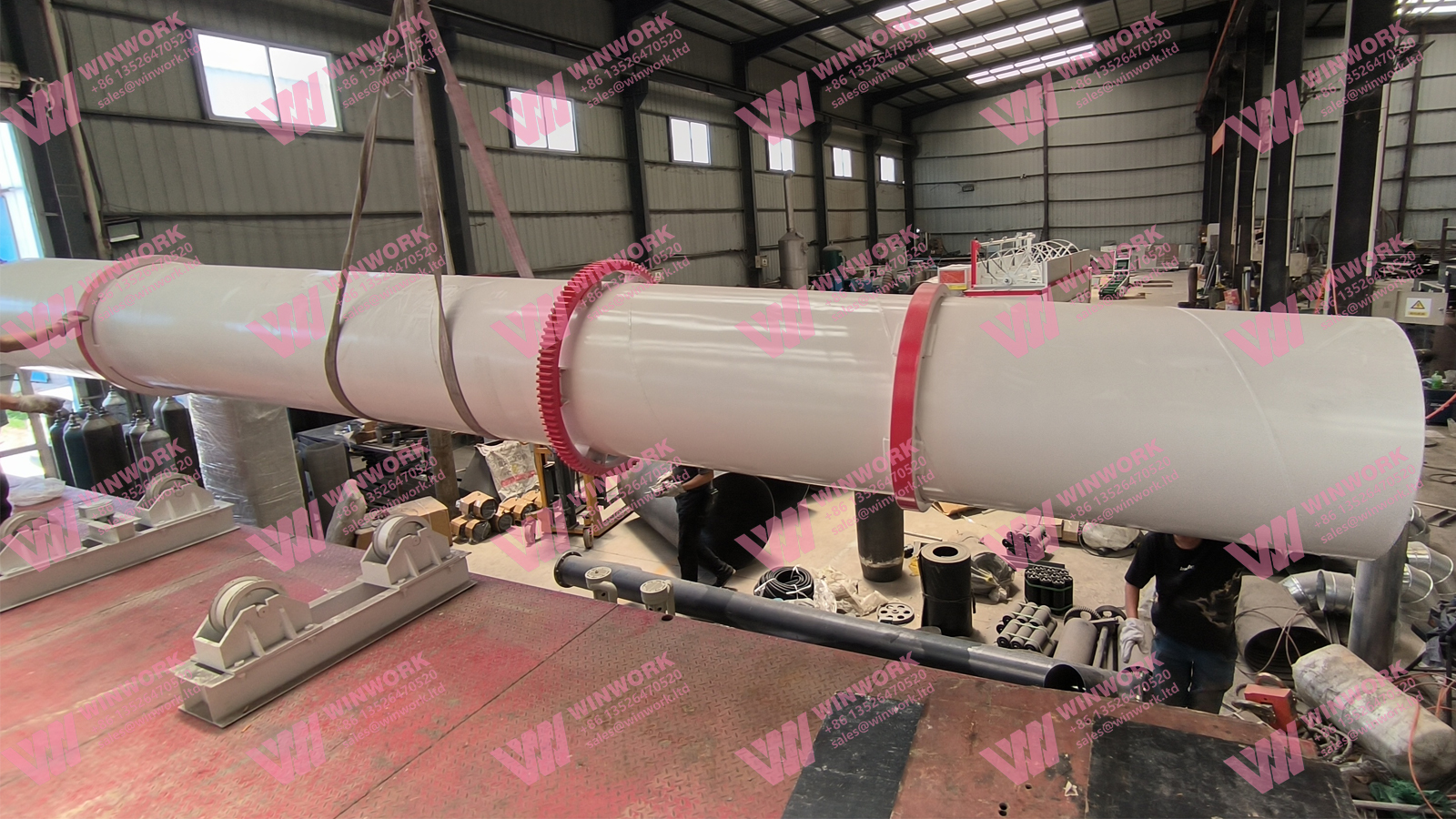
A homeowner may turn a small pile with a garden fork. A commercial operation handling large volumes of organic waste may use a compost turner to mix materials, improve aeration, and support more uniform decomposition. Depending on the production process, screening and additional processing may also be required before the finished material is packaged or used.
For businesses planning to process larger volumes of organic materials, suitable equipment can help improve handling efficiency and process consistency.
These links should lead to relevant product pages on your website. Keep the equipment discussion concise so that the article remains useful to American home gardeners rather than becoming a direct sales page.
Frequently Asked Questions
How long does backyard compost take to become usable?
A well-maintained pile may produce usable compost in about three to five months. Untended piles can take a year or longer. Weather, pile size, moisture, and material size all influence the timeline.
Can black gold compost replace fertilizer?
Not always. Compost improves soil and supplies some nutrients, but its nutrient content varies. Use a soil test to decide whether supplemental fertilizer is necessary.
Can you compost grass clippings and fall leaves together?
Yes. Grass clippings are green materials, while dry fall leaves are brown materials. Mixing them helps balance nitrogen and carbon. Add grass in moderate amounts to prevent dense, wet clumps.
How do you know when compost is fully mature?
Mature compost is generally dark, crumbly, and earthy-smelling. It has cooled, and most original ingredients are no longer recognizable. When in doubt, allow more curing time.
Conclusion
Healthy garden soil does not always require expensive amendments. By combining dry leaves, grass clippings, suitable kitchen scraps, water, and oxygen, American homeowners can recycle everyday organic waste into a useful soil amendment.
The key is to balance the ingredients, monitor moisture and temperature, allow enough time for decomposition, and use only mature material around plants. With consistent care, black gold organic garden compost can help improve soil structure, support moisture retention, and make backyard gardening more resource-efficient.
For home gardeners and larger organic waste processors alike, successful composting begins with understanding the materials and creating the right conditions for decomposition.
Get A Quote