


A Chicken Farm Owner Found a New Use for Chicken Manure
A chicken farm can produce a large amount of manure every day. For a poultry farmer, collecting and handling this material can become a continuous challenge. Fresh chicken manure contains considerable moisture, has a strong odor, and is difficult to store and transport for long periods.
But what if chicken manure could become a useful fertilizer instead of simply being treated as waste?
This was the situation faced by a poultry farm owner who discovered that nearby farmers were looking for organic fertilizer. Instead of paying only to remove the chicken manure, he decided to explore whether the manure could be composted and reused.
He prepared a composting groove and began looking for suitable equipment to turn the material during fermentation. A compost turner became an important part of the process.
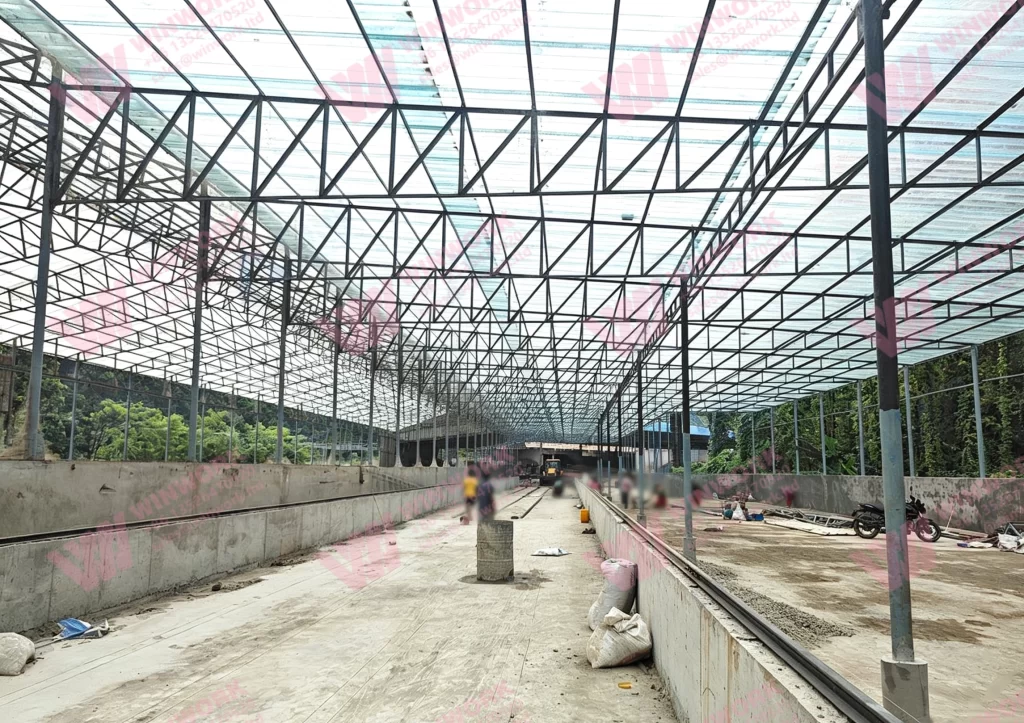
Compost Turner
In particular, a knife-type compost turner can travel along the composting groove and continuously turn, cut, lift, mix, and redistribute the chicken manure. With repeated turning and suitable composting conditions, the material can gradually become a more stable organic compost.
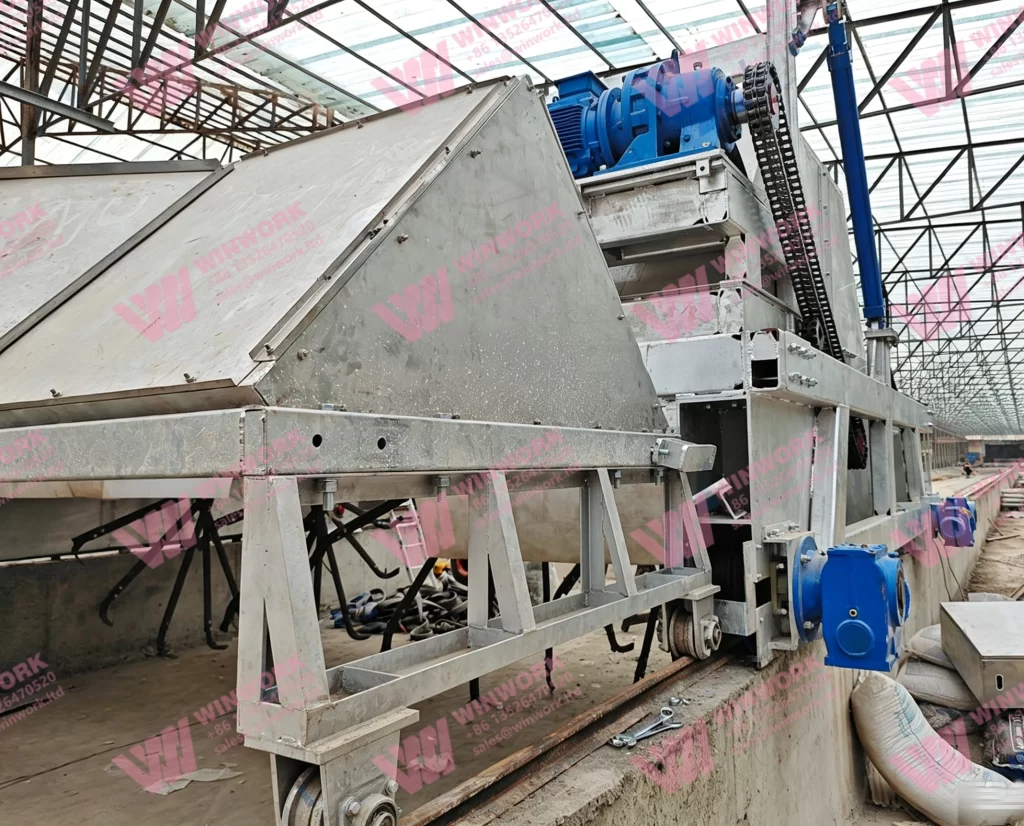
compost turner
For this poultry farmer, the idea was simple: collect the chicken manure, compost it properly, and turn a waste management problem into a useful agricultural resource.
This example also shows why choosing the right compost turner is important when handling large amounts of chicken manure.
Why Does Chicken Manure Need Composting?
Fresh chicken manure contains organic matter and plant nutrients, but fresh manure is not the same as finished organic fertilizer.
The material may have high moisture, strong odor, uneven texture, and an unstable biological condition. Simply collecting fresh chicken manure and putting it into bags does not provide the same result as properly composted organic fertilizer.
Composting gives microorganisms the opportunity to break down organic materials under suitable conditions.
During this process, several factors need to be managed:
- Moisture
- Temperature
- Oxygen availability
- Material structure
- Mixing and aeration
- Composting time
This is where efficient compost turning equipment becomes useful.
When organic material remains in a large pile or groove without sufficient turning, different parts of the material can develop different conditions. Some areas may become too wet, while other areas may be relatively dry. The center of a pile may also behave differently from the outer layers.
A compost turner helps redistribute the material so that different portions of the compost can be exposed to air and mixed together.
For chicken manure composting, regular turning is therefore an important part of maintaining a suitable composting environment.
What Is a Compost Turner?
A compost turner is mechanical equipment used to turn and mix organic materials during the composting or fermentation process.
Its basic functions include:
- Turning composting materials
- Mixing different layers of organic waste
- Improving aeration
- Redistributing moisture
- Helping distribute heat
- Improving the uniformity of the composting material
The basic principle is straightforward.
Instead of allowing a large quantity of chicken manure to remain in one position, the machine mechanically moves material from different parts of the pile or groove and mixes it together.
This repeated movement can help improve contact between the organic material and air.
For large-scale chicken manure composting, manual turning can become labor-intensive and inefficient. High-efficiency compost turning equipment provides a more practical way to handle larger quantities of organic material.
How Does a Knife-Type Compost Turner Work?
Among different composting methods, groove composting is commonly used when organic waste needs to be processed in a defined working area.
A knife-type compost turner is designed to work along the composting groove.
1. Chicken Manure Is Placed in the Composting Groove
The collected chicken manure is placed into a prepared composting groove.
The dimensions of the groove should be matched with the selected turning equipment, material volume, and processing requirements.
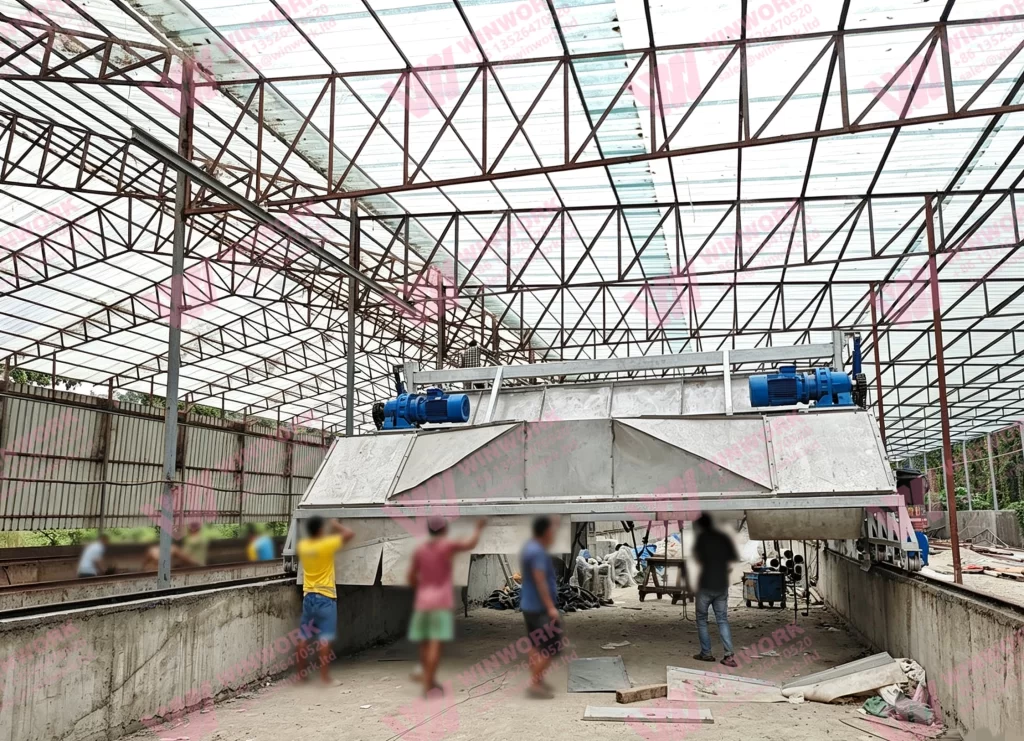
compost turner
The goal is to create a working environment where the machine can move steadily through the material.
Depending on the actual condition of the chicken manure, other organic materials may also be mixed with it to help adjust moisture and physical structure.
2. The Compost Turner Moves Along the Groove
Once the material is ready, the compost turner moves along the groove.
As the machine travels forward, its turning mechanism enters the composting material and begins moving the manure from the lower and inner sections toward the upper and outer sections.
At the same time, material from different areas is mixed together.
This means the turning machine is not simply moving the material from one place to another. It is continuously changing the structure and distribution of the composting pile.
3. The Knife-Type Mechanism Cuts, Lifts, and Mixes the Material
The knife-type turning mechanism is particularly important in a high-efficiency compost turner.
As the mechanism rotates through the chicken manure, it can cut through compacted material, lift it, break up larger sections, and mix different layers together.
The basic action can be understood as:
Cutting → Lifting → Mixing → Turning → Aeration
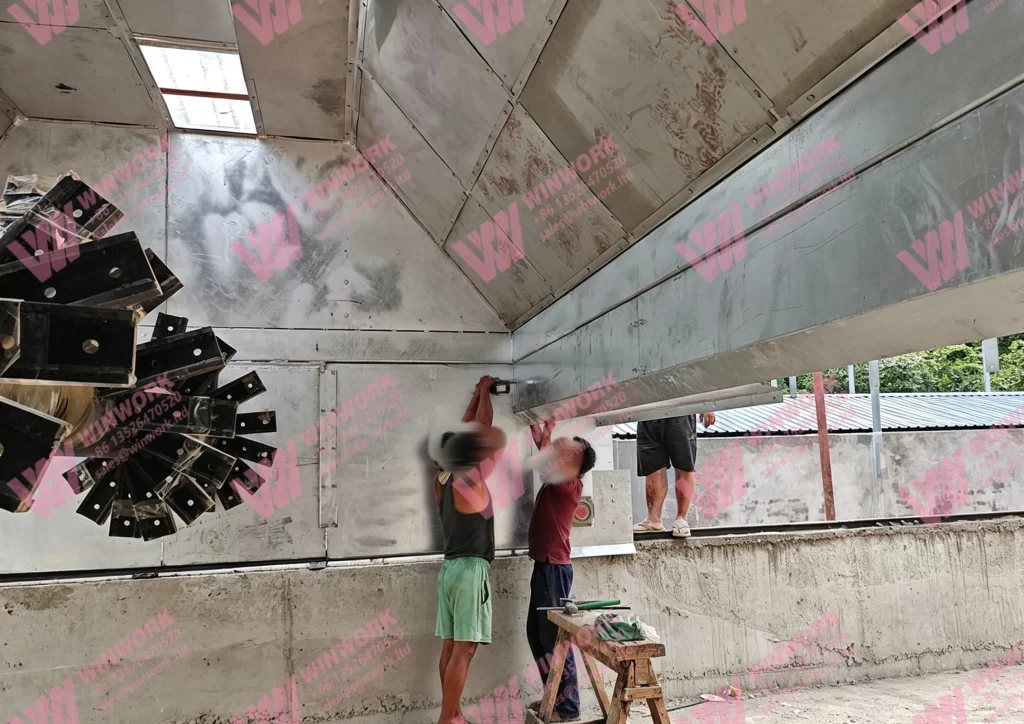
Compost Turner
This repeated mechanical action helps reduce uneven areas inside the composting material.
For chicken manure that has become compacted or unevenly distributed, the turning action can help create a more uniform material structure.
4.Bottom Aeration Pipes Improve Air Distribution
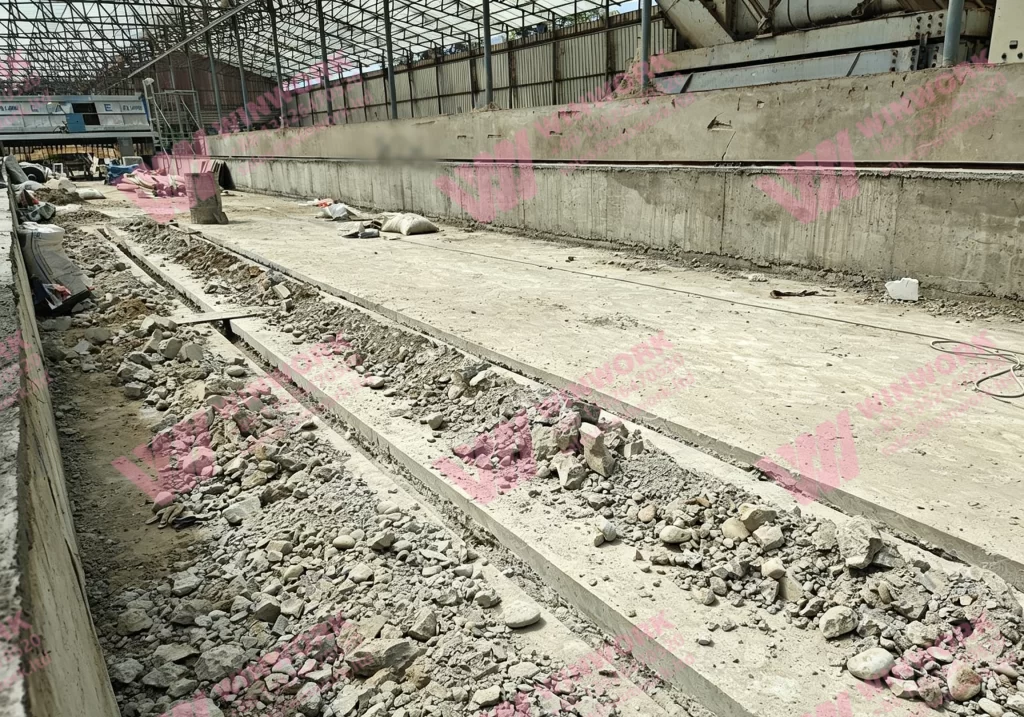
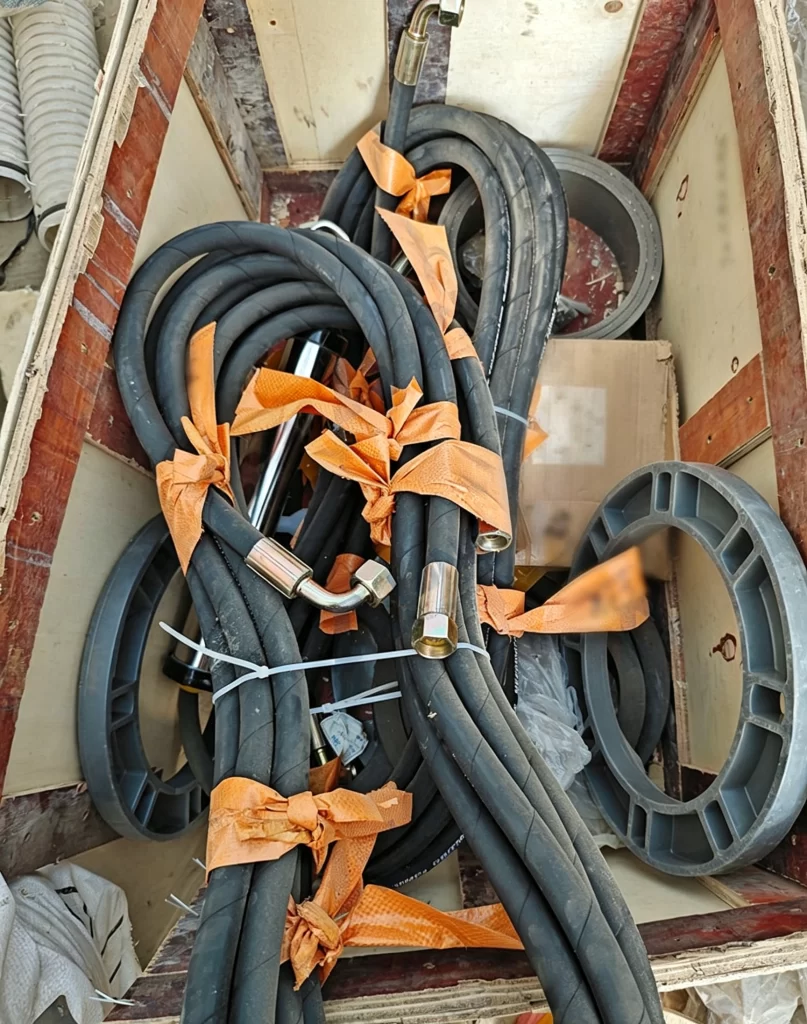
Aeration is an important part of aerobic composting, especially when a large amount of chicken manure is processed in a composting groove.
Instead of relying only on turning to introduce air, aeration pipes can be laid at the bottom of the composting groove. These pipes can deliver air from underneath the composting material, helping oxygen reach deeper areas of the compost pile.
This bottom-up airflow can improve air distribution inside the material and help reduce the formation of oxygen-deficient areas. It also creates a more suitable environment for aerobic microorganisms during fermentation.
The aeration system and the high-efficiency compost turner can therefore serve different but complementary functions. The pipes provide airflow from the bottom, while the turning equipment regularly mixes and redistributes the material, helping maintain a more uniform composting environment throughout the groove.
5. The Material Is Turned Repeatedly
Composting is a process rather than a single operation.
One pass of a compost turner does not mean that the chicken manure has immediately become finished compost.
During fermentation, the condition of the material changes over time. Temperature, moisture, structure, and biological activity can all change.
Therefore, the turning schedule should be adjusted according to the actual condition of the material.
A compost turner allows the operator to repeatedly mix and aerate the chicken manure during the composting period.
What Happens to Chicken Manure During Composting?
The most interesting part of the process is what happens to the material itself.
At the beginning, fresh chicken manure may be wet, sticky, strongly odorous, and difficult to handle.
After appropriate composting and repeated turning, the material can gradually change in physical structure and biological condition.
The compost turner contributes to this process by repeatedly redistributing the material and improving aeration.
During composting, you may observe changes such as:
- A gradual change in temperature
- Redistribution of moisture
- Reduced odor as the material stabilizes
- More uniform material structure
- A looser and easier-to-handle texture
- Progressive stabilization of organic matter
The final physical appearance depends on the original material, moisture content, composting conditions, and other factors.
In some cases, properly composted chicken manure can form loose or clumped material that is easier to collect, handle, and use as organic fertilizer.
However, it is important to distinguish composting from granulation.
A compost turner is primarily used for turning, mixing, and aerating organic materials during composting. It is not the same as a fertilizer granulator.
If the finished compost needs a specific commercial particle shape or size, additional processing may be required.
For projects focused mainly on composting chicken manure, however, the compost turner remains one of the key pieces of equipment in the fermentation stage.
Types of Compost Turners for Organic Waste
Not every organic waste project uses exactly the same composting arrangement.
Different types of compost turners can be selected according to the material, composting layout, processing capacity, and available space.
Knife-Type Compost Turner
The knife-type compost turner is particularly suitable for groove composting applications.
Its turning mechanism works directly inside the composting material and performs cutting, lifting, mixing, and turning actions.
This makes it a practical option for projects that need regular mechanical turning of large amounts of organic material.
A crawler-type compost turner uses a crawler-based traveling structure and can be used for large-scale composting applications.
The exact equipment configuration should be selected according to the material and site conditions.
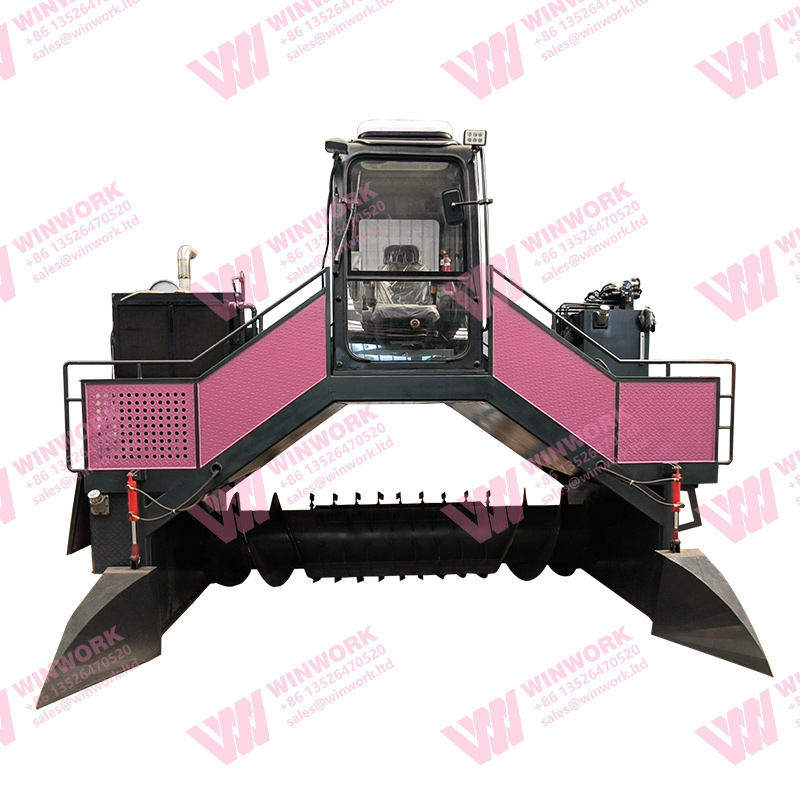
Crawler-compost-turner
Other Compost Turner Configurations
Other compost turner configurations may be used for different composting layouts and production requirements.
The most suitable choice depends on factors such as:
- Type of organic material
- Daily processing volume
- Composting method
- Groove dimensions
- Material moisture
- Available working area
The important point is that there is no single compost turner configuration that is automatically suitable for every project.
For a customized organic fertilizer project, the equipment should be matched to the raw material and processing requirements.
How to Choose the Right Compost Turner
Choosing a compost turner should begin with the material rather than the machine.
1. Consider the Raw Material
Chicken manure behaves differently from cow manure, pig manure, sludge, straw, and other organic materials.
Before selecting a compost turner, the material’s moisture, texture, density, and composition should be considered.
2. Consider Processing Capacity
The amount of chicken manure generated each day directly affects the required equipment capacity.
A small poultry farm and a large commercial poultry operation may require completely different composting equipment.
3. Consider the Composting Layout
If the project uses a groove composting system, the groove width, depth, length, and working height should be considered when selecting the compost turner.
The machine needs enough space to operate effectively inside the working area.
4. Consider Moisture and Material Condition
Moisture has a significant influence on composting behavior.
If the material is too wet, too sticky, or too compacted, the turning process may become more difficult.
Therefore, the actual condition of the chicken manure should be evaluated before choosing a compost turner.
5. Consider the Final Use of the Compost
Finally, consider what you want to do with the finished material.
If the goal is to produce stable compost for agricultural use, the main focus may be efficient composting and turning.
If the finished compost will later enter a fertilizer processing system, the composting stage still needs to provide a consistent and stable raw material.
Frequently Asked Questions About Compost Turners
What is a compost turner used for?
A compost turner is used to turn, mix, and aerate organic materials during composting. It can help redistribute moisture and heat and improve the uniformity of the composting material.
Can a compost turner process chicken manure?
Yes. A compost turner can be used for chicken manure composting, especially when large quantities of manure need to be turned regularly in a controlled composting area.
Does a compost turner make chicken manure into fertilizer pellets?
Not directly. A compost turner is mainly used for composting and fermentation. It helps transform fresh organic waste into more stable compost material. Producing standardized fertilizer pellets is a separate processing step.
What information is needed to select a compost turner?
Important information includes the type of raw material, daily processing volume, moisture content, composting method, groove dimensions, available space, and the desired final compost condition.
Conclusion
For a poultry farmer, chicken manure can be either a disposal problem or a valuable organic resource.
The difference often begins with how the material is handled.
By placing chicken manure in a suitable composting groove and using a compost turner for regular turning, mixing, and aeration, the farmer can create more suitable conditions for the composting process.
A knife-type compost turner is especially useful when the project uses groove composting and needs continuous mechanical turning of organic materials.
The story of the chicken farm owner is therefore not simply a story about a machine. It is a story about changing the way agricultural waste is viewed.
Instead of asking, “How can I get rid of this chicken manure?” the farmer can ask, “How can I turn this organic waste into something useful?”
With the right composting method and a suitable compost turner, chicken manure can become a more stable organic fertilizer resource and a useful material for agricultural applications.
If you are planning a chicken manure composting project, the right compost turner should be selected according to your raw material, processing capacity, composting groove, moisture content, and site conditions.
Get A Quote