


When it comes to fertilizer manufacturing, the chemical composition is only part of the final product. The physical quality of the granules also matters.
A well-formulated organic mineral fertilizer should not only provide the required nutrients. Its granules should also have suitable size, strength, moisture content, and stability for handling, transportation, storage, and application.
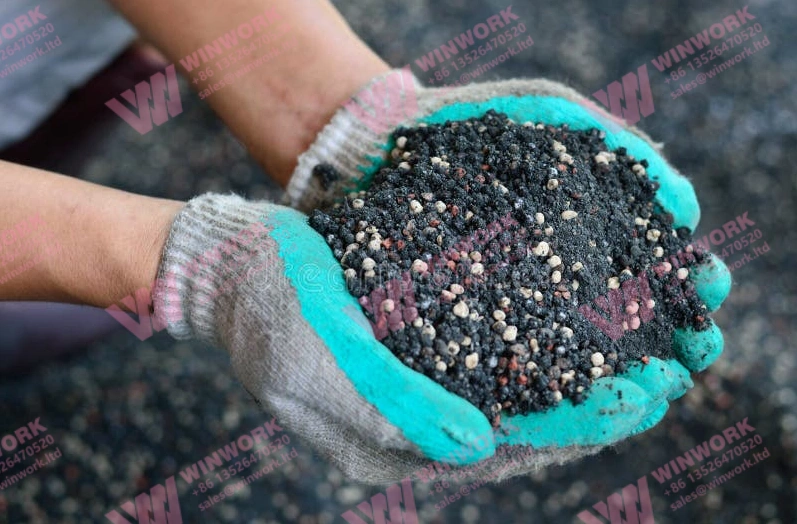
This raises an important question: What makes a high-quality organic mineral fertilizer granule?
The answer involves more than the granulator itself. Raw material characteristics, formulation, mixing, moisture control, drying, screening, and the overall production process all contribute to the final granule quality.
This guide explores the main factors manufacturers should consider when producing consistent and commercially viable fertilizer granules.
What Makes a High-Quality Organic Mineral Fertilizer Granule?
A high-quality granule should meet both chemical and physical requirements.
While nutrient composition determines what the fertilizer provides to crops, physical properties determine how efficiently the product can be manufactured, handled, stored, and applied.
Several characteristics are particularly important.
Uniform Particle Size
Consistent particle size is one of the most visible indicators of granule quality.
A fertilizer product containing too many oversized or undersized particles can have poor flowability and uneven application characteristics.
A properly designed screening system helps separate particles outside the target size range and return suitable material to the production process.
Good Granule Strength
Granules need sufficient mechanical strength to withstand conveying, packaging, transportation, and storage.
If granules are too fragile, they can break during handling and generate excessive dust and fines.
Granule strength depends on several factors, including raw material properties, moisture, formulation, granulation method, and operating conditions.
Controlled Moisture Content
Moisture plays an important role during granulation.
Too little moisture may make particle formation difficult, while excessive moisture can produce sticky material and increase the drying load.
After granulation, moisture must also be controlled to achieve a stable finished product.
Consistent Nutrient Distribution
A commercial fertilizer product should have reasonably consistent nutrient distribution between granules.
This begins with proper raw material preparation and mixing.
If the ingredients are not mixed adequately before granulation, physical granule quality alone cannot solve the problem of inconsistent composition.
Low Dust and Fines
Excessive fines can reduce product quality and increase material losses.
They may also create additional challenges during screening, conveying, packaging, and storage.
For this reason, granulation and screening should be considered together rather than as completely separate operations.
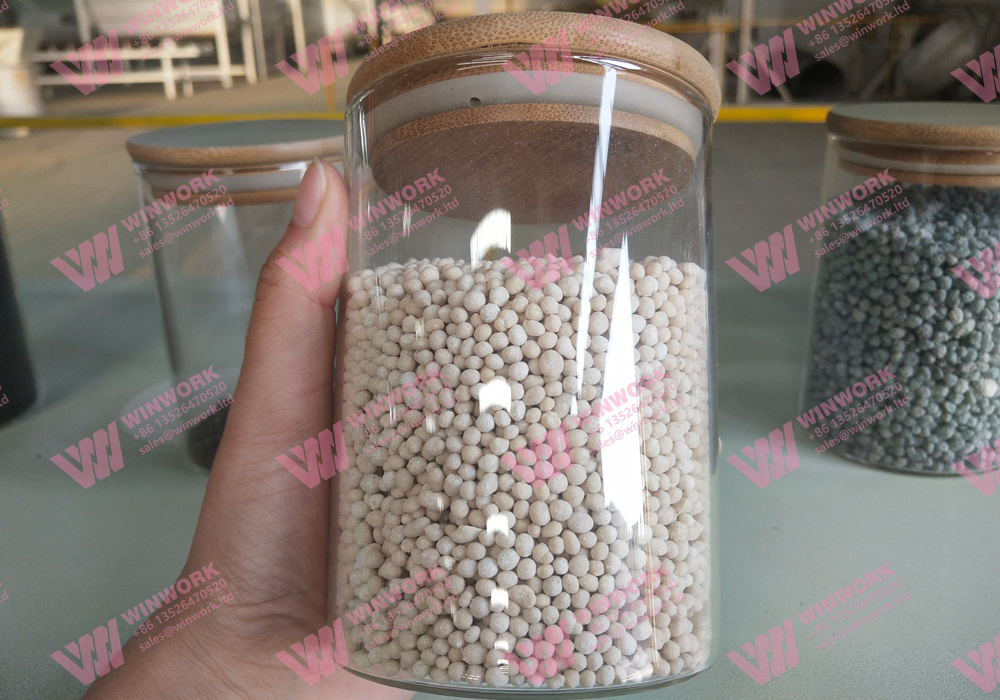
Rotary drum granulator finished granules
Key Factors Affecting Organic Mineral Fertilizer Granule Quality
Producing consistent organic mineral fertilizer granules requires control over several variables.
Raw Material Characteristics
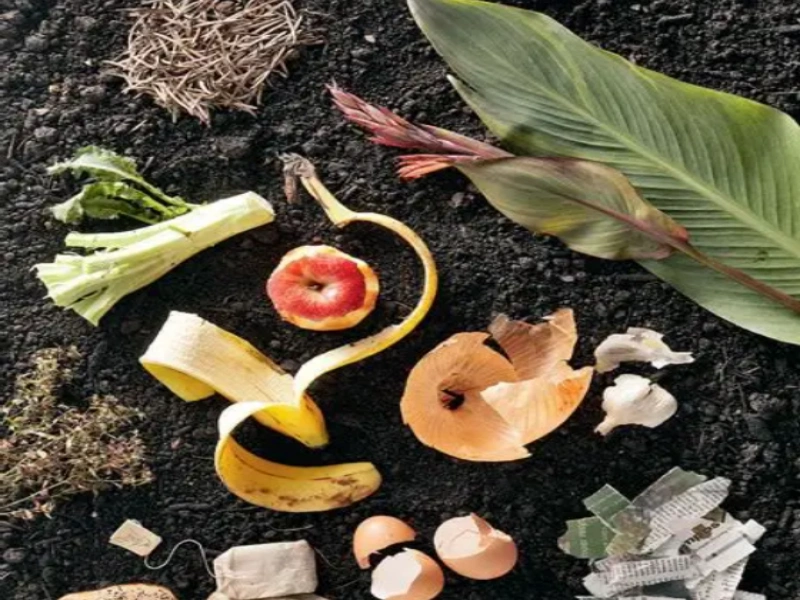
Raw materials can vary significantly in moisture, particle size, density, organic matter content, and flowability.
Organic components may behave differently from mineral ingredients during mixing and granulation.
For example, a material with high moisture or strong cohesiveness may require different processing conditions from a dry mineral powder.
Before selecting equipment, you should understand the physical characteristics of their raw materials.
Fertilizer Formulation
Formulation has a direct influence on production behavior.
The ratio of organic components to mineral nutrients, the selected nutrient sources, and the use of additives can all affect mixing and granulation.
A formulation that performs well from a nutritional perspective may still require process adjustments to achieve the desired granule properties.
Therefore, product formulation and production process design should be considered together.
Granule Size Requirements
Different markets and applications may require different particle sizes.
The target size affects granulator selection, screening configuration, and recycling requirements.
A production line designed around a clearly defined particle size range is generally easier to control than one without a specific finished-product specification.
How the Production Process Affects Granules
Granule quality is the result of several connected production stages.
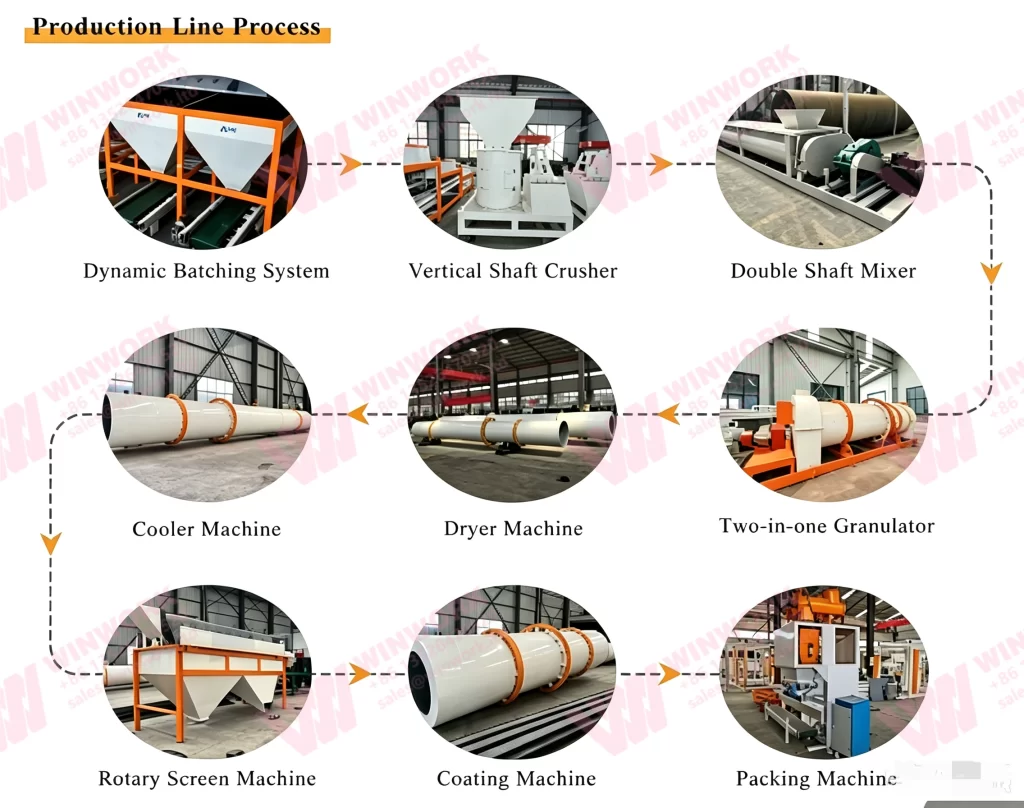
A typical process may include:
Raw Material Preparation → Crushing → Mixing → Granulation → Screening → Drying → Cooling → Coating → Packaging
Not every project requires exactly the same configuration. The final process depends on the raw materials, formulation, capacity, and desired product characteristics.
Raw Material Preparation and Crushing
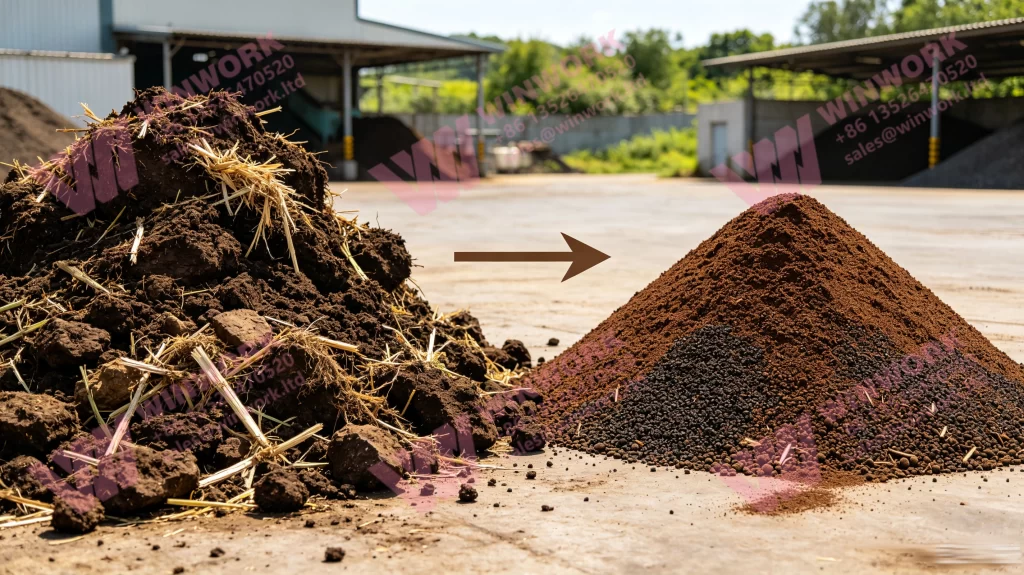
Raw materials should have suitable particle sizes before entering the mixing and granulation stages.
Large or irregular particles can make mixing more difficult and may interfere with the formation of uniform granules.
A crusher or grinding system can be used when particle size reduction is required.
Mixing
Mixing is essential for achieving uniform distribution of the different ingredients.
A properly selected mixer should provide effective blending without creating excessive segregation.
For manufacturers producing organic mineral fertilizer, mixing becomes especially important when organic materials and mineral nutrients have significantly different physical properties.

Granulation
Granulation is the stage where the prepared material is transformed into fertilizer particles.
Different technologies can be used depending on the characteristics of the material and the required product.
Common approaches include:
The choice should not be based on production capacity alone.
Material characteristics, formulation, moisture, desired particle size, granule strength, and downstream processing requirements should all be considered.
Drying and Cooling
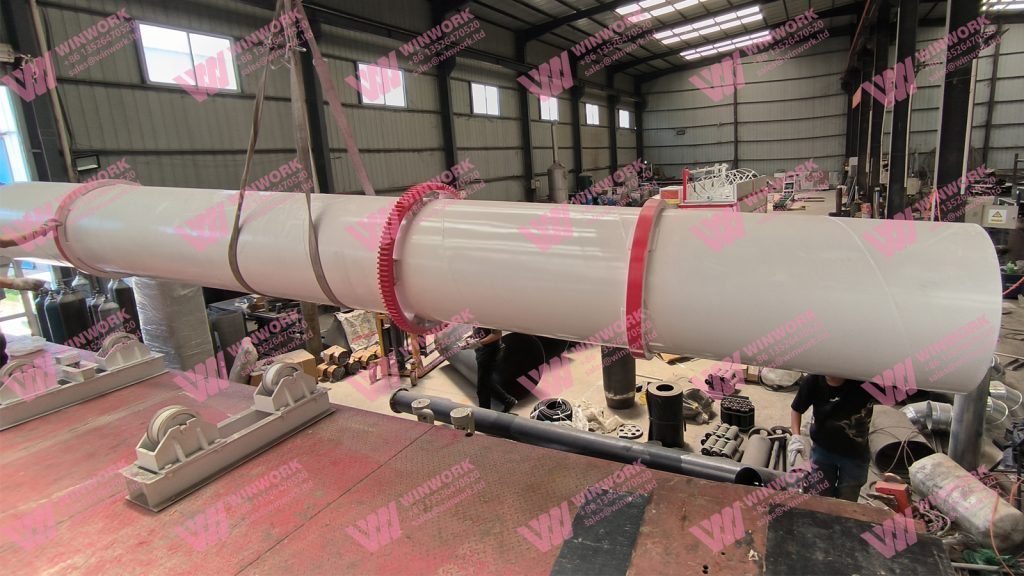
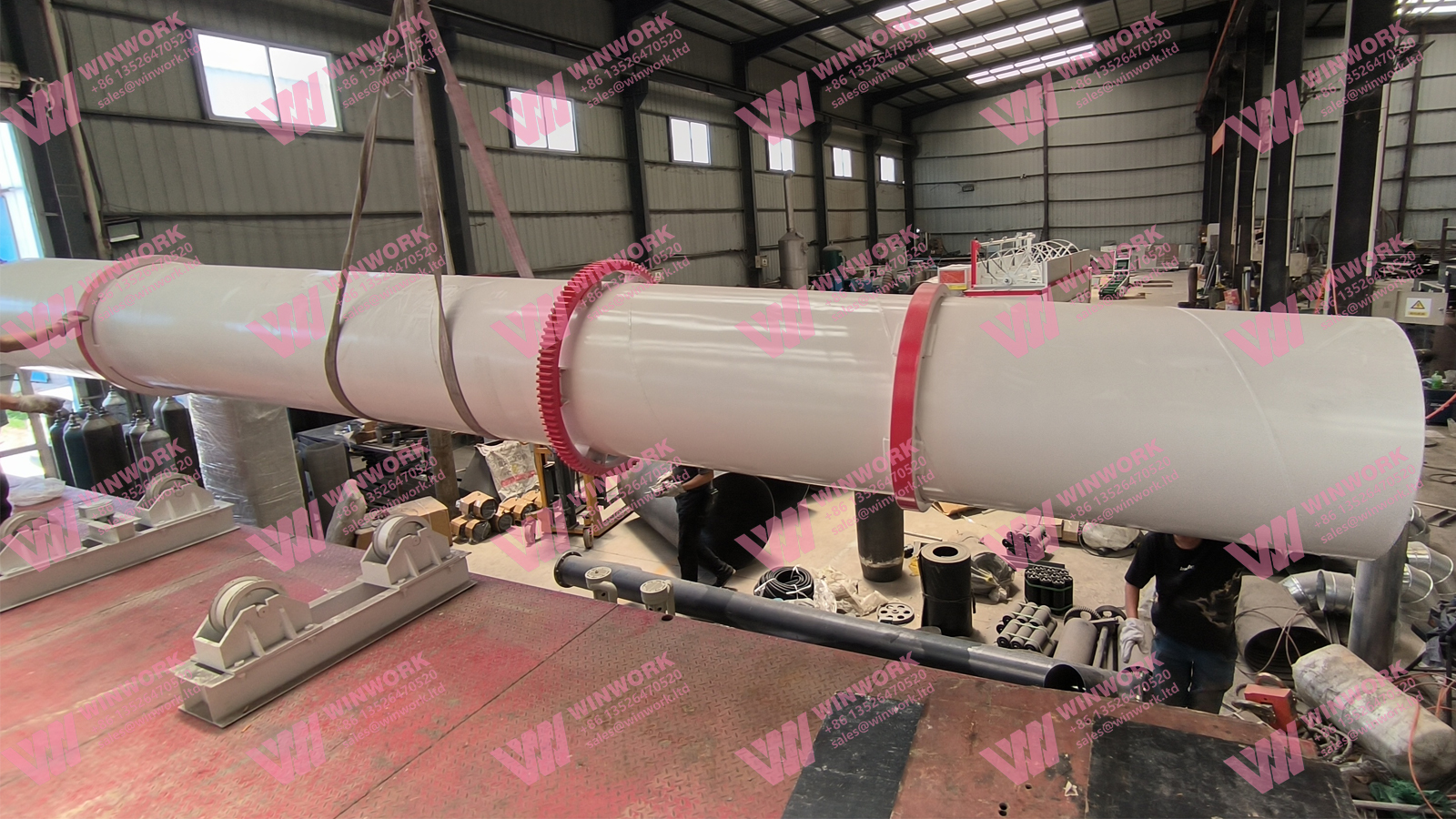
After granulation, the material may require drying to reduce moisture to the desired level.
Drying conditions should be controlled carefully because excessive moisture can contribute to caking, while inapprop
riate drying conditions may affect granule integrity.
Cooling is commonly used after drying to bring the product to a suitable temperature before storage and packaging.
Screening and Recycling
Screening separates particles according to size.
Oversized particles can be removed and processed again, while undersized material can often return to the granulation stage.
This recycling loop helps improve overall material utilization and maintain a more consistent finished-product size.
The Role of Equipment in Granule Quality
Equipment selection has a direct impact on production stability.
A complete organic mineral fertilizer production line may contain several types of equipment, each serving a different purpose.
- Crusher:Reduces raw material particle size
- Mixer:Produces a more uniform material mixture
- Granulator:Forms fertilizer granules
- Dryer:Reduces product moisture
- Cooler:Lowers product temperature
- Screening Machine:Controls particle size distribution
- Coating Machine:Applies surface treatment when required
- Packing Machine:Weighs and packages finished fertilizer
The important point is that individual machines should work as part of an integrated process.
For example, increasing granulator capacity without considering the dryer, screening system, conveyors, or material recycling system may create a bottleneck elsewhere in the production line.
Common Organic Mineral Fertilizer Granulation Problems and Solutions
Even when the equipment is correctly installed,you may encounter production problems.
Granules Are Too Soft
Possible causes include excessive moisture, unsuitable formulation, insufficient binding characteristics, or inappropriate operating conditions.
The solution may involve adjusting moisture, modifying the formulation, or optimizing the granulation process.
Too Many Fine Particles
A high proportion of fines can result from poor granulation conditions, unsuitable moisture, insufficient agglomeration, or excessive mechanical stress.
Checking the relationship between raw material preparation, granulation, drying, and screening can help identify the source.
Granules Break During Handling
If granules break easily after production, you should examine granule strength as well as drying and cooling conditions.
The problem may originate during granulation rather than transportation.
Uneven Particle Size
Uneven particle size can be associated with inconsistent feeding, poor mixing, unstable granulation conditions, or an improperly configured screening system.
Maintaining stable material flow is important for consistent production.
Caking During Storage
Caking may be influenced by residual moisture, product temperature, particle properties, storage conditions, or surface characteristics.
For products requiring additional surface treatment, a coating system may be incorporated into the production line.
How to Build a Reliable Organic Mineral Fertilizer Production Line
A reliable production line should be designed around the actual fertilizer product rather than simply selecting individual machines based on capacity.
Before choosing equipment, you should define several key parameters:
1. Raw Materials
Identify the organic and mineral materials that will be processed.
2. Product Formulation
Determine the desired nutrient composition and organic matter content.
3. Production Capacity
Define the required production output and expected operating schedule.
4. Target Granule Size
Specify the desired finished-product particle size and acceptable size range.
5. Moisture Requirements
Determine the moisture level required before packaging and storage.
6. Automation Requirements
Consider feeding, material transfer, process monitoring, weighing, and packaging requirements.
These factors can then be used to determine the appropriate equipment configuration.
For you considering an organic mineral fertilizer production line, process design is often more important than choosing a single high-capacity machine.
From Granule Quality to Production Efficiency
High-quality granules are not only about appearance.
Stable granule properties can help manufacturers improve material handling, reduce excessive fines, simplify screening, and maintain more consistent packaging operations.
This is why the production process should be evaluated as a complete system.
The relationship can be summarized as:
Raw Materials→Formulation→Mixing→Granulation→Drying & Cooling→Screening→Finished Granules
Each stage can influence the next one.
A problem that appears during screening, for example, may actually originate from raw material preparation or granulation conditions.
Final Thoughts
A high-quality organic mineral fertilizer granule is the result of multiple factors working together.
Raw material characteristics, formulation, mixing quality, granulation technology, moisture control, drying, cooling, and screening all contribute to the final product.
There is no universal production configuration that fits every fertilizer formulation.
For this reason, you should evaluate the complete production process before selecting equipment.
A well-designed production line should match the characteristics of the fertilizer, the required production capacity, and the desired granule specifications.
For fertilizer manufacturers planning a new plant or upgrading an existing facility, this process-oriented approach can provide a more reliable foundation for achieving consistent granule quality.
For more details, please feel free to contact us.
Email: sales@lanesvc.com
Contact number: +8613526470520
Whatsapp: +8613526470520
Your choice is the best recognition for us!
Get A Quote