

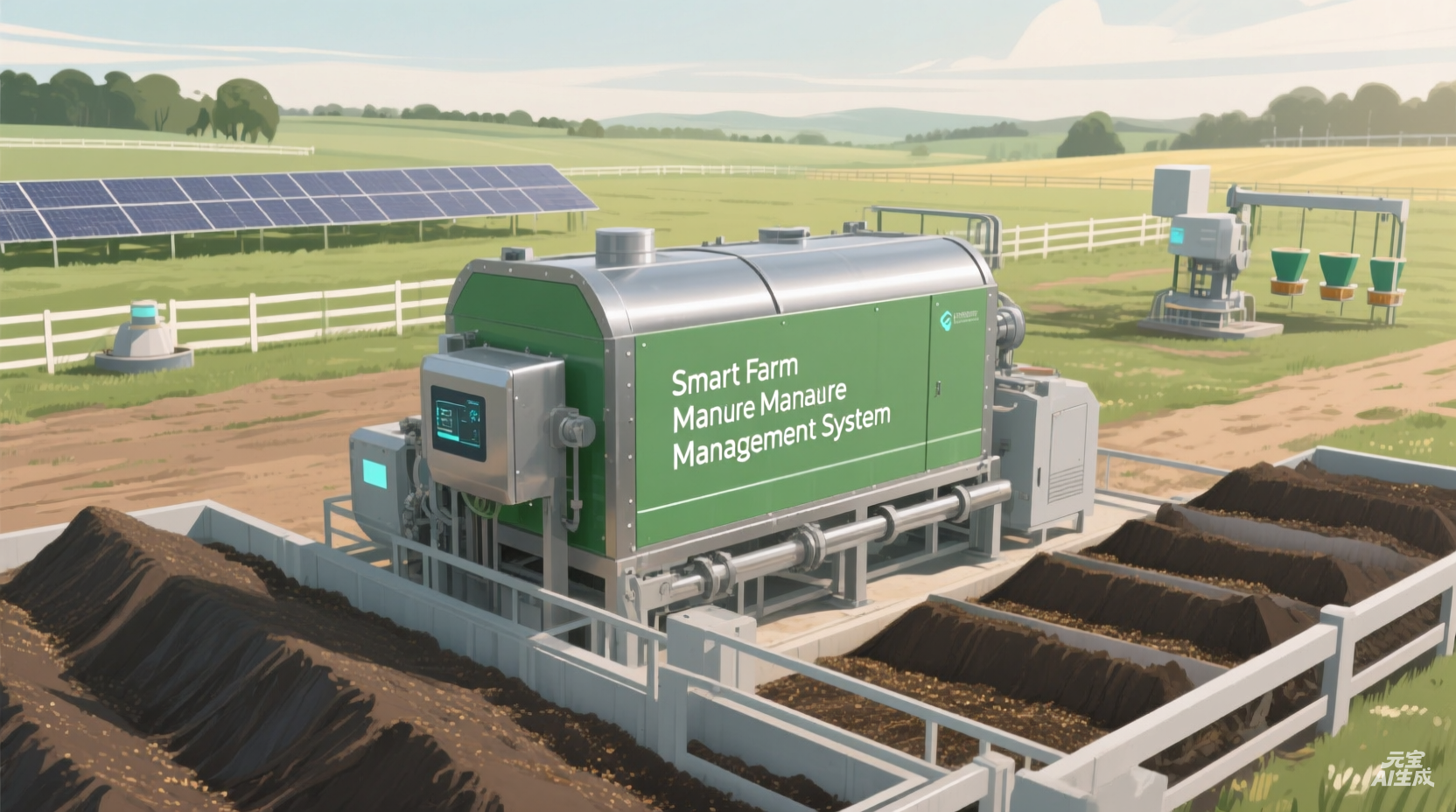
Introduction
Walk into any farm office today, and you’ll see it: the weather maps are wilder, the seasons are less predictable, and the old rules of thumb don’t seem to work anymore. Agriculture is fundamental to the well-being of the people, making its development of paramount importance to humanity.
For generations, farmers planted by the calendar; now, they have to plant by the climate. This isn’t just about saving the planet—it’s about saving your livelihood. The answer isn’t to fight nature, but to work with it through climate-smart agriculture practices. This isn’t a single magic bullet, but a toolbox of techniques designed to make your farm more productive, resilient, and sustainable in a changing world.
What Exactly Are Climate-Smart Agriculture Practices?
At its core, climate-smart agriculture practices are methods that tackle three main goals at once:
Increasing Productivity: Growing more food with the same or fewer resources. Reduce food survival rate reduction or even production halts caused by drought or floods.
Building Resilience: Helping farms withstand shocks like droughts, floods, and heatwaves. Temperature control refers to minimizing the influence of external environmental factors..
Reducing Emissions: Cutting greenhouse gases or capturing carbon from the atmosphere.
These aren’t radical new ideas; they are often updated versions of age-old wisdom, supercharged with modern technology. Think of climate-smart agriculture practices as an upgrade to your entire farming system, from the soil up.
The Core Principles: How to Implement Climate-Smart Agriculture Practices
Putting these ideas into action involves a few key strategies that work together to create a healthier farm ecosystem.
Regenerating Soil Health
Healthy soil is the foundation of climate-smart farming. It acts like a sponge, holding water during droughts and draining well during floods.
Cover Cropping: Planting non-cash crops (like clover or rye) in the off-season keeps the soil alive, prevents erosion, and adds organic matter.
Reduced Tillage: Minimizing plowing keeps carbon locked in the soil instead of releasing it into the air as CO2.
Composting and Biochar: Adding stable organic matter feeds soil microbes and creates a long-term carbon sink.
Composting as the first step at the whole procedure, it plays an important role exactly.
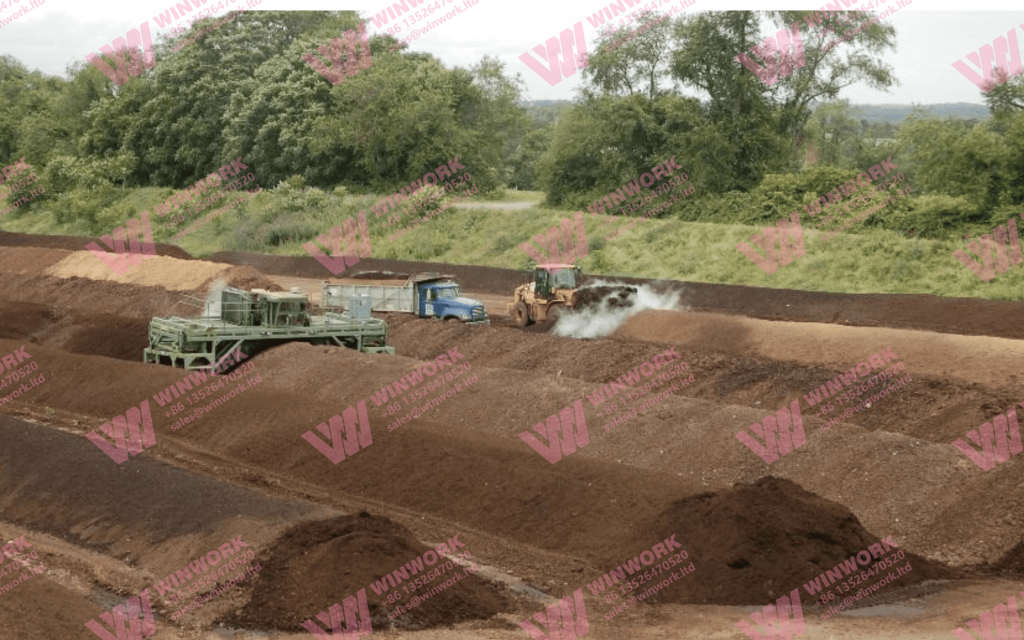
The Horizontal Fermentation Tank is a state-of-the-art equipment designed for the effective aerobic fermentation of organic waste, agricultural residues, sludge, and other compostable materials. Unlike vertical tanks, the horizontal design allows for larger capacity and more uniform fermentation. It is a classical machine.
Smarter Nutrient and Water Management
Wasting fertilizer and water is like throwing money away, especially under climate stress.
Precision Fertilization: Using sensors and data to apply nutrients exactly where needed, preventing nitrous oxide (a potent GHG) emissions.
Water Harvesting and Efficient Irrigation: Techniques like drip irrigation deliver water directly to the root zone, drastically reducing waste during dry spells.
Integrating Trees and Livestock
Agroforestry: Planting trees alongside crops provides shade for plants and animals, sequesters carbon in wood, and diversifies farm income.
Silvopasture: Combining trees, forage, and livestock. The trees capture carbon while providing animals with shelter from extreme heat.
Essential Equipment for Climate-Smart Agriculture Practices
You don’t need a spaceship, but you do need the right tools to execute these climate-smart agriculture practices effectively:
No-Till Drills/Seeders: Specialized planters that can place seeds directly into residue-covered soil without tilling.
Precision Applicators: GPS-guided spreaders and sprayers that prevent overlap and reduce chemical use.
Soil Moisture and Nutrient Sensors: In-field probes that give real-time data to inform irrigation and fertilization decisions.
Drip Irrigation Systems: Efficient delivery systems that minimize evaporation and runoff.
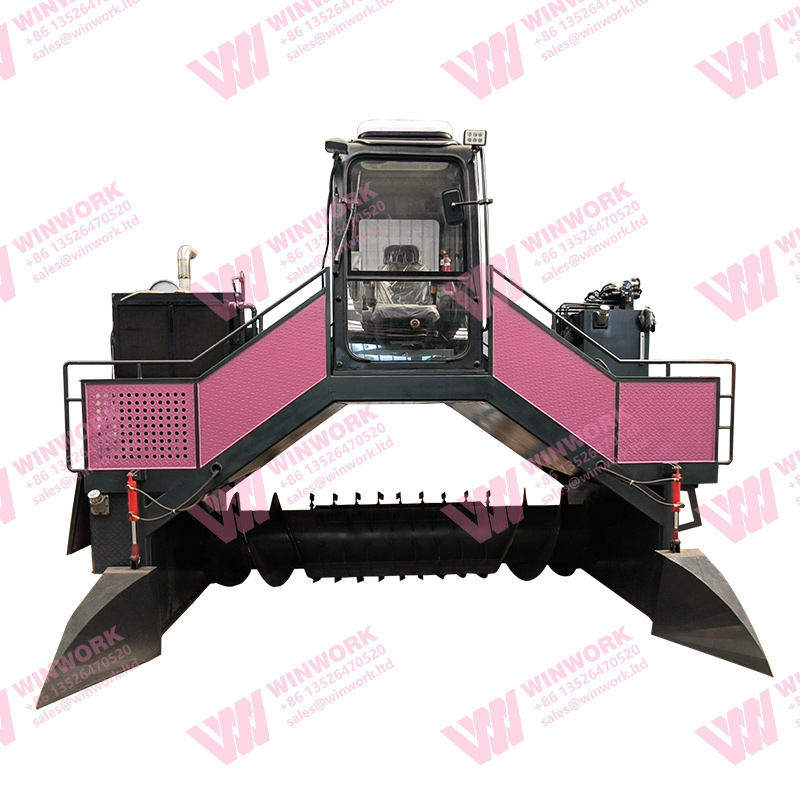
Compost Turners and Biochar Kilns: Equipment to process organic waste into stable soil amendments.
Weather Stations: On-farm meteorological units to track hyper-local conditions for better decision-making.
The Payoff: Benefits Beyond the Weather
Adopting climate-smart agriculture practices isn’t just about feeling good—it’s about the bottom line.
Drought & Flood Resilience: Soil rich in organic matter can hold up to 20% of its weight in water, acting as a buffer against both too much and too little rain.
Lower Input Costs: Precision application means you buy less fertilizer, fuel, and water.
Access to Carbon Markets: By sequestering carbon, you can generate verified carbon credits to sell to corporations.
Premium Markets: Consumers are increasingly willing to pay more for “climate-smart” or “regeneratively grown” products.
Future-Proofing: As regulations tighten, farms that have already adopted these practices will be ahead of the curve.
Real Farm Example: The Riverbend Row Crop Farm
The Riverbend Farm in Iowa used to rely on heavy tillage and broadcast fertilizer. They were struggling with yield drops during increasingly common summer droughts. They decided to overhaul their operation with climate-smart agriculture practices.
They switched to a no-till system, planted cover crops every winter, and installed soil moisture sensors.
Their soil organic matter increased from 2.5% to 4.2% in five years.
Their irrigation needs dropped by 30% due to better water retention.
They enrolled in a carbon credit program, earning an extra $15,000 last year.
“We realized that climate-smart agriculture practices weren’t just for the environment—they were the only way to keep our farm profitable in this new climate reality,” says owner Sarah Jenkins.
FAQ: Your Questions About Climate-Smart Agriculture Practices Answered
Q1: Do I have to do all these practices at once?
A: Absolutely not. The best approach is to start small. Pick one practice, like cover cropping or no-till on a single field, and expand as you learn. Climate-smart agriculture practices are a journey, not an overnight switch.
Q2: Is this only for big farms?
A: Not at all. A small family farm can benefit enormously. A small-scale farmer might start with rainwater harvesting or simple composting. The principles of climate-smart agriculture practices scale up or down.
Q3: Will my yields drop when I switch?
A: Initially, there might be a learning curve year where yields dip slightly. But within 2-3 years, as soil health improves, yields typically rebound and become more stable during weather extremes.
Q4: How much does it cost to get started?
A: It varies. Switching to no-till requires a new seeder but saves on fuel and labor. Many climate-smart agriculture practices have low upfront costs (like cover cropping) but require more management time.
Q5: What is the biggest challenge?
A: Often, it’s the mental shift. Letting go of old habits (like tilling every field) is harder than the physical work itself. Finding reliable information is key.
Q6: Can I get paid for this?
A: Yes! This is a major benefit. Look into government conservation programs (like EQIP in the US) and private carbon markets. They are designed to incentivize climate-smart agriculture practices.
Q7: Does this work for livestock farms?
A: Absolutely. Managed grazing (rotating animals to prevent overgrazing) is a core climate-smart agriculture practice that improves pasture health and sequesters carbon.
Q8: Where do I get the seeds for cover crops?
A: Most local seed dealers now carry cover crop mixes. Your local extension office can recommend the best species for your region.
Q9: How do I measure my progress?
A: Start with a simple soil test for organic matter. Over time, you’ll see the results in your soil structure, water infiltration rate, and ultimately, your bottom line.
Conclusion
The era of ignoring the climate is over. For farmers, this isn’t a political issue; it’s a business imperative. By embracing climate-smart agriculture practices, you are not just adapting to a changing world—you are building a more robust, profitable, and resilient farm that can thrive for generations. The tools are available, the knowledge is out there, and the time to act is now.
For more details, please feel free to contact us.
Email: sales@lanesvc.com
Contact number: +8613526470520
Whatsapp: +8613526470520



Get A Quote