

Introduction
If you’ve ever bought a bag of cat litter, you know the stuff isn’t cheap. Pet owners happily pay premium prices for a product that keeps their homes clean and odor-free. For entrepreneurs and manufacturers, that demand creates a golden opportunity: producing cat litter yourself. But here’s the catch—making cat litter isn’t just about mixing ingredients and packing bags. To truly profit, you need an effective cat litter production line. This isn’t a vague term; it’s the difference between a chaotic, wasteful workshop and a smooth, money-making factory. In this article, we’ll break down exactly what an effective cat litter production line is, how to judge whether yours is efficient, and how to build one from scratch.
What Is an Effective Cat Litter Production Line?
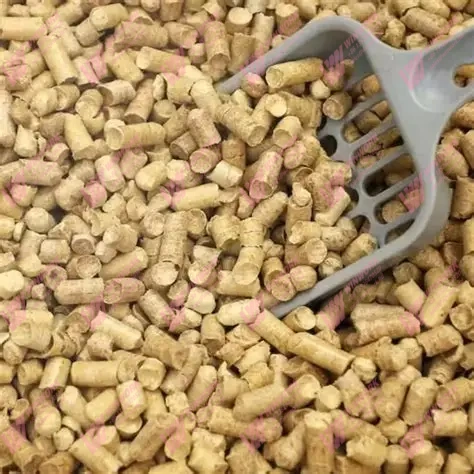
An effective cat litter production line is a complete, integrated manufacturing system that takes raw materials—like bentonite clay, silica gel, or recycled paper—and transforms them into finished, packaged cat litter ready for retail shelves. It includes everything from material handling and processing to pelletizing, drying, screening, and packaging. And the whole production line is easy to operate and cost less for you.
What makes it “effective”? It runs with minimal downtime, produces consistent high-quality litter, wastes little material, and operates at a cost low enough to leave healthy profit margins. In short, an effective cat litter production line is one that delivers maximum output with minimal headaches. Effective Cat Litter Production Line helps you a lot.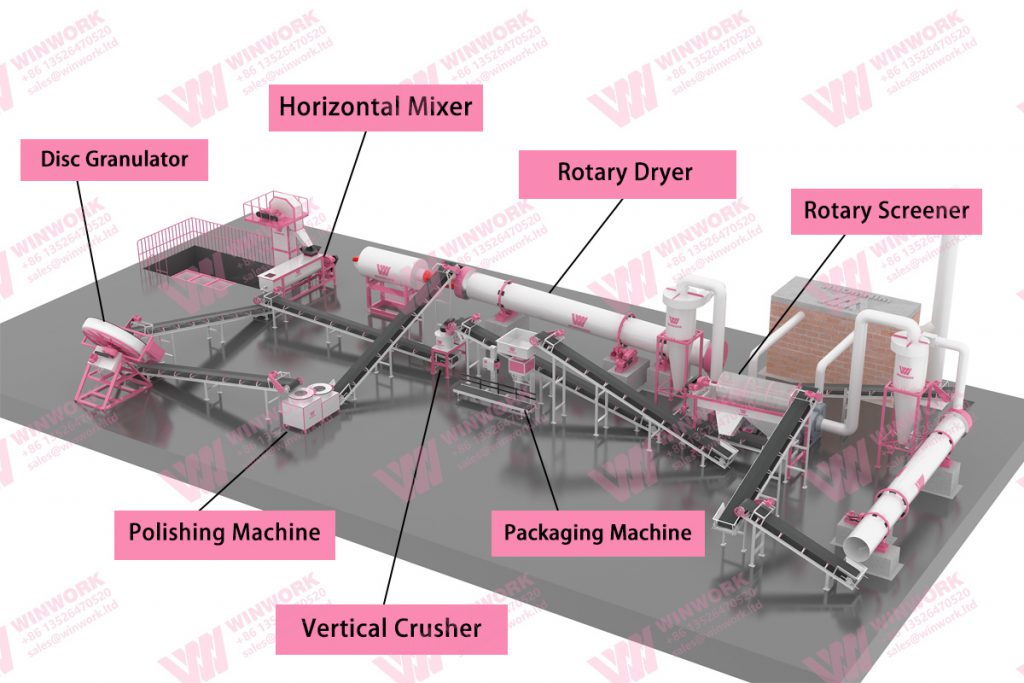
How to Tell If Your Cat Litter Production Line Is Effective
Many newcomers assume that as long as they have machines running, they have an effective system. That’s not true. Here’s how to spot an efficient, effective cat litter production line:
High Yield with Low Waste – You should produce close to the theoretical maximum amount of usable litter from your raw materials, with minimal dust, off-spec granules, or spillage. Effective Cat Litter Production Line can be a good choice for you.
Consistent Product Quality – Every bag has the same clumping ability, absorbency, and odor control. No surprises for customers.
Smooth Material Flow – There are no bottlenecks where material piles up waiting for the next process. Conveyors, hoppers, and feeders are synchronized.
Low Energy & Labor Costs – The system uses energy-efficient machines and requires minimal manual intervention.
Reliability and Uptime – Machines rarely break down, and when they do, maintenance is quick and easy.
If your line struggles with any of these, it’s time to rethink your setup. Effective Cat Litter Production Line is really an excellent line to make cat litters and save your costs.
Prerequisites: What You Need Before Building an Effective Cat Litter Production Line
Before you start ordering machines, you need to prepare the groundwork for an effective cat litter production line:
Raw Material Supply – Secure a steady, affordable source of bentonite clay, silica sand, or recycled paper pulp. Quality and consistency here determine the quality of your litter.
Space and Infrastructure – You’ll need a factory floor with adequate space for machinery, storage of raw materials and finished goods, and room for maintenance access.
Power and Utilities – Ensure sufficient electrical capacity for motors, dryers, and conveyors. Compressed air may also be required for pneumatic systems.
Technical Know-How – Either hire experienced staff or partner with suppliers who can train your team. Understanding the process is key to keeping the line effective.
Market Plan – Know your customer: Are you targeting premium clumping litter, eco-friendly options, or budget brands? Your production line design will reflect this.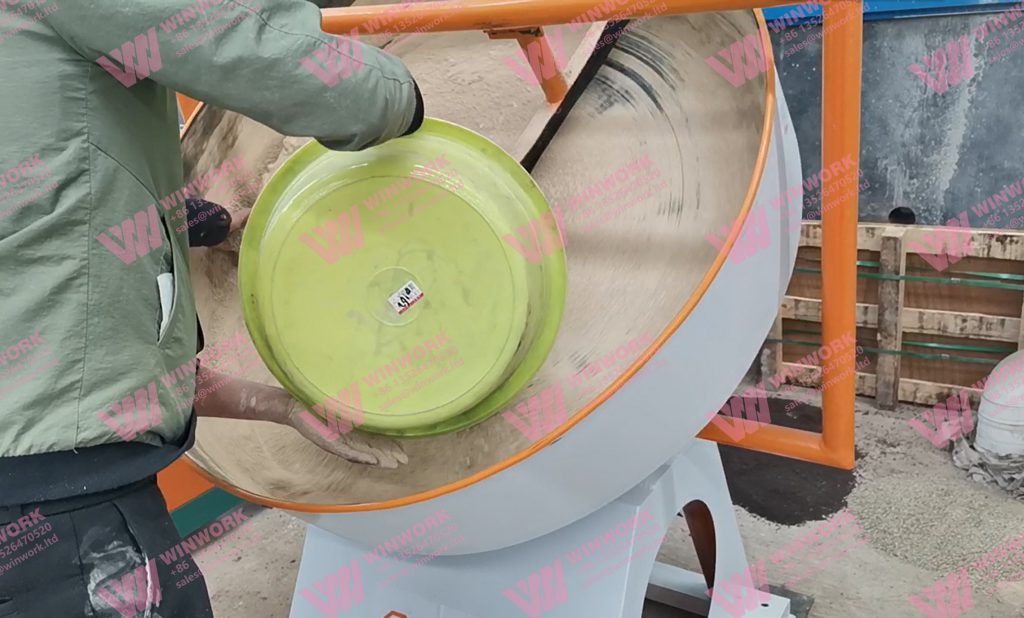
How to Build an Effective Cat Litter Production Line: Step-by-Step
Creating an effective cat litter production line is like assembling a giant puzzle—each piece must fit perfectly. Here’s the typical workflow:
Material Preparation – Raw clay or paper is crushed, pulverized, or shredded to a uniform size. This is done with crushers, grinders, or hammer mills.
Mixing & Binding – Ingredients are blended with binders or additives to enhance clumping, odor control, or fragrance. Mixers ensure even distribution.
Pelletizing or Granulating – The mixture is shaped into uniform granules. A rotary drum granulator or extrusion machine forms the basic litter pellets.
Drying – Wet granules from the mixer or granulator are dried in a rotary dryer to remove moisture and harden the structure.
Cooling – Hot pellets go through a cooler to bring them to room temperature, preventing condensation inside bags.
Screening and Sorting – Vibrating screens remove fines and oversized pieces, ensuring every pellet meets size specifications.
Packaging – The final product is weighed and packed into bags by automatic bagging machines.
Each step must be timed and calibrated so the entire line flows smoothly. That’s the essence of an effective cat litter production line.
Cat litter production line process
Cat litter production line Preparation of raw materials
Bentonite cat litter and agglomerated cat litter:
Working Principle: Bentonite ore is transported to the production plant after mining, and after preliminary screening and decontamination to remove large stones and impurities.
Process Description: The raw ore is screened using a vibratory screening machine to ensure the removal of large lumps, making subsequent processing more uniform and efficient.
Principle of operation: Waste paper or wood shavings are collected and fed to the production line for initial shredding and drying.
Process description: Waste paper is cut into small pieces using industrial shredders or wood chips are crushed into small particles for subsequent processing. The chips are then dried in a rotary dryer.
Cat litter production line Crushing and sieving
Bentonite cat litter and agglomerated cat litter:
Principle of operation: The bentonite ore is crushed into small particles by means of a crusher and screened to ensure uniform particle size.
Process description: Initial crushing is carried out using a jaw crusher to break large bentonite ores into smaller pieces. This is followed by further crushing with a cone crusher to achieve the required particle size. Finally, it is screened by vibrating sifter to ensure uniform particles.
Working Principle: Silica gel particles are sieved using a tumbler sifter to remove oversized or undersized particles.
Process Description: The silica gel particles are screened through the tumbler sifter, the oversized particles are returned to the crushing process, and the oversized particles go into the waste treatment system to ensure that the final product particles are uniform in size.
Principle of operation: Waste paper or wood shavings are shredded into uniform particles using a shredder and screened.
Process description: Paper is cut into small pieces by a shredder and wood chips are crushed into small particles by a pulverizer. Subsequently, the particles are sieved through a vibratory sifter to ensure uniformity of size.
Cat litter production line Drying
Bentonite cat litter and agglomerated cat litter:
Principle of operation: The crushed and screened bentonite particles are dried in a rotary dryer to remove excess moisture.
Essential Equipment for an Effective Cat Litter Production Line
Your line’s success depends on choosing the right tools:
Jaw Crusher or Hammer Mill – Reduces raw material to the right particle size.
Industrial Mixer – Blends ingredients uniformly.
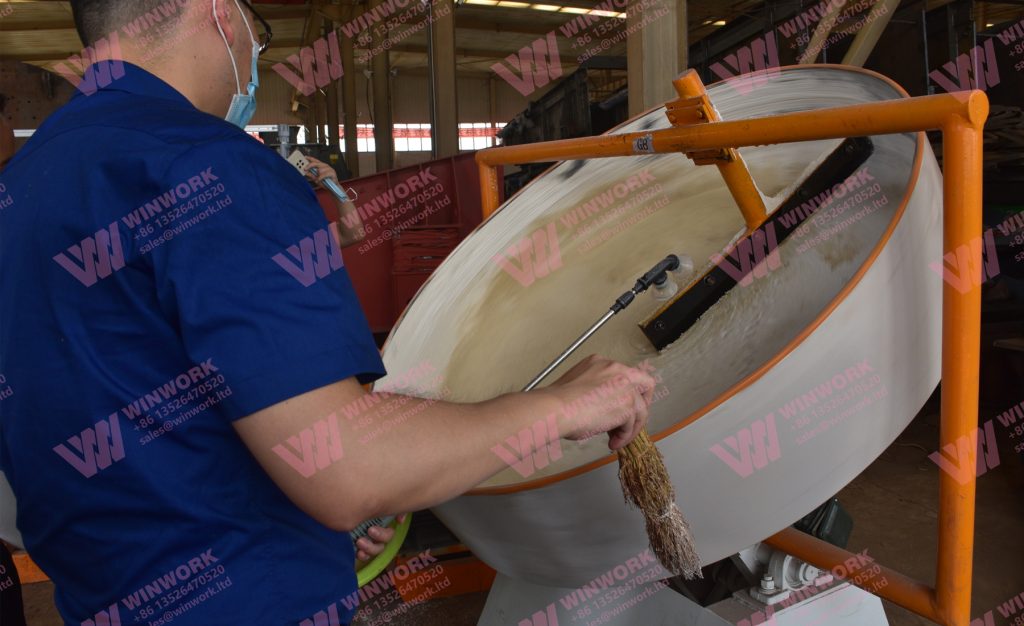
Rotary Drum Granulator – Forms granules with the right density and shape.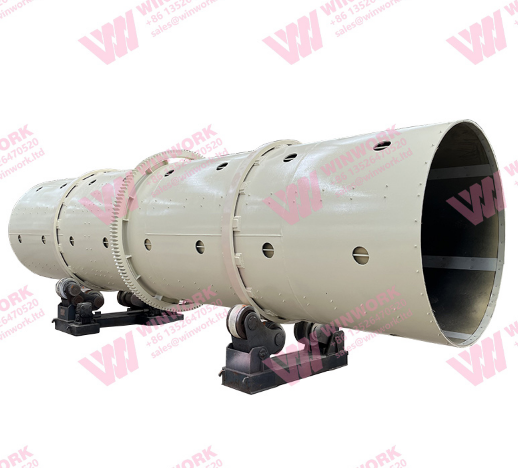
Rotary Dryer – Removes moisture efficiently.
Vibrating Screen – Sorts out defective pellets.
Automatic Bagging Machine – Weighs and packs litter at high speed.
Conveyor Belts and Hoppers – Connect each stage without manual handling.
Investing in quality equipment is non-negotiable for an effective cat litter production line. Cheap machines cause breakdowns and inconsistencies that destroy profits.
The Benefits of Running an Effective Cat Litter Production Line
When you get it right, the rewards are substantial:
High Profit Margins – Finished litter sells for 3–10 times the cost of raw materials.
Scalability – Once the line is dialed in, you can increase output by adding shifts or upgrading individual machines.
Brand Consistency – Customers trust a brand that always performs the same way.
Waste Reduction – Efficient lines recycle offcuts and fines back into the process.
Market Competitiveness – You can produce premium or specialty litters that command higher prices.
Real Factory Example: The Green Pet Litter Company
Green Pet started with a single mixer and a manual bagger, producing inconsistent litter with frequent downtime. After redesigning their effective cat litter production line with a full set of crushers, granulators, dryers, and automated packagers, they tripled output. Their product quality became so reliable that retailers began placing standing orders. “Building an effective cat litter production line was the moment we stopped being a hobby business and became a real manufacturer,” says founder Laura Chen.
FAQ: Your Questions About Effective Cat Litter Production Lines Answered
Q1: Can I start small and expand later?
A: Yes. Begin with a basic line for one product, then add granulators, dryers, or extra packaging stations as demand grows.
Q2: What’s the best raw material for a first-time producer?
A: Bentonite clay is easiest for clumping litter. It’s widely available and forgiving in processing.
Q3: How much space do I need?
A: A basic line fits in 1,000–2,000 square feet, but more space is better for storage and expansion.
Q4: Do I need a dryer for all types of litter?
A: Paper-based litters may not need drying, but mineral litters like bentonite do, to harden granules and remove moisture.
Q5: How do I ensure consistent quality?
A: Regular testing of moisture, pellet size, and clumping strength is essential. Automate where possible to reduce human error.
Q6: What’s the biggest mistake beginners make?
A: Underestimating the importance of raw material consistency. Bad input equals bad output, no matter how good your machines are.
Q7: Can I make scented litter on the same line?
A: Yes. Fragrance is added during mixing. Just ensure even distribution so every bag smells the same.
Q8: How energy-intensive is an effective cat litter production line?
A: It can be, especially with dryers and granulators. Choose energy-efficient motors and schedule production to avoid peak electricity costs.
Q9: How long does it take to build the line?
A: Installation and commissioning can take 2–6 months, depending on complexity and supplier availability.
Q10: Where can I get equipment for an effective cat litter production line?
A: Specialized manufacturers in China, India, and Europe supply complete lines. Work with a supplier who offers training and after-sales support.
Conclusion
Cat litter is more than just a pet supply—it’s a high-demand product with excellent margins for those who know how to produce it right. The difference between struggling with waste and downtime versus running a profitable operation comes down to one thing: having an effective cat litter production line. By securing quality materials, choosing the right equipment, and designing a smooth workflow, you can build a system that delivers consistent results, delights customers, and scales with your ambition.
For more details, please feel free to contact us.
Email: sales@lanesvc.com
Contact number: +8613526470520
Whatsapp: +8613526470520

Get A Quote