

Introduction
Feeling the squeeze of tight export controls? You’re not alone. This guide breaks down the exact countermeasures for fertilizer export quota restrictions, showing you how to navigate the new “domestic first” reality, diversify your markets, and even turn regulatory pressure into a profitable pivot towards green fertilizer production.
Facing tightening global trade barriers and domestic supply pressures, effective countermeasures for fertilizer export quota restrictions are now critical for survival. This guide moves beyond theory to provide five actionable strategies: pivoting to green fertilizer production, dominating the domestic market to build trust, diversifying into new global regions, and securing logistics ahead of time. By implementing these countermeasures for fertilizer export quota restrictions, businesses can not only legally navigate trade bottlenecks but also transform regulatory pressure into a strategic opportunity for sustainable growth.
The New Reality: Why the Walls Went Up
Let’s cut to the chase. If you’re in the fertilizer business, you’ve felt the ground shift beneath your feet. Governments aren’t just tweaking the rules; they are slamming the brakes on exports to protect domestic food security. Whether it’s the “zero reporting, zero release” policies for phosphates or the dynamic quota systems for urea, the message is clear: home comes first .
But here’s the good news: restriction breeds innovation. The best countermeasures for fertilizer export quota restrictions aren’t about fighting the tide—they’re about learning to surf the waves. By understanding the “why” behind the restrictions, you can reposition your business to thrive in this new environment.
Countermeasure 1: Pivot to “Green Gold” (Organic Fertilizers)
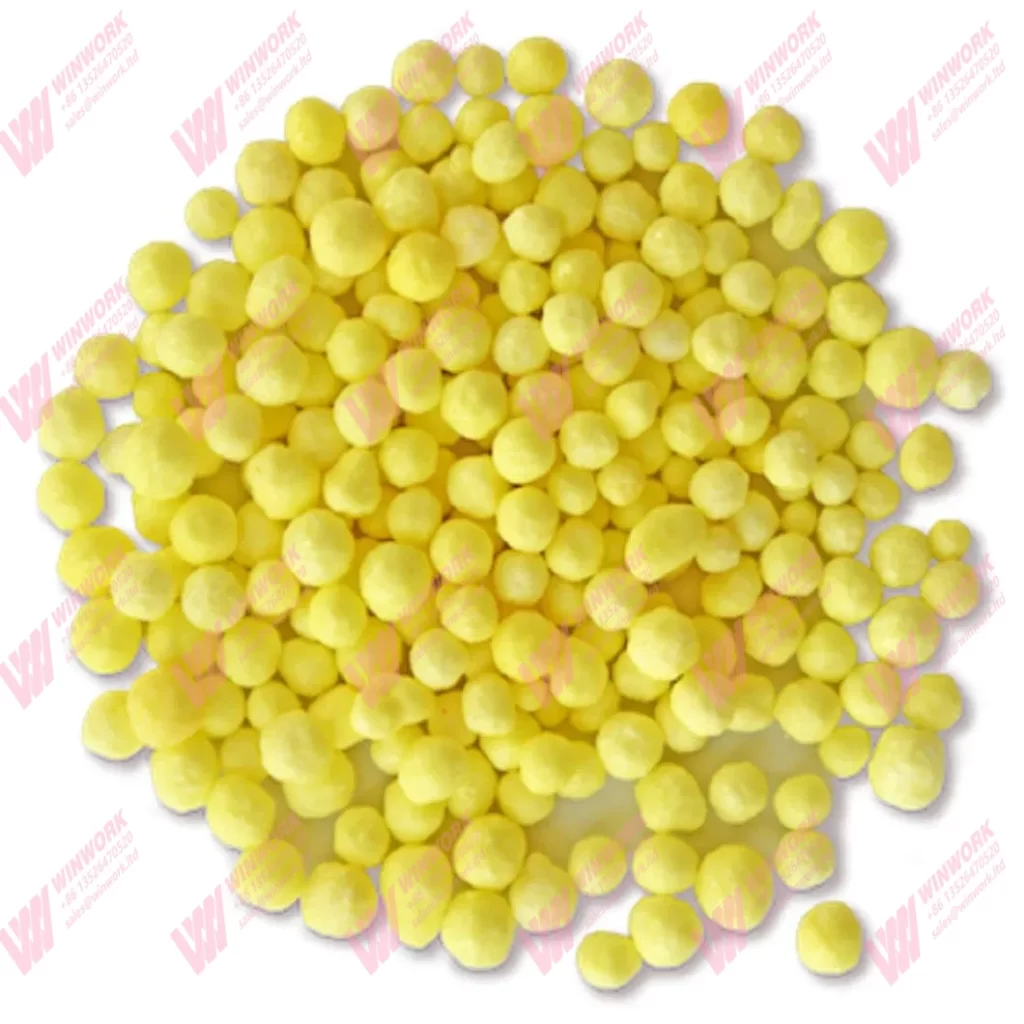
This is the single biggest opportunity hiding in plain sight. While chemical fertilizers face heavy quotas, the world is hungry for sustainable agriculture. Many regions are actively encouraging the shift toward organic and bio-fertilizers as a direct response to export limitations .
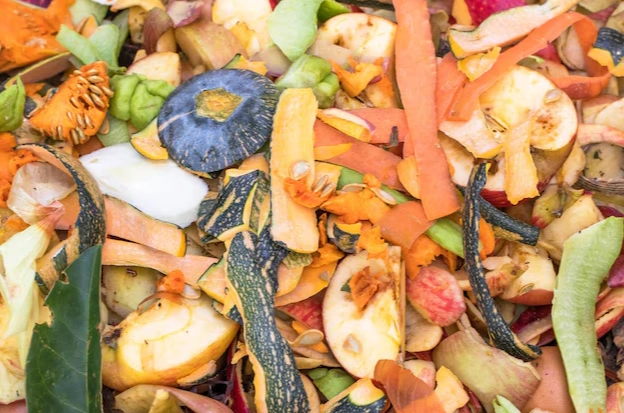
The Strategy: Don’t just sell urea; sell soil health. Invest in producing organic-inorganic compound fertilizers.
The Win: These products often fall outside the strictest quota definitions, allowing you to keep production lines running and tap into the booming eco-conscious market. It’s the ultimate countermeasures for fertilizer export quota restrictions because it turns a limitation into a new product line.This is the first Countermeasure for Fertilizer Export Quota Restrictions.
Countermeasure 2: Master the “Dual-Track” System
You cannot ignore the domestic market anymore; you have to dominate it. The most successful companies are those that treat domestic supply and export as two separate, optimized tracks .
The Strategy: Secure your domestic “footprint” first. By reliably fulfilling domestic quotas and building strong relationships with local agricultural bureaus, you build the trust necessary to be considered for export allocations.
The Win: You become a “preferred supplier.” When export windows open (even briefly), you are at the front of the line. This is a proactive countermeasures for fertilizer export quota restrictions approach that aligns your business with national interests. This is the second Countermeasure for Fertilizer Export Quota Restrictions.
Countermeasure 3: Go Global, But Not Where You Think
If your traditional markets (like specific regions in Asia or Europe) are blocked by quotas or tariffs, it’s time to look at the map differently. The “Belt and Road” initiative and emerging markets in Africa and Latin America are hungry for fertilizer .
The Strategy: Diversify your export destinations. Don’t put all your nitrogen in one geopolitical basket.
The Win: By finding new trade partners, you reduce your dependency on any single market. This geographic diversification is a classic countermeasures for fertilizer export quota restrictions playbook move. This is the third Countermeasure for Fertilizer Export Quota Restrictions.
Countermeasure 4: Lock in Logistics and Contracts Early
In a restricted market, “first come, first served” is the law of the land. Export quotas are often released in batches with strict validity periods .
The Strategy: Get your logistics house in order beforethe quotas drop. Pre-book shipping containers, secure letters of credit, and have your customs documentation (like the Fertilizer Import Tariff Quota Certificate) ready to go .
The Win: Speed is your competitive advantage. Being ready to ship the moment a quota is granted ensures you don’t lose your slice of the pie to slower competitors. This is the fourth Countermeasure for Fertilizer Export Quota Restrictions.
Countermeasure 5: Vertical Integration & Resource Security
For the big players, the long-term countermeasures for fertilizer export quota restrictions involve owning the entire chain. If you rely on imported potash or sulfur, you are vulnerable .
The Strategy: Invest in upstream resources or “mine-to-market” capabilities. Support for overseas resource development (like potassium mines in Laos) is a strategic national priority .
The Win: Securing your raw material supply makes you a strategic national asset, which can translate into more favorable consideration when export policies are reviewed. This is the fifth Countermeasure for Fertilizer Export Quota Restrictions.
Turnkey Project
NPK Fertilizer Production Line
Compound Fertilizer Production Line
Organic Fertilizer Production Line
Organic fertilizer production line is a combination of a series of organic material raw material processing equipment for producing granular fertilizers that are easy to pack, transport and store for a long time.
Organic fertilizer production line mainly contains turner, raw material crusher, raw material mixer, granulator, drying and cooling system, screening machine and packaging machine and other equipment, according to the production needs of the increase or decrease in the machinery, in order to achieve the final production goals.
Organic fertilizer production line is able to pollute the environment, eliminate insect fungus, weed seeds and harmful gases, retain nutrients in organic waste, improve soil fertility, produce high-quality fertilizer granules at the lowest cost, and improve the competitiveness of the product market.
BB Fertilizer Line
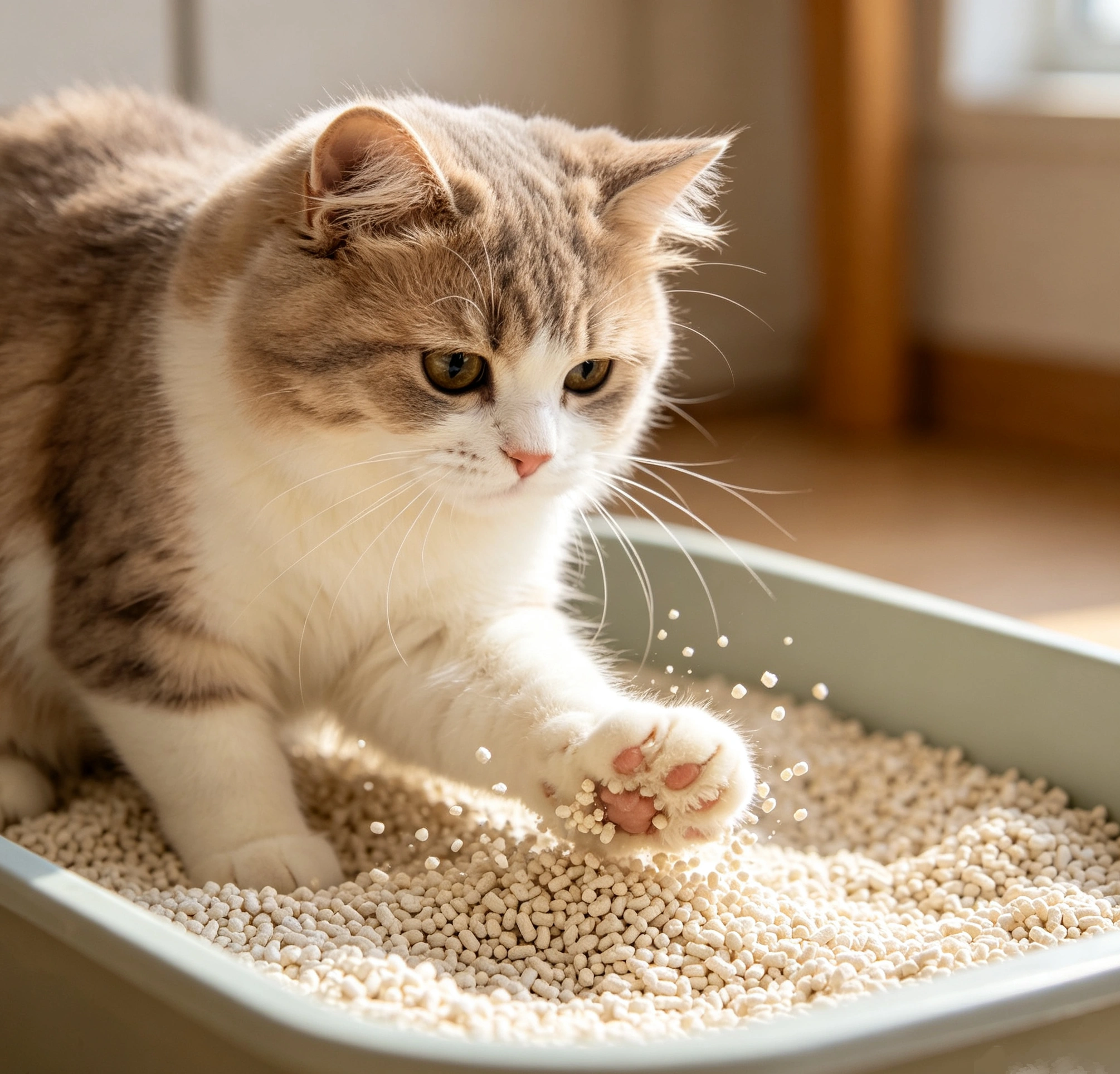
Cat Litter Production Line
Machines Provided
Rotary Drum and Churning two-in-one granulator is a kind of high-efficiency equipment integrating rotary drum granulator and churning tooth granulator, which is widely used in fertilizer production line. This is the Countermeasure for Fertilizer Export Quota Restrictions.
Rotary Drum and Churning two-in-one granulator combines the advantages of rotary drum granulator and stirring tooth granulator, featuring fast granulation speed, even granules, smooth operation, low energy consumption and long service life.
Two-in-one granulator is suitable for cold and hot granulation as well as large-scale production of high, medium and low concentration compound fertilizers, which is the ideal choice for modern agriculture and industry to improve the efficiency and quality of fertilizer production.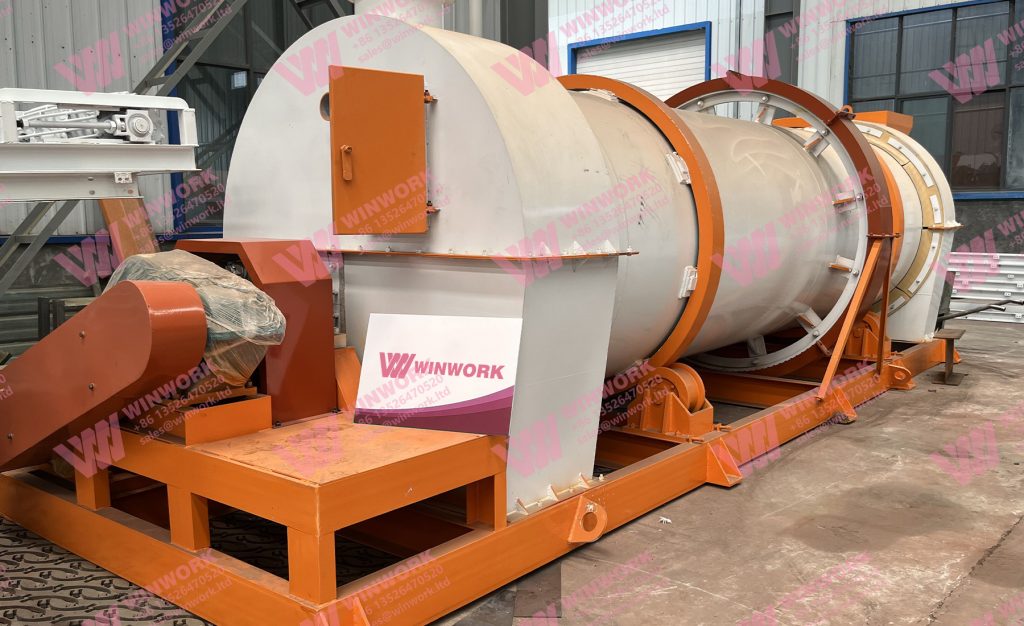
The disc granulator starts smoothly and reduces the impact force, thus prolonging the service life of the equipment. The pelletizing disc disk bottom is added with multiple radial steel plates, which strengthens the sturdiness of the equipment and ensures that it will never be deformed.
The base is designed to be thickened and weighted without the need of ground bolt fixing to ensure smooth operation. And the main gear is quenched by high frequency, and the service life is doubled. This is the Countermeasure for Fertilizer Export Quota Restrictions.
Disc granulator has the advantages of even granulation, high rate of ball formation, smooth operation, easy to operate, long service life, etc. It is an important equipment in compound fertilizer production line and cat litter production line.
Rotary drum granulator is a kind of high efficient molding machinery, which can process raw materials into specific shapes of particles. As the core equipment of compound fertilizer production line, rotary drum granulator is suitable for cold and hot granulation as well as large-scale production of high, medium and low concentration compound fertilizer.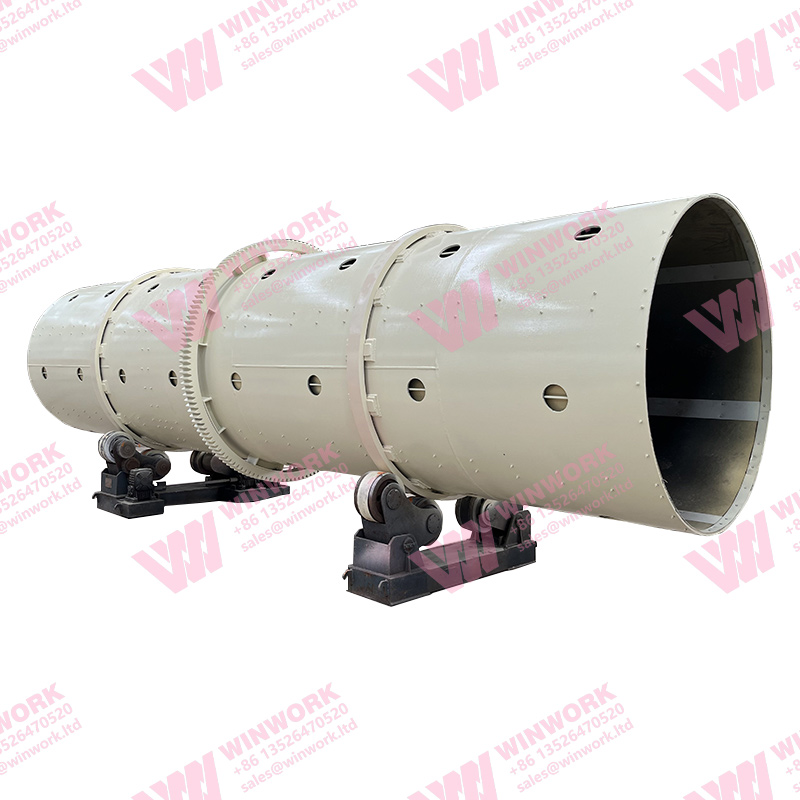
FAQ: Fertilizer Export Quota Restrictions
Q1: Is the export ban permanent?
A: Usually not. Most restrictions are dynamic. They are often tied to domestic seasonal demand (like spring plowing) or international price volatility. The key is to treat them as cyclical, not permanent . This is the Countermeasure for Fertilizer Export Quota Restrictions.
Q2: Can I export small packages of fertilizer?
A: This has become much harder. Regulations have tightened the definition of “small packages” to prevent companies from splitting bulk shipments to bypass controls. Always check the latest customs classification rules .
Q3: What is the “Window Guidance” system?
A: Think of it as an informal quota. The government might not publish a hard number, but they will “guide” exporters on how much they can ship. Staying within these unwritten guidelines is crucial for a stable business .
Q4: How can I find out about new quota releases?
A: You need to be plugged into the system. Monitor announcements from the Ministry of Commerce (MOFCOM) and industry associations. Often, quotas are allocated based on historical performance and domestic supply fulfillment . This is the Countermeasure for Fertilizer Export Quota Restrictions.
Q5: Are there any fertilizers that are easier to export?
A: Yes. While urea and DAP are heavily restricted, some specialty fertilizers, certain types of ammonium sulfate, and bio-stimulants may face fewer barriers. Always consult the latest restricted items list .
Conclusion
The era of unrestricted, high-volume fertilizer exports is taking a backseat to national food security. But for the agile business leader, this isn’t a dead end—it’s a detour to a more sustainable and diversified future. By adopting these countermeasures for fertilizer export quota restrictions, you can protect your margins, secure your market share, and build a resilient business that can weather any regulatory storm. Don’t just wait for the borders to open; build a business that thrives whether they do or not. This is the Countermeasure for Fertilizer Export Quota Restrictions.
For more details, please feel free to contact us.
Email: sales@lanesvc.com
Contact number: +8613526470520
Whatsapp: +8613526470520

Get A Quote