

Introduction
Tired of volatile fertilizer prices and supply chain nightmares? The answer lies in Taking the initiative in core fertilizer productions. This comprehensive guide breaks down the massive advantages of producing your own nutrients, walks you through the step-by-step process of how to do it, and outlines the essential conditions for success. Whether you are a farmer looking to cut costs or an entrepreneur eyeing a new venture, Taking the initiative in core fertilizer production is the strategic move that puts you back in control of your growth and your profits.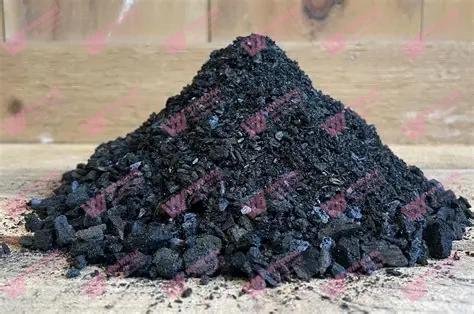
Why You Need to Take Charge
For decades, farmers and growers have been at the mercy of global supply chains. When international shipping gets delayed or raw material prices spike, your operation suffers. But there is a powerful alternative. We are talking about Taking the initiative in core fertilizer productions. This isn’t just about saving a few dollars on bags of feed; it’s about transforming a major operational expense into a controlled, value-generating asset. By producing your own fertilizer, you insulate your business from market volatility and ensure a consistent supply of high-quality nutrients tailored exactly to your soil’s needs. Taking the initiative in core fertilizer productions is the first step toward true agricultural independence.
The Unbeatable Advantages of Self-Production
Why should you consider making your own fertilizer? The benefits go far beyond simple cost savings, though those are significant.
Massive Cost Reduction:
Commercial fertilizers come with a heavy markup for branding, packaging, and transportation. When you produce on-site, your primary “cost” is often waste material (like manure or crop residue) that you already have or can source cheaply. Taking the initiative in core fertilizer production allows you to bypass the retail middleman entirely. You are converting low-value waste into a high-value input, effectively printing your own farm supplies.
Customization and Quality Control:
Every field is different. Off-the-shelf fertilizers offer a one-size-fits-all solution that might not be perfect for your specific soil deficiencies. When you control the process, you can blend precise ratios of Nitrogen, Phosphorus, and Potassium (NPK) to match your soil test results. This precision leads to healthier plants and higher yields. Taking the initiative in core fertilizer production means you know exactly what is in your food chain, eliminating the risk of contaminated or substandard imported products.
Environmental Sustainability:
Self-production is the ultimate form of recycling. You are closing the nutrient loop on your farm. Instead of letting manure pile up and potentially pollute local waterways, you are processing it into a stable, beneficial product. This sustainable practice is a cornerstone of modern regenerative agriculture and enhances your operation’s green credentials. The fertilizer productions needs raw material and your farm can provide this all.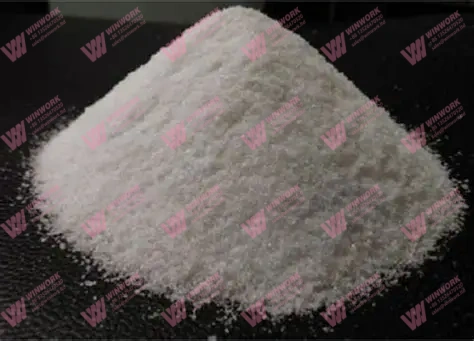
How to Produce Fertilizer Yourself: A Step-by-Step Road Map
The idea of making fertilizer might sound industrial and complex, but the core principles are accessible. Here is a practical guide on how to get started.
Step 1: Source Your Raw Materials
Your primary inputs will be carbon-rich “browns” (straw, sawdust, dried leaves) and nitrogen-rich “greens” (manure, fresh grass clippings, food scraps). The magic ratio is roughly 25-30 parts carbon to 1 part nitrogen. This balance is crucial for effective composting and microbial activity.
Step 2: The Composting Process
This is the foundational step. You need to pile your materials and manage three key factors: Moisture, Aeration, and Temperature.
Moisture: Your pile should feel like a wrung-out sponge. Too dry, and microbes go dormant; too wet, and it becomes anaerobic and smelly.
Aeration: You must turn your pile regularly (every 3-7 days) to introduce oxygen. This fertilizer productions can be done with a simple pitchfork for small piles or a tractor-drawn windrow turner for larger operations.
Temperature: A hot compost pile (130°F – 150°F) will kill weed seeds and pathogens. Monitoring with a compost thermometer is essential.
Step 3: From Compost to Concentrated Fertilizer
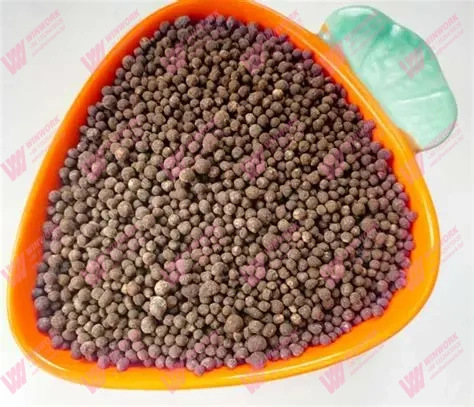
While compost is a fantastic soil conditioner, you may want a more concentrated product. This is where Taking the initiative in core fertilizer productions moves into value-added territory. You can create “compost tea” by steeping finished compost in water, creating a liquid fertilizer. For solid fertilizers, you can further process compost by drying and grinding it into a fine powder, which can then be granulated for easy application.
Step 4: Granulation (The Pro Move)
If you want a product that competes with commercial brands, you need to turn your powder into hard, uniform granules. This requires specific equipment (discussed below) but allows for even spreading and a professional finish. Taking the initiative in core fertilizer productions at this level opens up the possibility of selling excess product to neighbors, turning your cost center into a profit center. And it can be the final step of your fertilizer productions if you don’t need to store or sell it.
Detail Process
Raw material treatment: because organic waste is usually not easy to decompose, and contains some harmful substances to the soil, so it needs to be fully cooked and fermented, decomposition to remove the harmful substances, the formation of nutrient-rich humus. At this stage, the organic fertilizer productions line researched and developed by our company can deal with this problem well by using compost turning machine and fermentation tank.
Through the compost turner, the material heap which has been sown with bacteria is turned, broken up and stirred, so as to promote the fermentation and maturation of the material, microbial growth and reproduction, and reduce the environmental pollution.
Through the fermentation tank, the material can be anaerobic, temperature-controlled treatment, to ensure that the material can be quickly fermented and ripened, the formation of organic fertilizer can be manufactured raw materials.
Raw material processing stage: after composting and fermentation of raw materials with rich organic matter, can effectively improve the quality of soil, and enhance the fertilizer productions of crops, but still not easy to save and transport, and can not be stored for a long time, we need to further processing.
The use of crusher, through the crusher internal high-speed rotating blades and chains, the fermentation of the material to complete the grinding, the formation of easy-to-handle powder, and then sent to the mixer after the full mixing and stirring, so that the material is more uniform, in this step can also add some necessary ingredients, such as additives, adhesives and so on.
Granulation: The processed powder will be sent into the churning teeth granulator through the belt conveyor, and the churning teeth rotating at high speed in the cylinder will mix, bond and cut the materials to form compact granules and push them backward to the discharge port to send them out.
Drying and cooling: By entering the dryer and cooler, the moisture of the granule is reduced and the hardness and stability of the granule is increased.
Screening: After drying, the granules enter the sieving machine to sieve out the granules that don’t meet the fertilizer productions standard and return them to be crushed and granulated again to improve the utilization rate, and at the same time, send out the granules that meet the fertilizer productions requirements.
Finished product processing: finished particles can be added according to customer demand for film wrapping machine or packaging machine, to further enhance the fertilizer productions effect, to ensure the quality of the finished product.
Now you know the fertilizer productions, and you can start check whether your fields suited for this.
The Conditions for Success: What You Need to Get Started
You can’t just pile up waste in your backyard and call it a business. To do this right, you need to meet several key conditions.
Space and Infrastructure:
You need adequate space for windrows or a contained vessel system. This area must have proper drainage to prevent nutrient runoff during rain. You also need a hard, level surface for any machinery you plan to use. For larger operations, a simple pole barn or hoop house can protect your investment from the elements.
The Right Equipment:
Efficiency is key. While you can start with a pitchfork, scaling up requires mechanization. Essential equipment includes:
A Compost Turner: This is the workhorse that aerates and mixes your piles. It is the first step for fertilizer productions.
Crawler compost turner is an advanced compost turning equipment, specially designed for compost fermentation process, with the advantages of high efficiency, stability, easy operation and so on.
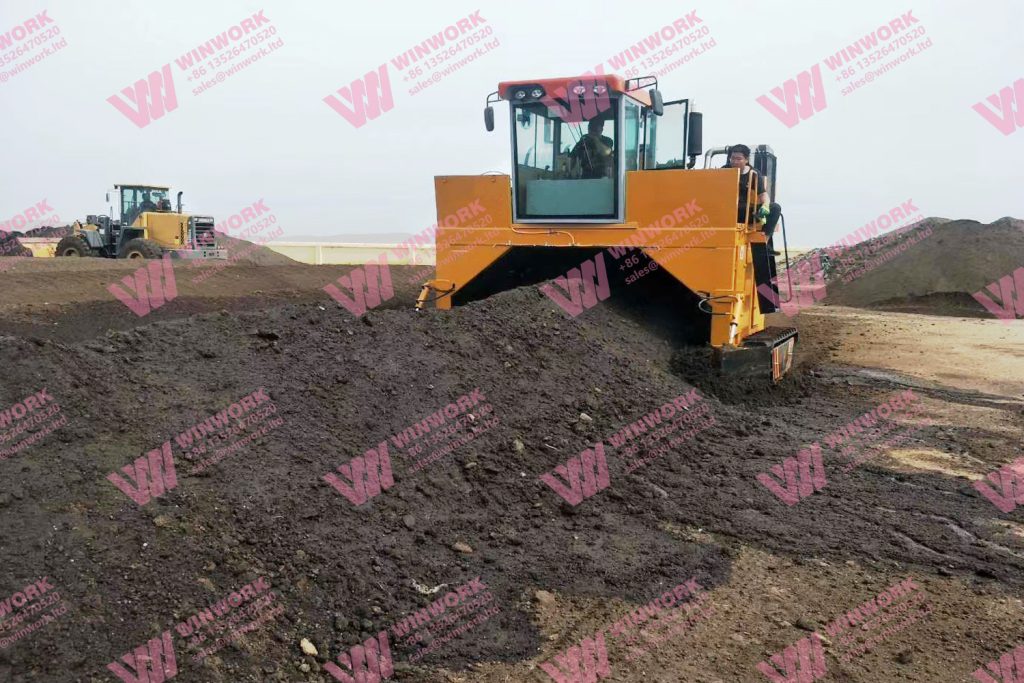
Crawler compost tumbler realizes automatic operation through crawler walking system, which is the necessary equipment for producing organic fertilizer granules and widely used in organic fertilizer productions line.
Crawler compost turner can not only quickly improve the fermentation efficiency of materials, but also effectively improve the quality of compost, is the first choice of modern compost fertilizer productions equipment.
A Crusher/Grinder: To break down coarse compost into a fine texture.
A Mixer: To blend your compost with any mineral amendments (like rock phosphate or potash) for a custom NPK blend.
A Granulator: To form the powder into pellets.
Rotary Drum and Churning two-in-one granulator is a kind of high-efficiency equipment integrating rotary drum granulator and churning tooth granulator, which is widely used in fertilizer productions line.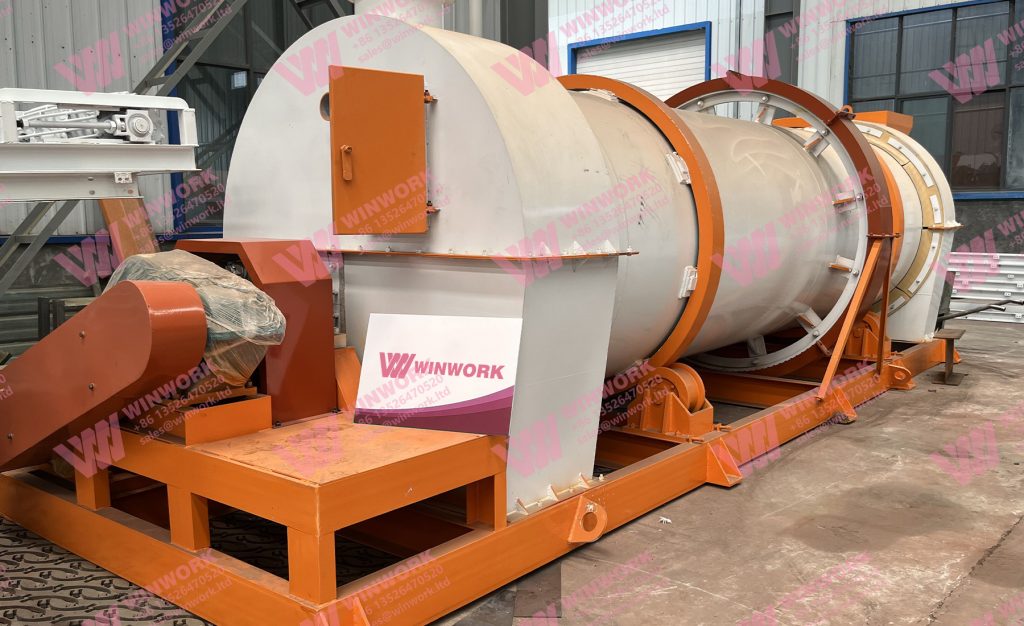
Rotary Drum and Churning two-in-one granulator combines the advantages of rotary drum granulator and stirring tooth granulator, featuring fast granulation speed, even granules, smooth operation, low energy consumption and long service life.
A Screener: To separate fine dust from quality granules, ensuring a uniform product.
Knowledge and Patience in fertilizer productions:
Fertilizer productions is a biological process, not a chemical one. You need to understand the science of decomposition. This means learning to read your pile—knowing when it needs water, when it needs turning, and when it’s fully cured. Taking the initiative in core fertilizer production requires a commitment to learning this craft.
Regulatory Compliance:
Depending on your scale and whether you plan to sell, you may need permits. This can include environmental permits for odor control and water runoff, as well as a fertilizer registration or license if you are selling to the public. Always check with your local Department of Agriculture. This is the fertilizer productions.
FAQ: Fertilizer Productions
Q: Is it legal to make and sell my own fertilizer?
A: Generally, yes, but you must comply with state and federal regulations. This fertilizer productions usually involves registering your product, providing a label with guaranteed analysis (NPK values), and ensuring it doesn’t contain any banned substances. Taking the initiative in core fertilizer productions for personal use has almost no red tape, but scaling to sales requires following the rules.
Q: How long does it take to make fertilizer?
A: The composting process typically takes 3 to 6 months to produce a stable, finished product, and the fertilizer productions, depending on your management. Hot composting techniques can speed this up to as little as 4-8 weeks. The additional steps of drying, grinding, and granulating can be done in a matter of days once the compost is ready.
Q: What is the biggest challenge in self-production?
A: Consistency and odor control are the two most common hurdles. Achieving the same nutrient profile batch after batch requires careful record-keeping and testing. Managing odor through proper aeration and carbon-to-nitrogen balance is critical for maintaining good relations with your neighbors.
Q: Can I really compete with big chemical companies?
A: You compete on value, not just price. Your product is fresh, tailored to the local soil, and often more sustainable. Many organic farmers and gardeners are willing to pay a premium for a locally-produced in fertilizer productions, high-quality biological fertilizer. Taking the initiative in core fertilizer production allows you to build a brand based on trust and community connection that massive corporations can’t replicate.
Conclusion: Your Path to Independence
The era of passive consumption is ending. In an unstable world, self-reliance is the ultimate competitive advantage in fertilizer productions. Taking the initiative in core fertilizer productions empowers you to control your costs, customize your nutrition, and contribute to a more sustainable agricultural system. It requires an upfront investment in knowledge and equipment, but the long-term dividends—in resilience, quality, and profitability—are immense. Don’t wait for the next supply chain crisis to act. Start planning your path to fertilizer independence today.
For more details, please feel free to contact us.
Email: sales@lanesvc.com
Contact number: +8613526470520
Whatsapp: +8613526470520

Get A Quote