

Introduction
If you’ve ever sipped a truly exceptional cup of tea—the kind that coats your throat with sweetness and lingers for minutes—you’ve tasted the result of healthy soil. For centuries, tea farmers have known a secret that modern agriculture is just rediscovering: the best tea comes from living earth. The key to unlocking this potential is mastering organic fertilizer application in tea gardens. This isn’t just about swapping chemicals for compost; it’s about fundamentally changing how your garden breathes, feeds, and ultimately, how it flavors the water.
Is Organic Fertilizer Right for Tea Gardens?
The short answer? A resounding yes. Tea plants (Camellia sinensis) are notoriously fussy. They hate “wet feet” (waterlogged roots) and “chemical feet” (salts from synthetic fertilizers). They crave a delicate balance of nutrients in a soil that drains well yet holds moisture. This is precisely where organic fertilizer application in tea gardens shines. So we need Organic Fertilizer Application in Tea Gardens.
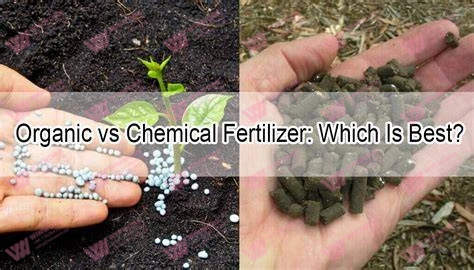
Unlike synthetic fertilizers that give a quick, harsh jolt of nitrogen, organic fertilizers release nutrients slowly, mimicking the natural forest floor where tea plants evolved. They feed the soil microbes, which in turn feed the tea plant. If you want vibrant bushes and complex flavor profiles, you cannot skip organic fertilizer application in tea gardens. The application of organic fertilizers can reduce soil damage caused by chemical agents, which is often irreversible.
Explanation to Organic Fertilizer
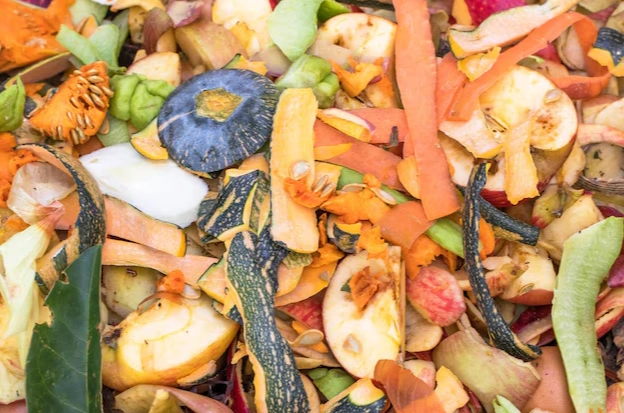
The organic fertilizer production line is a complete set of equipment and processes that convert organic waste such as livestock manure, crop straw, etc. into efficient organic fertilizers.
The main equipment of the organic fertilizer production line has various uses and production processes as follows:
Raw material processing equipment
Dryer: used to reduce the moisture content of the raw material to a level suitable for fermentation.
Crushing equipment: such as vertical crusher, horizontal crusher, etc., used to crush the raw material to a suitable particle size.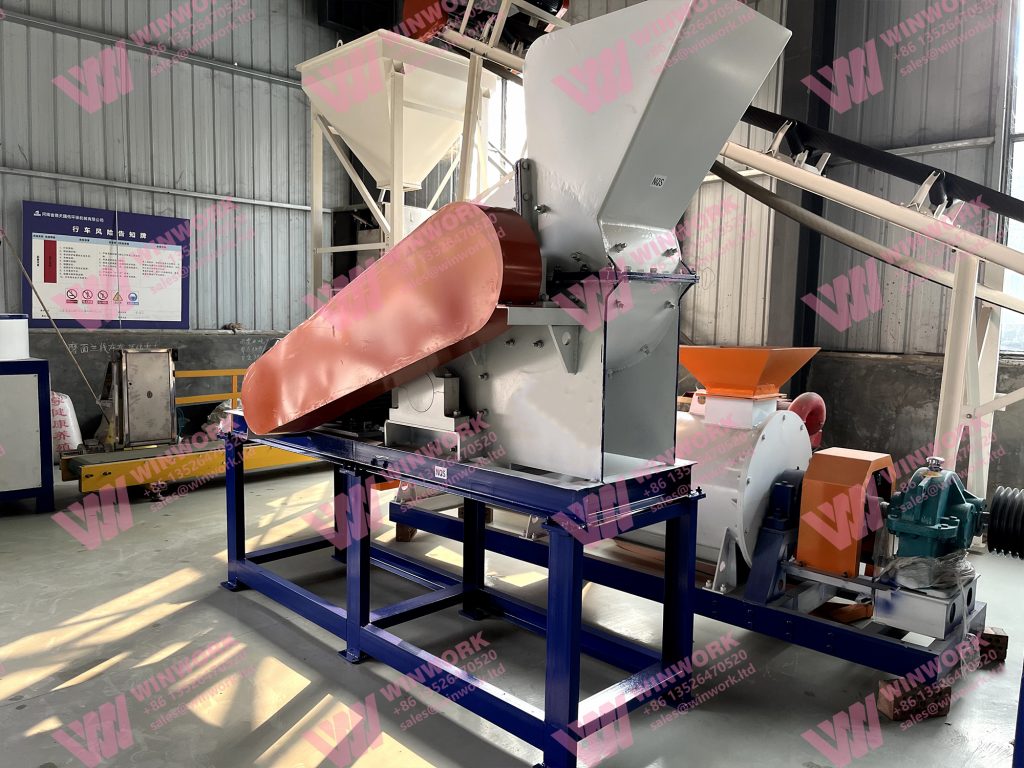
Mixing equipment: such as horizontal mixer, double-shaft mixer, etc., used to mix the raw material, strain and auxiliary materials evenly. So we need Organic Fertilizer Application in Tea Gardens.
The Golden Rules of Organic Fertilizer Application in Tea Gardens
You can’t just toss a handful of manure at the base of a tea bush and call it a day. Proper organic fertilizer application in tea gardens follows a few critical rules to avoid root burn and maximize uptake.
Timing is Everything
Tea plants have two major growth flushes (spring and summer) and a dormant period (winter).
Spring Awakening (Pre-flush): This is your most important application. As the first buds swell, the plant is hungry. Apply a balanced, nitrogen-rich organic fertilizer to kickstart growth. The nitrogen content in organic fertilizers, particularly manure, is exceptionally abundant.
Summer Boost (Post-harvest): After the first harvest, the plant is exhausted. A second, lighter application helps it recover and prepare for the autumn growth.
Winter Rest: Do not apply heavy fertilizers in winter. You can top-dress with compost or mulch, but avoid stimulating new growth that frost will kill.
The Method: Ring, Not Pile
Never pile fertilizer directly against the main stem (the “crown”) of the tea plant. This causes rot and burn.
The Donut Method: Apply fertilizer in a ring around the outer edge of the plant’s canopy (the drip line). This is where the feeder roots are actively searching for food.
Incorporation: Lightly scratch the fertilizer into the top inch of soil with a hoe or rake. This prevents it from washing away in the rain and helps it start breaking down. So we need Organic Fertilizer Application in Tea Gardens.
What to Use: The Best Ingredients
Not all manures are created equal for tea. Tea plants prefer slightly acidic soil (pH 5.5-6.5).
Well-Rotted Compost: The king of all organic fertilizers. It provides a balanced meal.
Aged Manure (Cow/Horse): Excellent for structure and slow-release nitrogen. Must be fully composted.
Chicken Manure (Composted): Very high in nitrogen. Use sparingly and always composted.
Blood Meal: A fast-acting, high-nitrogen amendment for spring.
Rock Phosphate or Bone Meal: Provides phosphorus for strong root development and flowering (yes, tea flowers!).
Kelp Meal: Provides potassium and trace minerals for flavor development.
The Payoff: Benefits of Going Organic
Investing time in organic fertilizer application in tea gardens pays off in ways you’ll see, smell, and taste.
Explosive Growth: Healthy soil means vigorous, bushy growth and more tips to harvest.
Unbeatable Flavor: Organically grown tea has a complexity and “mouthfeel” that chemical-grown tea can’t replicate.
Living Soil: Your garden becomes a web of worms, fungi, and microbes that work for you 24/7.
Disease Resistance: Strong plants resist fungal diseases like blister blight much better. So we need Organic Fertilizer Application in Tea Gardens.
Water Retention: Organic matter acts like a sponge, holding water during droughts and draining it during monsoons.
Equipment for Efficient Application
You don’t need a factory, but a few tools make organic fertilizer application in tea gardens much easier and more precise:
Wheelbarrow or Garden Cart: For transporting heavy compost and manure.
Broadfork or Garden Fork: To aerate the soil before application, allowing nutrients to penetrate.
Hori-Hori Knife or Hand Trowel: For precise application around individual bushes. So we need Organic Fertilizer Application in Tea Gardens.
Leaf Rake or Landscape Rake: To scratch the fertilizer into the soil surface.
Compost Sifter (optional but awesome): For making a fine, uniform compost tea or top-dressing.
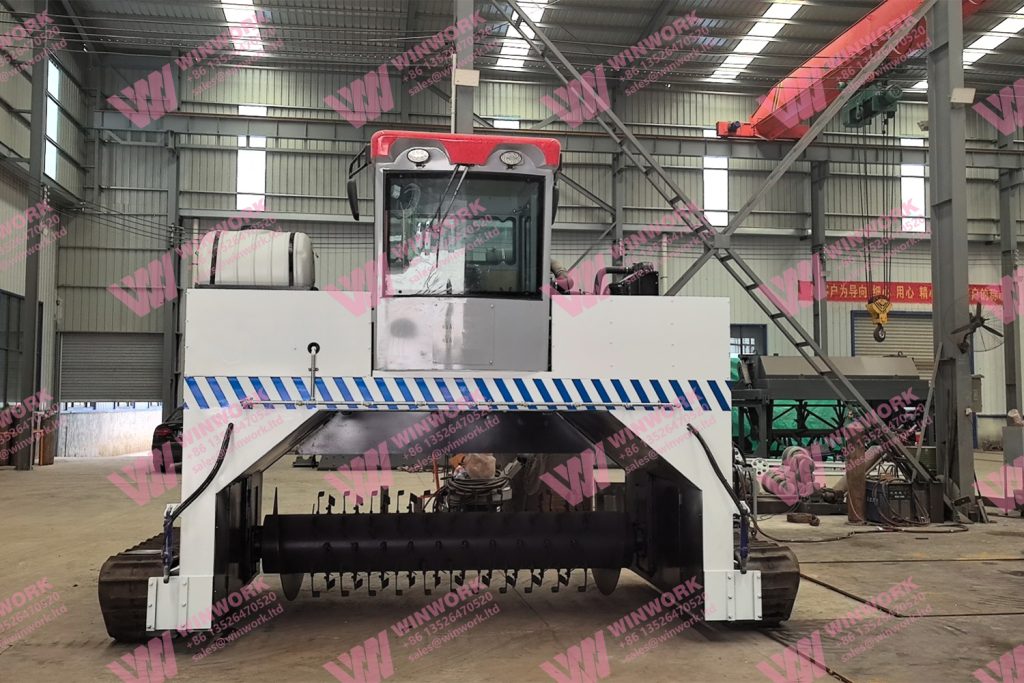
The most useful machine is crawler compost turner, which is very efficient.
Crawler compost turner is an advanced compost turning equipment, specially designed for compost fermentation process, with the advantages of high efficiency, stability, easy operation and so on.
Crawler compost tumbler realizes automatic operation through crawler walking system, which is the necessary equipment for producing organic fertilizer granules and widely used in organic fertilizer production line. So we need Organic Fertilizer Application in Tea Gardens.
Crawler compost turner can not only quickly improve the fermentation efficiency of materials, but also effectively improve the quality of compost, is the first choice of modern compost production equipment.
Real Garden Example: The Misty Mountain Estate
The owners of the Misty Mountain Estate in Sri Lanka were struggling. Their tea was lackluster, and their soil was hardpan. They committed to a strict regimen of organic fertilizer application in tea gardens.
They brewed their own compost tea from garden clippings and cow manure.
They applied a top-dressing of composted chicken manure in a ring around each bush every spring.
They mulched heavily with leaves in the fall.
Within two seasons, their tea auction prices increased by 30% due to superior flavor. So we need Organic Fertilizer Application in Tea Gardens. “The secret wasn’t a new variety; it was just consistent, correct organic fertilizer application in tea gardens,” says head gardener Priya.
FAQ: Your Questions About Organic Fertilizer Application in Tea Gardens Answered
Q1: Can I use fresh, raw manure on my tea plants?
A: Absolutely not. Fresh manure is too high in ammonia and salts. It will burn the delicate roots of your tea plants and can kill them. Always use fully composted manure.
Q2: How much fertilizer does one tea bush need?
A: It depends on the age and size. A mature bush might need 2-3 pounds of composted material per application. A young plant needs much less. Start small and observe.
Q3: Will using compost attract rats or snakes?
A: Properly composted material should not attract pests. If it smells bad or is fresh, it will. A well-maintained compost pile and tidy garden floor are your best defense.
Q4: My soil is already acidic. Do I still need special fertilizer?
A: Yes. Organic fertilizer application in tea gardens is about more than just pH. It’s about feeding the microbial life that thrives in acidic conditions, which synthetic fertilizers often kill.
Q5: Can I just use grass clippings as mulch?
A: Yes, but use them sparingly. Grass clippings can mat down and create a slimy, anaerobic layer if applied too thickly. Mix them with leaves or straw for best results.
Q6: How is this different from fertilizing a vegetable garden?
A: Vegetable gardens often prefer a more neutral pH and can handle “hotter” fertilizers. Tea gardens need that slow, acidic, gentle feed. The method of organic fertilizer application in tea gardens is tailored to the plant’s specific biology.
Q7: When is the worst time to apply fertilizer?
A: Late fall or winter. Applying nitrogen just before a freeze will force tender new growth that will be killed by frost, stressing the plant.
Conclusion
Great tea isn’t made in the factory; it’s grown in the garden. By committing to thoughtful and consistent organic fertilizer application in tea gardens, you are doing more than just feeding plants—you are cultivating an ecosystem. You are building soil that is alive, resilient, and capable of producing leaves that brew into a cup of unparalleled depth and character. Stop thinking of fertilizer as a chore and start seeing it as the craft of cultivation.
For more details, please feel free to contact us.
Email: sales@lanesvc.com
Contact number: +8613526470520
Whatsapp: +8613526470520

Get A Quote