


Introduction
Walk into any farm supply store today, and you’ll see the same unsettling sight: empty bins where bags of nitrogen and phosphate used to sit. Currently, the import and export of fertilizers are subject to strict controls, severely impacting countries that rely on chemical fertilizer imports. How should they address this issue? For decades, farmers played a global game, relying on cheap imports from a handful of countries. That game is over.
The crisis of reshaping fertilizer supply chains isn’t just a logistical headache; it’s the single biggest business opportunity for agricultural producers in a generation. While others panic about what they can’t buy, smart farmers are figuring out what they can produce, sell, and profit from.
When problems arise, new solutions are inevitably developed. While import restrictions emerge, new opportunities will also arise. However, those who can seize these opportunities will gain control over the new fertilizer supply chain.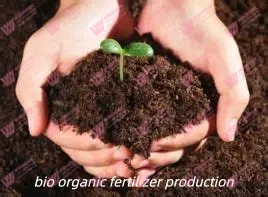
Why the Global Fertilizer Chain Snapped
To understand the opportunity in reshaping fertilizer supply chains, you need to know why the old system failed. It wasn’t an accident; it was a setup for failure.
Geopolitical Blackmail: A small number of nations control the majority of key fertilizer exports. When conflicts arise or export bans are enacted, the world feels the pinch instantly.
Energy Dependence: Modern synthetic fertilizers, especially nitrogen, are essentially “bags of energy” made from natural gas. When energy prices skyrocketed, fertilizer production became economically unviable for many overseas producers.
Logistical Gridlock: A shortage of ships and sky-high freight costs made importing bulky, low-margin products like fertilizer prohibitively expensive.
This collapse creates a void. And in that void lies the immense potential of reshaping fertilizer supply chains to favor local, resilient systems.
There is both pressure and opportunity, with the key lying in whether one can seize this opportunity and how to do so then can achieve success.
The Core Opportunity: What Reshaping Fertilizer Supply Chains Actually Means
So, what does it mean to reshape the chain? It means reversing the flow. Instead of nutrients flowing in from thousands of miles away, they are produced, processed, and consumed within a local or regional loop.
The primary opportunities brought by reshaping fertilizer supply chains include:
Hyper-Local Production: Transforming farms from fertilizer usersinto fertilizer producers.
You’ll realize that resources are ultimately in your own hands.
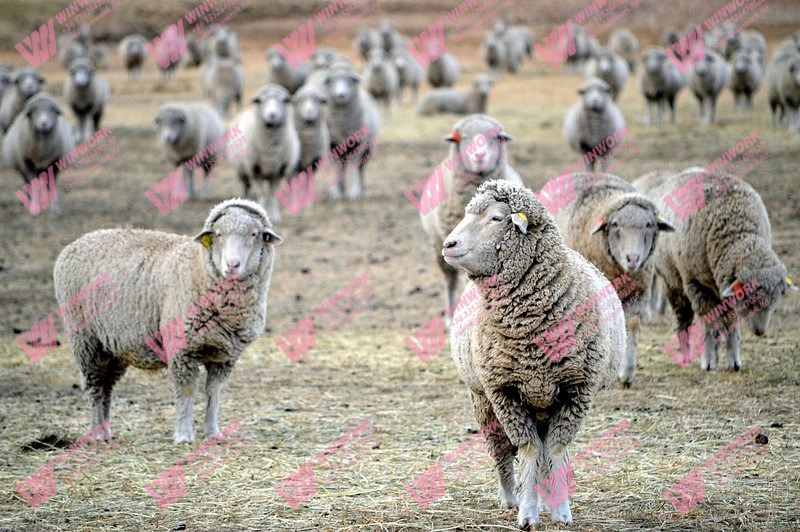
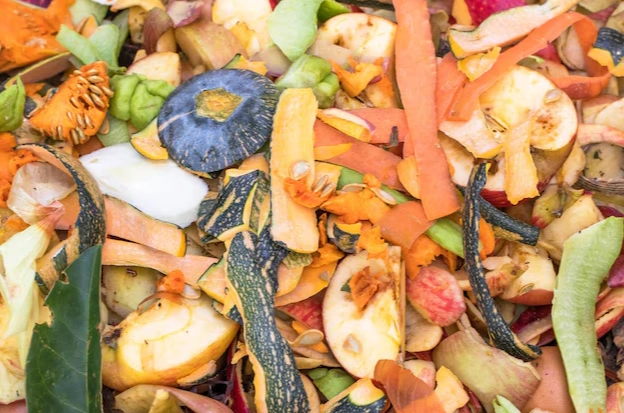
Waste-to-Wealth Conversion: Turning livestock manure, crop residues, and food waste into high-value, pelletized fertilizer.
Crawler compost turner is an advanced compost turning equipment, specially designed for compost fermentation process, with the advantages of high efficiency, stability, easy operation and so on.
Crawler compost tumbler realizes automatic operation through crawler walking system, which is the necessary equipment for producing organic fertilizer granules and widely used in organic fertilizer production line.
Energy Co-Generation: Using anaerobic digesters not just for fertilizer, but for on-farm power.
Supply Chain Shortening: Reducing dependence on fragile international shipping lanes and foreign politics.
How to Capitalize: Building Your Local Nutrient Hub
The process of reshaping fertilizer supply chains starts at the farm level. Here’s how you can get in on the action:
Step 1: Audit Your On-Farm Waste Streams
Stop thinking of manure and crop leftovers as “waste.” The first step in reshaping fertilizer supply chains is recognizing that your livestock manure contains the phosphorus and potassium your crops need. Your job is to unlock it.
Step 2: Invest in Upcycling Equipment
Raw manure is bulky and smelly. To make it a viable product, you need to process it. This is where the real work of reshaping fertilizer supply chains happens.
Use a Solid-Liquid Separator to split slurry into a valuable solid cake and a liquid fertilizer stream.
Use a Rotary Drum Granulator to turn that solid cake into uniform, easy-to-spread pellets that can be bagged and sold.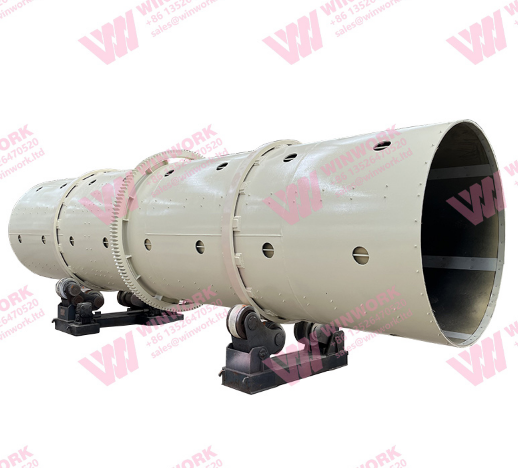
Rotary drum granulator is a kind of high efficient molding machinery, which can process raw materials into specific shapes of particles. As the core equipment of compound fertilizer production line, rotary drum granulator is suitable for cold and hot granulation as well as large-scale production of high, medium and low concentration compound fertilizer.
Use a Compost Turner to sanitize and stabilize organic matter, creating a premium soil amendment.
Step 3: Integrate On-Demand Nitrogen
While you can’t build a Haber-Bosch nitrogen plant in your backyard, you can use Anaerobic Digesters. They don’t produce synthetic nitrogen, but they produce a nutrient-rich digestate and biogas. By using cover crops and legumes in rotation (agroecological practices), you reduce the needfor synthetic nitrogen, completing your local loop.
The Essential Concerns
You know as manures are almost contains a lot of water and they produce moisture when processing, some concerns are necessary, so you can see this liquid production line and think about the procedures.
Liquid Fertilizer Production Line is a set of modern production system integrating automatic control, efficient production and precise proportioning, which is specially used for producing liquid fertilizer. Liquid fertilizer is favored by agricultural growers because of its uniform nutrient composition, fast absorption and convenient use.
The liquid fertilizer production line can realize the automatic operation of the whole process from raw material proportioning, mixing, dissolving, filtering, filling to packaging, which can effectively improve the production efficiency and ensure the stability and quality of the products.
Liquid fertilizer production line equipment composition
Raw material dosing system: responsible for the accurate weighing and transportation of raw materials to ensure that the proportion of each raw material is accurate.
Mixing and Dissolving System: Efficient mixing equipment and dissolving tanks can quickly and evenly dissolve various nutrients in the liquid substrate.
Filtration system: multi-stage filtration equipment ensures the purity of liquid fertilizer and avoids the influence of impurities on product quality.
Automatic filling machine: high-precision filling equipment to ensure consistent capacity of each bottle of liquid fertilizer, fast filling speed and high efficiency.
Capping and packaging machine: automatically complete a series of operations such as capping, labeling, packaging, etc. to ensure that the product is beautiful and well sealed.
Quality inspection system: automated inspection equipment for real-time monitoring and inspection of each batch of products on the production line to ensure stable product quality.
Centralized control system: the whole production line is equipped with PLC control system, which can adjust the production operation at any time.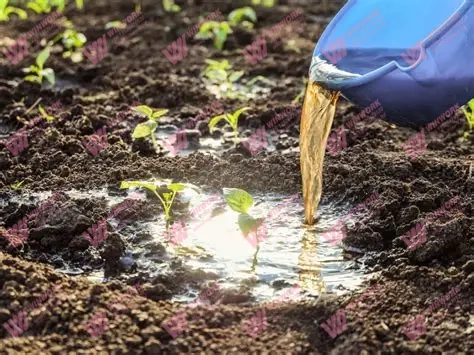
The Tangible Benefits of Reshaping Fertilizer Supply Chains
The advantages of this shift go far beyond just having fertilizer available:
Price Stability: You are no longer at the mercy of volatile global commodity markets or shipping costs.
New Revenue Streams: Sell excess pellets, compost, or electricity to neighbors and local co-ops.
Soil Health Renaissance: Local, organic fertilizers build soil organic matter, improving water retention and reducing erosion—something synthetic fertilizers never did.
National Food Security: Countries that embrace reshaping fertilizer supply chains become less vulnerable to foreign embargoes and trade wars.
Real Farm Example: The “Closed Loop” Farm in Germany
Farmer Hans Müller runs a 300-hectare mixed farm in Bavaria. Tired of unpredictable prices for imported urea, he decided to bet on reshaping fertilizer supply chains.
He invested in a large-scale anaerobic digester and a pelletizing line.
He now produces enough solid and liquid fertilizer to meet 85% of his own farm’s needs.
He sells the remaining 15% (about 500 tons of pellets) to neighboring vegetable growers.
The biogas powers his entire farm and sells excess electricity back to the grid.
“The crisis of reshaping fertilizer supply chains turned my biggest expense—fertilizer—into my second-largest source of income,” Müller states.
FAQ: Your Questions About Reshaping Fertilizer Supply Chains Answered
Q1: Can a single farmer really make a difference in global supply chains?
A: Individually, no. But collectively, when thousands of farmers adopt local production, it fundamentally alters the market dynamics. That is the essence of reshaping fertilizer supply chains.
Q2: What if I don’t have enough manure for my own fields?
A: That’s an even better reason to get involved! Buy manure from a neighbor, or process municipal green waste. The goal of reshaping fertilizer supply chains is to find the most efficient local source.
Q3: Is this just a trend, or is it permanent?
A: The pressure on global logistics and energy supplies suggests this isn’t a temporary blip. The structural changes from reshaping fertilizer supply chains are likely to be permanent.
Q4: Do I need to be a chemist to do this?
A: Not at all. The beauty of reshaping fertilizer supply chains with organic methods is that nature does the chemistry. You just provide the right conditions (aeration, moisture) with your equipment.
Q5: How do I compete with cheap imported fertilizer?
A: You don’t compete on price alone. You compete on value. Your locally produced fertilizer improves soil structure, reduces erosion, and is free from supply chain risk. Customers will pay a premium for that reliability.
Q6: What about micronutrients?
A: Many are found in rock dust, wood ash, and specific mineral deposits. The push from reshaping fertilizer supply chains is reviving the mining and processing of these local minerals.
Q7: Is this only for big farms?
A: No. A smallholder with a few chickens can produce enough pelletized manure for their garden and sell the surplus. The principles of reshaping fertilizer supply chains apply at every scale.
Conclusion
The era of passively accepting whatever fertilizer arrives on a cargo ship is ending. The era of reshaping fertilizer supply chains is here, demanding action, innovation, and investment. By turning your farm’s waste streams into valuable products, you not only secure your own operation but become a pillar of a new, more resilient local food system.
For more details, please feel free to contact us.
Email: sales@lanesvc.com
Contact number: +8613526470520
Whatsapp: +8613526470520

Get A Quote