

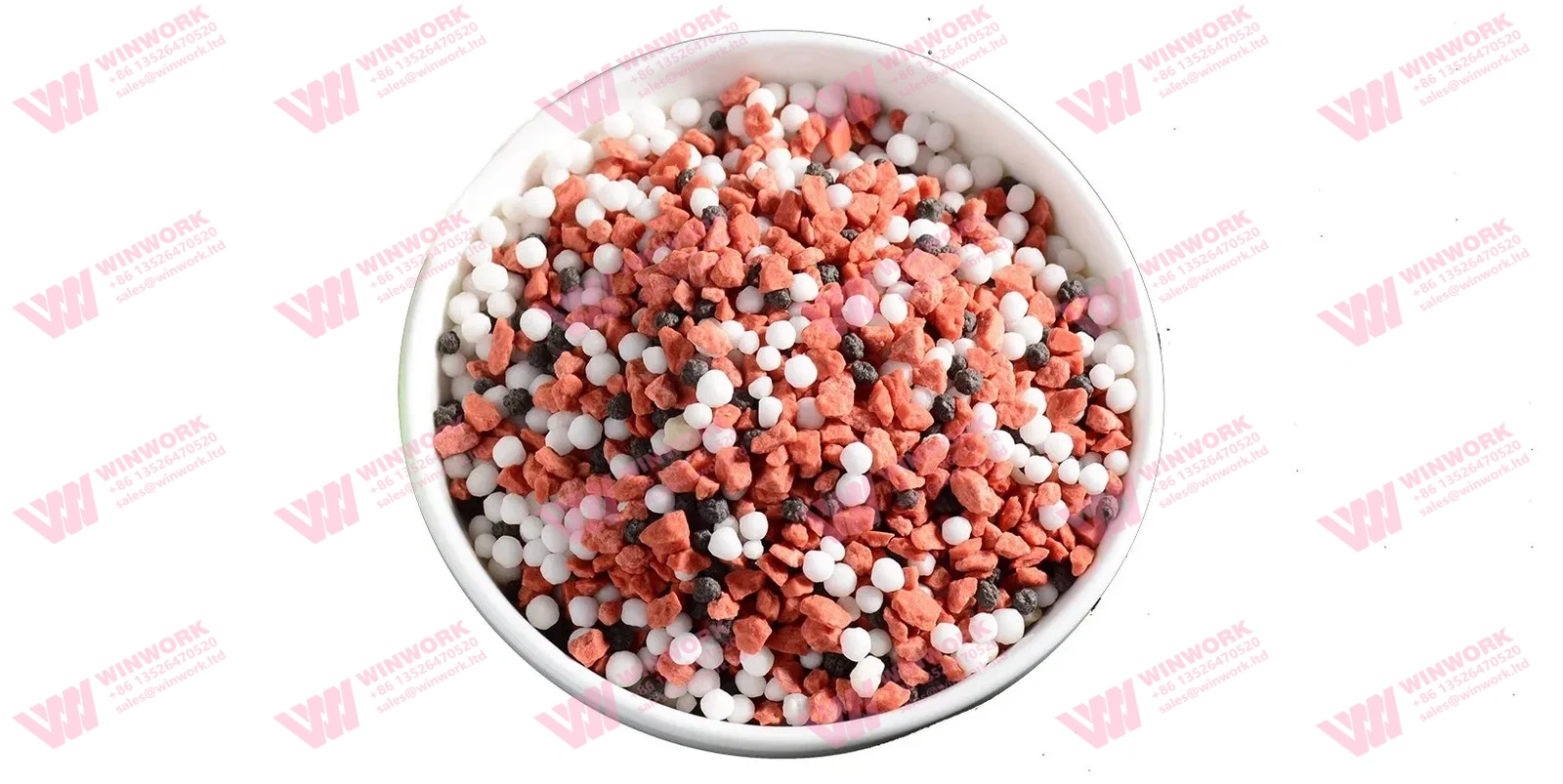
Introduction
Staring at empty shelves where the fertilizer used to be? You are not alone. But what if you could bypass the supply chain entirely? This guide reveals the ultimate Self-rescue solutions amid fertilizer shortages. We’ll show you how to stop waiting for imports and start building your own fertilizer empire using local waste and smart machinery. It’s time to take control of your soil and your profits.
The Import Drought is Real
Let’s be honest: relying on imported bags of NPK is starting to feel like a gamble you can’t afford to lose. When the ships don’t come in, your crops suffer, and so does your wallet. But here is the good news—you don’t need to wait for a foreign shipment to save your harvest. The most effective Self-rescue solutions amid fertilizer shortages involve looking at what is already right under your nose: organic waste.
Instead of being a victim of the global market, you can become the hero of your local economy. By transforming manure, straw, and food scraps into high-quality organic fertilizer, you aren’t just solving a shortage; you are creating a business. This is the definitive guide to implementing Self-rescue solutions amid fertilizer shortages by becoming your own supplier. 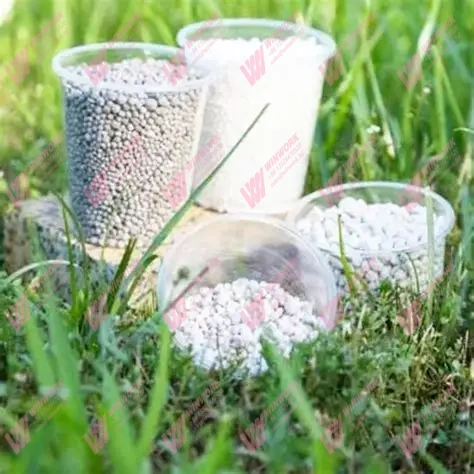
The “Waste-to-Wealth” Strategy
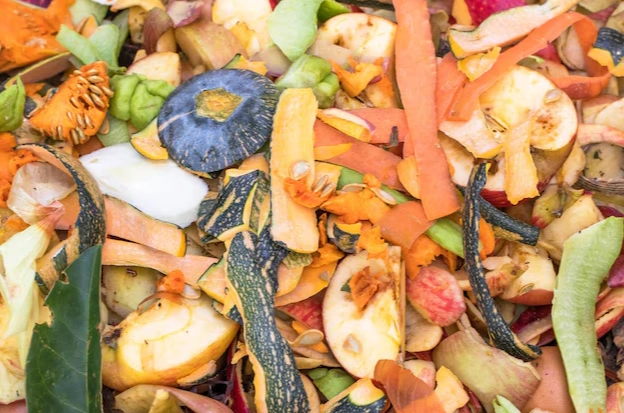
The core philosophy behind modern Self-rescue solutions amid fertilizer shortages is simple: one man’s trash is another man’s treasure. In the agricultural world, “trash” like chicken manure, cow dung, and rice straw is packed with the very nutrients (Nitrogen, Phosphorus, Potassium) that plants crave.
Why this works:
Zero Supply Chain Risk: Your raw materials are local. No ships, no borders, no customs delays.
Cost Efficiency: You can often get waste materials for free or even get paid to take them away from farms or food processing plants.
Soil Health: Unlike harsh chemicals that degrade soil over time, organic fertilizers improve soil structure and water retention.
This approach is the foundation of sustainable Self-rescue solutions amid fertilizer shortages.
Gearing Up: The Equipment You Need
You can’t just pile up manure and hope for the best. To produce a market-ready product that meets quality standards, you need the right mechanical muscle. Here is the lineup of equipment required to execute professional Self-rescue solutions amid fertilizer shortages:
The Fermentation Powerhouse (Compost Turner)
This is where the magic starts. Raw waste needs to decompose aerobically to kill pathogens and weed seeds. A compost turner (either windrow or groove type) mixes the pile, adds oxygen, and speeds up the “cooking” process. Without this, you are just making a smelly pile, not fertilizer. Investing in a good turner is step one for any Self-rescue solutions amid fertilizer shortages.
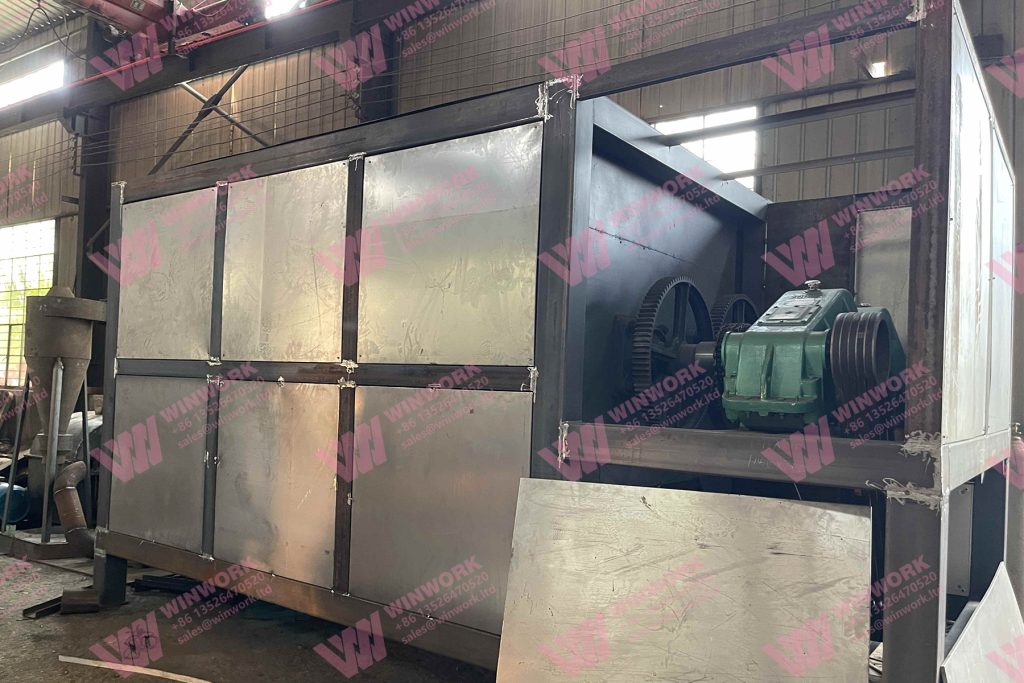
Once fermented, the material often forms clumps. A crusher (or grinder) breaks these down into a fine powder. This ensures uniformity, which is critical whether you plan to sell powder or make granules later.
The Nutrient Mixer
Fertilizer is rarely just one ingredient. You might need to add beneficial bacteria, bentonite (for binding), or other mineral powders. A horizontal mixer ensures every granule has the exact same nutrient profile. Consistency is king in the fertilizer business.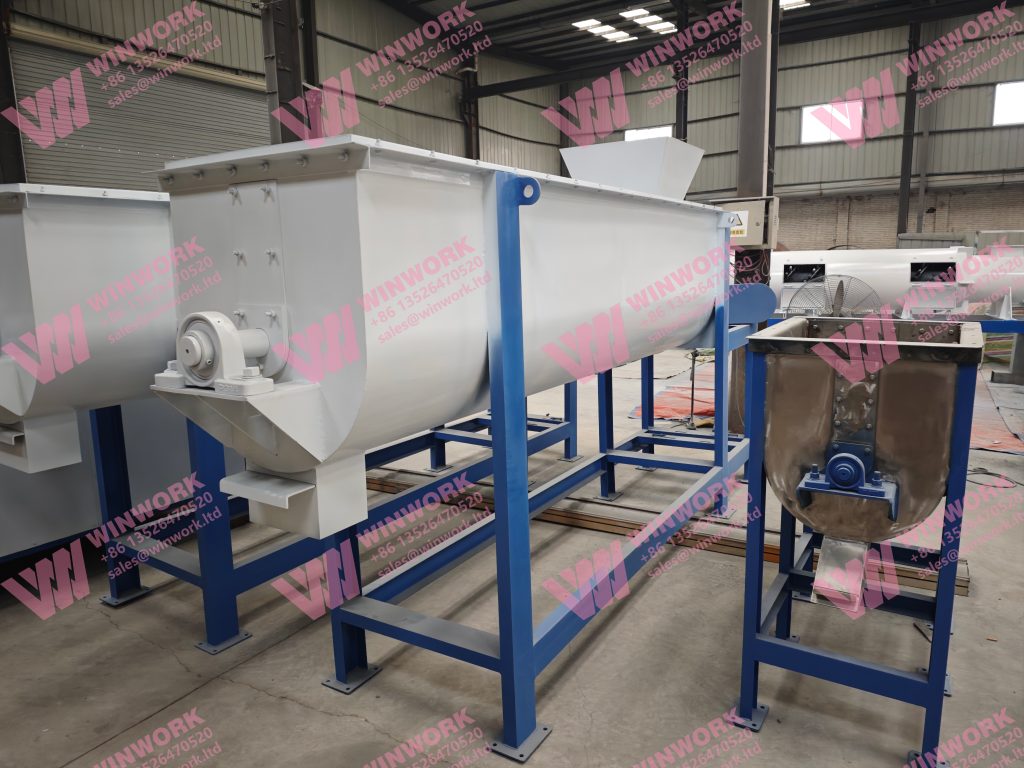
The Granulator (The Money Maker)
While powdered fertilizer is easier to make, granular fertilizer is easier to transport, store, and spread. Machines like the Rotary Drum Granulator or Disc Pan Granulator roll the mixed powder into hard, round pellets. This is the piece of equipment that adds the most value to your Self-rescue solutions amid fertilizer shortages.
The Dryer and Cooler
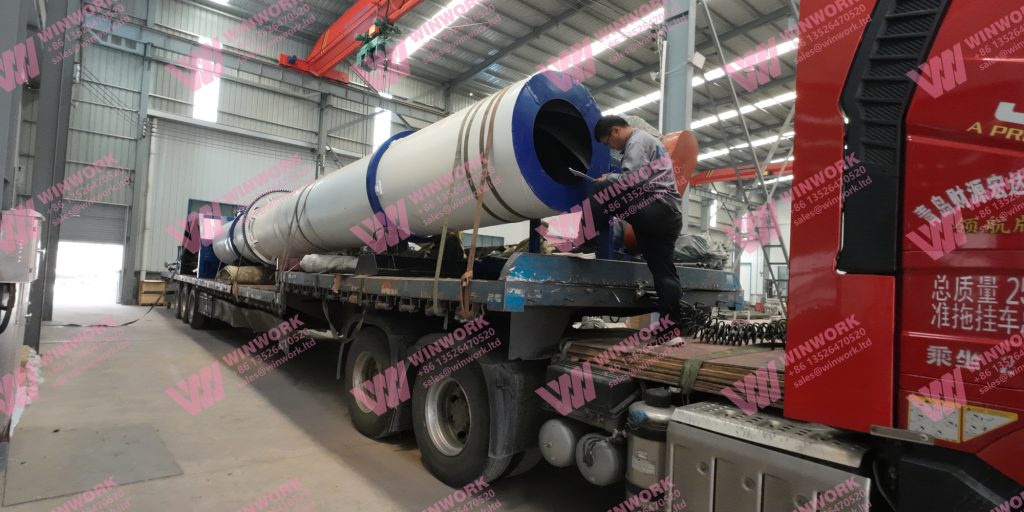
Granulation adds moisture. To ensure your fertilizer doesn’t rot in the bag, you must dry it. A rotary dryer removes excess water, and a cooler brings the temperature down so the bags don’t melt. This step is non-negotiable for shelf-stable products.
The Screener (Quality Control)
Not every pellet comes out perfect. A vibrating screen separates the high-quality “on-size” granules from the dust and oversized chunks. You recycle the rejects back into the mixer. This ensures your final product looks professional.
The Packaging Machine
Finally, you need to weigh and bag your product. An automatic packing scale speeds up the process and ensures accuracy, which builds trust with your customers.
Scaling Your Operation
Starting small is smart. Many entrepreneurs begin with a small-scale line (1-3 tons per day) to test the local market. As demand grows—and it will, because everyone else is also facing shortages—you can scale up. The beauty of these Self-rescue solutions amid fertilizer shortages is that the equipment is modular. You can start with a crusher and turner, and add the granulator and dryer later once you have the cash flow.
FAQ: Solutions amid Fertilizer Shortages
Q1: Is it legal to produce and sell my own fertilizer?
A: Generally, yes, but regulations vary by country and state. You will likely need to register your product and have it tested to prove it meets safety standards (e.g., heavy metal limits). However, the demand for local Self-rescue solutions amid fertilizer shortages often means governments are supportive of new local producers.
Q2: Can I really make money doing this?
A: Absolutely. Your raw materials (waste) are cheap or free. Your operational costs are mainly electricity and labor. With fertilizer prices high due to shortages, your profit margins can be very healthy. This is a classic “buy low, sell high” scenario enabled by Self-rescue solutions amid fertilizer shortages.
Q3: Do I need a degree in chemistry?
A: No. The process is mechanical and biological, not chemical. You need to understand the basics of Carbon-to-Nitrogen ratios, but most of the work is managing the machines and the piles. There are plenty of consultants and equipment suppliers who can guide you.
Q4: What if I don’t have space for a big factory?
A: You can start with a small workshop or even a covered outdoor area. Many of the machines, like the disc granulator, have a small footprint. The key is to start where you are with what you have.
Q5: How long does it take to make the fertilizer?
A: With a compost turner, fermentation takes about 15-20 days. The actual granulation and drying process only takes a few hours per batch. So, from waste to bag, you are looking at about 3-4 weeks.
Conclusion: Be the Solution, Not the Victim
The era of easy imports is facing serious challenges. But for the entrepreneur with vision, this is an opportunity, not a disaster. By implementing these Self-rescue solutions amid fertilizer shortages, you transform from a worried buyer into a confident supplier. You turn local problems (waste) into global solutions (food security).
Don’t wait for the next shipment to arrive. Build your own supply chain. Invest in the equipment, master the process, and become the go-to fertilizer provider in your region. The tools are available, the market is hungry, and the time is now. Take charge with Self-rescue solutions amid fertilizer shortages and watch your fields—and your bank account—flourish.
For more details, please feel free to contact us.
Email: sales@lanesvc.com
Contact number: +8613526470520
Whatsapp: +8613526470520

Get A Quote