

Introduction
You spread a load of fresh manure on your garden beds, excited about the nutrient boost to come. A few weeks later, your seedlings wilt, turn yellow, and develop stubby, discolored roots. Congratulations—you’ve just witnessed root burn, one of the most frustrating outcomes for any grower. The cause? Raw manure applied without proper treatment. If you’ve ever searched for ways of avoiding root burn from raw manure, you’re in the right place. The good news is that root burn is entirely preventable. By understanding what raw manure is, how it changes during composting, and how to apply it safely, you can harness its fertility without harming your plants.
What Is Raw Manure, and Why Is It a Problem?
Raw manure is animal waste that hasn’t been processed or composted. It comes straight from barns, coops, or pastures and contains high levels of ammonium nitrogen, soluble salts, and complex organic compounds. These substances are present in forms that plants can absorb very quickly—too quickly, in fact. When fresh manure sits in direct contact with seeds, seedlings, or tender roots, the concentrated nutrients draw moisture out of root cells and disrupt biochemical balances. The result is dehydration, cellular damage, and the visual symptoms of root burn.
This is the core reason for avoiding root burn from raw manure: the nutrient profile in raw manure is unbalanced and overly aggressive for young or sensitive plants.
What Happens During Composting?
To solve the problem, we turn to composting—a managed decomposition process that transforms raw manure into a stable, plant-friendly product. During composting:
Ammonium nitrogen converts to nitrates – This slower-release form is less likely to shock roots.
Soluble salts leach or bind – Excess salts are either washed out or incorporated into stable organic compounds.
Pathogens and weed seeds die – Heat generated during composting kills most harmful organisms.
Organic matter stabilizes – Complex molecules break down into humus, improving soil structure and water retention.
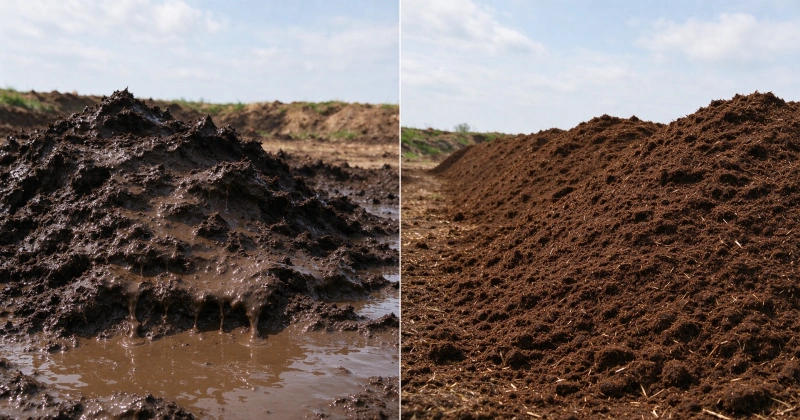
The change in composition is dramatic. Raw manure is a potent but risky fertilizer; composted manure is a gentle, long-lasting soil builder. This transformation is the foundation of avoiding root burn from raw manure.
What Is Root Burn, Exactly?
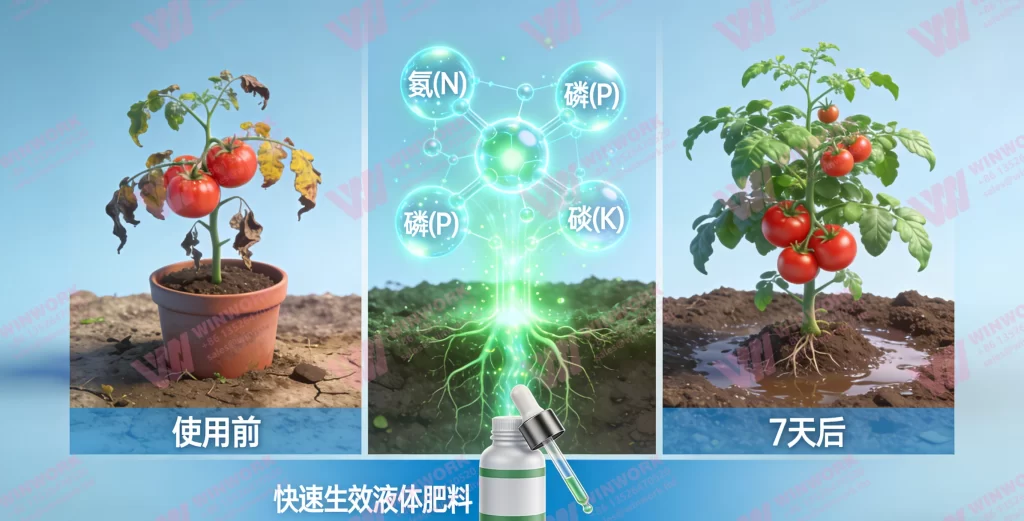
Root burn is a form of fertilizer injury. It occurs when roots encounter nutrient concentrations they can’t process safely. Symptoms include:
Wilting despite adequate moisture
Yellowing or browning of leaf edges
Stunted root growth with dark, brittle tips
Poor overall vigor
In severe cases, plants die because their root systems can’t absorb water or nutrients. The culprit is often excessive soluble nitrogen or salts—exactly what’s abundant in raw manure. That’s why avoiding root burn from raw manure hinges on proper composting and careful application.
All of these causes and reasons are making the crop or the flower go to death, and they can’t gain many fruits and open flowers.
Why Raw Manure Causes Root Burn
Several factors explain why raw manure burns roots:
High Ammonium Content – Fresh manure contains ammonium-N that plants absorb rapidly, generating osmotic stress.
Excess Salts – Soluble salts accumulate around roots, drawing water out of root cells.
Urea Hydrolysis – Urea in manure breaks down into ammonia gas, which can damage root issues.
Lack of Buffering – Raw manure has no organic matter to moderate nutrient release.
These characteristics make raw manure dangerous for direct application, especially near germinating seeds or young transplants. This is the primary scenario where avoiding root burn from raw manure becomes critical.
How to Compost Manure Safely
Composting is the most reliable method for avoiding root burn from raw manure. Here’s a straightforward approach:
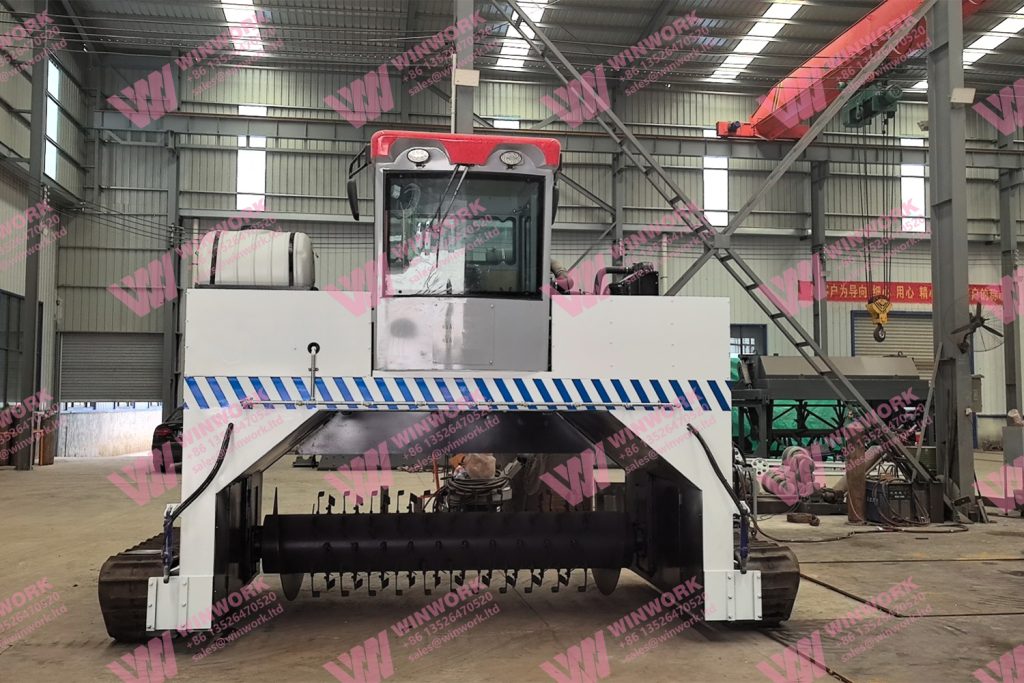
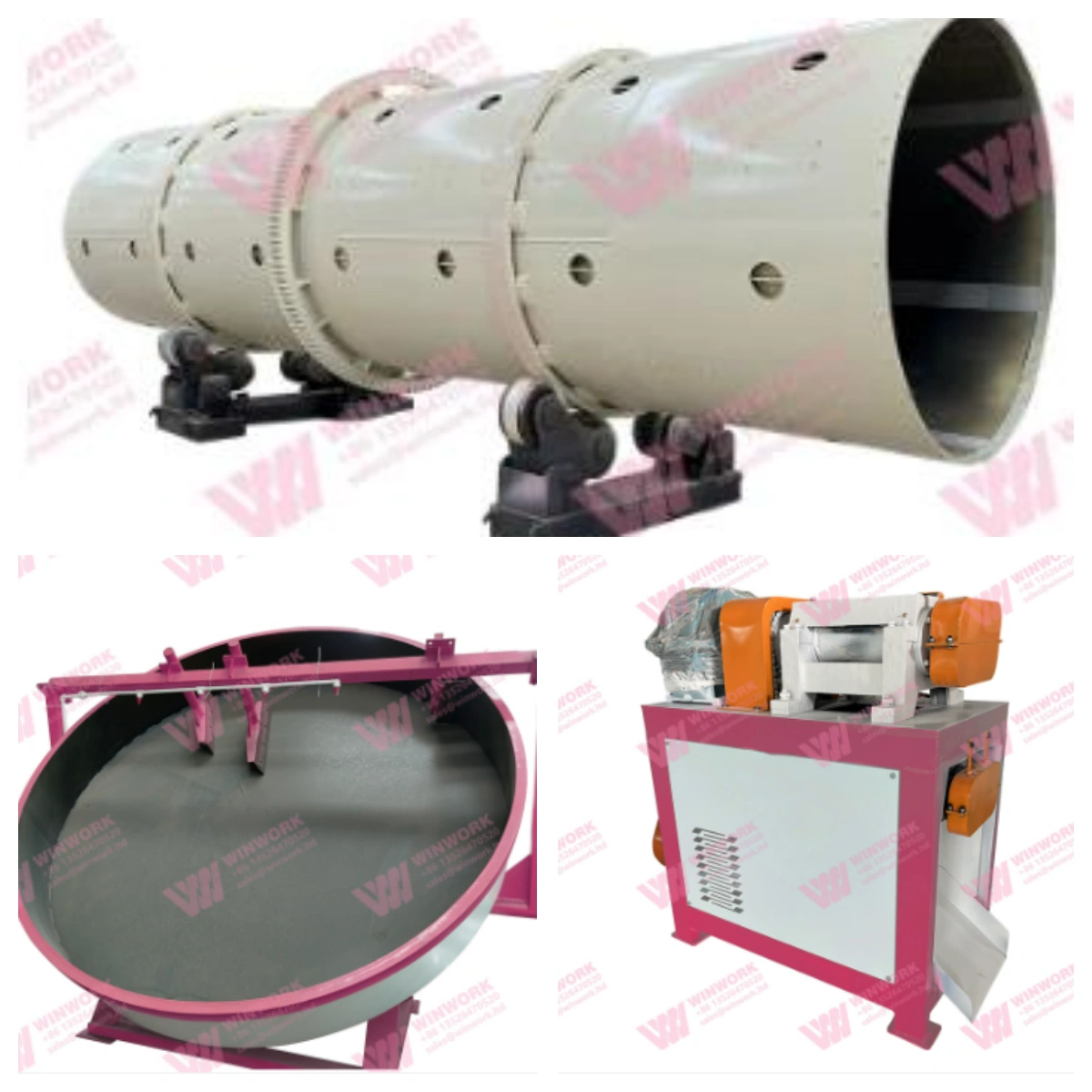
Using the right machine is very important. Next i will introduce some machines to you and showcase for you.
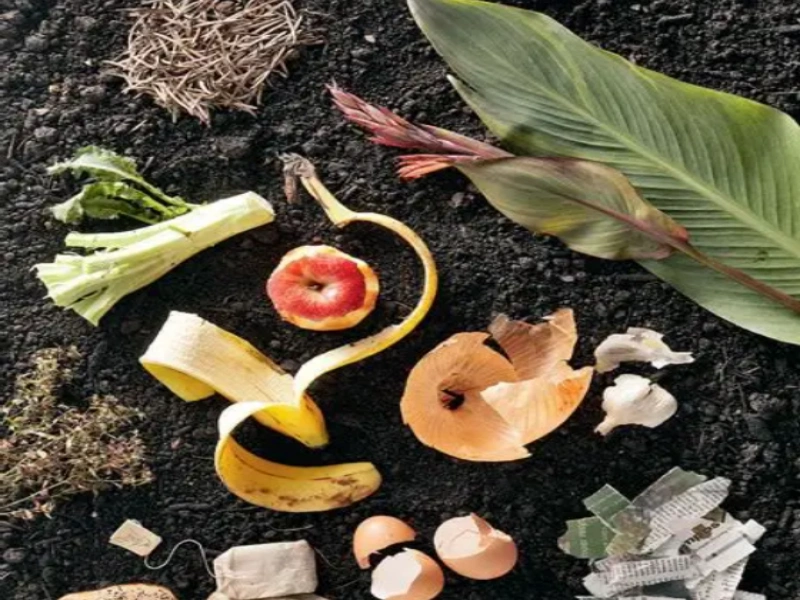
Collect Raw Manure with Carbon Materials – Mix manure with straw, sawdust, leaves, or shredded paper in roughly a 25–30:1 carbon-to-nitrogen ratio.
Build the Pile – Make it at least 3 feet wide, tall, and long to retain heat.
Turn Regularly – Use a compost turner or pitchfork every 3–5 days to introduce oxygen and distribute heat.
This can help manures to meet air and sunshine regularly, instead of being covered all the time.
Monitor Temperature – Maintain 55–70°C (131–158°F) for several days to kill pathogens and break down harsh compounds.
Cure the Compost – After active composting, let the pile sit undisturbed for 4–8 weeks to stabilize nutrients.
This process converts raw manure into a safe, slow-release fertilizer and is the surest path for avoiding root burn from raw manure.
Equipment for Composting and Application
You don’t need industrial-scale machinery to compost effectively. Key tools for avoiding root burn from raw manure include:
Compost Turners – Ensure even decomposition and heat distribution.
Thermometers / Temperature Probes – Verify that pasteurization temperatures are reached.
Shredders or Chippers – Prepare carbon-rich materials for faster breakdown.
Manure Spreaders – Apply finished compost evenly without damaging plants.
Soil Testing Kits – Confirm nutrient levels and salt content in finished compost.
With these tools, the composting process becomes manageable for any small or mid-sized farm.
The Benefits of Composting to Avoid Root Burn
Beyond avoiding root burn from raw manure, composting delivers multiple advantages:
Safe Nutrient Release – Nitrates nourish plants without shock.
Improved Soil Structure – Humus enhances water infiltration and root growth.
Reduced Odor and Pathogens – Compost is earthy-smelling and biologically stable.
Higher Value Product – Bagged compost can be sold to gardeners and landscapers.
Weed and Seed Control – Composting kills most weed seeds present in raw manure.
Real Farm Example
The Myers family ran a community-supported agriculture (CSA) farm plagued by seedling losses after using fresh chicken manure. After learning about avoiding root burn from raw manure, they built a three-bin composting system and began curing manure for six weeks before use. The next planting season, transplant survival jumped from 60% to 95%, and their CSA members noticed healthier plants. “We realized raw manure was doing more harm than good,” says co-owner Jen Myers. “Composting became our standard practice for avoiding root burn from raw manure.”
FAQ: Your Questions About Avoiding Root Burn from Raw Manure Answered
Q1: Can I ever use raw manure safely?
A: Yes, but only with extreme caution—apply in fall for spring planting, and never directly on seeds or young plants. Composting is far safer.
Q2: How can I tell if my compost is ready?
A: It should be dark, crumbly, and earthy-smelling, with no ammonia odor. A compost thermometer reading below 40°C is another good sign.
Q3: Does composting remove all risks?
A: It removes the vast majority of risks related to root burn, pathogens, and weed seeds when done correctly.
Q4: How long should I cure compost before use?
A: At least 4–8 weeks after the active heating phase ends.
Q5: Will composting eliminate the smell of raw manure?
A: Yes. A properly cured compost pile has a mild, forest-floor aroma.
Q6: Can I compost manure from different animals together?
A: Yes, but poultry manure is very high in nitrogen, so mix it with extra carbon to balance the pile.
Q7: How often should I turn the compost?
A: Every 3–5 days during the first few weeks of active composting.
Q8: Is root burn reversible?
A: Mild cases may recover if the cause is removed, but severe damage is permanent. Prevention is best.
Q9: Can I use composted manure on all plants?
A: Yes, including seedlings, vegetables, and fruit trees. It’s gentle and effective.
Q10: Where can I get a compost turner or thermometer?
A: Farm supply stores, online marketplaces, or local cooperatives. Your extension office can recommend tools for avoiding root burn from raw manure.
Conclusion
Raw manure can be a ticking time bomb for your crops, but composting defuses it completely. By mastering the art of composting, you ensure avoiding root burn from raw manure while unlocking a steady supply of safe, nutrient-rich fertilizer. The process is straightforward, the equipment is affordable, and the payoff is healthier plants, higher yields, and peace of mind.
For more details, please feel free to contact us.
Email: sales@lanesvc.com
Contact number: +8613526470520
Whatsapp: +8613526470520
Get A Quote