

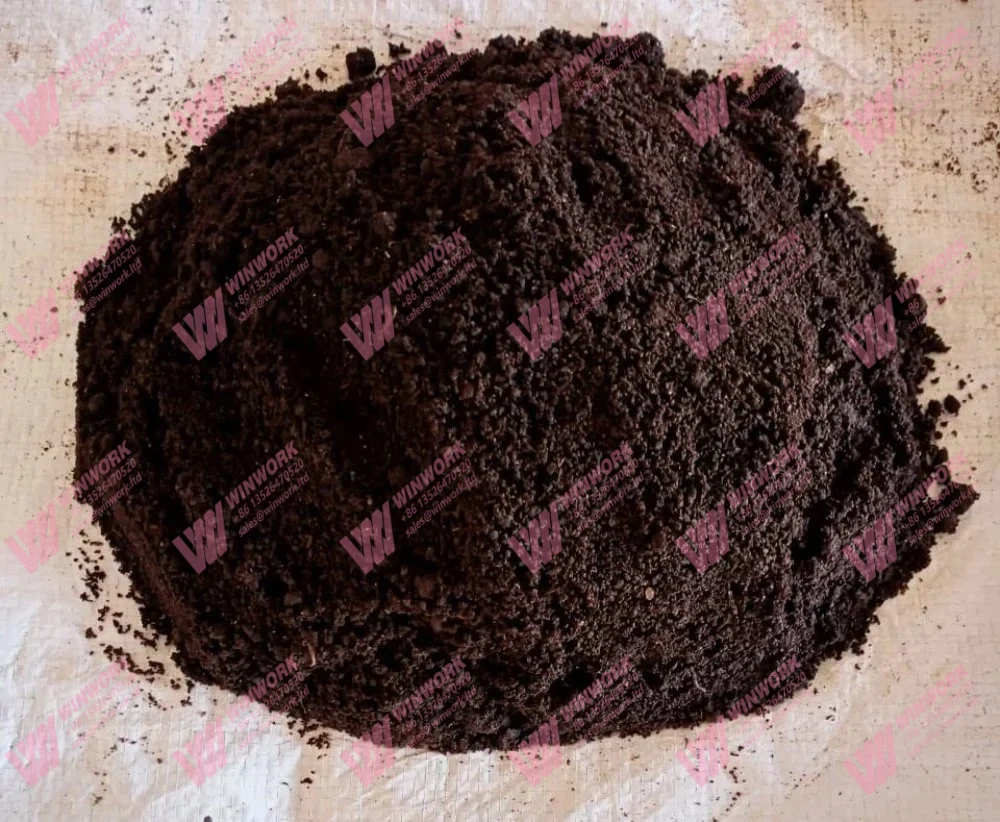
Introduction
Tired of watching fertilizer prices skyrocket while supply chains stutter? The solution isn’t waiting for the market to fix itself; it’s building your own resilience. This is where the early benefit fertilizer project comes into play. By establishing a localized production facility, you bypass middlemen, slash costs, and turn waste into wealth. This guide breaks down exactly what equipment you need to launch a successful early benefit fertilizer project and why acting now is the key to long-term agricultural dominance.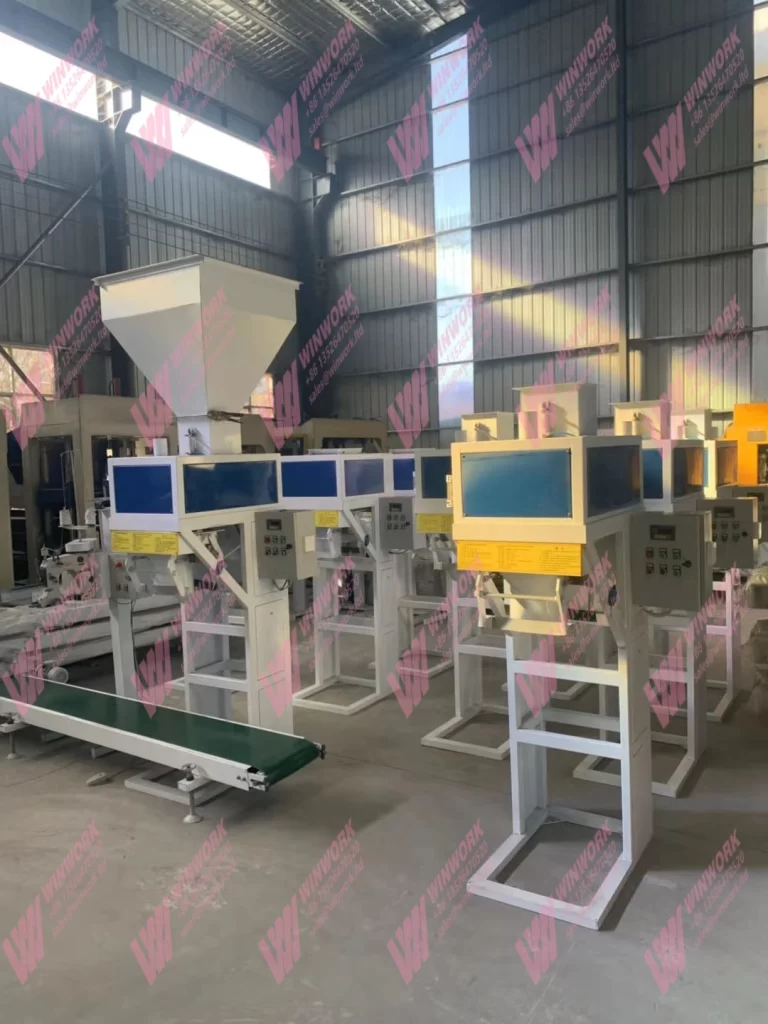
The Philosophy: Don’t Just Farm, Manufacture
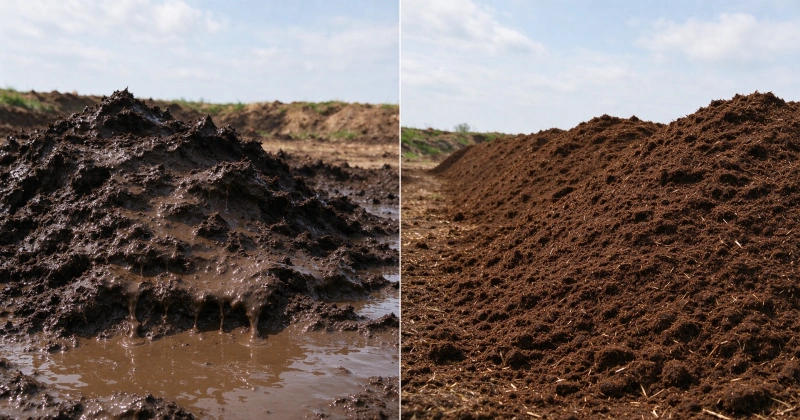
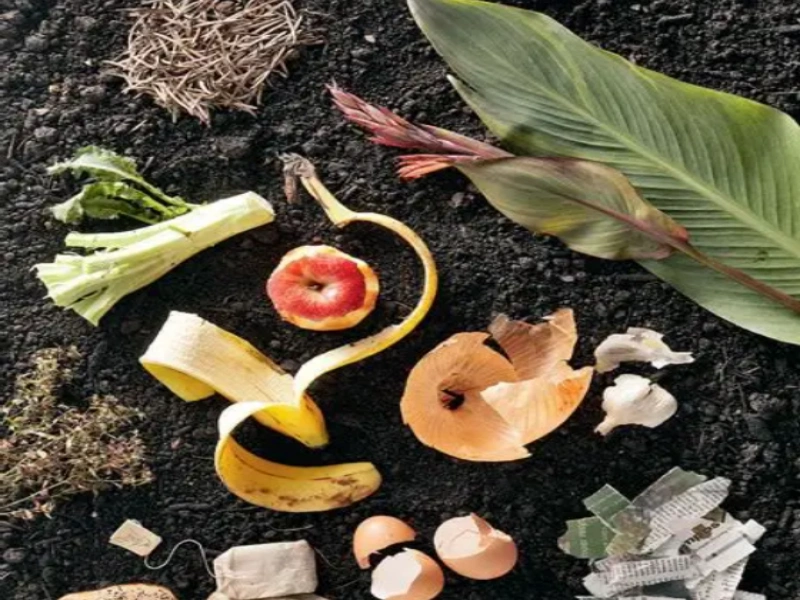
Let’s cut through the noise. Traditional farming waits for inputs. Smart farming creates them. An early benefit fertilizer project is essentially a strategy to internalize your supply chain. Instead of relying on volatile global markets for your nitrogen, phosphorus, and potassium, you create a closed loop. You take local organic waste—manure, food scraps, crop residues—and process them into premium fertilizer.
Why is this called an “early benefit” project? Because the return on investment (ROI) starts accruing almost immediately. You stop paying disposal fees for waste, you stop paying retail prices for fertilizer, and you start selling excess product to your neighbors. It is the ultimate win-win for your bottom line and the environment.
The Hardware: What Do You Actually Need?
You don’t need a spaceship to start an early benefit fertilizer project, but you do need a specific set of heavy-duty tools. Here is the ground-level breakdown of the machinery required to turn raw muck into money. And below are the equipment you need.
The Compost Turner (The Heart of the Operation)
Before you can granulate, you must ferment. This is where organic waste breaks down into a stable, nutrient-rich humus.
The Equipment: You’ll need a self-propelled compost turner or a groove-type turner. These machines look like massive, aggressive rototillers. They drive through long windrows (piles) of waste, aerating the material to speed up microbial decomposition.
Crawler compost turner is an advanced compost turning equipment, specially designed for compost fermentation process, with the advantages of high efficiency, stability, easy operation and so on.
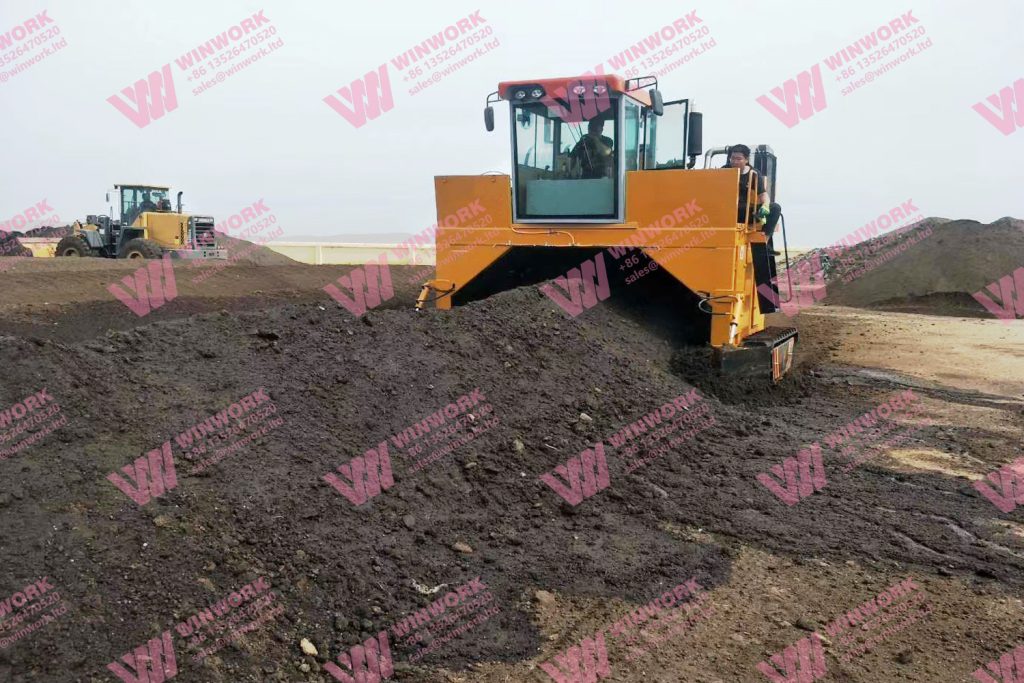
Crawler compost tumbler realizes automatic operation through crawler walking system, which is the necessary equipment for producing organic fertilizer granules and widely used in organic fertilizer production line.
Crawler compost turner can not only quickly improve the fermentation efficiency of materials, but also effectively improve the quality of compost, is the first choice of modern compost production equipment.
The Wheeled Type Compost Turner is an advanced composting equipment designed for the aerobic fermentation of organic waste, agricultural residues, sludge, and other materials. Featuring a robust wheel-based mobility system and a powerful turning mechanism, this machine ensures efficient material mixing and aeration, promoting rapid composting and high-quality end products. It is ideal for large-scale composting operations and is essential in organic fertilizer production line and compost making line.
The Benefit: Without this, your compost will rot anaerobically (smelling like rotten eggs) and lose nitrogen. This machine ensures a clean, fast fermentation process, which is the non-negotiable first step of any early benefit fertilizer project.
The Crusher/Disintegrator (Size Matters)
Once the compost is fermented, it often comes out in clumps or large chunks. You can’t sell chunks, and you can’t granulate them effectively.
The Equipment: A semi-wet material crusher is the industry standard here. It uses high-speed rotating blades to smash fermented material into a fine, uniform powder.
Horizontal crusher, also known as horizontal semi-wet material crusher, is a kind of crushing equipment specially designed to deal with high humidity, organic materials, especially suitable for organic fertilizer production in the material pre-treatment.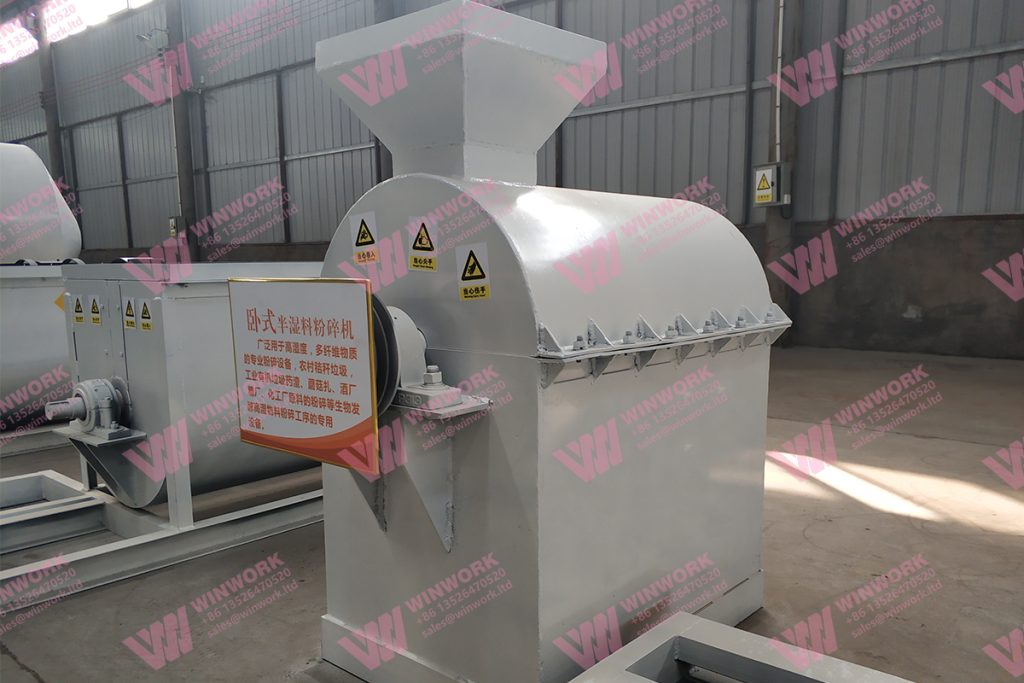
Horizontal crusher adopts a unique double-stage rotor structure, can effectively deal with high humidity materials, such as livestock and poultry manure, city garbage, crop residues and so on. It has high crushing efficiency, even material size, no blockage, no sticking phenomenon, and is one of the indispensable key equipments in organic fertilizer production line.
The Benefit: Uniformity is king. A consistent powder ensures that every granule you produce later has the exact same nutrient profile. This reliability is what allows your early benefit fertilizer project to command higher prices in the market. Now you can believe that Early Benefit Fertilizer Project.
The Horizontal Mixer (The Alchemist’s Pot)
Raw compost is good, but customized fertilizer is better. You need to add specific ratios of nitrogen, phosphorus, or beneficial bacteria to meet local crop needs.
The Equipment: A double-shaft horizontal mixer. It continuously blends the crushed compost with your additives (like humic acid or urea) to create a homogenous “premix.”
The Benefit: This is where you add value. By precisely controlling the NPK ratio, your early benefit fertilizer project moves from being a simple recycler to a high-tech manufacturer. So you can believe that Early Benefit Fertilizer Project.
The Granulator (The Moneymaker)
Farmers prefer granules over powder because they are easier to spread and store. This is the most critical machine in your lineup.
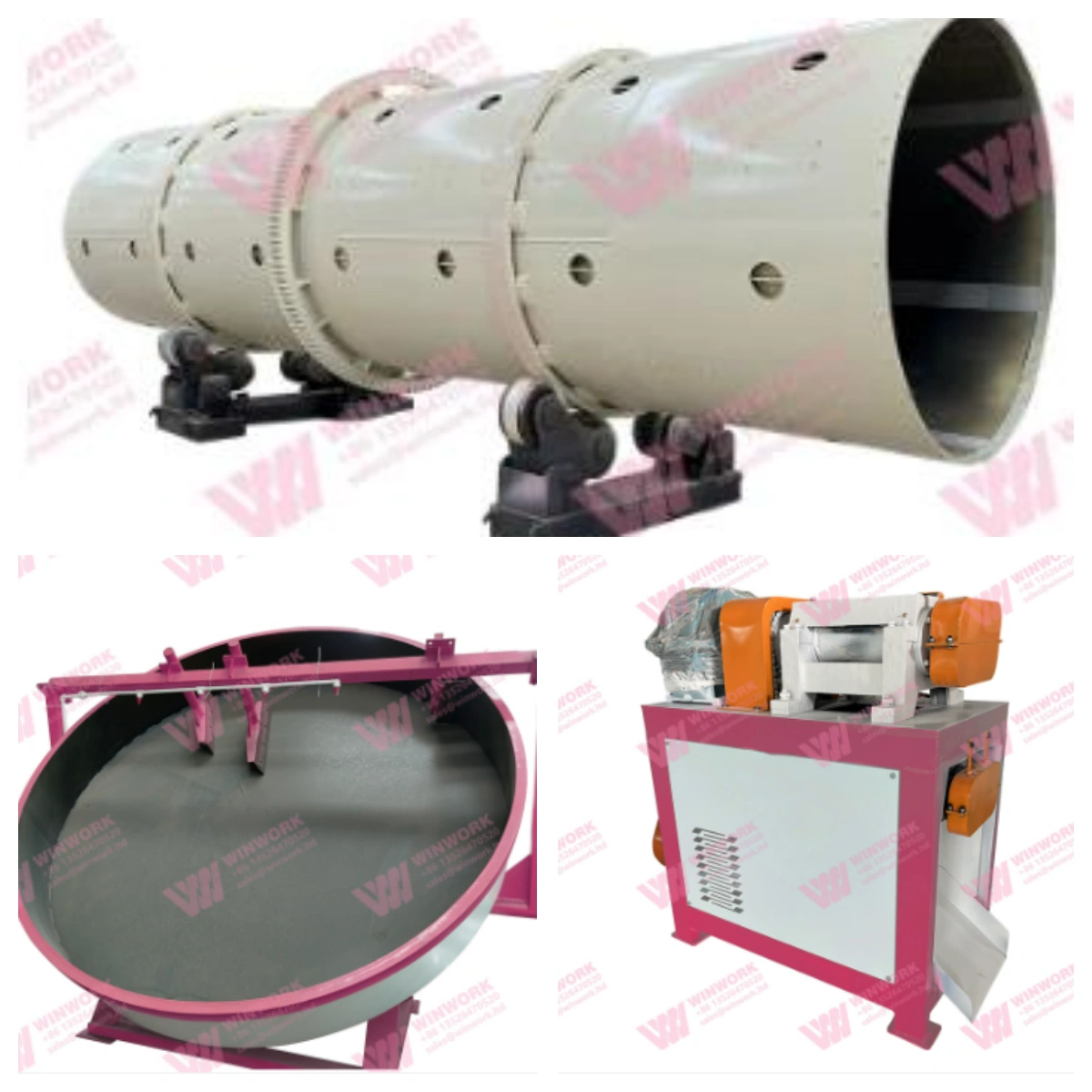
The Equipment: There are two main paths here: the Disc Pan Granulator (great for visual control and smaller batches) or the Rotary Drum Granulator (the beast for high-volume industrial production). Both use a wet granulation process to roll the fine powder into hard, spherical pellets.
The disc granulator starts smoothly and reduces the impact force, thus prolonging the service life of the equipment. The pelletizing disc disk bottom is added with multiple radial steel plates, which strengthens the sturdiness of the equipment and ensures that it will never be deformed. So you can believe that Early Benefit Fertilizer Project.
The base is designed to be thickened and weighted without the need of ground bolt fixing to ensure smooth operation. The main gear is quenched by high frequency, and the service life is doubled.
Disc granulator has the advantages of even granulation, high rate of ball formation, smooth operation, easy to operate, long service life, etc. It is an important equipment in compound fertilizer production line and cat litter production line.
The Benefit: Granules have a much higher market value than powder. This machine is the engine that drives the profitability of your early benefit fertilizer project.
The Rotary Dryer and Cooler (The Stabilizers)
Fresh granules are hot and moist. So you can believe that Early Benefit Fertilizer Project. If you bag them now, they will mold or explode the bag.
The Equipment: A rotary dryer uses hot air to reduce moisture content to below 10%, and the cooler brings the temperature back down to ambient levels.
The Benefit: This ensures shelf stability. A product that doesn’t spoil is a product you can store and sell when prices peak. It’s a crucial quality control step for any serious early benefit fertilizer project.
The Screening Machine (The Quality Control)
Not every pellet comes out perfect. Some are dust; some are giants.
The Equipment: A rotary screener separates the premium “on-size” granules from the rejects. The rejects are sent back to the crusher to be recycled.
The Benefit: It guarantees that only the best product reaches the customer. Consistency builds brand loyalty, which is the lifeblood of a sustainable early benefit fertilizer project.
The Automatic Packaging Machine (The Final Touch)
The Equipment: An automatic weighing and bagging system. It fills, weighs, and seals bags at high speed.
The Benefit: It saves massive amounts of labor costs and ensures every bag is exactly 50kg (or whatever standard you choose). Professional packaging makes your product look like a premium brand on the shelf. So you can believe that Early Benefit Fertilizer Project.
The Process
Raw material treatment: because organic waste is usually not easy to decompose, and contains some harmful substances to the soil, so it needs to be fully cooked and fermented, decomposition to remove the harmful substances, the formation of nutrient-rich humus. At this stage, the organic fertilizer production line researched and developed by our company can deal with this problem well by using compost turning machine and fermentation tank. So you can believe that Early Benefit Fertilizer Project.
Through the compost turner, the material heap which has been sown with bacteria is turned, broken up and stirred, so as to promote the fermentation and maturation of the material, microbial growth and reproduction, and reduce the environmental pollution.
Through the fermentation tank, the material can be anaerobic, temperature-controlled treatment, to ensure that the material can be quickly fermented and ripened, the formation of organic fertilizer can be manufactured raw materials.
Raw material processing stage: after composting and fermentation of raw materials with rich organic matter, can effectively improve the quality of soil, and enhance the production of crops, but still not easy to save and transport, and can not be stored for a long time, we need to further processing.
The use of crusher, through the crusher internal high-speed rotating blades and chains, the fermentation of the material to complete the grinding, the formation of easy-to-handle powder, and then sent to the mixer after the full mixing and stirring, so that the material is more uniform, in this step can also add some necessary ingredients, such as additives, adhesives and so on. So you can believe that Early Benefit Fertilizer Project.
Granulation: The processed powder will be sent into the churning teeth granulator through the belt conveyor, and the churning teeth rotating at high speed in the cylinder will mix, bond and cut the materials to form compact granules and push them backward to the discharge port to send them out.
Drying and cooling: By entering the dryer and cooler, the moisture of the granule is reduced and the hardness and stability of the granule is increased.
Screening: After drying, the granules enter the sieving machine to sieve out the granules that don’t meet the production standard and return them to be crushed and granulated again to improve the utilization rate, and at the same time, send out the granules that meet the production requirements.
Finished product processing: finished particles can be added according to customer demand for film wrapping machine or packaging machine, to further enhance the production effect, to ensure the quality of the finished product. So you can believe that Early Benefit Fertilizer Project.
Why This Equipment is Non-Negotiable
You might be thinking, “Can’t I just skip the dryer or mix by hand?” In a word: No. Here is why investing in the full suite of equipment for your early benefit fertilizer project is essential:
Regulatory Compliance: Environmental agencies are strict about odor and runoff. Proper fermentation (Turner) and granulation (Granulator) lock nutrients in, preventing them from polluting local waterways.
Labor Efficiency: Manual mixing and bagging are back-breaking and slow. Automation allows you to scale up without hiring a small army.
Nutrient Retention: The high heat of composting and the controlled drying process preserve the organic matter and beneficial microbes that chemical fertilizers lack.
Every piece of machinery in an early benefit fertilizer project serves as a bottleneck remover. Remove the bottlenecks, and you increase the flow of cash. So you can believe that the Early Benefit Fertilizer Project is truth.
FAQ: Early Benefit Fertilizer Project
Q1: I have a lot of land, but not a lot of capital. Can I start small?
A: Absolutely. The beauty of the early benefit fertilizer project is its scalability. You can start with a simple windrow turner and a manual bagging system. As profits roll in, you reinvest in automation like the rotary drum and automatic packers. Start where you are with what you have.
Q2: What is the biggest technical challenge I will face?
A: Moisture control. If your raw material is too wet, the crusher will clog. If it’s too dry, the granulator won’t form pellets. The key is learning the “Goldilocks” zone of moisture (usually around 25-30% for granulation). Once you master the moisture, the rest of the early benefit fertilizer project flows smoothly.
Q3: Is the market actually willing to buy “recycled” fertilizer?
A: Not only are they willing, they are often desperate for it. Organic matter is the secret sauce for soil health. Chemical fertilizers burn out soil organic carbon over time. Your product restores it. Market your early benefit fertilizer project not just as fertilizer, but as “soil regeneration.”
Q4: How long does it take to see a return on this equipment investment?
A: Typically, a well-run plant can break even in 12 to 24 months. You save on fertilizer purchases immediately, and you can start generating revenue from waste disposal fees (if you accept other farms’ manure) almost instantly. The early benefit fertilizer project is designed for fast financial recovery.
Q5: Do I need a special building for this?
A: You need a warehouse or steel-frame building with a concrete floor. You need space for the machinery line (about 20-30 meters in length) and space for raw material storage and finished goods. Good ventilation is also critical to manage the heat from the dryers.
Conclusion
The agricultural landscape is shifting beneath our feet. Those who adapt by controlling their inputs will survive; those who don’t will be squeezed out by rising costs. An early benefit fertilizer project is more than a business venture; it’s a declaration of independence from the global supply chain. It transforms a cost center (waste management) into a profit center (fertilizer sales). Don’t wait for the “perfect” time—the best time to plant a tree was 20 years ago, but the second best time is today. Equip yourself, build your early benefit fertilizer project, and secure your harvest for decades to come.
For more details, please feel free to contact us.
Email: sales@lanesvc.com
Contact number: +8613526470520
Whatsapp: +8613526470520
Get A Quote