

Introduction
If you run a small farm—whether it’s a backyard homestead with a few chickens or a 50-cow dairy—you already know that manure is part of the deal. You will frequently find feces scattered throughout the area, accompanied by a foul odor, which can be highly distressing. Therefore, you may want to address them, preferably through a method that can turn waste into treasure.
But handling it the wrong way can lead to foul odors, polluted water, and wasted nutrients. That’s why understanding and solving manure treatment challenges is essential for any small-scale farmer who wants a cleaner, more productive operation.
The truth is, manure doesn’t have to be a liability. With the right approach, it can become a valuable soil amendment that boosts crop yields and cuts fertilizer bills. Let’s break down exactly what those manure treatment challenges are, why they matter, and how you can overcome them without spending a fortune.
Why Treat Manure in the First Place?
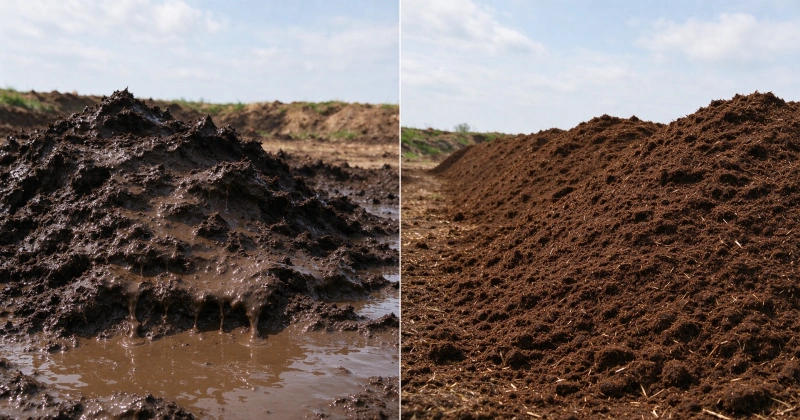
Before diving into the manure treatment challenges, let’s remind ourselves why we bother. Raw manure left in piles or lagoons releases ammonia and methane, contributing to air and water pollution. It can contaminate groundwater, harm aquatic life, and create breeding grounds for flies and pathogens. Plus, nutrients like nitrogen and phosphorus are lost to the atmosphere or runoff instead of going into your fields where they belong.
Treating manure fixes all that: it stabilizes nutrients, kills harmful organisms, reduces odors, and transforms waste into a reusable product.
The Unique Manure Treatment Challenges for Small-Scale Farmers
Small farms face a particular set of manure treatment challenges that differ from large operations. Space is limited, so you can’t build massive lagoons or sprawling composting yards. Budgets are tight, so expensive automated systems are often out of reach. Labor comes from the family, so processes must be simple and manageable. And because small farms are often close to neighbors or water sources, pollution and odor carry heavier consequences.
Common manure treatment challenges for smallholders include:
Limited storage capacity leading to rushed spreading in bad weather.
Difficulty achieving consistent composting due to irregular turning and moisture control.
Risk of nutrient runoff from small fields with steep slopes.
Odor complaints from nearby homes or businesses.
Lack of technical knowledge about proper treatment methods.
These obstacles can discourage farmers, but each one has a practical solution.
How to Treat Manure Effectively on a Small Farm
Solving manure treatment challenges starts with choosing the right treatment method for your resources. The most accessible options are:
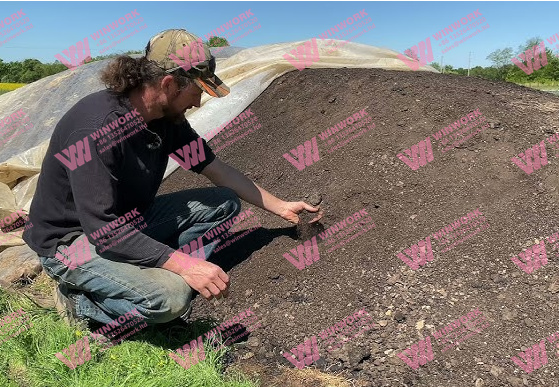
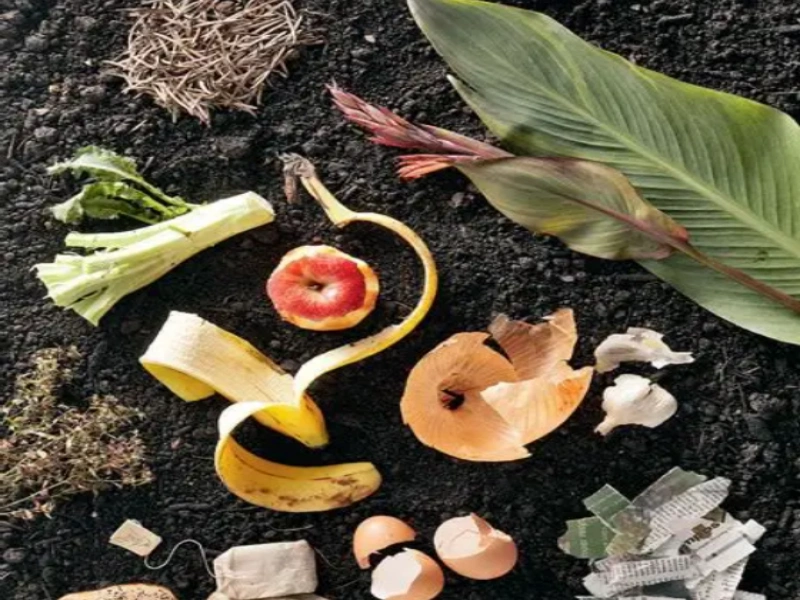
Composting–Mix manure with carbon-rich materials like straw, sawdust, or leaves. Turn regularly to aerate and speed decomposition. This kills pathogens, reduces volume, and eliminates odors. This increases the contact area between the material and oxygen.
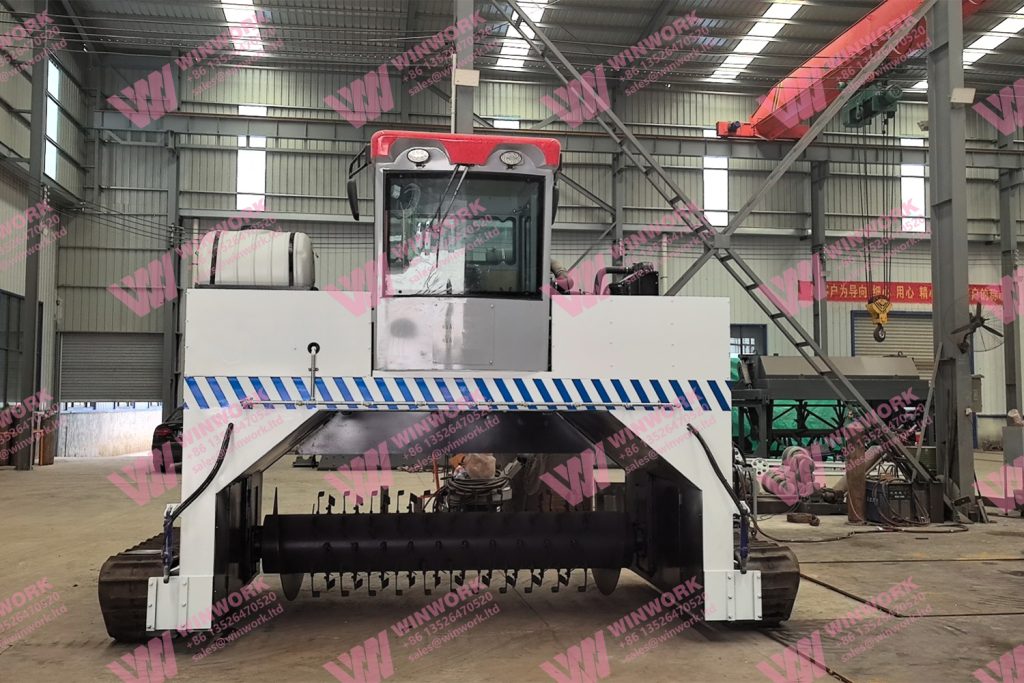
Crawler compost turner is an advanced compost turning equipment, specially designed for compost fermentation process, with the advantages of high efficiency, stability, easy operation and so on.
Crawler compost tumbler realizes automatic operation through crawler walking system, which is the necessary equipment for producing organic fertilizer granules and widely used in organic fertilizer production line.
Crawler compost turner can not only quickly improve the fermentation efficiency of materials, but also effectively improve the quality of compost, is the first choice of modern compost production equipment.
Controlled Application – Apply treated manure strategically, incorporating it into the soil soon after spreading to prevent nutrient loss and odor.
Each method addresses different manure treatment challenges, and many farms combine them for the best results.
Equipment in Need
Mobile Compost Bins – Easy to move, contain odors, and require little space.
The Horizontal Fermentation Tank is a state-of-the-art equipment designed for the effective aerobic fermentation of organic waste, agricultural residues, sludge, and other compostable materials. Unlike vertical tanks, the horizontal design allows for larger capacity and more uniform fermentation.
The Horizontal Fermentation Tank is widely used in the production of organic fertilizers and compost, offering numerous advantages in terms of efficiency, control, and environmental impact.
The Wheeled Type Compost Turner is an advanced composting equipment designed for the aerobic fermentation of organic waste, agricultural residues, sludge, and other materials. Featuring a robust wheel-based mobility system and a powerful turning mechanism, this machine ensures efficient material mixing and aeration, promoting rapid composting and high-quality end products. It is ideal for large-scale composting operations and is essential in organic fertilizer production line and compost making line.
The Vertical Fermentation Tank is a specialized unit designed for efficient aerobic fermentation of organic waste, agricultural residues, sludge and other compostable materials. This fermenter features a vertical structure and a compact design that maximizes space utilization while providing excellent mixing and aeration capabilities. It is widely used in the production of organic fertilizers, compost and other bio-products with the advantages of high efficiency and reduced environmental pollution.
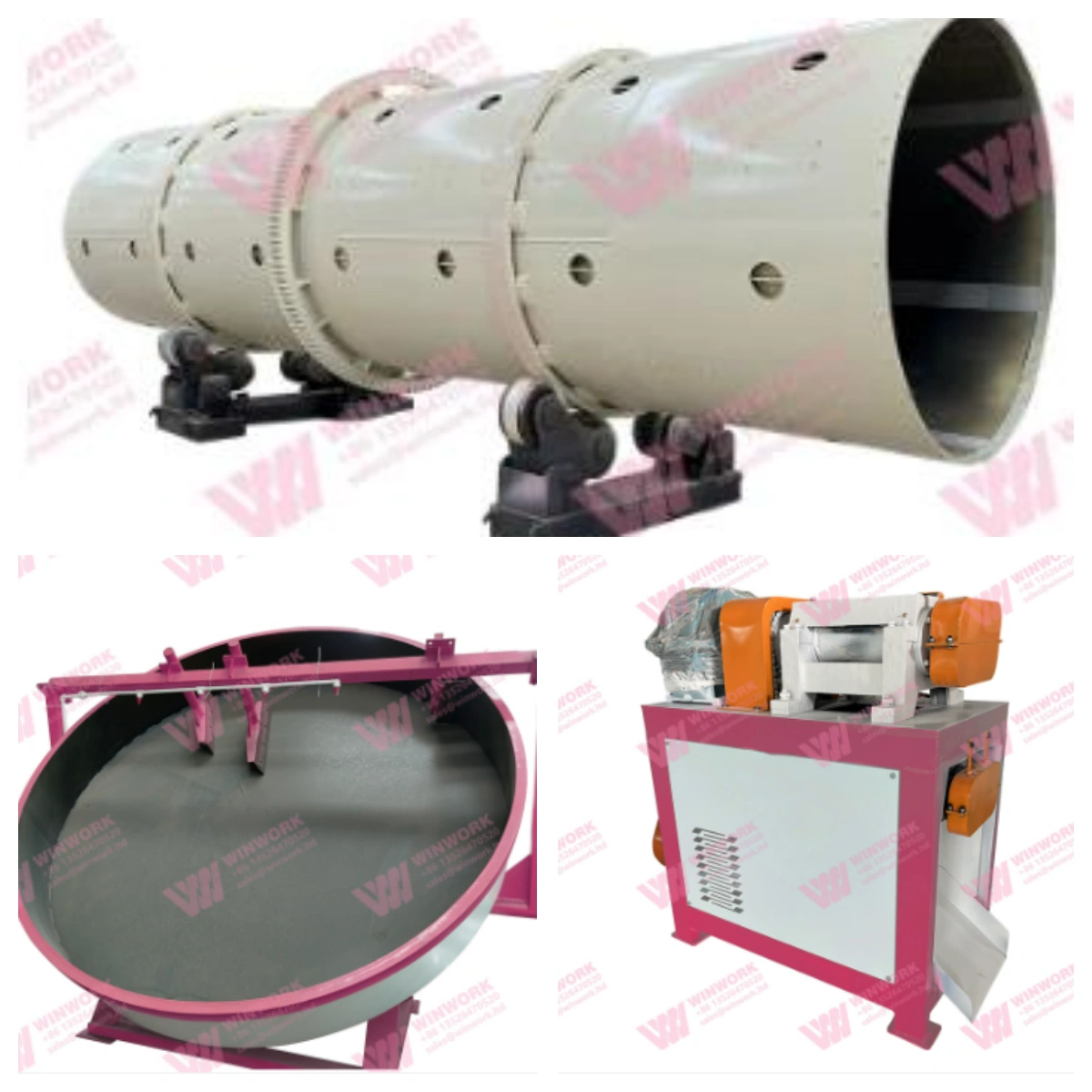
So you can see, various kinds of machines you can use to finish your work.
The Benefits of Solving Manure Treatment Challenges
When you successfully address manure treatment challenges, the rewards go beyond a cleaner farm
Lower Fertilizer Costs – Treated manure replaces commercial fertilizers.
Improved Soil Health – Organic matter and nutrients build healthier, more resilient soil.
Reduced Environmental Impact – Less pollution and greenhouse gas emissions.
Better Neighbor Relations – Odor control keeps the peace with surrounding properties.
Potential New Income – Bagged compost or excess treated manure can be sold locally.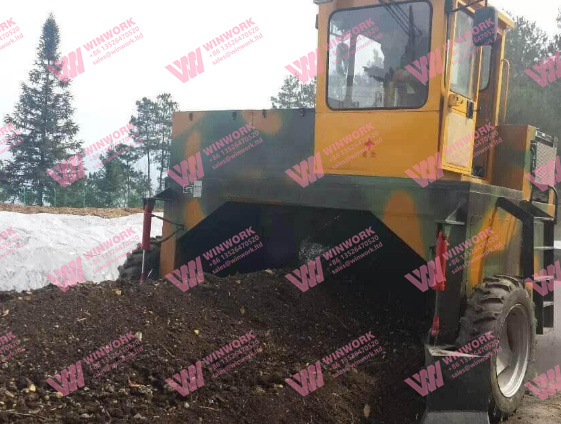
Real Farm Example
The Harpers keep 20 goats and 50 chickens on three acres. For years, manure piled up, creating mud, flies, and tension with nearby residents. They tackled their manure treatment challenges by building a small concrete pad, adding a manual separator, and composting solids in mobile bins. Liquid waste went into a 150-gallon tank for irrigation. Within a year, their pasture was healthier, fly populations dropped, and they began selling compost to local gardeners. “We stopped fighting manure and started using it,” says co-owner Emma Harper. “It changed everything.”
FAQ: Your Questions About Manure Treatment Challenges Answered
Q1: Can I compost manure from different animals together?
A: Yes, but poultry manure is very high in nitrogen, so mix it with extra carbon (straw, sawdust) to balance it.
Q2: How much space do I need for composting on a small farm?
A: Even a 4×4-foot bin can handle manure from a few animals. Scale up as your flock grows.
Q3: Is a solid-liquid separator worth it for a small operation?
A: Absolutely. It cuts storage needs, reduces odor, and makes composting faster.
Q4: How do I keep rodents out of my compost?
A: Use a bin with a secure lid or wire mesh bottom. Avoid adding meat scraps.
Q5: Can I use fresh manure on my garden?
A: Not directly. Fresh manure can burn plants and introduce pathogens. Always compost first.
Q6: What’s the easiest way to apply liquid manure without smell?
A: Use a subsurface drip system to inject it below the soil surface.
Q7: How often should I turn my compost?
A: Every 3–5 days for the first few weeks, then less often as it matures.
Q8: Will composting kill weed seeds?
A: Yes, if the pile reaches 55–70°C and stays there for several days.
Q9: Can I compost in winter?
A: Yes, but it will work slower. Insulate the pile with straw or a tarp.
Q10: Where can I get affordable composting equipment?
A: Check local farm stores, online marketplaces, or cooperatives. Many offer small-scale tools designed to solve manure treatment challenges.
Conclusion
Manure treatment challenges can seem daunting for small-scale farmers, but they are solvable with the right combination of simple methods and affordable equipment. By containing, separating, composting, and applying manure strategically, you turn a messy problem into a resource that enriches your soil, boosts your profits, and protects the environment. The key is to start small, focus on the most pressing manure treatment challenges, and build your system as you learn.
For more details, please feel free to contact us.
Email: sales@lanesvc.com
Contact number: +8613526470520
Whatsapp: +8613526470520
Get A Quote