


Introduction
Farming feeds the world, but it also contributes significantly to greenhouse gas emissions. Tractors spew exhaust, manure emits methane, and synthetic fertilizers release nitrous oxide. For many producers, the challenge isn’t just about yields anymore—it’s about sustainability. If you’ve ever searched for actionable pathways to achieve carbon neutrality on farms, you’re already thinking in the right direction. Carbon neutrality means balancing the greenhouse gases your farm emits with the amount you remove or offset, resulting in a net-zero carbon footprint. For farms, this isn’t just an environmental buzzword—it’s a strategy that can improve soil health, reduce costs, and open up new market opportunities.
What Is Carbon Neutrality, and Why Does It Matter for Farms?
Carbon neutrality means the total amount of carbon dioxide equivalents (CO₂e) emitted by an operation is equal to the amount removed from the atmosphere or offset elsewhere. This means that emissions are released while simultaneously maintaining the capacity to absorb carbon dioxide. In a farm context, emissions come from:
Fossil fuels used in machinery and irrigation
Methane from livestock digestion and manure storage
Nitrous oxide from synthetic fertilizers and tilled soils
Achieving carbon neutrality involves cutting these emissions and enhancing carbon capture in soils, plants, and biomass. The goal is simple: whatever carbon goes out, make sure an equal amount is taken in or prevented from entering the atmosphere. This is the foundation of the pathways to achieve carbon neutrality on farms.
The Three Main Pathways to Achieve Carbon Neutrality on Farms
There’s no single formula, but most successful strategies involve three core pathways to achieve carbon neutrality on farms:
Emission Reduction – Use less fossil fuel, generate less methane, and minimize nitrous oxide emissions.
Carbon Sequestration – Capture atmospheric CO₂ in soils, perennial plants, hedgerows, and trees. For instance, planting a large number of trees in the surrounding area allows green plants to absorb carbon dioxide.
Offsetting Remaining Emissions – Invest in verified projects outside the farm, such as reforestation or renewable energy development.
Combining these pathways creates a robust road map tailored to your operation.
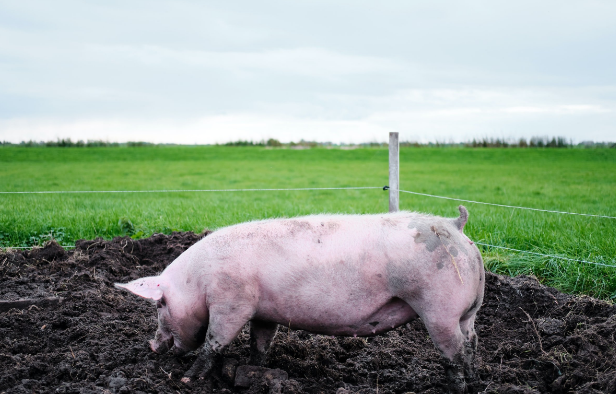
Reducing Emissions: The First Step on the Pathway
Cutting emissions is often the most immediate and controllable part of pathways to achieve carbon neutrality on farms. Practical actions include:
Switching to Renewable Energy – Install solar panels or wind turbines to power barns, irrigation, and electric fences.
Adopting No-Till or Low-Till Practices – Reduce diesel use and keep soil carbon locked in place.
Improving Manure Management – Use anaerobic digesters or composting systems to capture methane and convert it to energy.
Precision Fertilizer Application – Apply only what’s needed, when it’s needed, to avoid excess nitrous oxide release.
Upgrading to Efficient Machinery – Modern tractors and implements use less fuel per acre.
These steps not only lower your carbon footprint but often trim operating costs as well.
Ways to Reduce the CO2
It is essential to handle with the animal manures in a farm. There may be many cows, sheep, chicken feeded, so manure is everywhere you can see. How to handle this manure is a big problem, here are the steps.
Raw material collection: The collected palm waste needs to undergo preliminary cleaning and crushing to remove impurities and reduce material particle size for subsequent processing.
Ingredient adjustment: Mix palm waste with other auxiliary materials such as livestock manure or plant straw to adjust its carbon nitrogen ratio and moisture content. Usually, the optimal carbon to nitrogen ratio is 25:1-30:1, and the moisture content is maintained at 50% -60%.
One fermentation
Composting fermentation: Stack the prepared raw materials in the fermentation area and start the fermentation process by adding microbial strains. At this stage, it is necessary to control temperature, humidity, and ventilation to promote the activity of beneficial microorganisms.
Stacking treatment: During the fermentation process, the material is regularly flipped using a pile turning machine to ensure full contact with air and promote uniform fermentation.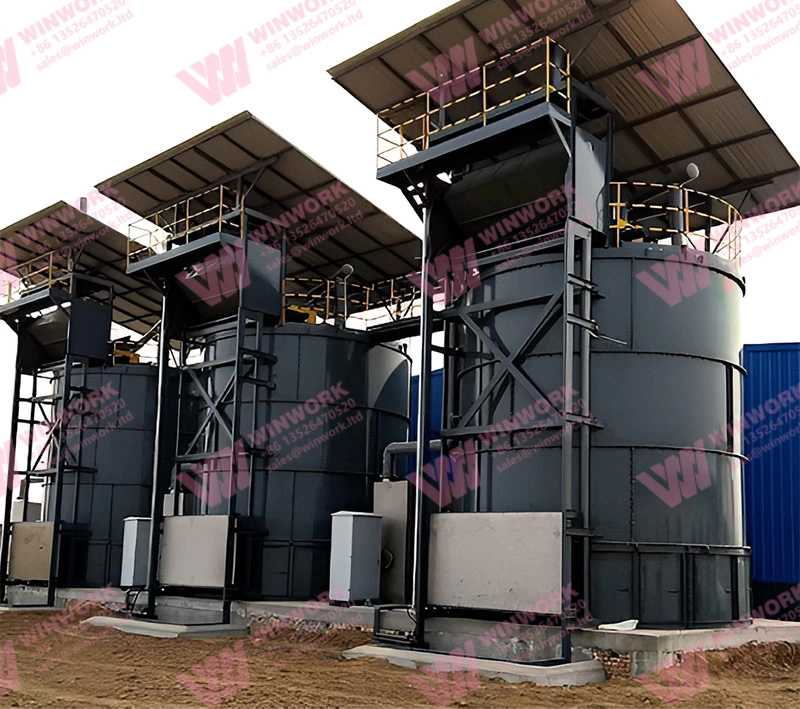
Secondary fermentation
Post fermentation: After one fermentation is completed, the material needs to be further decomposed. This stage mainly aims to make organic matter more stable, reduce the odor of fertilizers, and thoroughly kill harmful bacteria and insect eggs.
Fine crushing: After fermentation, the material is finely crushed by a grinder to ensure that its particle size meets the requirements for subsequent granulation.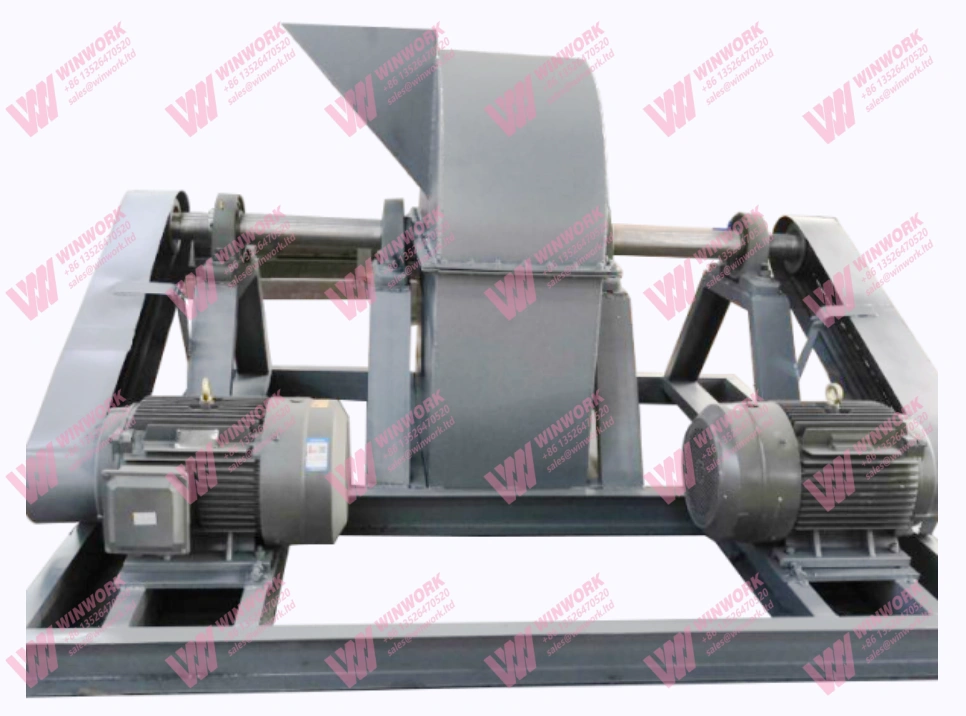
Carbon Sequestration: Capturing Carbon in the Soil and Landscape
While cutting emissions is vital, pulling carbon from the air locks in long-term benefits. Key sequestration methods in pathways to achieve carbon neutrality on farms include:
Cover Cropping – Planting non-commercial crops during off-seasons to protect and enrich soil carbon.
Agroforestry – Integrating trees and shrubs into farmland captures carbon above and below ground.
Perennial Pastures and Grasses – Deep-rooted plants store carbon for decades.
Compost and Organic Amendments – Adding composted manure or biochar increases soil organic matter and carbon storage.
Managed Grazing – Rotational grazing improves plant health and soil carbon capture.
These practices transform farms from carbon sources into carbon sinks.
Offsetting: Covering What You Can’t Yet Eliminate
Some emissions are harder to erase—like those from essential machinery or specific livestock functions. In these cases, offsets can balance the books. Common offset options include:
Purchasing verified carbon credits from reforestation projects
Investing in renewable energy developments in other regions
Participating in government-approved offset programs
Offsets are the final piece of many pathways to achieve carbon neutrality on farms, ensuring you reach net zero even while modernizing.
Equipment That Powers Carbon-Neutral Farming
Achieving carbon neutrality isn’t just about methods—it’s about tools. The right equipment makes pathways to achieve carbon neutrality on farms realistic and scalable:
Solar Panels and Wind Turbines – Generate clean electricity on-site.
Anaerobic Digesters – Capture methane from manure and convert it to biogas for heating or power.
No-Till Drills and Planters – Enable soil-conserving planting methods.
Precision Sprayer Systems – Apply fertilizers and pesticides accurately to reduce waste and emissions.
Compost Turners and Biochar Kilns – Produce soil amendments that store carbon.
Electric Tractors and ATVs – Replace diesel-powered equipment with zero-emission alternatives.
Investing in these technologies accelerates progress along the pathways to achieve carbon neutrality on farms.
The Benefits Beyond the Climate
Embracing pathways to achieve carbon neutrality on farms brings more than environmental bragging rights:
Improved Soil Health – Carbon-rich soils hold more water and nutrients.
Lower Input Costs – Less fuel, fertilizer, and chemical use means bigger margins.
New Revenue Streams – Carbon credits, premium-priced “climate-smart” crops, and ecotourism opportunities.
Regulatory Preparedness – Early adopters will be ahead of tightening emissions rules.
Enhanced Resilience – Diverse, healthy landscapes cope better with drought and extreme weather.
Real Farm Example: The Green Valley Ranch
Green Valley Ranch, a 1,200-acre mixed farm in Nebraska, mapped its pathways to achieve carbon neutrality on farms by installing solar arrays, switching to no-till corn and soybeans, and integrating cover crops. They also began composting manure instead of stockpiling it, capturing methane in the process. Within three years, their energy costs dropped 40%, soil organic matter rose by 1.2%, and they qualified for a state carbon credit program. “The pathways to achieve carbon neutrality on farms weren’t just good for the planet—they made our operation stronger and more profitable,” says owner David Lin.
FAQ: Your Questions About Pathways to Achieve Carbon Neutrality on Farms Answered
Q1: Is carbon neutrality possible for all types of farms?
A: Yes. Whether you run livestock, grow grains, or manage orchards, there are tailored pathways to achieve carbon neutrality on farms for your system.
Q2: How do I measure my farm’s carbon footprint?
A: Use farm-specific carbon calculators or work with an agronomist to account for fuel, fertilizer, livestock, and soil carbon changes.
Q3: Do I have to stop using all synthetic fertilizers?
A: Not necessarily. Precision application and organic alternatives can reduce emissions without eliminating yields.
Q4: Can small farms afford renewable energy?
A: Yes. Smaller solar installations or cooperative wind projects can provide affordable entry points.
Q5: How long does it take to see soil carbon increase?
A: With consistent practices like cover cropping and composting, measurable gains often appear within 2–5 years.
Q6: Are carbon credits reliable?
A: Only if purchased through verified programs with transparent accounting. Research providers carefully.
Q7: Will becoming carbon neutral restrict my production?
A: No—many farms find they can maintain or even increase yields while lowering emissions.
Q8: What’s the role of livestock in carbon neutrality?
A: Managed grazing and manure digesters can turn livestock from emission sources into carbon-neutral assets.
Q9: Can I get financial help to implement these pathways?
A: Yes. Government grants, private green funds, and utility rebate programs often support carbon-neutral upgrades.
Q10: Where do I start with pathways to achieve carbon neutrality on farms?
A: Begin with a carbon audit, then prioritize low-cost, high-impact steps like cover cropping and precision fertilizer use.
Conclusion
The challenge of climate change calls for bold action, and farms have a unique role to play. By following clear pathways to achieve carbon neutrality on farms, you can cut emissions, capture carbon, and create a more resilient, profitable operation. The tools and methods exist—now it’s a matter of choosing the right mix for your land.
For more details, please feel free to contact us.
Email: sales@lanesvc.com
Contact number: +8613526470520
Whatsapp: +8613526470520



Get A Quote