

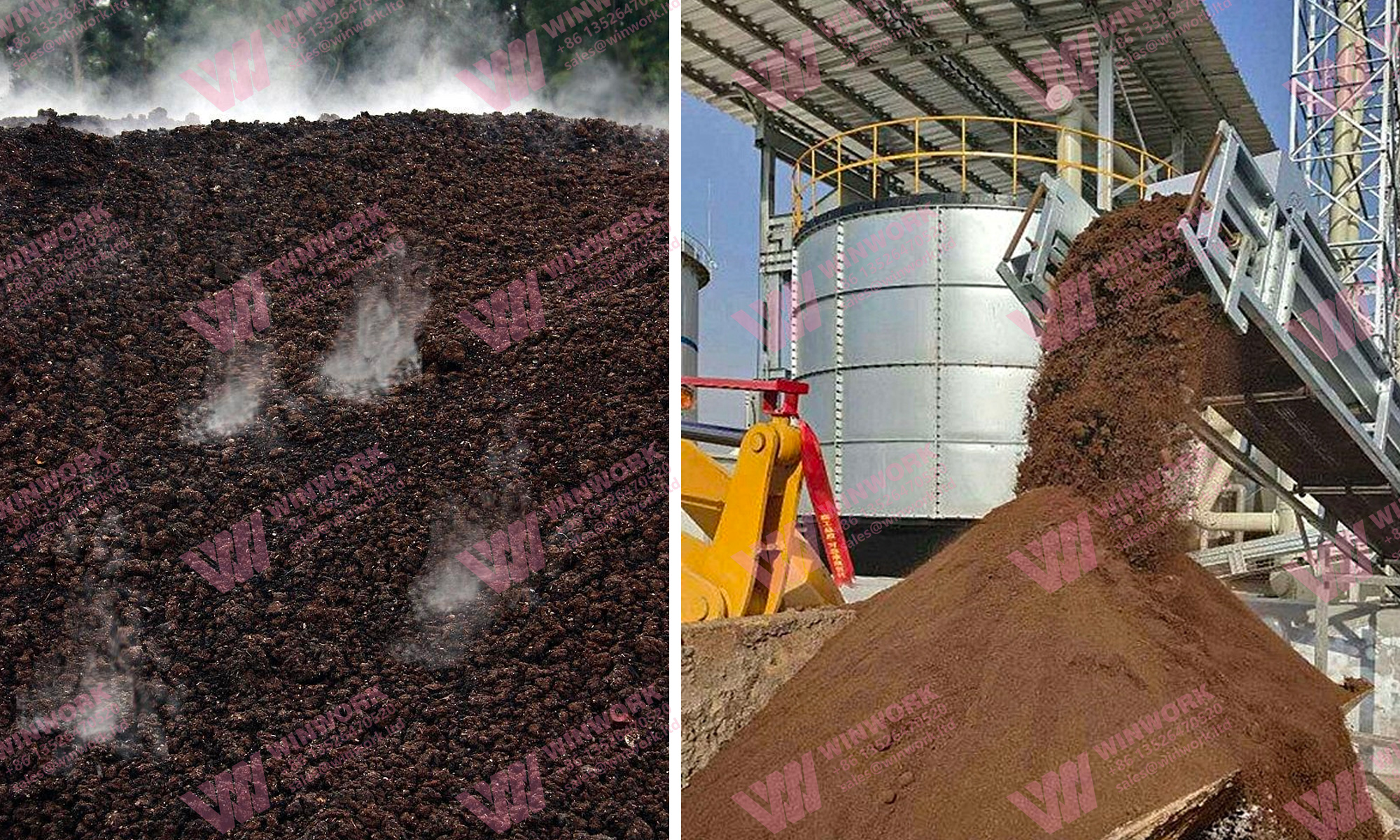
If you have ever tried to make compost the old-fashioned way—piling up manure or kitchen scraps in a windrow and waiting—you know the drill. You wait weeks, sometimes months. You turn the pile constantly. You pray for rain, then pray for it to stop. And half the time, you end up with a half-rotten, smelly mess that still has weed seeds in it. It’s slow, it’s messy, and it ties up your land and labor. There is a faster, cleaner, and smarter way: Achieving rapid decomposition through fermentation tank.
This isn’t just a minor upgrade; it’s a complete paradigm shift in how we handle organic waste. Achieving rapid decomposition through fermentation tank means taking that same raw material—manure, food waste, sludge, straw—and putting it inside a sealed, insulated, mechanically agitated vessel where we control the temperature, the oxygen, and the moisture perfectly. The result? What used to take 60 to 90 days now takes 7 to 15 days, sometimes even less. If you are serious about turning waste into a marketable product without the headache of traditional composting, you need to understand how Achieving rapid decomposition through fermentation tank works.
What Exactly Do We Mean by “Rapid Decomposition”?
Let’s be clear on the goal. Decomposition is what happens when microorganisms (bacteria, fungi, actinomycetes) eat organic matter and break it down into simpler substances, ultimately creating humus—the stable, dark, earthy material that is the soul of healthy soil.
“Rapid” means we are not leaving this to chance or the whims of the weather. In traditional composting, microbial activity is often limited by cold temperatures, lack of oxygen (turning infrequently), or incorrect moisture. Achieving rapid decomposition through fermentation tank is about engineering the perfect environment for those microbes to work at their absolute maximum speed. We give them ideal conditions, and they reward us by finishing the job in a fraction of the time.
Why You Should Ditch the Windrow (The Benefits of Achieving Rapid Decomposition Through Fermentation Tank)
You might be attached to your open-air piles. They seem cheap at first. But let’s look at the reality and why Achieving rapid decomposition through fermentation tank is a game-changer:
Time is Money, and This Saves You Both
This is the most obvious win. Traditional composting can take 2 to 3 months for a finished, stable product. A fermentation tank can do it in 1 to 2 weeks. This means you can process 4 to 8 times more material in the same amount of time with the same footprint. Achieving rapid decomposition through fermentation tank turns your waste handling from a slow storage problem into a fast throughput process.
You Get Consistent, High-Quality Results Every Batch
Open piles are at the mercy of the weather and the skill of the turner. One side of the pile might be dry, the other soggy. The center might get too hot, killing the bugs, while the edges stay cold. A tank mixes everything thoroughly and maintains a uniform temperature throughout. Achieving rapid decomposition through fermentation tank means every granule of the output has gone through the same high-heat, high-oxygen process. The product is uniform, sanitized, and reliable.
Total Odor and Leachate Control
This is huge for operations near neighbors or in regulated areas. An open pile smells, especially when you turn it. It can also leak nutrient-rich leachate into the ground. A fermentation tank is sealed. The odors are contained and often passed through a biofilter before being vented. No leachate escapes. Achieving rapid decomposition through fermentation tank is often the only way to compost in urban or suburban locations without violating nuisance laws.
Massive Space Savings
To compost 10 tons of manure traditionally, you might need a windrow 50 meters long and several meters wide, with space for turning equipment. A fermentation tank of the same capacity might fit in a standard garage. Achieving rapid decomposition through fermentation tank is the solution for farms or plants with limited land.
Pathogen and Weed Seed Destruction
The controlled high heat (consistently 55-65°C or higher for several days) in the tank is a guaranteed kill step for pathogens (E. coli, Salmonella) and weed seeds. You can’t always promise that with a backyard pile. Achieving rapid decomposition through fermentation tank gives you a product that meets commercial and often organic certification standards for safety.
How Does It Work? The Nuts and Bolts of the Process
Alright, let’s pop the hood. How does the machine actually force nature to hurry up? The principle of Achieving rapid decomposition through fermentation tank relies on optimizing the four key factors for microbial life: Food, Oxygen, Moisture, and Temperature.
Step 1: Preparation (Setting the Table for the Microbes)
You don’t just dump raw, sloppy manure in. The material is usually pre-mixed with a bulking agent (like sawdust, rice hulls, or chopped straw) to adjust the moisture (ideally to 50-60%) and the Carbon-to-Nitrogen ratio (ideally 25-30:1). This pre-mix is crucial for Achieving rapid decomposition through fermentation tank because it ensures the pile isn’t too wet (which causes anaerobic rot) or too dry (which slows microbes).
Step 2: Feeding and Inoculation
The prepared mix is loaded into the tank. Sometimes a starter culture of compost microbes (like Bacillusor Trichoderma) is added to jump-start the process, though often the native microbes on the material are sufficient if conditions are right.
Step 3: The Controlled Environment (The Magic)
Once the tank is running, several things happen simultaneously:
Mechanical Agitation: Internal paddles, a rotating drum, or a moving floor continuously and gently mix the material. This does three things: it breaks up clumps, it ensures every particle gets exposed to the heat and oxygen, and it prevents the material from compacting (which would block air). This constant mixing is the engine of Achieving rapid decomposition through fermentation tank.
Forced Aeration: Blowers push air through the mass of material from the bottom or the sides. This supplies the oxygen that the aerobic (oxygen-loving) microbes musthave to decompose efficiently and without smell. The aeration system is precisely controlled, often based on oxygen sensors or a timer.
Temperature Control: The microbial activity itself generates heat. The tank is insulated to hold this heat in. The system often has sensors and may use a small heater or simply adjust aeration to keep the temperature in the thermophilic range (50-65°C). This high heat is what drives the speed and kills the bad bugs. Maintaining this temperature plateau is the core goal of Achieving rapid decomposition through fermentation tank.
Moisture Management: As the material heats and the microbes work, water is released as vapor. The aeration air helps carry this moisture out of the tank, gradually reducing the moisture content of the compost from 60% down to 30-40%.
Step 4: The Cycle and Discharge
After the set time (7-15 days), the material is discharged. It is now “fresh” compost—dark, earthy-smelling, and biologically active. It often undergoes a short curing period (a few weeks) to stabilize further, but it is fundamentally finished. This entire cycle of Achieving rapid decomposition through fermentation tank is automated and repeatable.
Detail Equipment
The Horizontal Fermentation Tank is a state-of-the-art equipment designed for the effective aerobic fermentation of organic waste, agricultural residues, sludge, and other compostable materials. Unlike vertical tanks, the horizontal design allows for larger capacity and more uniform fermentation.
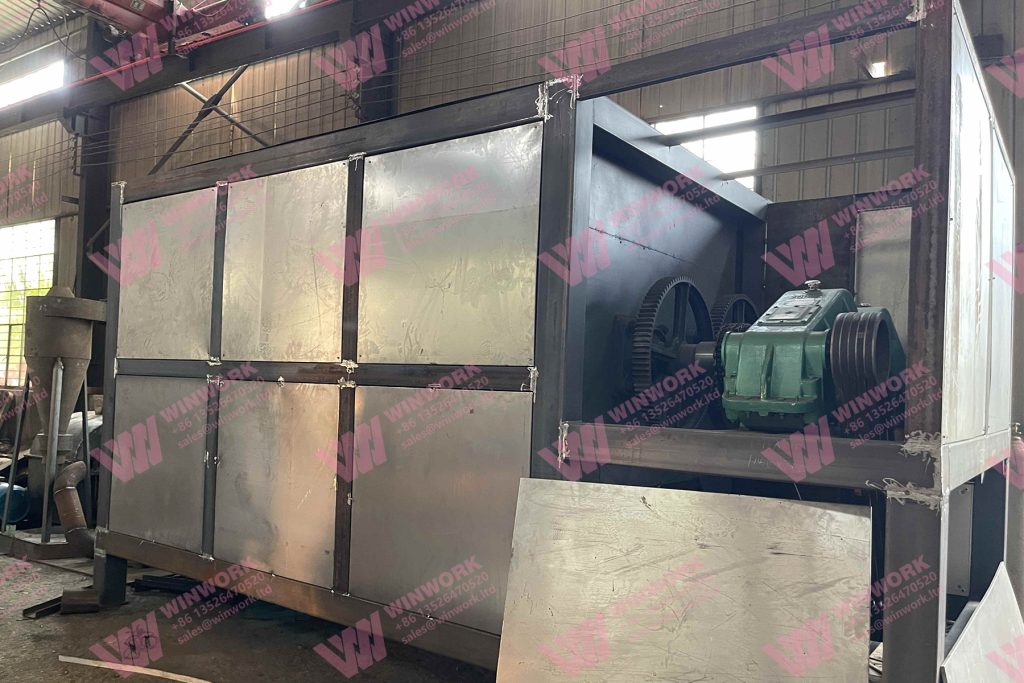
The Horizontal Fermentation Tank is widely used in the production of organic fertilizers and compost, offering numerous advantages in terms of efficiency, control, and environmental impact.
The Vertical Fermentation Tank is a specialized unit designed for efficient aerobic fermentation of organic waste, agricultural residues, sludge and other compostable materials. This fermenter features a vertical structure and a compact design that maximizes space utilization while providing excellent mixing and aeration capabilities. It is widely used in the production of organic fertilizers, compost and other bio-products with the advantages of high efficiency and reduced environmental pollution.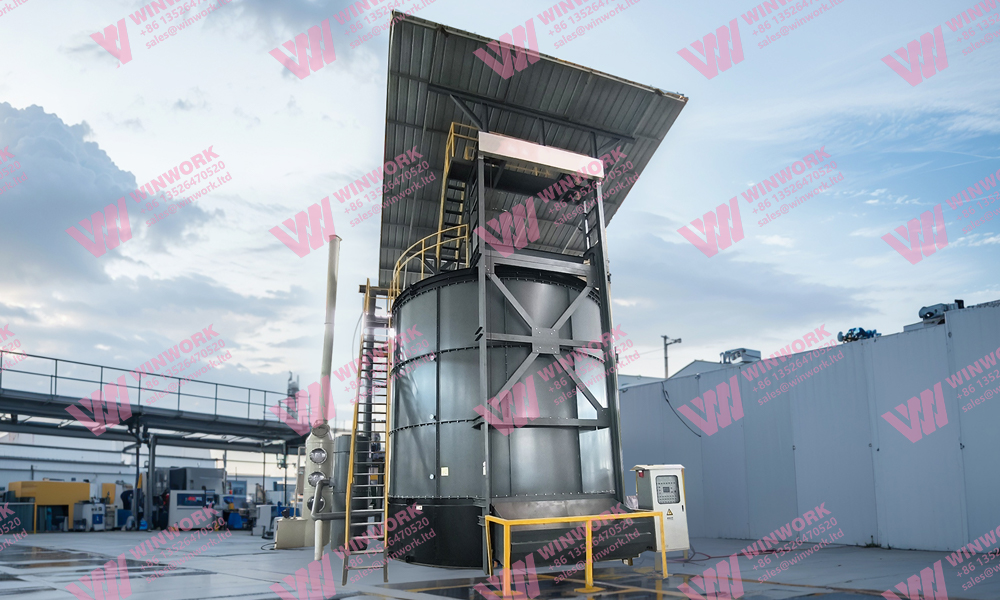
These are two kinds of different fermentation tanks. However both the two kinds are suitable for the fermentation hearting.
The Gear You Need: What Equipment is Essential?
You can’t do this in a concrete culvert. Achieving rapid decomposition through fermentation tank requires a purpose-built system.
The Fermentation Tank/Vessel: This is the main event. It comes in a few common designs:
Vertical Tank:A tall, upright steel silo with a cone bottom. Often has a central agitator shaft with paddles. Good for smaller to medium capacities.
Horizontal Rotary Drum:A large, insulated steel cylinder that rotates slowly on its axis. The tumbling action provides the mixing. Good for larger, continuous flows.
In-Vessel Tunnel/Container:A rectangular, stationary box with a moving floor or a chain-driven agitator. Very flexible and good for automated lines.
The choice depends on your scale and space, but the function is the same: Achieving rapid decomposition through fermentation tank.
The Pre-Mixer: A horizontal ribbon mixer or paddle mixer to blend the raw waste with the bulking agent and any additives evenly before loading.
The Aeration Blower and Air Distribution System: To deliver the oxygen. Often includes a filter for the incoming air and a way to diffuse it evenly through the compost mass (like a perforated floor or pipes).
The Temperature and Control System (PLC): The brains. Sensors in the tank talk to a programmable logic controller, which adjusts the aeration blower speed, the agitator speed, and maybe a small heater to maintain the perfect conditions. Modern Achieving rapid decomposition through fermentation tank is highly automated.
The Odor Control System (Biofilter): Usually a separate bed of wood chips or compost where the exhaust air from the tank is blown through to trap and break down any remaining odorous compounds before release.
The Feeding and Discharge Conveyors: To move material in and out efficiently.
Each piece is critical. A weak blower means anaerobic spots. A poor mixer means uneven composting. The synergy of the system is what makes Achieving rapid decomposition through fermentation tank so effective.
FAQ: Your Questions About Achieving Rapid Decomposition Through Fermentation Tank Answered
We know you’ve got questions. Here are the answers to what people ask us most about Achieving rapid decomposition through fermentation tank.
Q: Is the electricity cost high to run the mixer and blower?
A: It’s a factor, yes, but it’s often offset by the savings. You save on land rent (smaller footprint), labor (automated turning), and the ability to process material faster (more throughput). Also, the insulation on the tanks is good, so you aren’t heating the outdoors. Most find the operating cost of Achieving rapid decomposition through fermentation tank is reasonable and justified by the benefits.
Q: What if the power goes out?
A: Most systems have a backup plan or are designed to handle short outages. The material is insulated, so it holds heat for a while. For longer outages, some systems have a manual override for discharge or can be connected to a generator. The robustness of Achieving rapid decomposition through fermentation tank systems is a key design consideration.
Q: Can I put any organic waste in?
A: Most agricultural and food wastes, yes. Meat, bones, and high-fat wastes can be processed but may require higher temperatures or longer times and can attract more attention from a regulatory standpoint. Very woody, high-lignin material (like branches) should be chipped first. The versatility of Achieving rapid decomposition through fermentation tank is one of its strengths, but pre-processing is sometimes needed.
Q: Does it smell when I open the lid to load or unload?
A: Briefly, yes, you might get a whiff of the compost aroma, which is usually earthy and not offensive. But because the system is under slight negative pressure or sealed during operation, odors don’t continuously escape. The goal of Achieving rapid decomposition through fermentation tank includes containing the process, not eliminating the natural smell of composting entirely during brief access.
Q: How do I know when the batch is done?
A: The control system often uses a combination of time, temperature profile (did it sustain the thermophilic phase?), and sometimes oxygen consumption rate to determine the cycle end. The result is a consistent product. You don’t have to guess, which is a major advantage of Achieving rapid decomposition through fermentation tank over the “feel” method of traditional piles.
Conclusion: Don’t Let Your Waste Wait
The world is moving faster, and regulations are getting tighter. The old ways of composting—slow, land-hungry, smell-prone, and weather-dependent—are becoming less viable for professional operations.
Achieving rapid decomposition through fermentation tank is the modern, engineered solution. It puts you in control of the process, not at the mercy of it. It delivers a faster turnaround, a superior and safer product, and a operation that is neighbor-friendly and compliant. By investing in this technology, you are not just buying a machine; you are upgrading your entire approach to resource management. Stop waiting months for your compost. Start Achieving rapid decomposition through fermentation tank and turn your waste into worth on your schedule.
For more details, please feel free to contact us.
Email: sales@lanesvc.com
Contact number: +8613526470520
Whatsapp: +8613526470520
Get A Quote